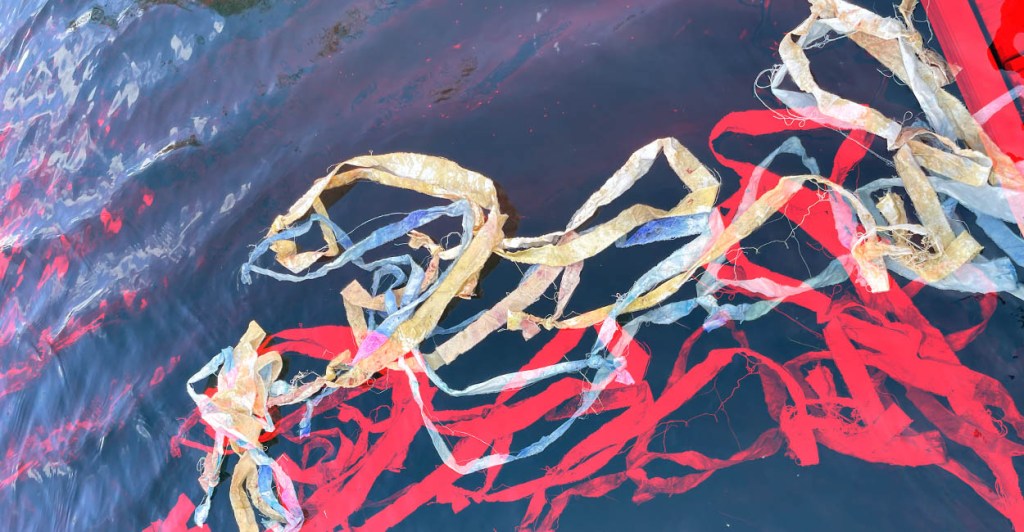
Following on from Project three, it is my intention to continue working with found objects, debris and the open water and continue my experimentation, working towards an installation. The series is called Above and Below.
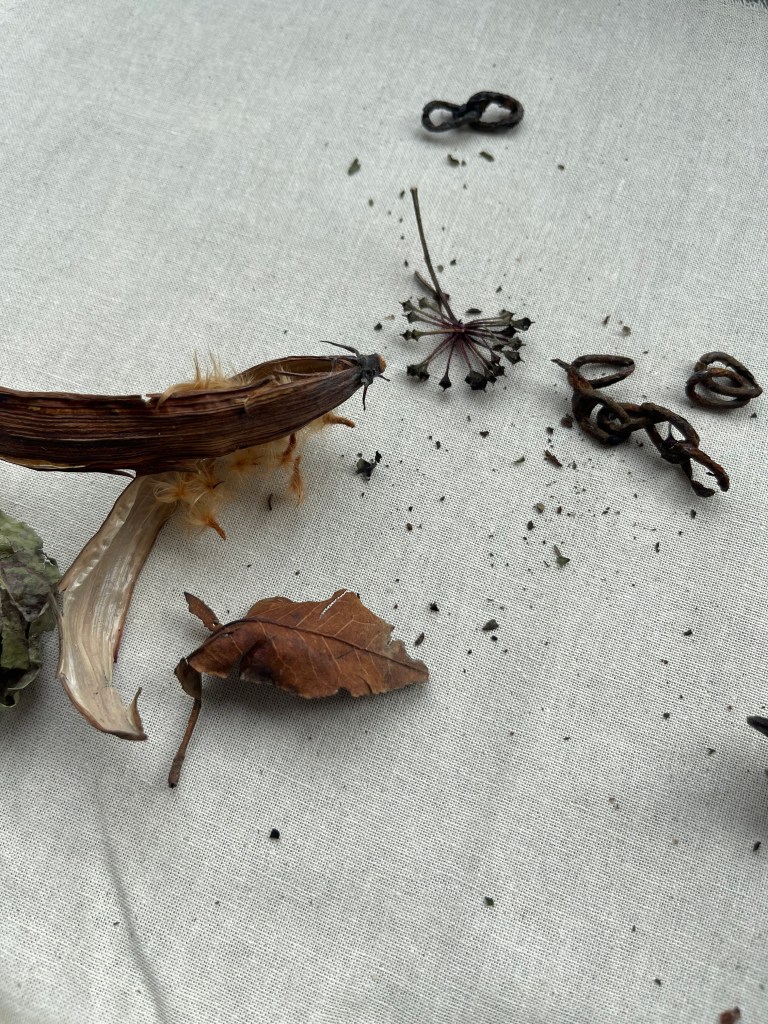
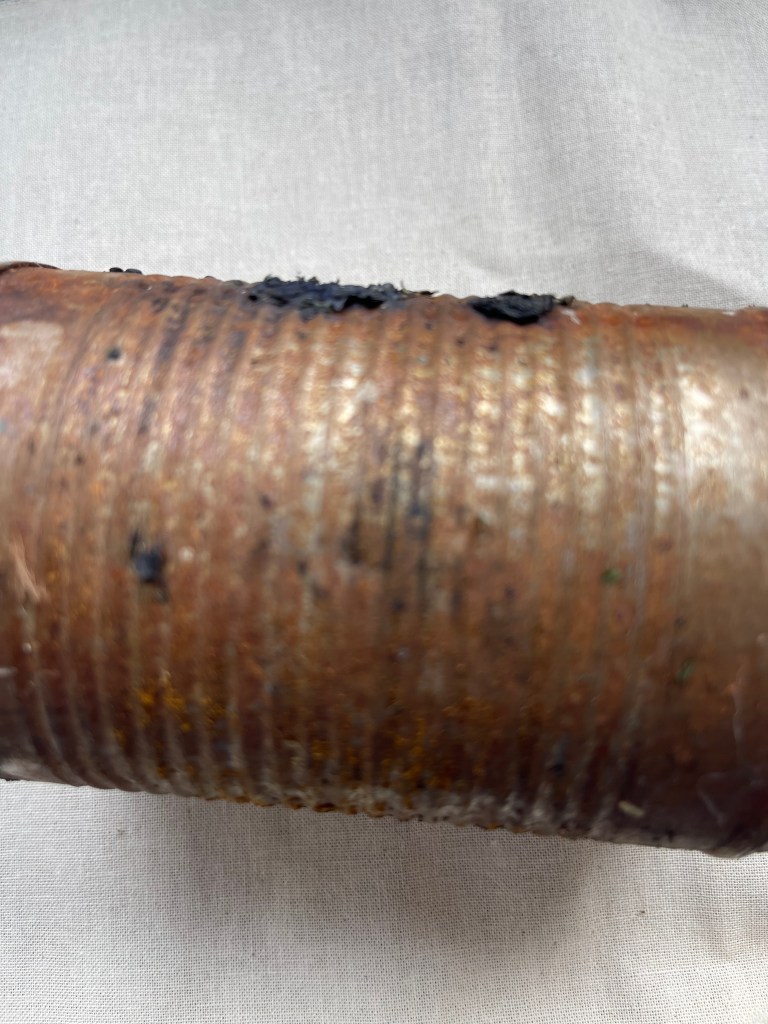
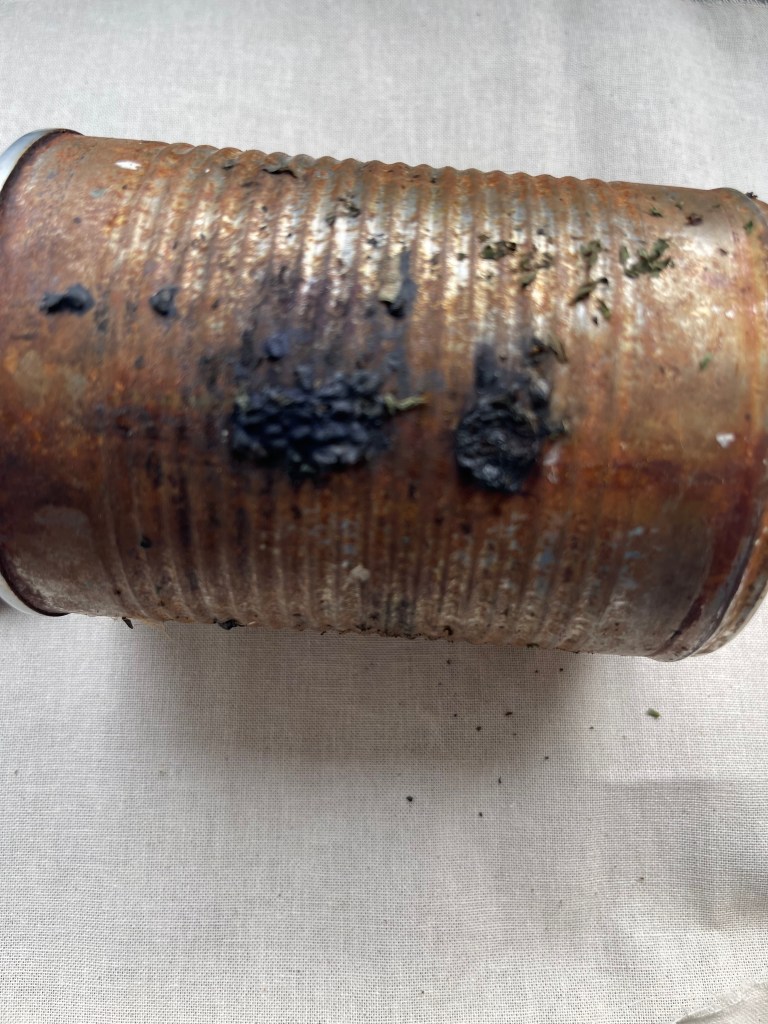
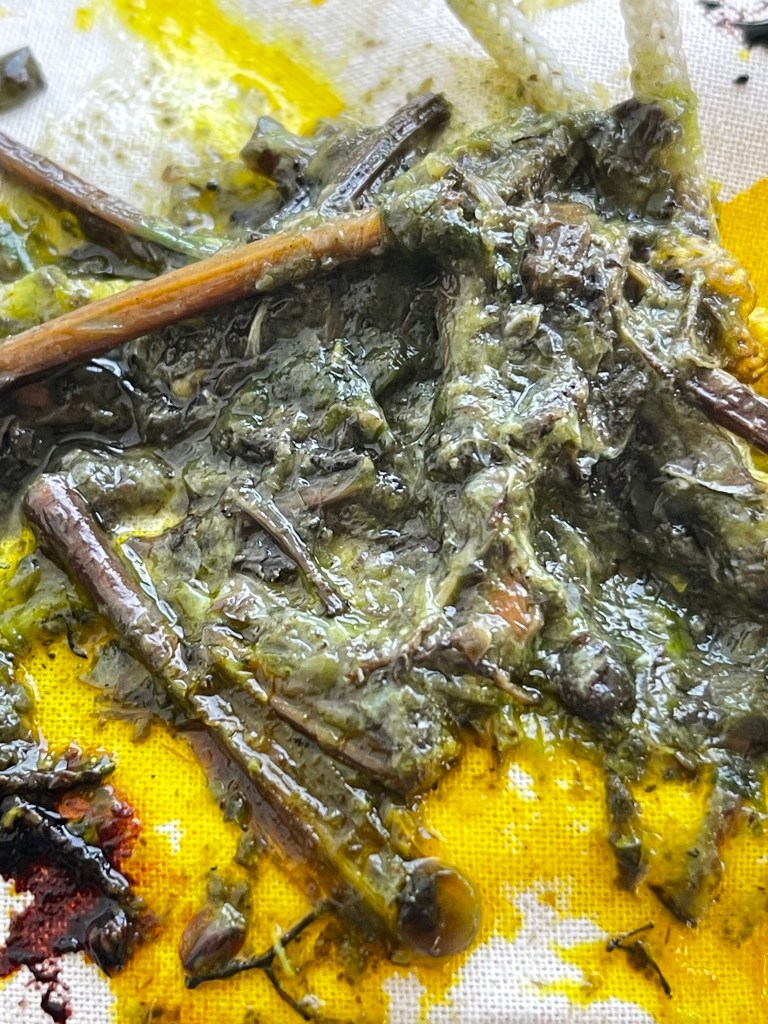
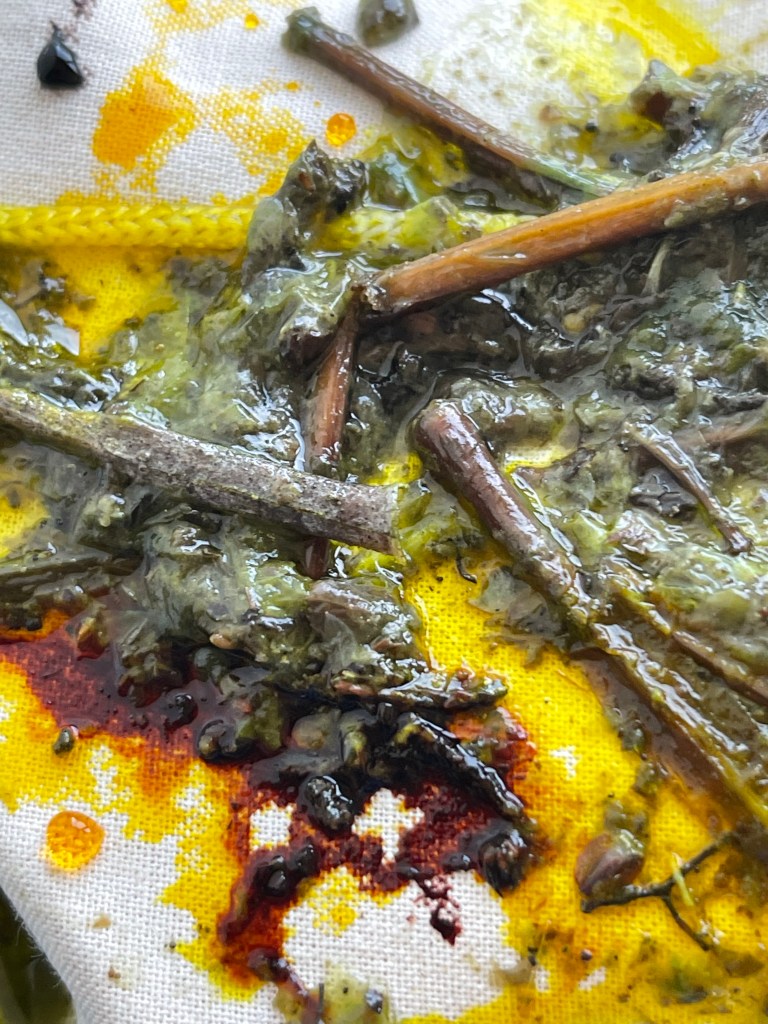
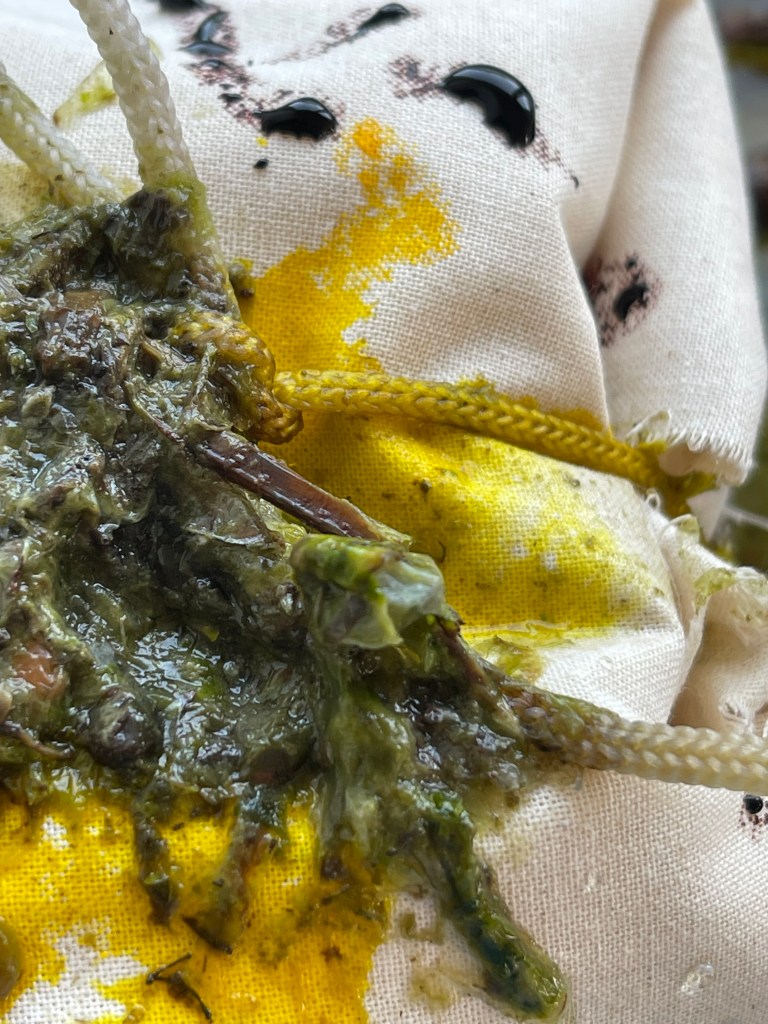
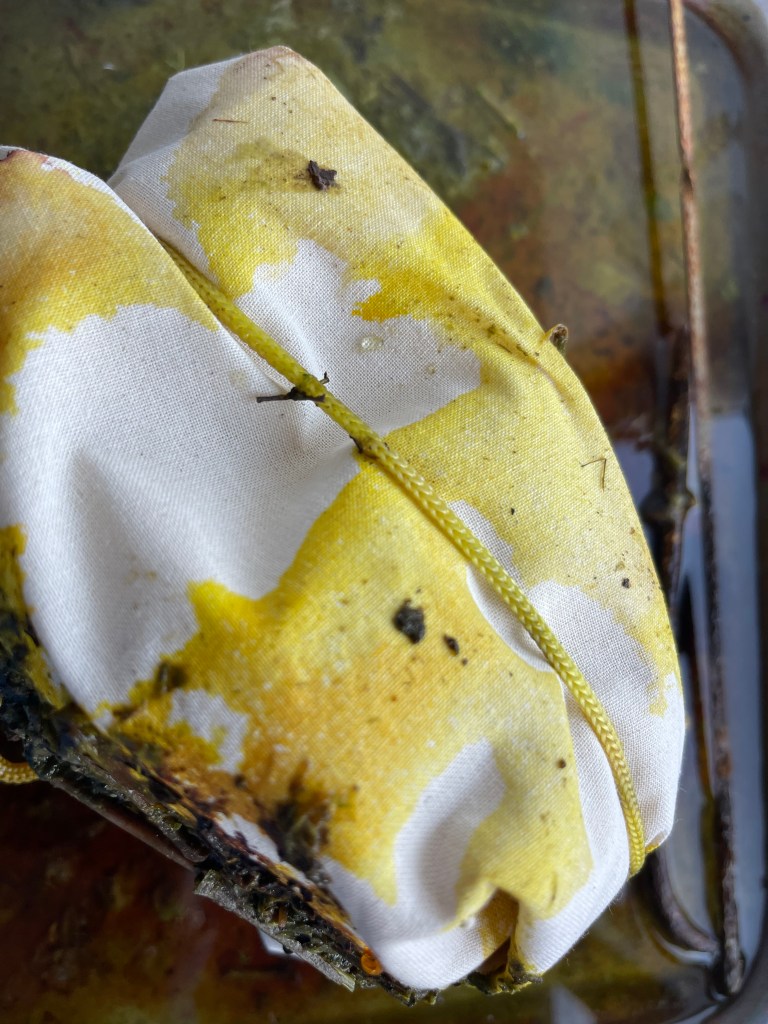
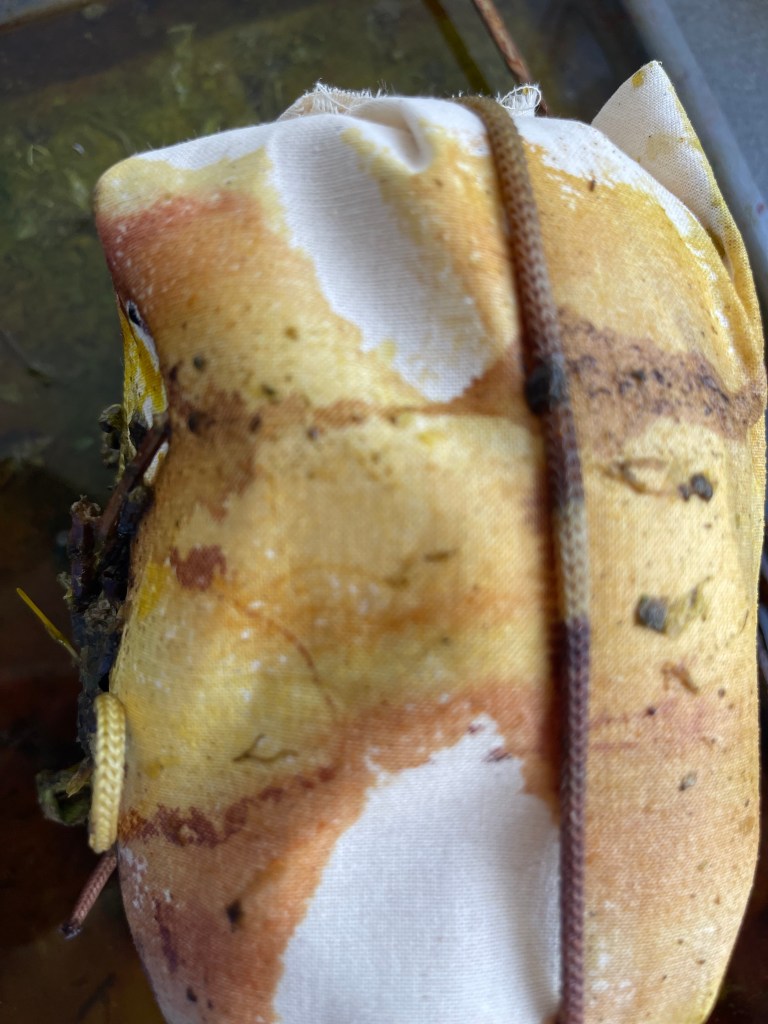
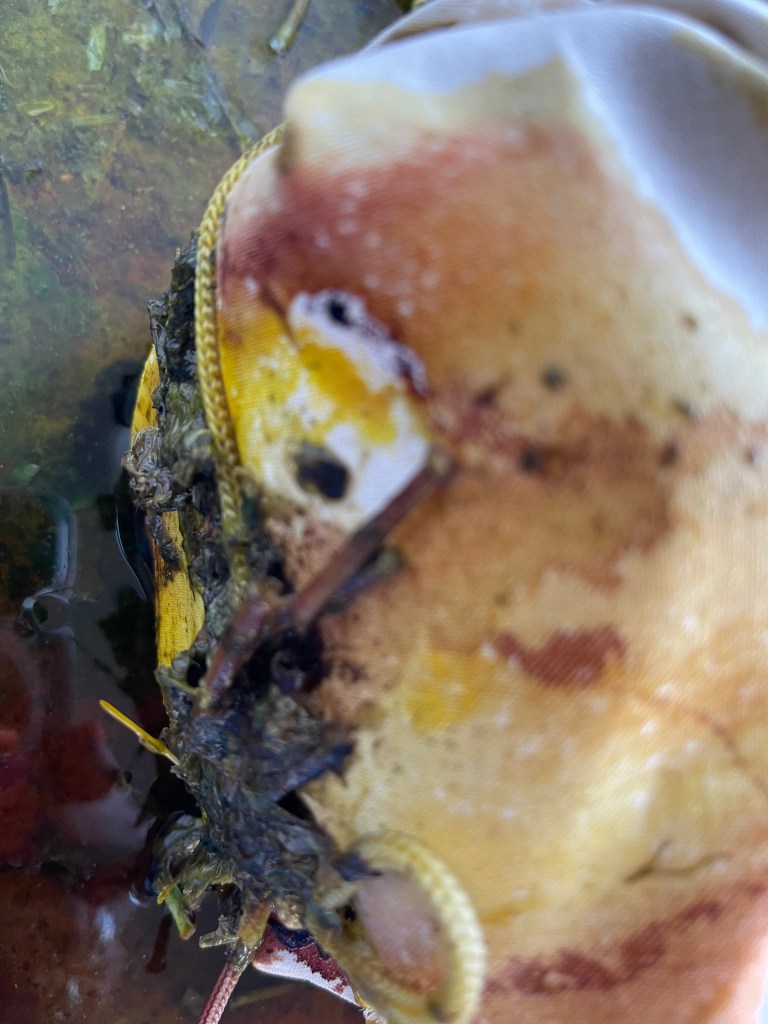
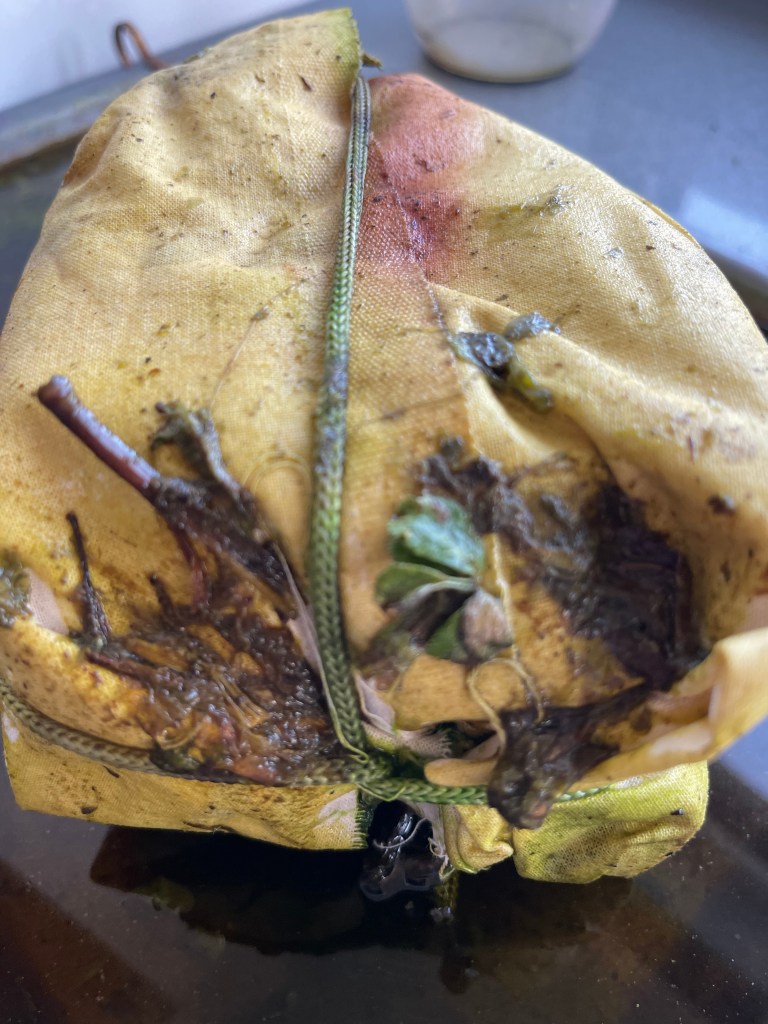
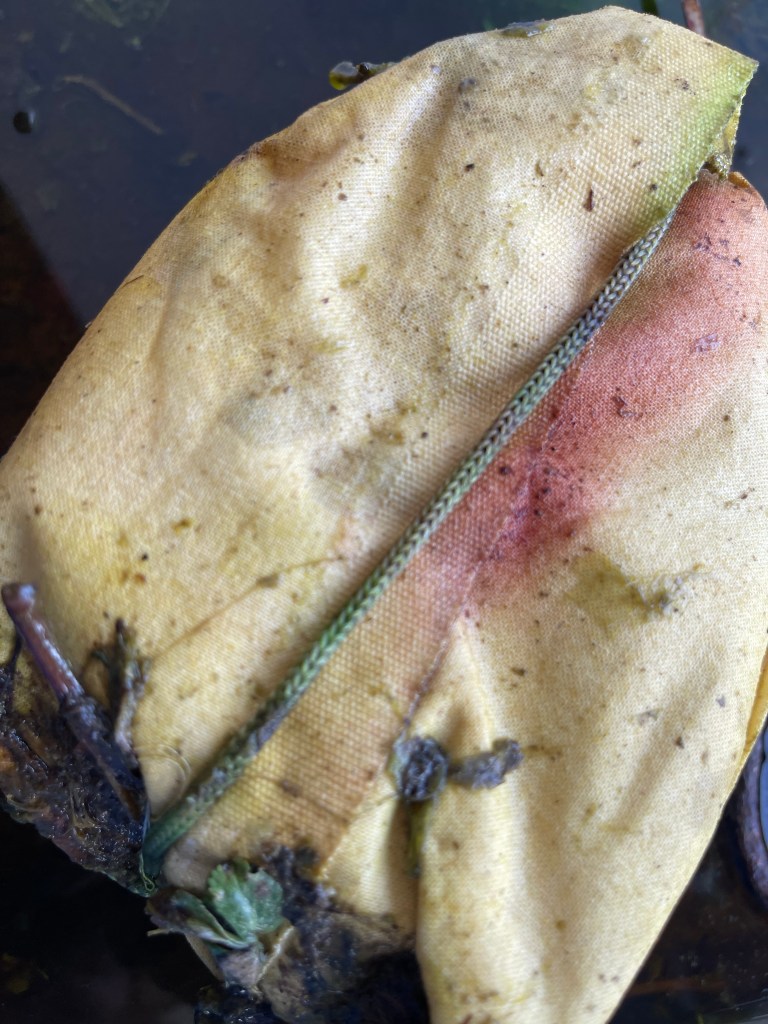
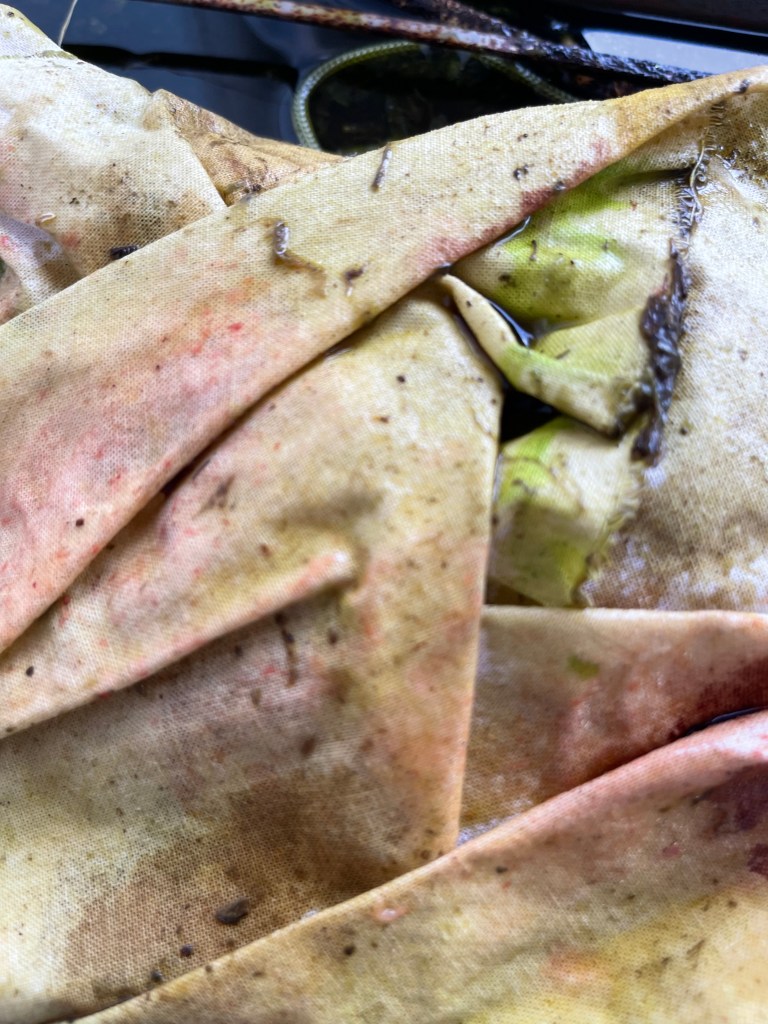
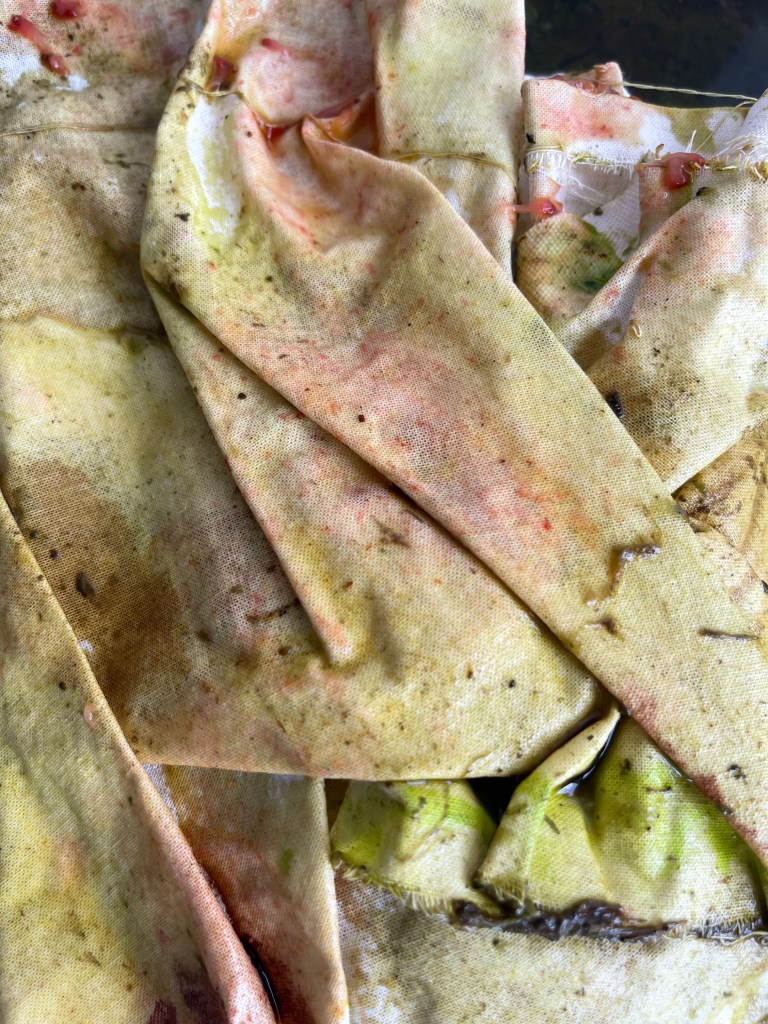
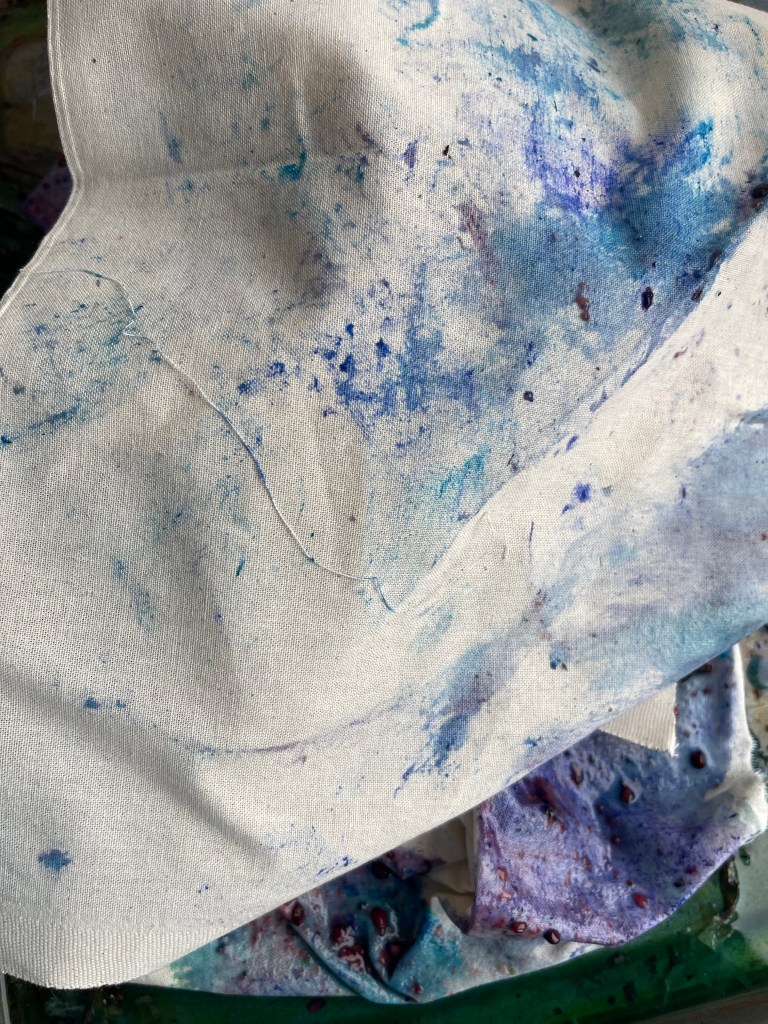
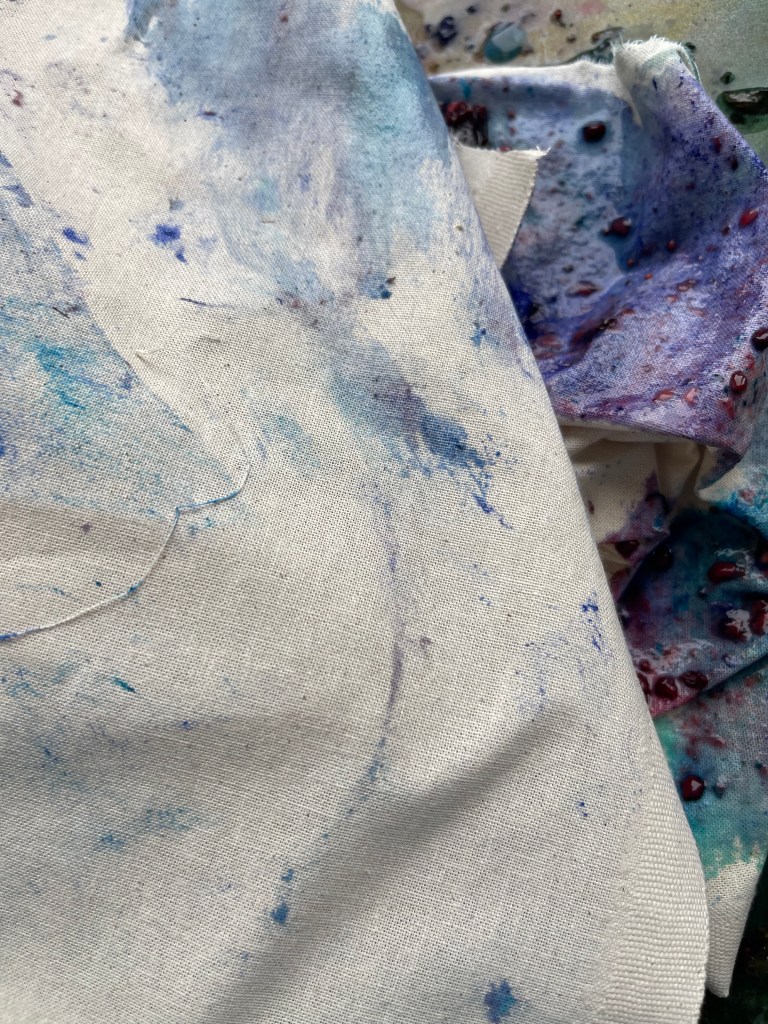
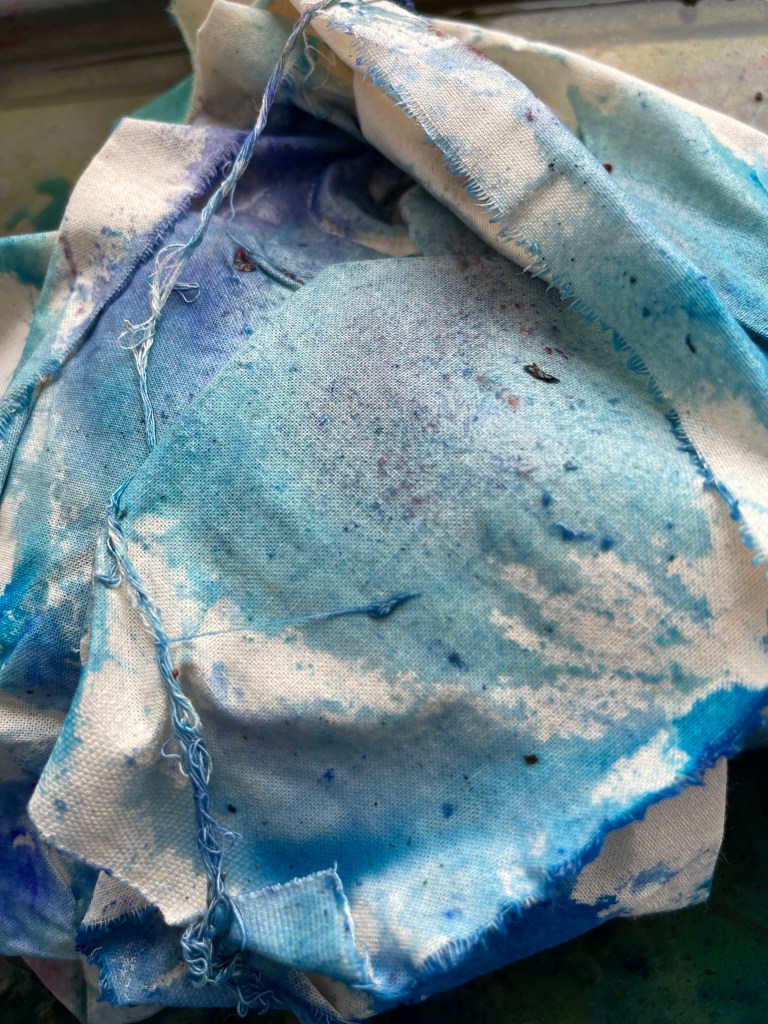
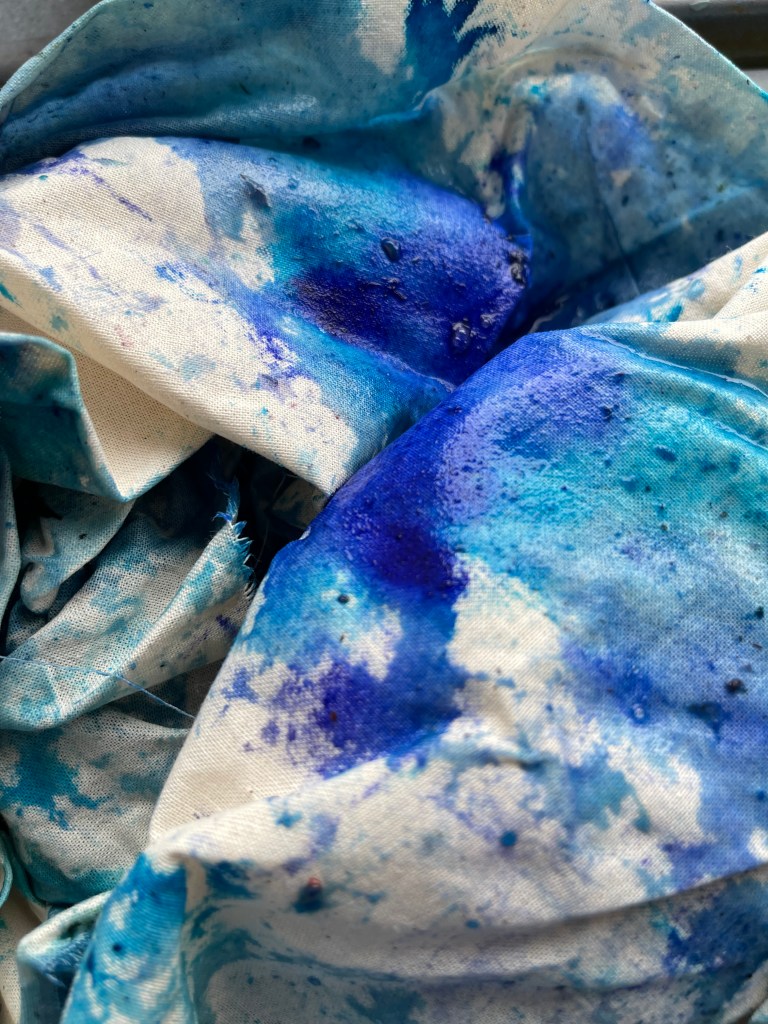
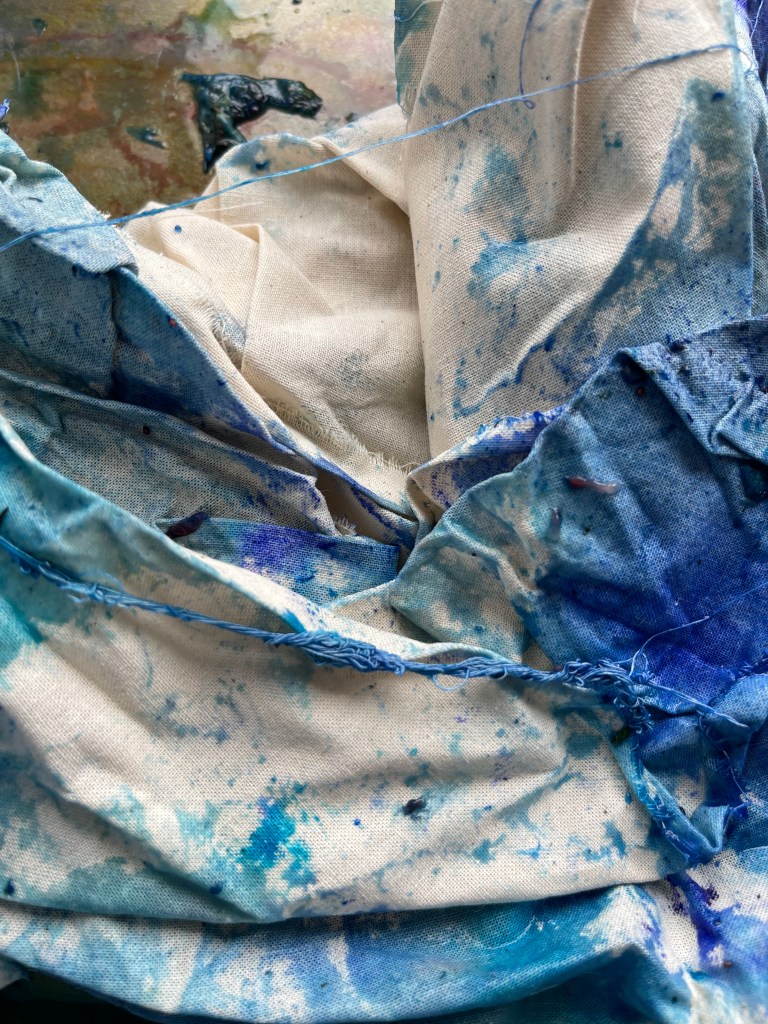
These pieces of fabric have been wrapped and bound with the debris and saturated in the open water. I have added some liquid water colour to enhance Above and Below into separate pieces.
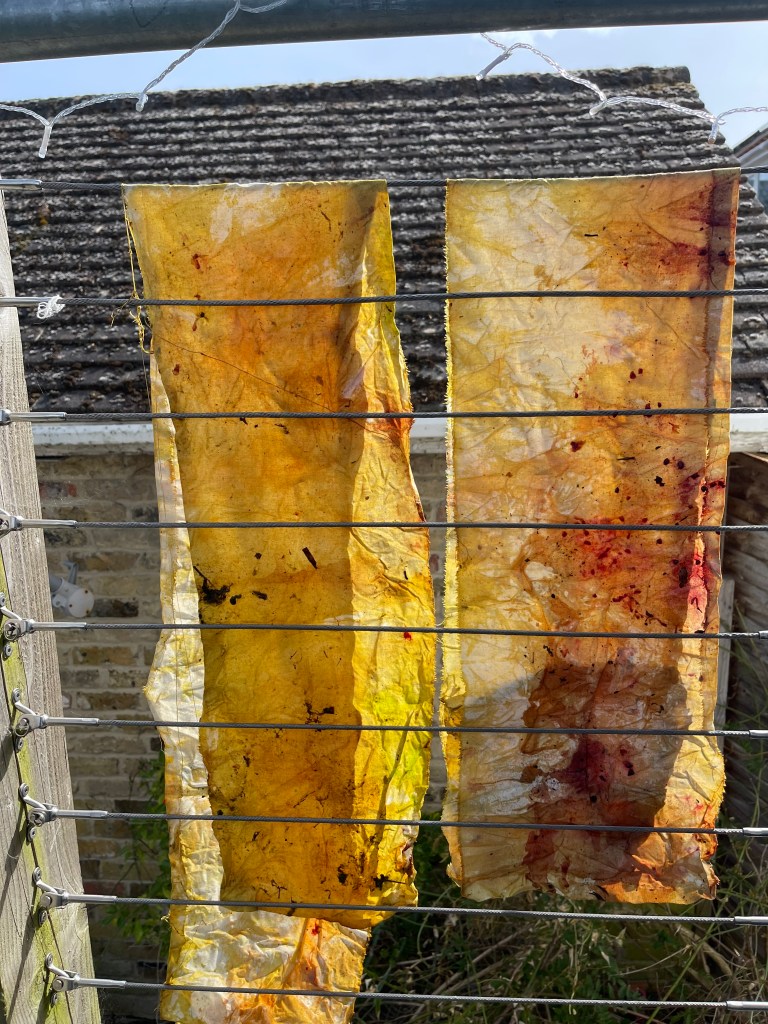
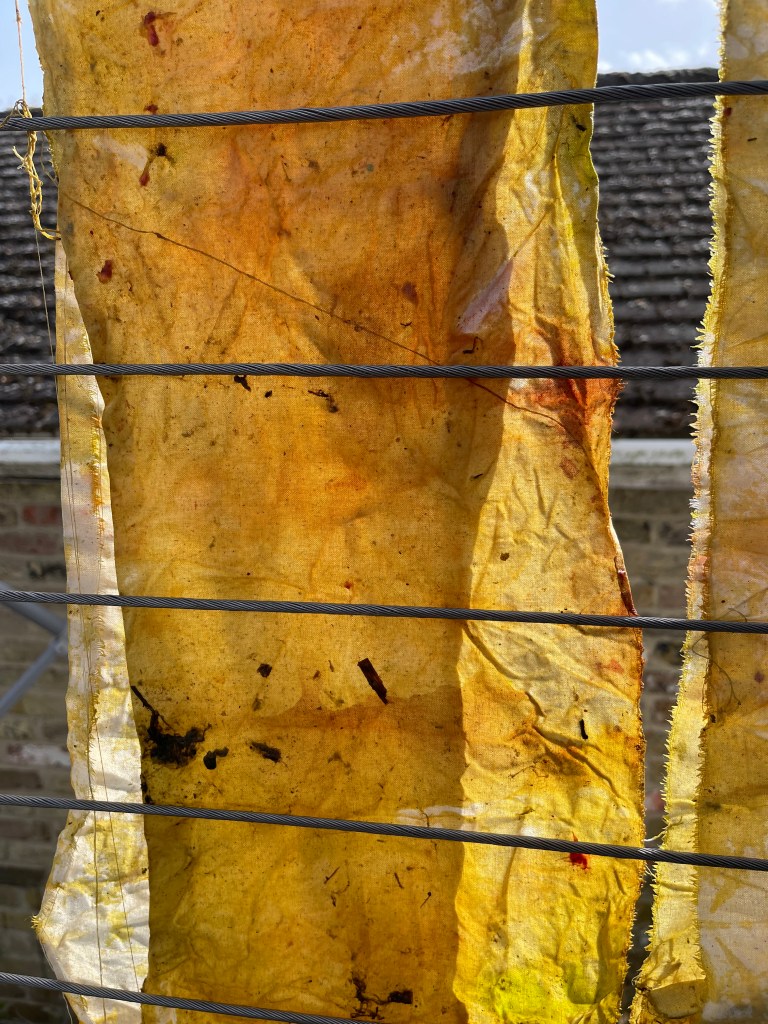
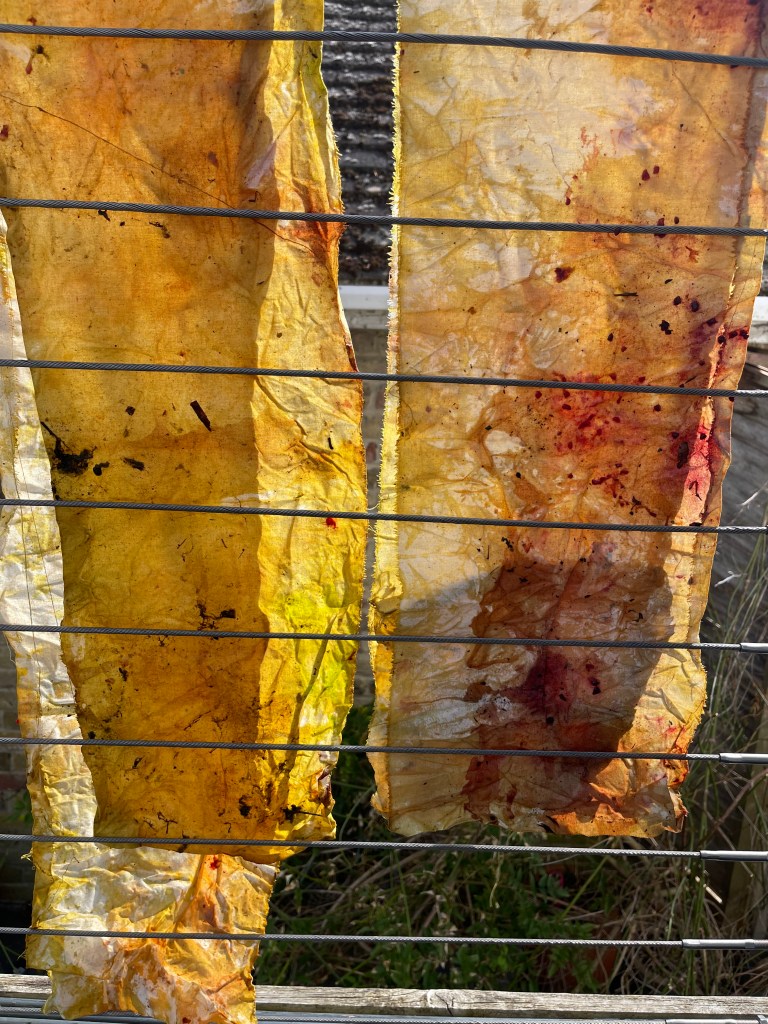
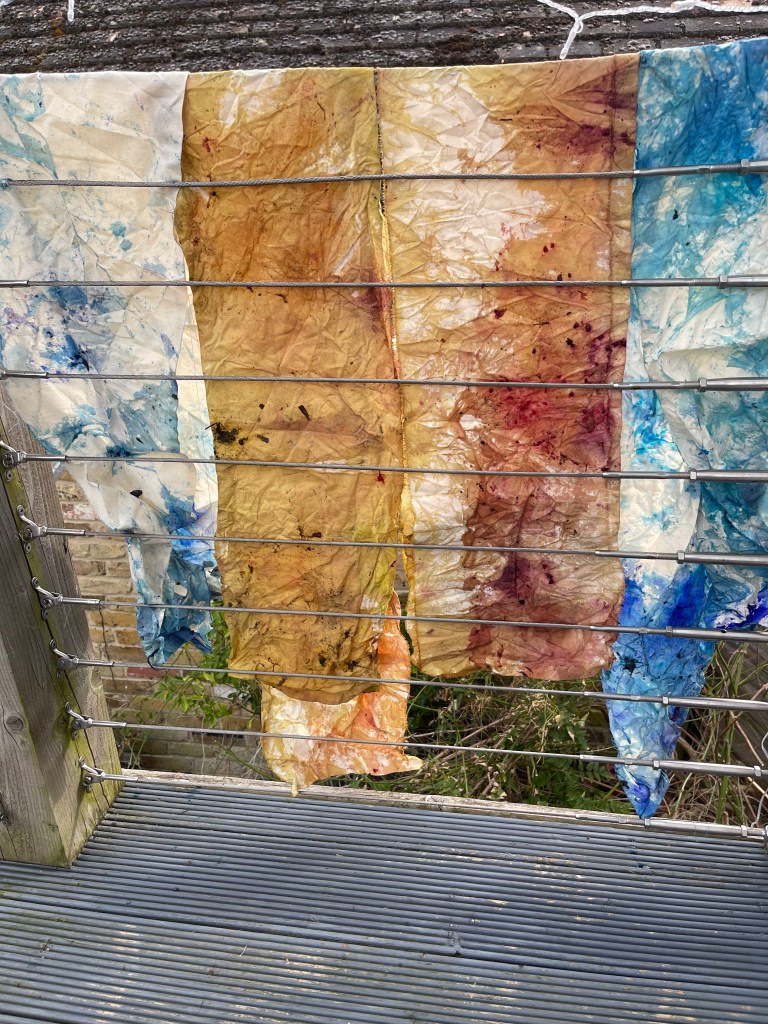
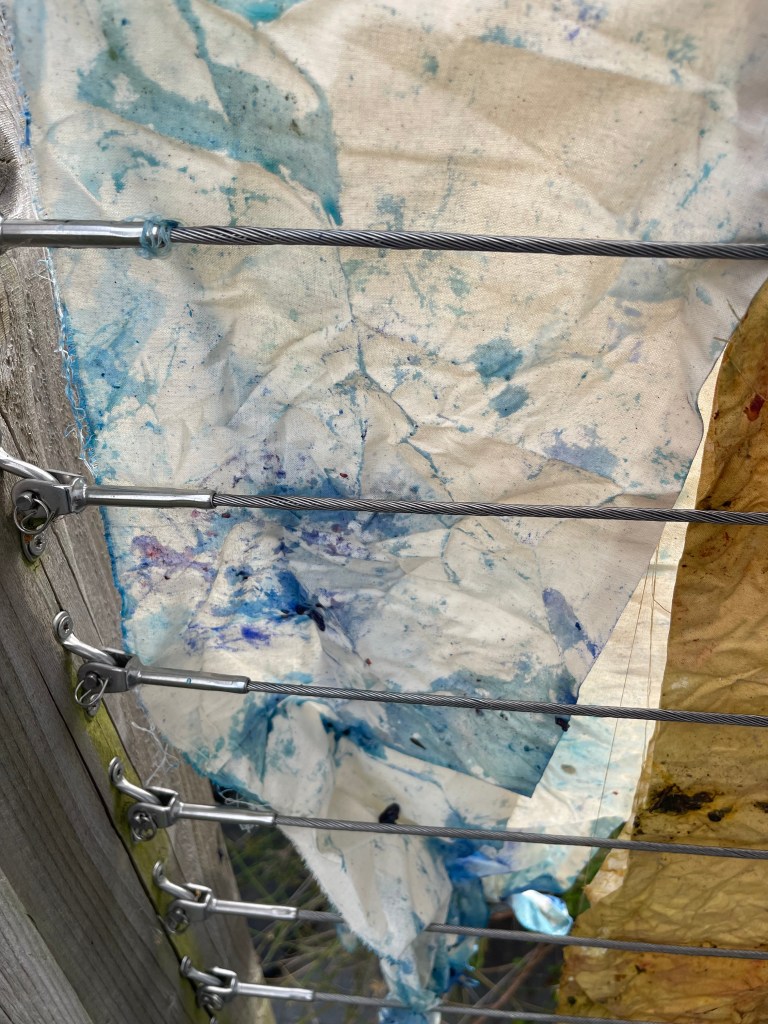
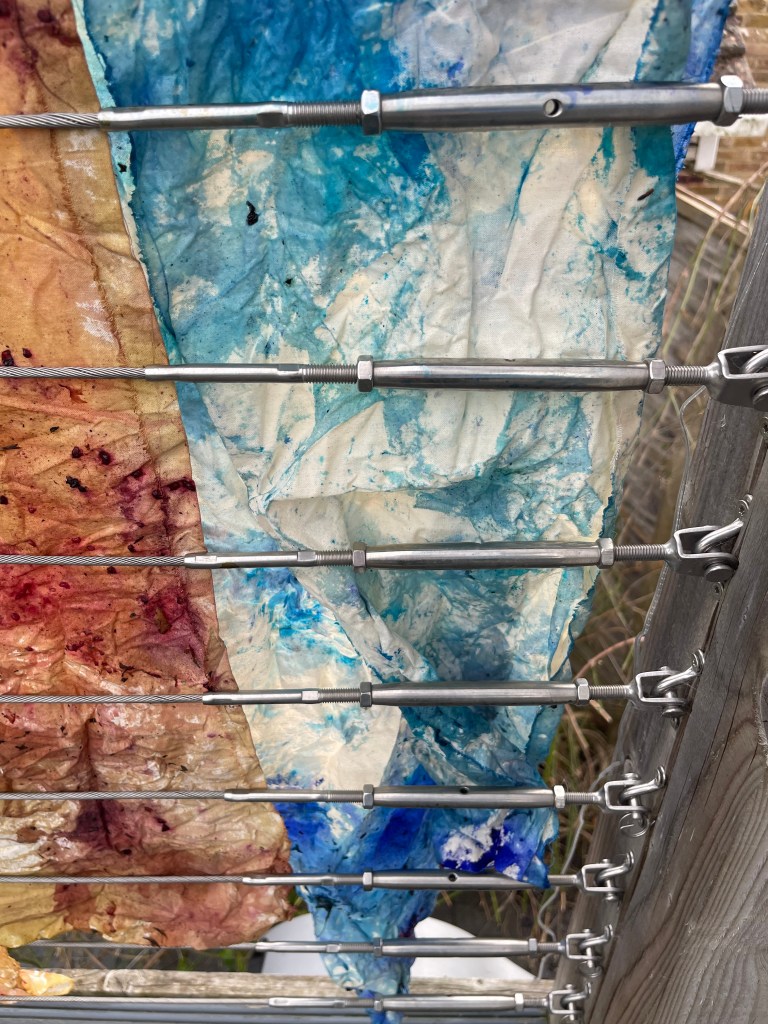
The Above pieces are slightly yellow to represent the land and the Below pieces are blue to represent the water.
I took the fabric to the open water to encourage my working at the waters edge, this isn’t something I can always do because of weather constraints.
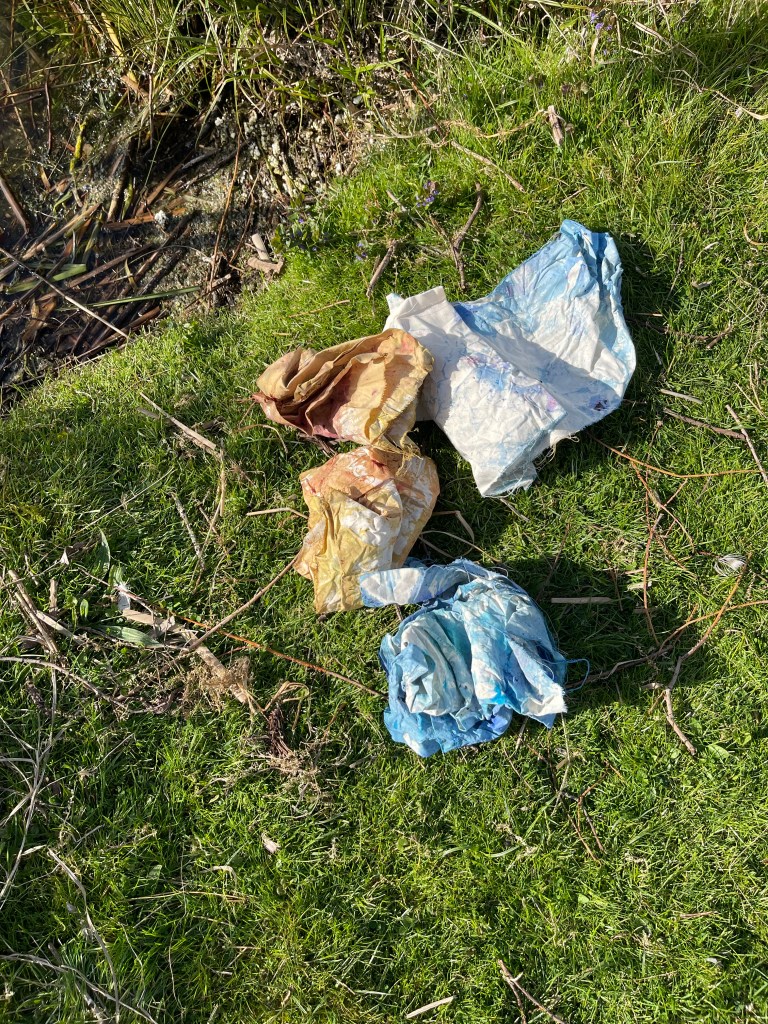
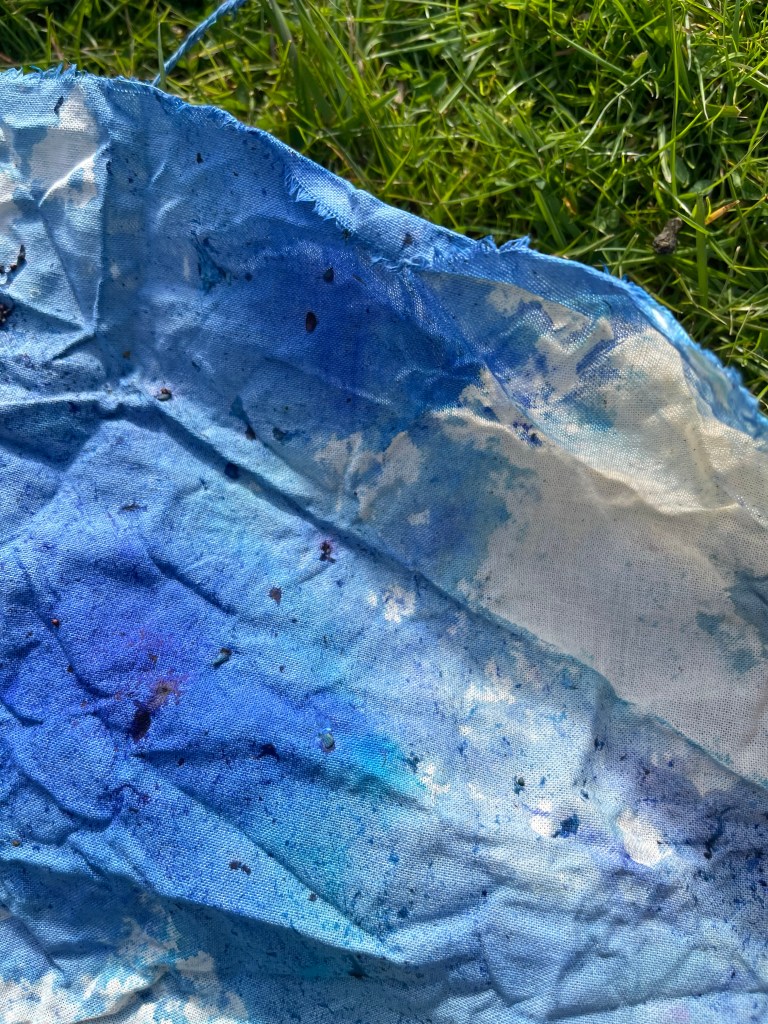
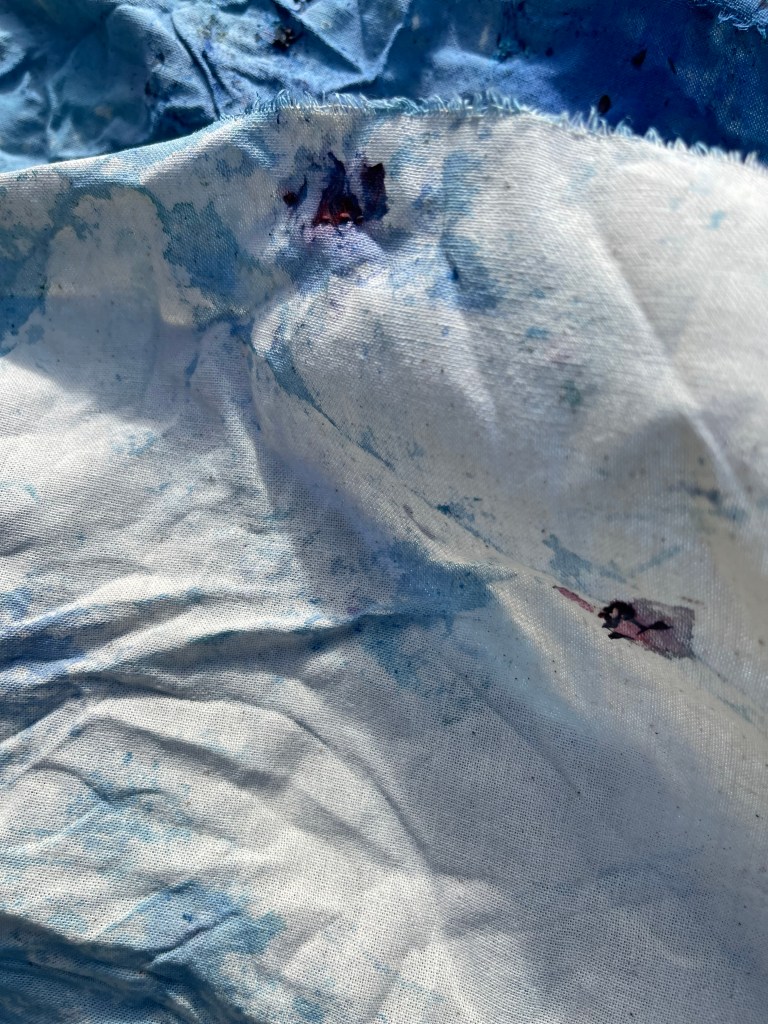
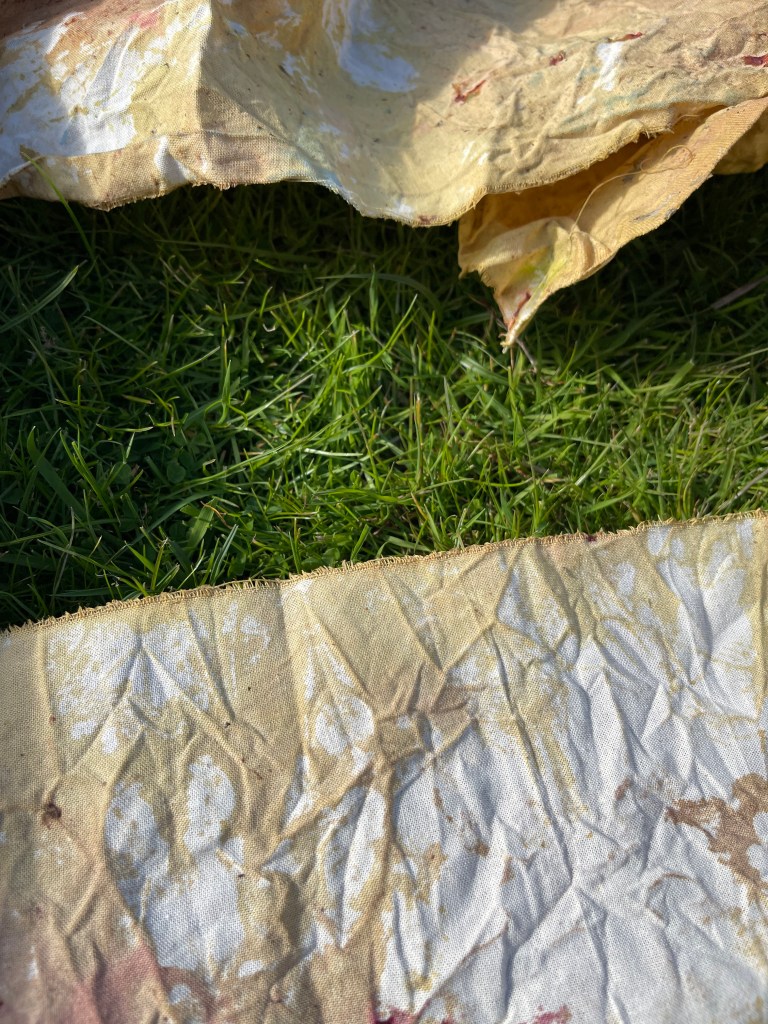
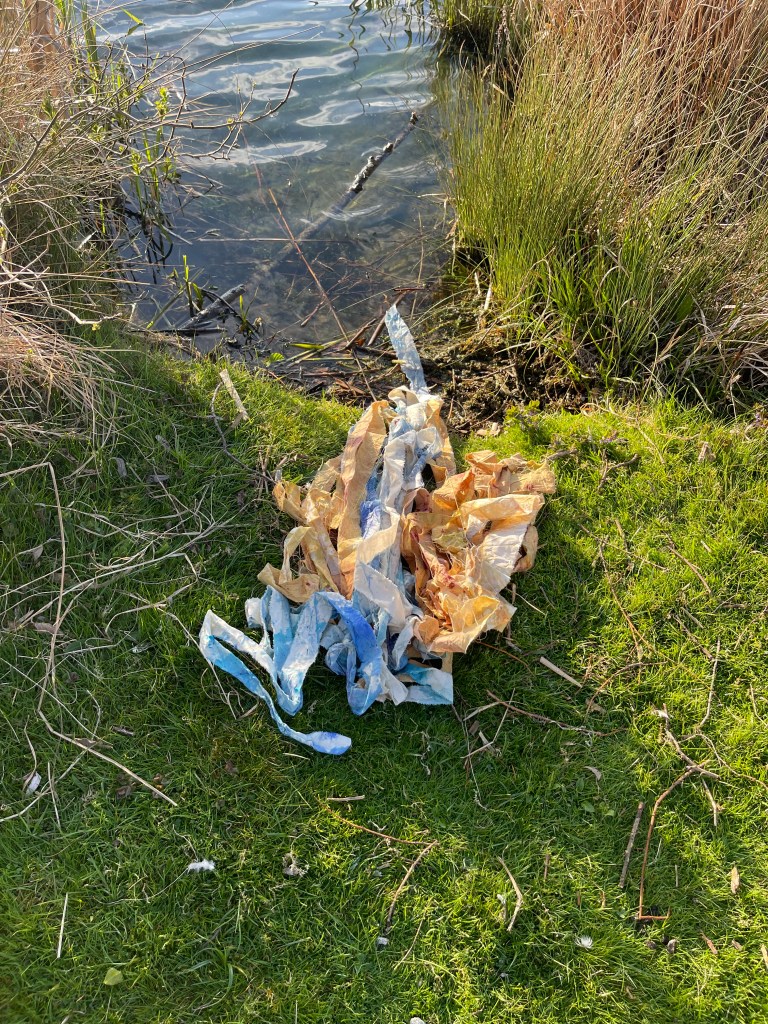
Being engaged with the fabric, land and water is a constant physical interaction, responding to the sites conditions, the light, the weather, erosion and human traces. The fabric was ripped into four pieces, approximately one metre in length and 50 cm wide. After being left in the water for a few days and dried, I took it back to the water edges to rip and tie together. I wrestled with the wind which became quite frustrating.
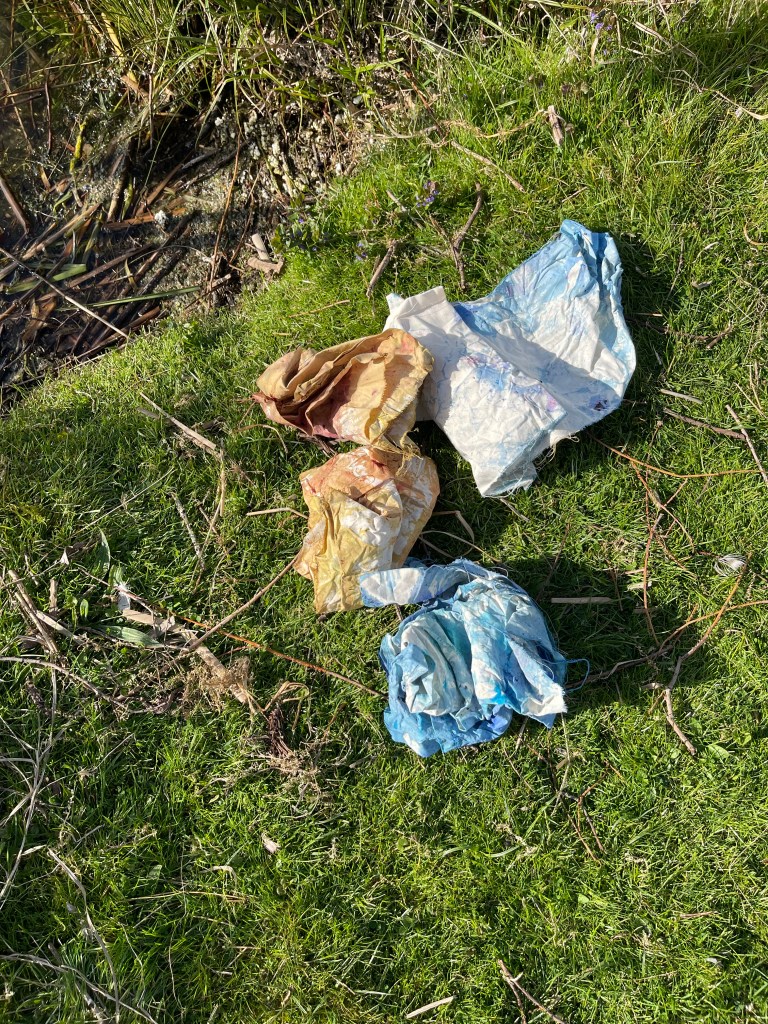
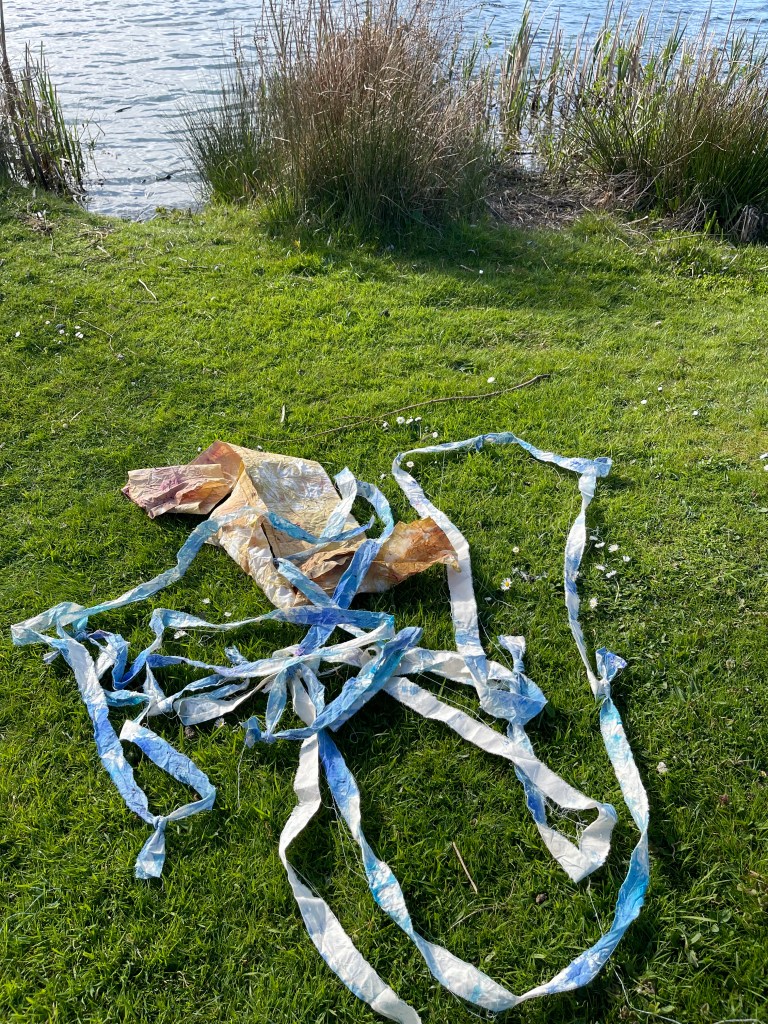
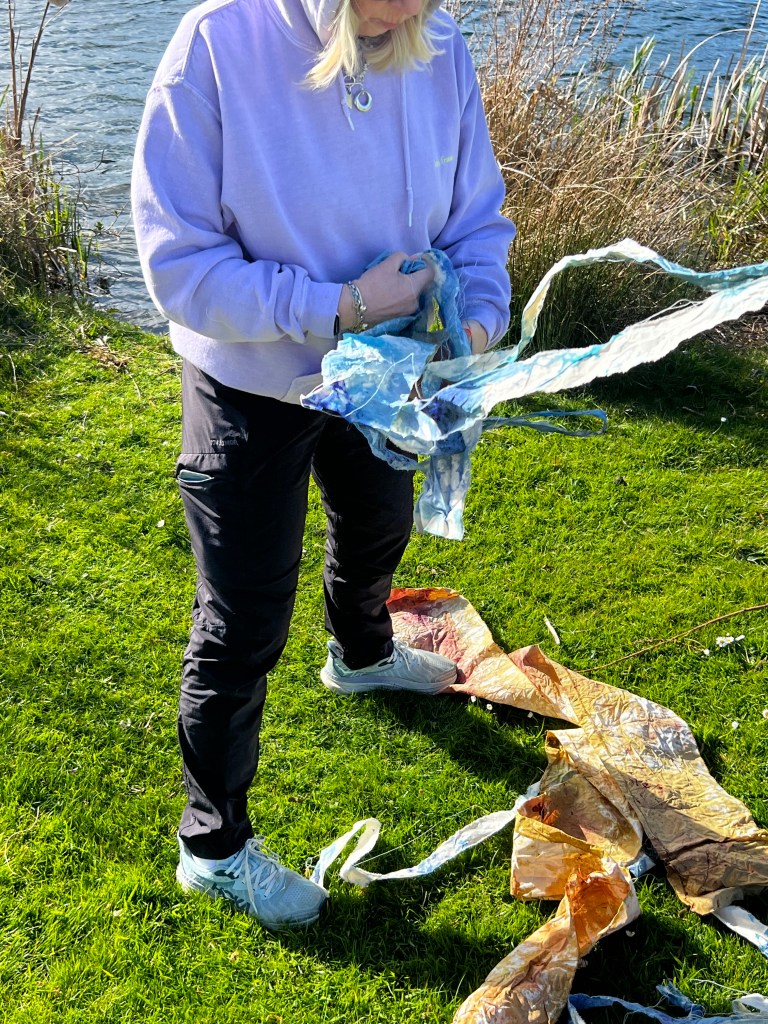
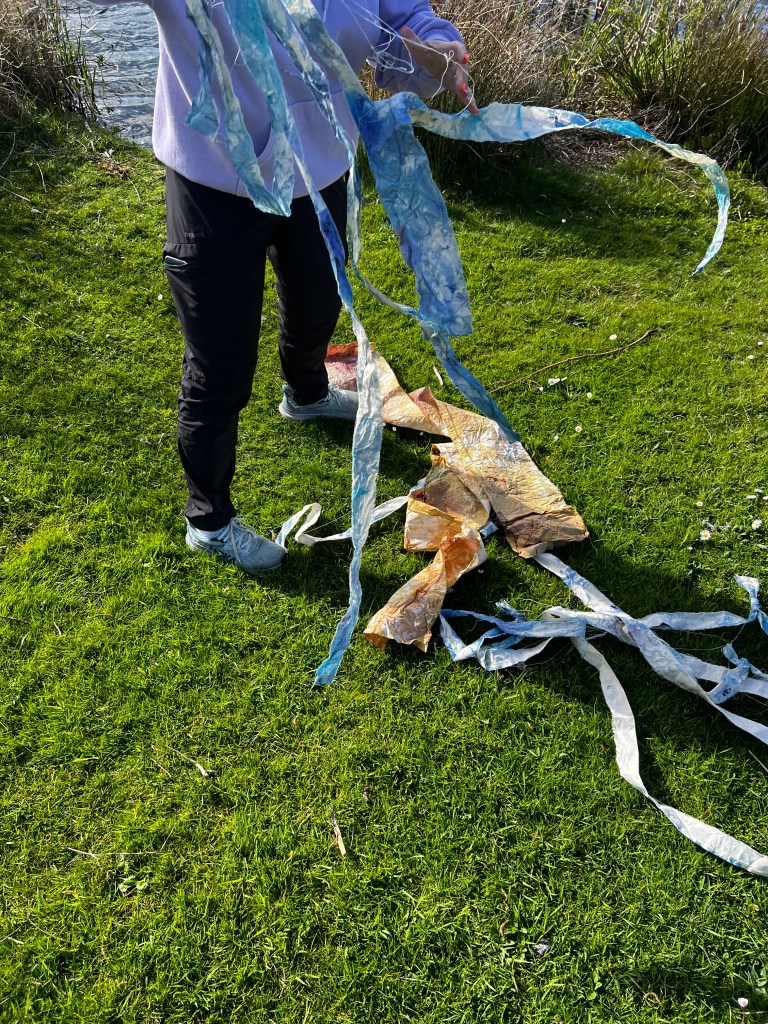
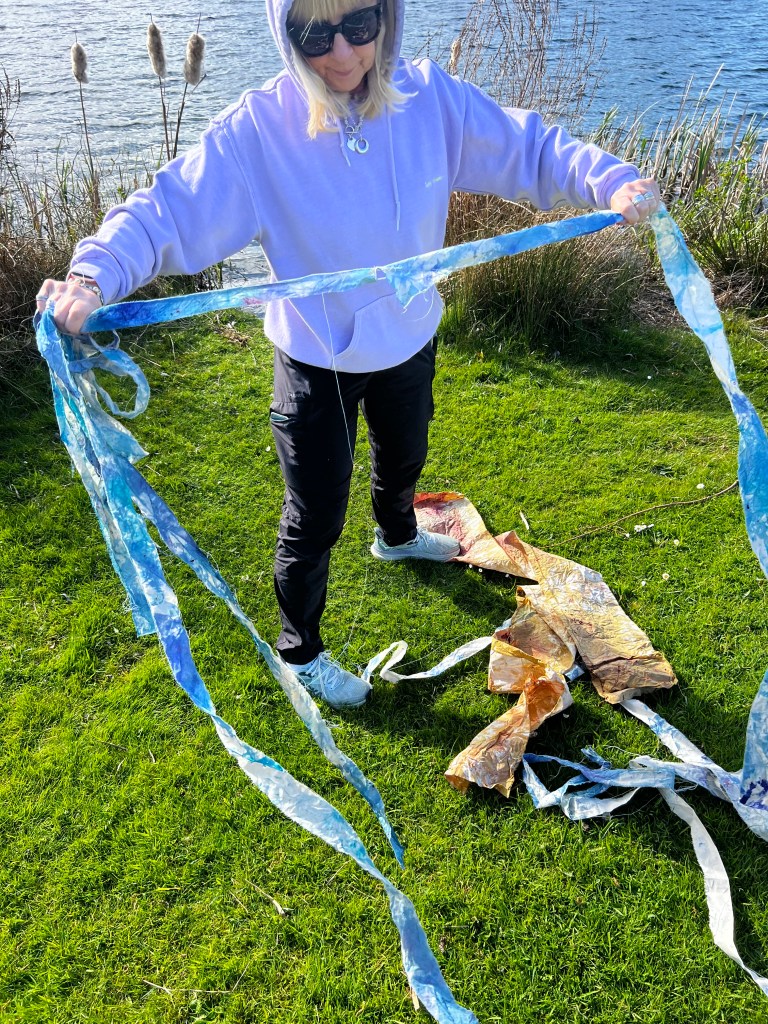
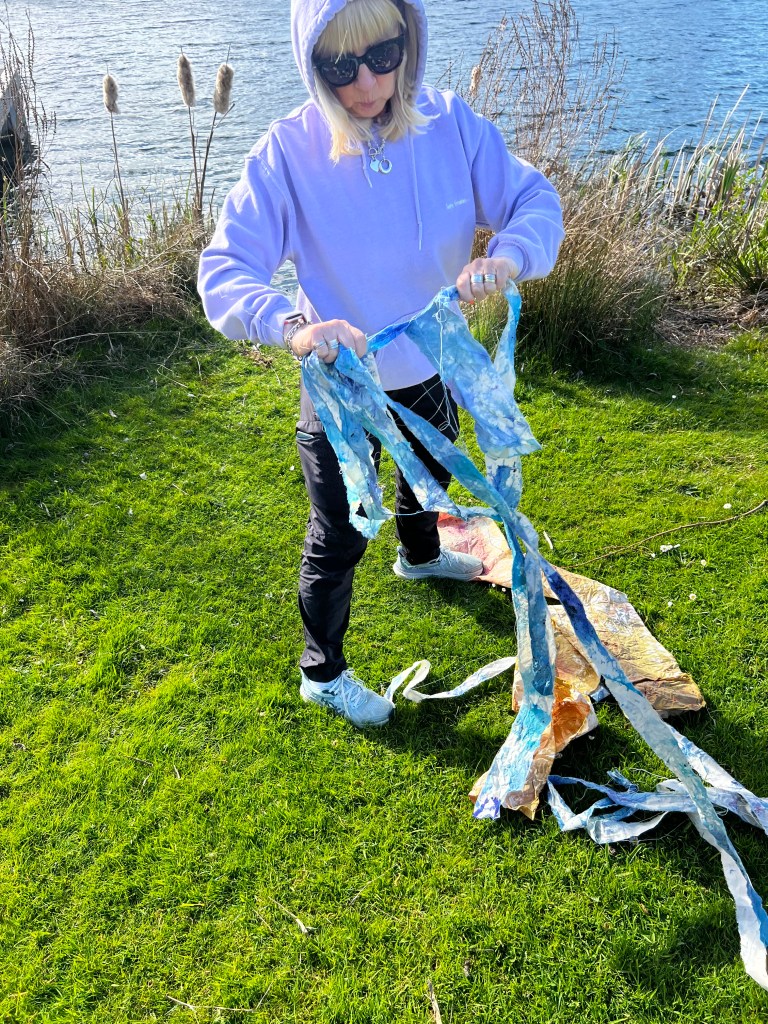
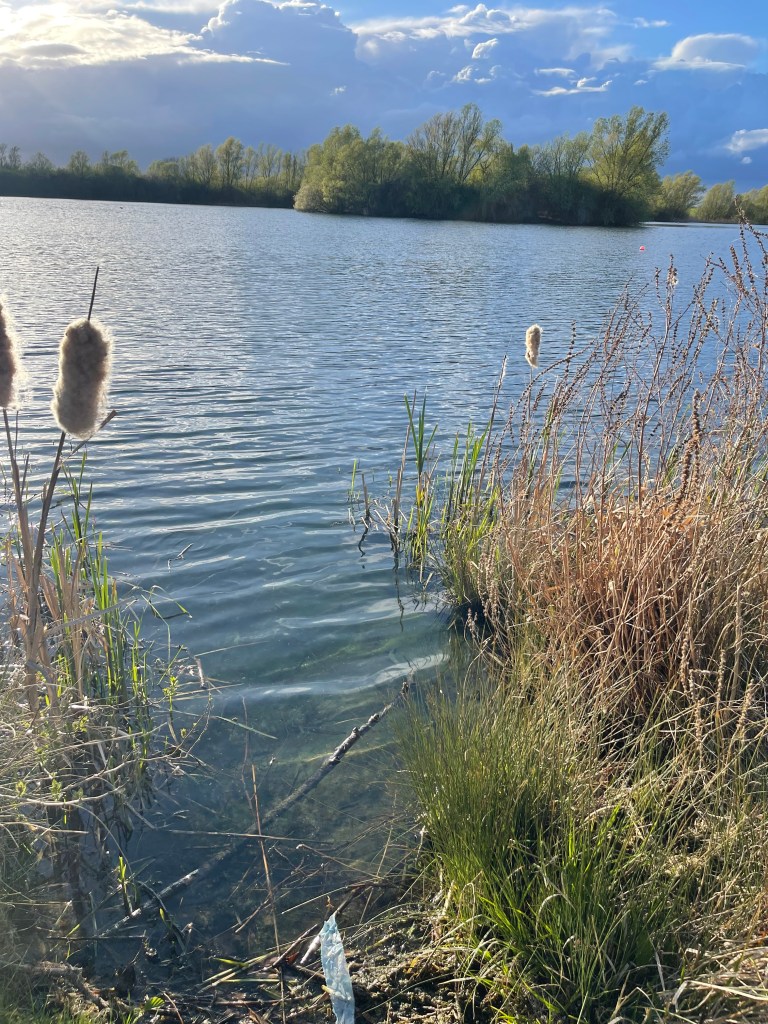
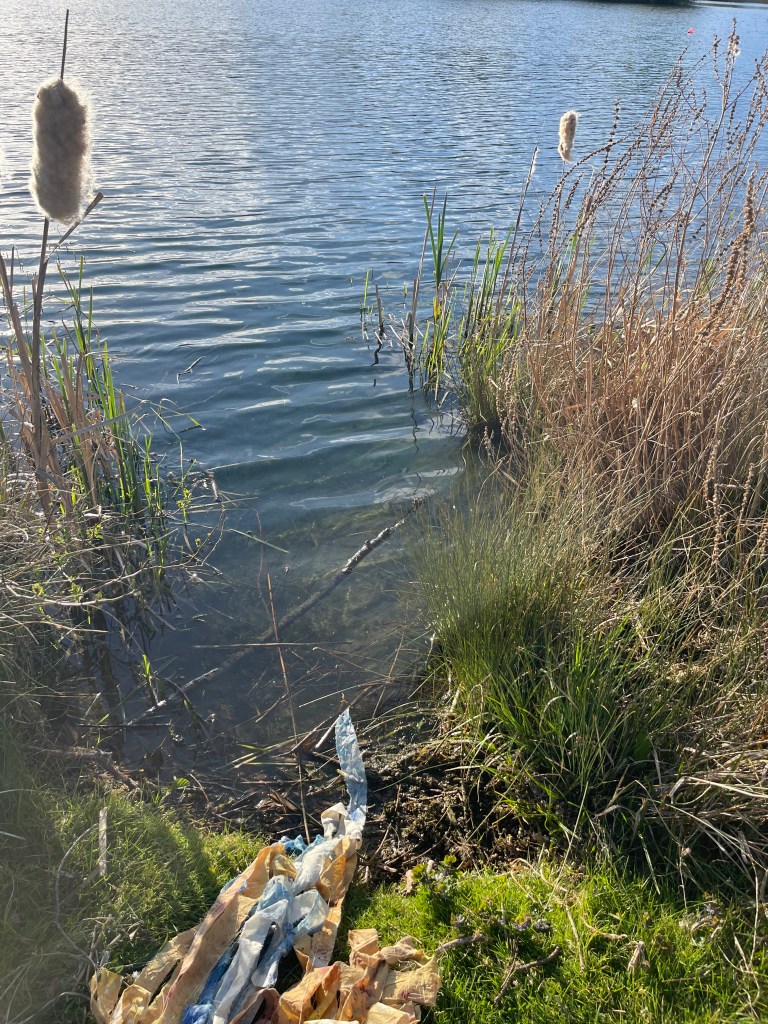
The fabric became embedded within the site, both pieces, Above and Below touched, weighted and shaped by both the land and the water, and for some part the weather. As I stretch, suspended and control, it becomes an interruption to the natural process.
Working towards being outward facing, the work is shifting from a private exploration towards an environmental communication. Is the viewer able to see my intentions without a dialogue? The fragility, resistance and immersion. Have I been able to illustrate fluidity and movement? As well as what happens to Above when it is submerged in Below?
I must be careful not to expand so much that I dilute the impact of the love/hate relationship I have with the water. The cyclical act of making the work on site becomes conceptually rich. The introduction of the open water brings scale and duration hopefully expanding the viewer’s sense of place.
The found objects, debris and berries found at the waters edge should be an active part of the work. The fabric is stained unpredictably, and decayed over the few days it was left submerged. The berries are performing the transformation like the environment itself. The material behaves in a way that mirrors the overwhelming saturation and seepage, absorbing the weight and burden of the water.
In the water does the fabric look at peace? Naturally flowing. Or as it takes on more water and starts to sink does that feel more threatening?
Beauty and contamination.
When filming the work, I want to feel close not distant, not too cinematic, staying true to the ecological and psychological. The videos should not merely document the site but extend the installations instability, conveying the inherent volatility of the surrounding environment.
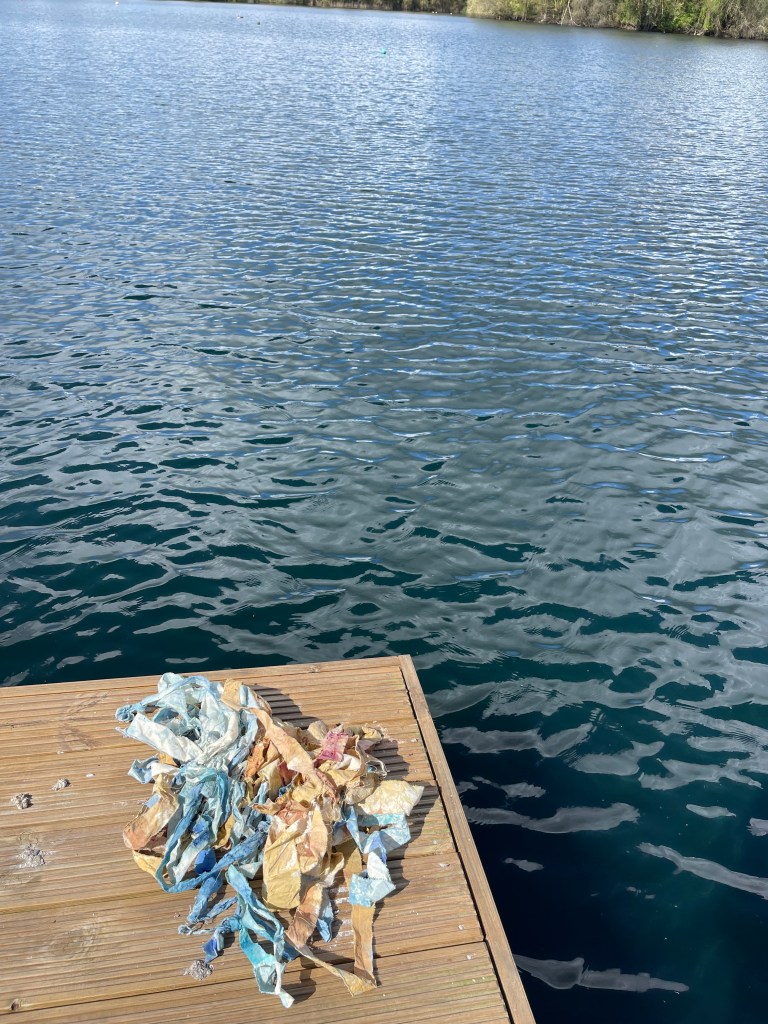
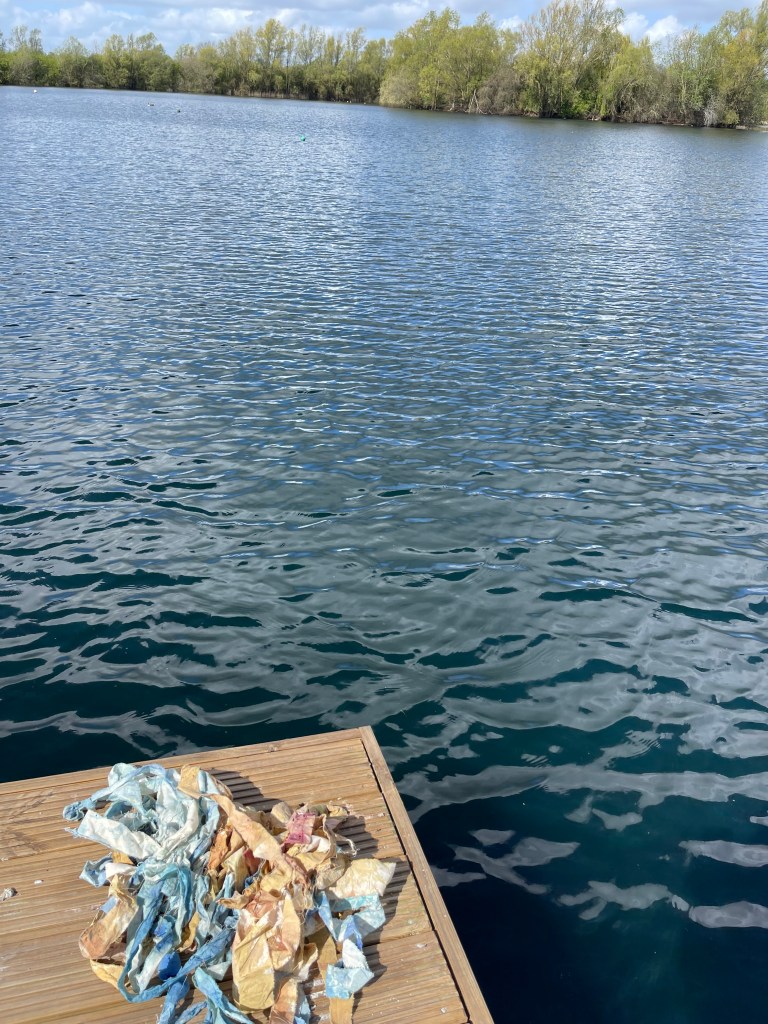
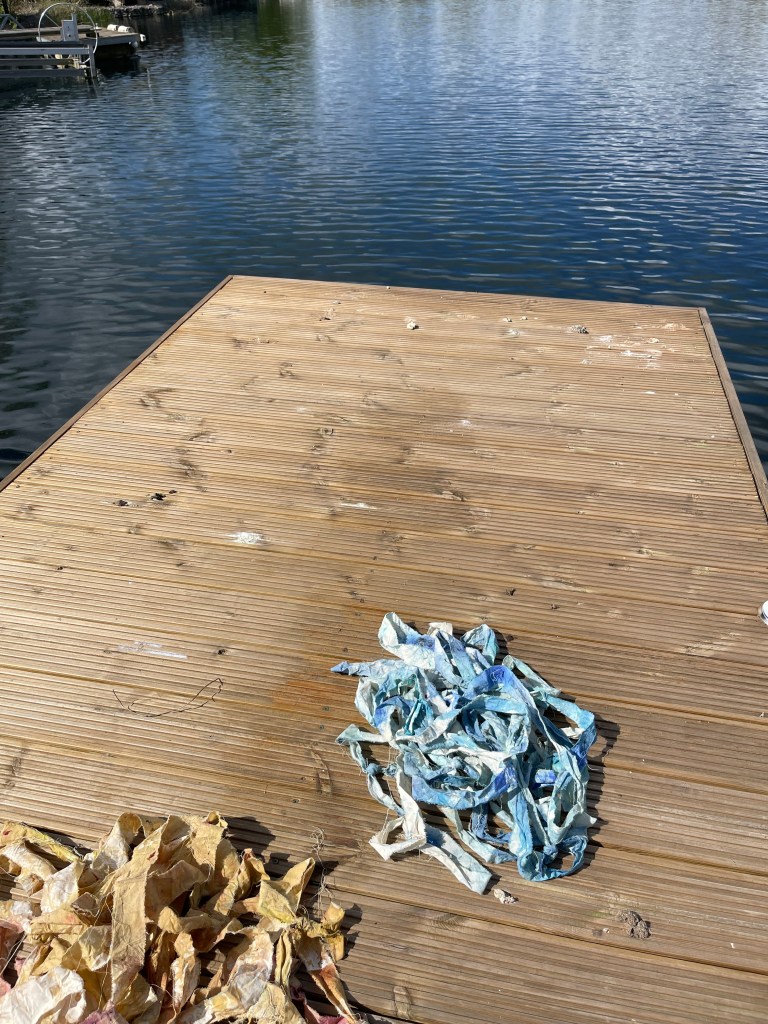
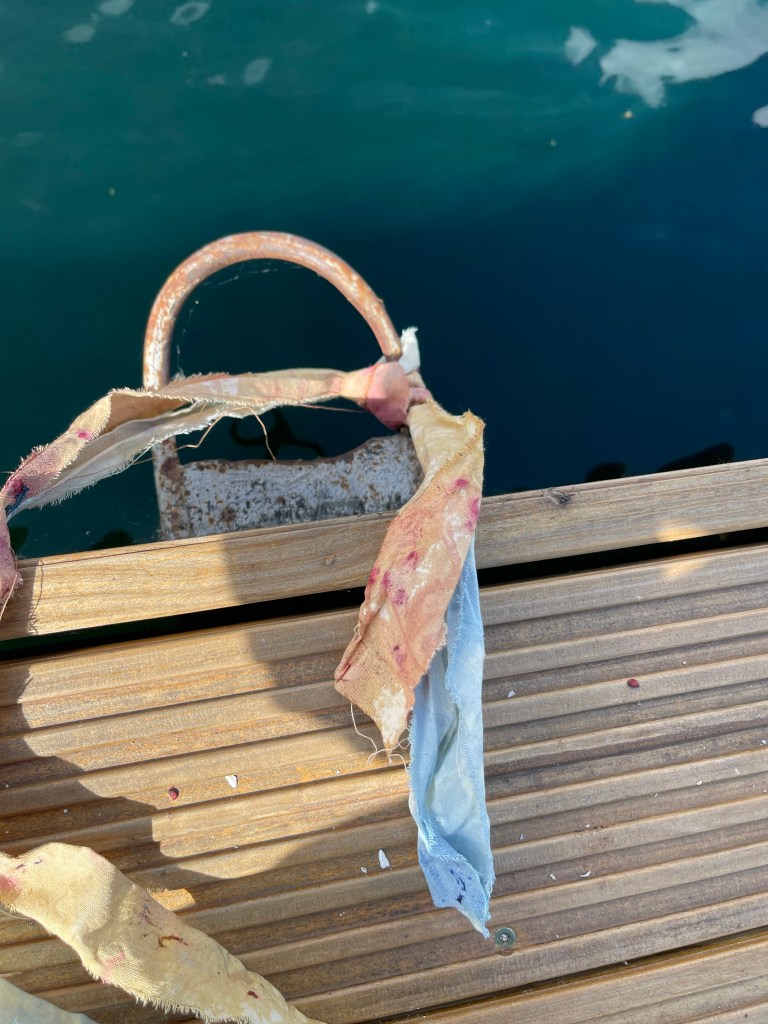
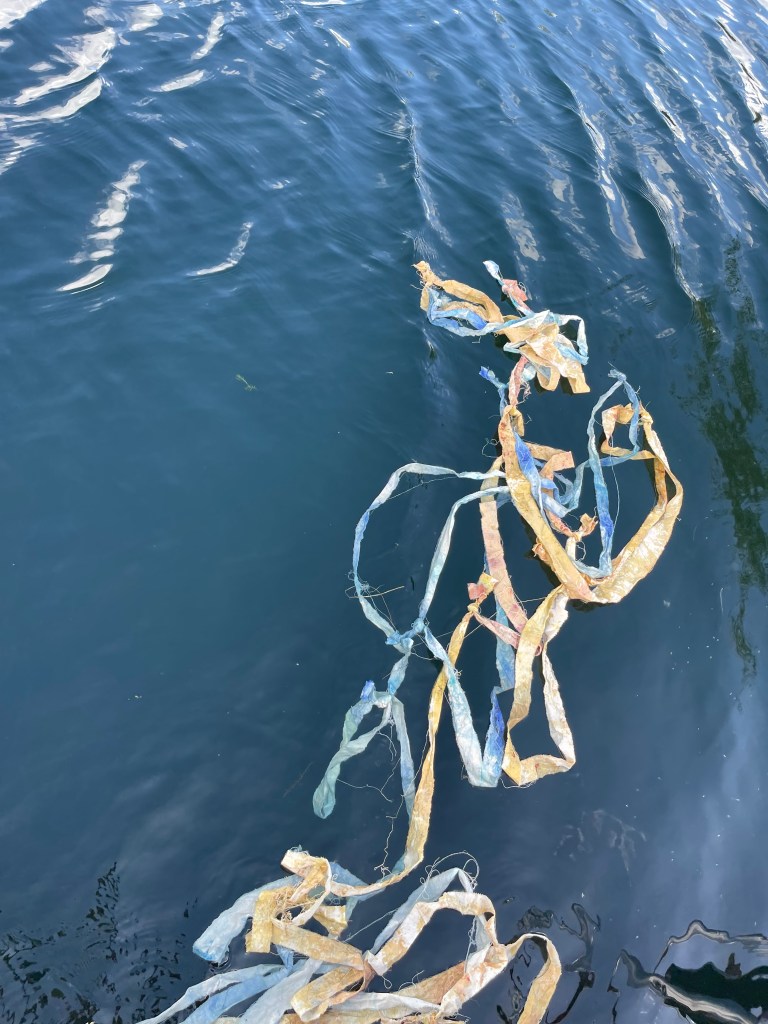
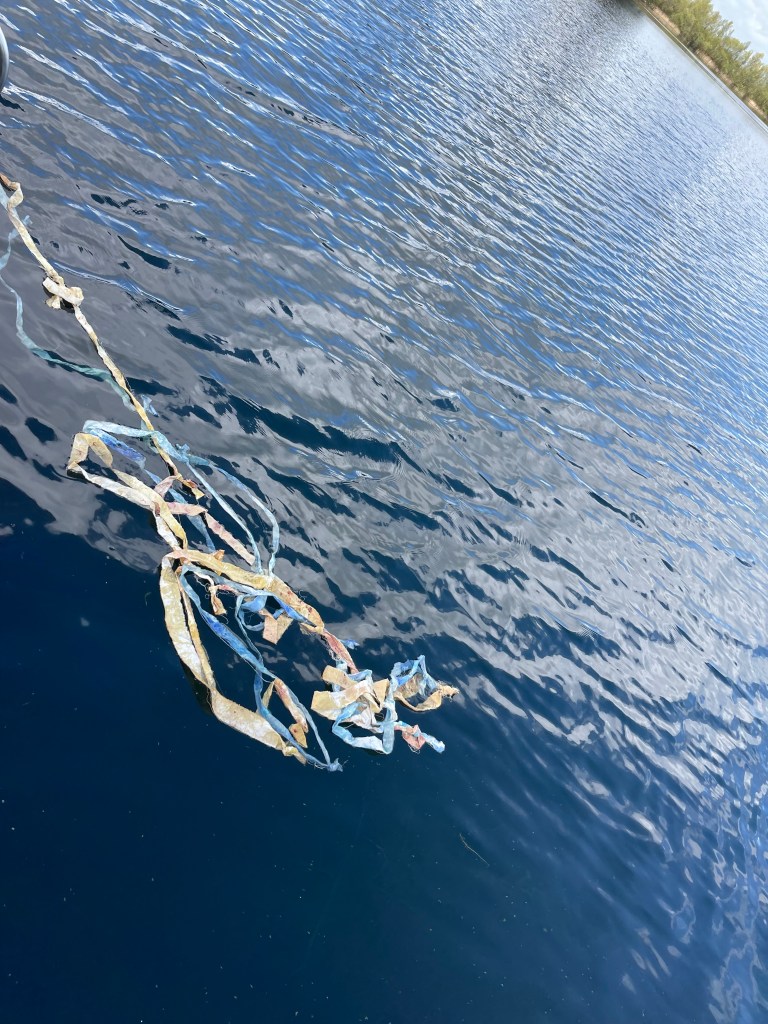
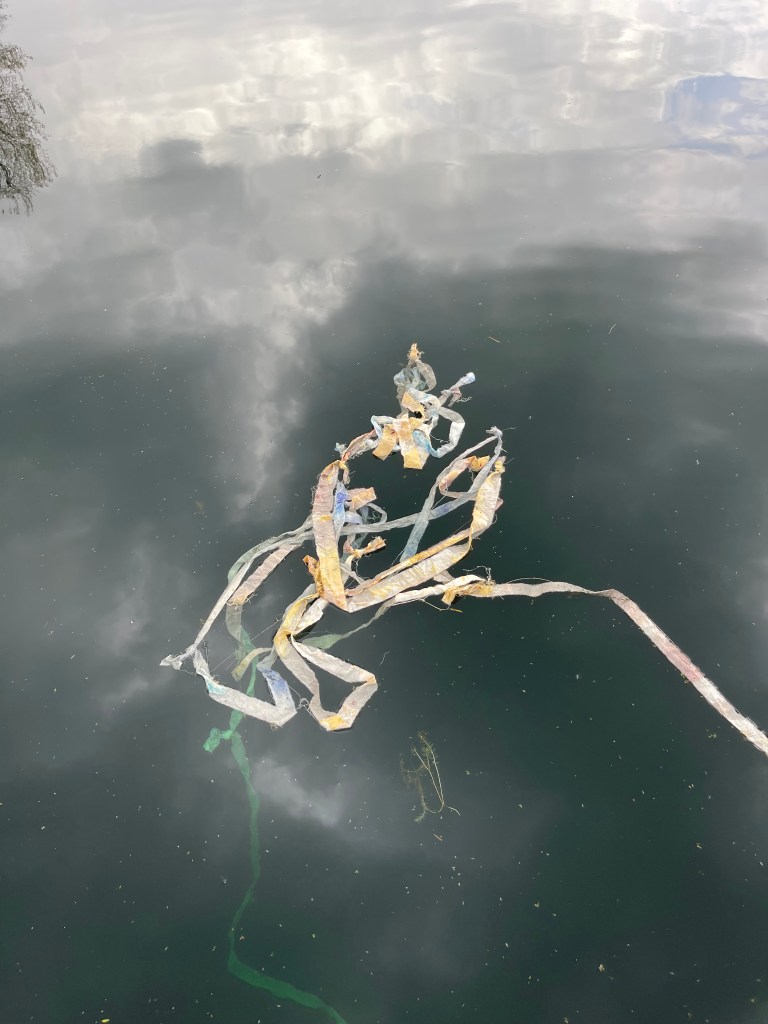
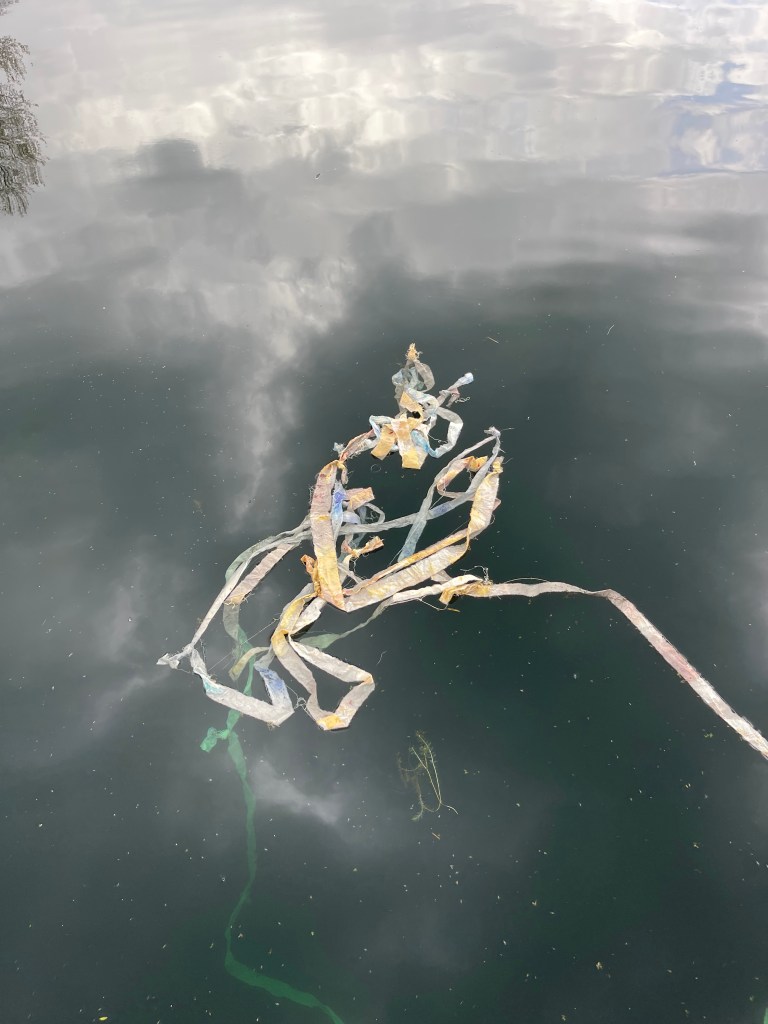
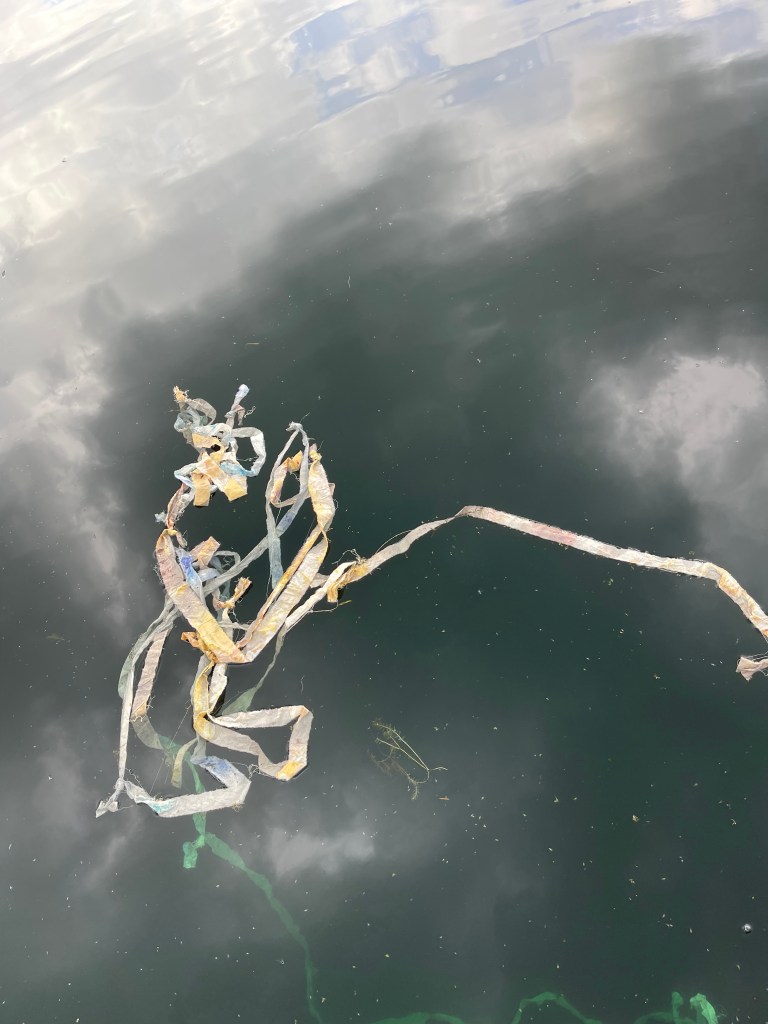
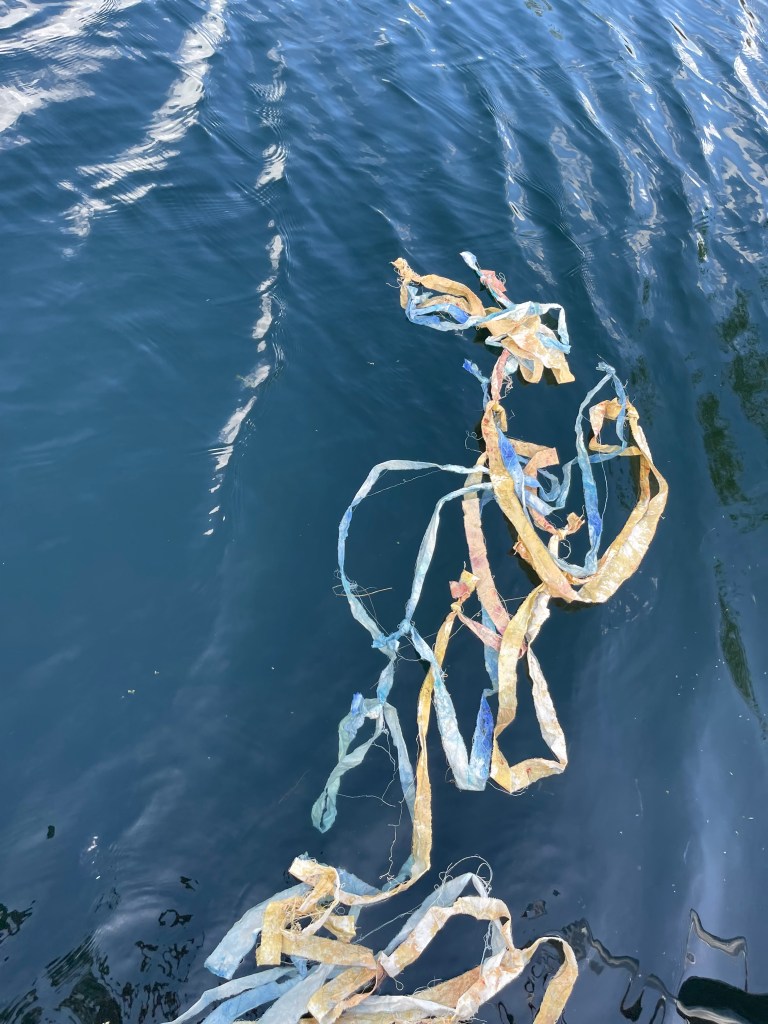
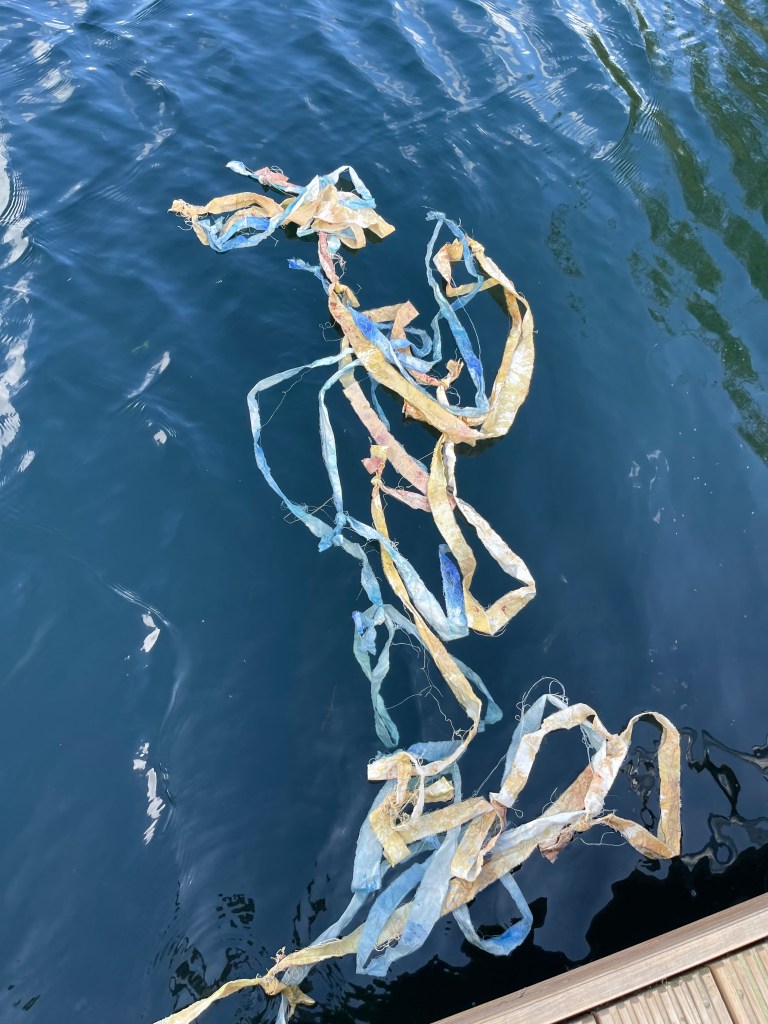
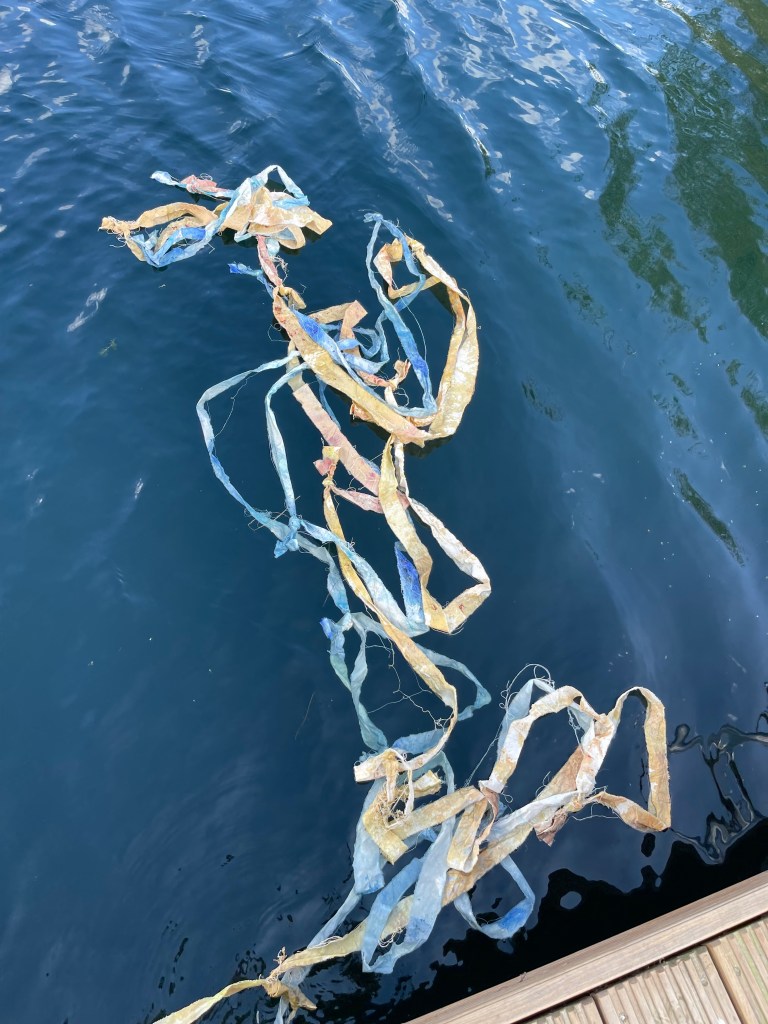
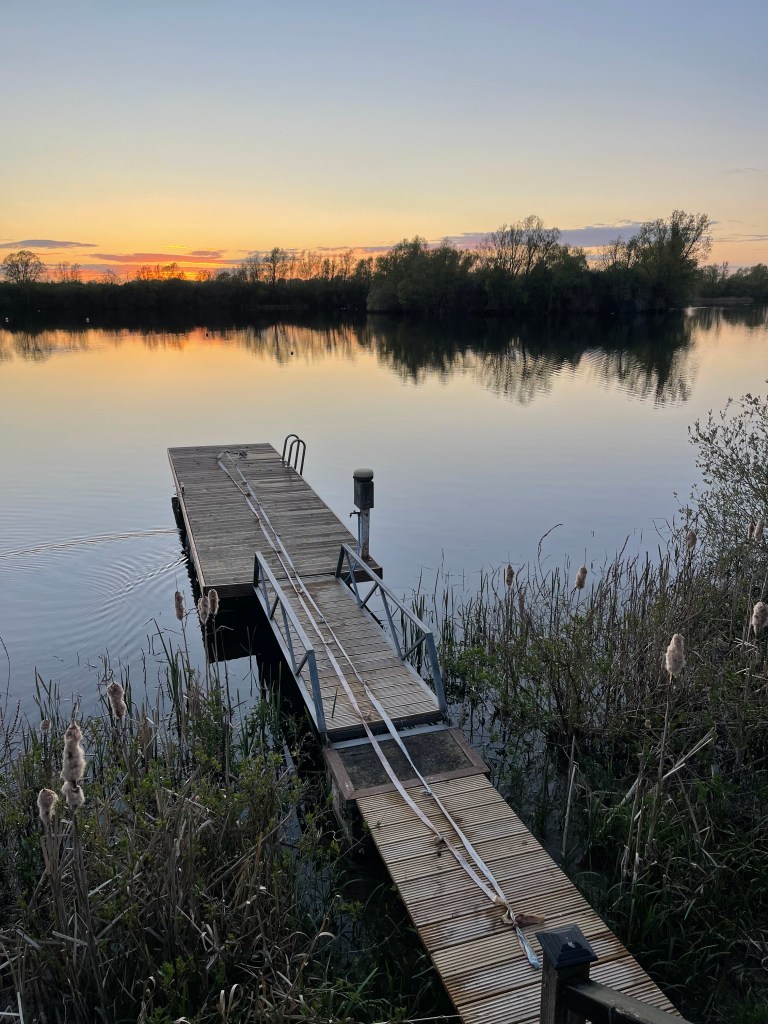
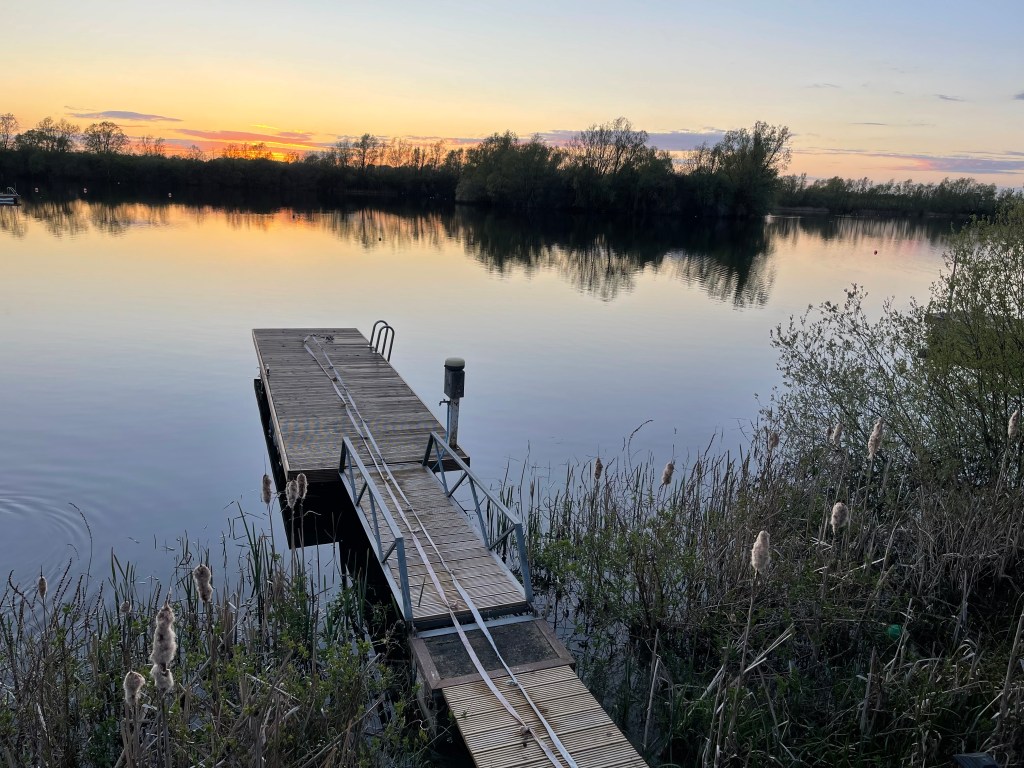
Above and Below
Unbleached cotton, found objects, watercolour ink, approximately 16 metres by 50 cm
Reflection.
Is an installation in the open water the right way forward for me? Is it the right information I am trying to covey within my practice? It must be true to me and not something that is just visibly pleasing to the viewer, although is this one of the objectives? Does the artwork have to ‘look good’ to be engaging?
The love/hate relationship I have with water is suggestive of a vunerability, resistance, risk and placement.
If I interact with the fabric in the water this is more suggestive of entanglement versus support, comfort versus threat, not staged, but something unresolved and uncomfortable. I need to be careful it’s not overly controlled, which is hard anyway because of the way the fabric behaves in the water. Does the fabric pull or wrap me? Is this where the installation becomes more physical rather than illustrative?
The fabric submerges, stains and disperses, documenting the process in alignment with a flood. Slow, inevitable and hard to fix. Fragments of fabric, asking the viewer to piece them together, pollution and flooding are never contained.
Making a short video this time was me trying an extended approach to what I have discussed with my tutor, making the work spatially present and documenting it, trying to capture the moments as the water distorts the material.
Next steps. Test me in the water with the fabric in a low pressure environment and document what happens, the unexpected weight, movement and discomfort. Respond to this rather than trying to pre-design the outcome, evolving the work from experience not expectation. The debris and found objects work well for me and as the seasons change hopefully different berries and colours can be found.
Above – Control, visibility, breath, surface, distance.
Below – Submersion, distortion, pressure, loss of clarity.
The work gets stronger if those states are felt as well as shown. These pieces aren’t equal and will both behave very differently, exploring the movement between them.
By joining Above and Below in the water illustrates the flooding and shouldn’t be done in a harmonious way but more as an illustration of collapsing boundaries. Below invades Above and Above fails to hold Below as Above is weaker.
Land Art
Emily Kame Kngwarreye
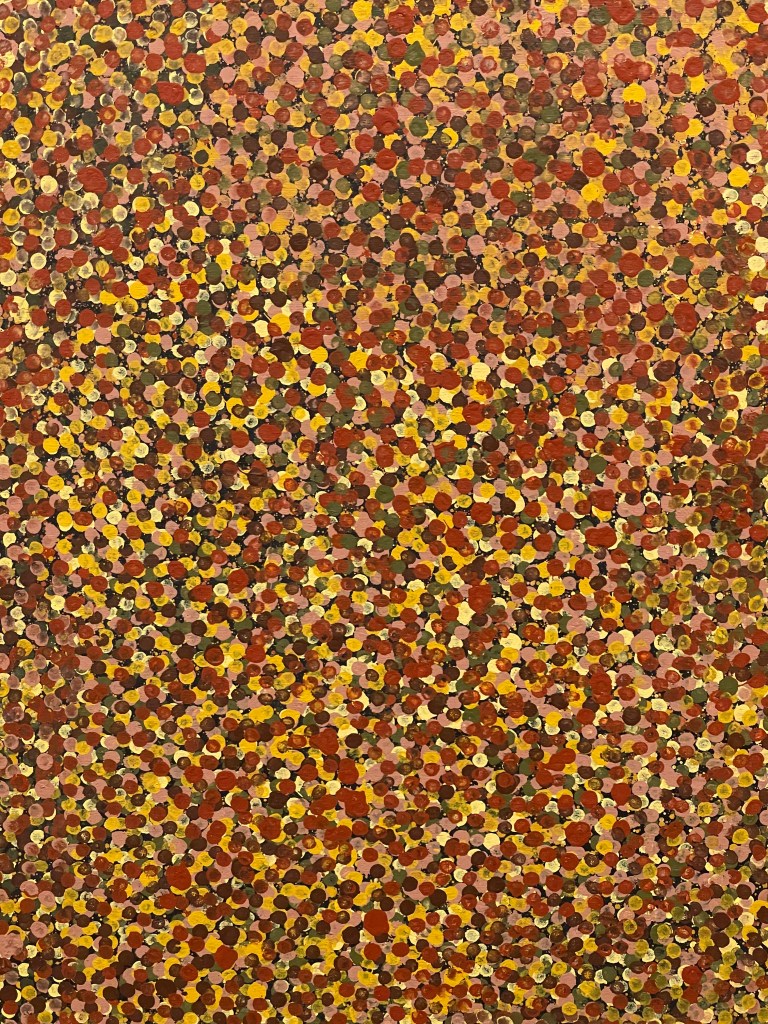
Emily Kame Kngwarreye. Untitled (Alhalker) – 1991 – Acrylics paint on canvas – ©Estate of Emily Kame Kngwarreye.
Emily Kame Kngwarreye‘s inspiring story. Her journey from Aboriginal Artist from the remote desert, to be celebrated with a solo exhibition at the Tate Modern (July 2025) is an extraordinary journey, a bitter sweet triumph, one that Kngwarreye never lived to witness, yet one that affirms her true enduring power and vision.
In part of the film shown in the gallery, the images merge the existing landscape with a painting of Kngwarreye’s, it looks like a drone shot which is then overlaid with her work. The merging seems to create a layered meaning, the physical geography we can see, versus the deeply embodied, ancestral ‘map’ in her mind. The juxtaposition could be emphasizing how her work isn’t about copying what’s in front of her eyes, but expressing a lived, remembered, and spiritually embedded relationship to the land.
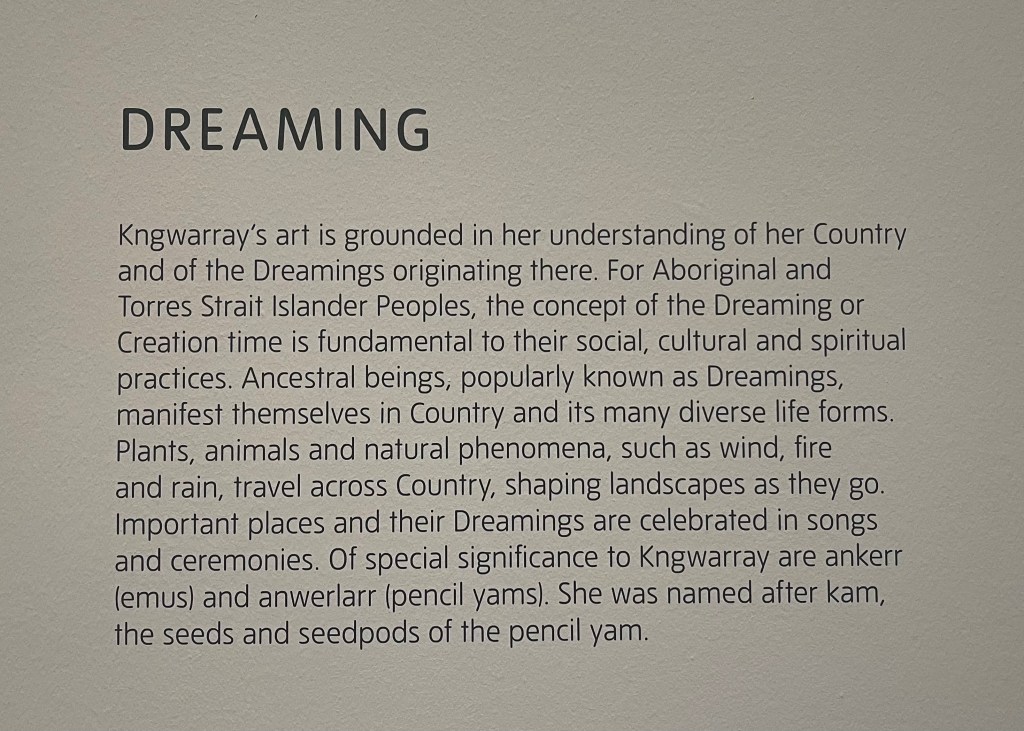
One of the most significant painters to emerge in the late 20th century, translated her lived experience and deep cultural connections to Country into vibrant batiks, and later monumental canvases. For Aboriginal and Torres Strait Islander Peoples, Country encompasses the lands, skies, and waters to which they are connected over countless generations—a shared place of spiritual, social, and geographical origins. Kngwarreye’s work embodies her intimate knowledge of the desert landscapes where she lived, layering motifs that reflect the plants, animals, and geological forms shaping these ecosystems.
It’s hard to overstate just how remarkable Emily Kame Kngwarreys’s trajectory was. She didn’t begin painting on canvas until her late 70’s, yet in under a decade she produced a body of work full of rich cultural knowledge and abstraction, illustrating the landscape, paired with her deep grounding in Anmatyerre culture.
Kngwarreye gained international recognition late in life and while she was celebrated in Australia the full global impact of her work came after her death.
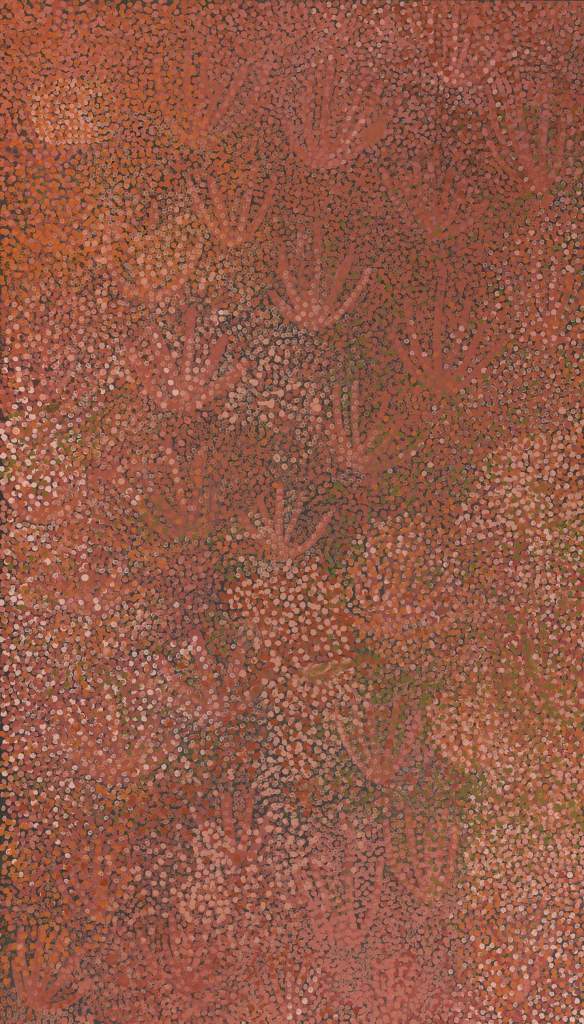
Emily Kame Kngwarreye – Anwerlarr (pencil yam) – 1990 – National Gallery of Australia – ©Estate of Emily Kame Kngwarreye.
Her densely dotted swirling canvases, the horizontal and vertical stripes referencing ceremonial body lines and her brush dab techniques in vivid layers, are representative of not only the surface but underneath the land too. Her work is quite something to see in real life and on such a large scale.
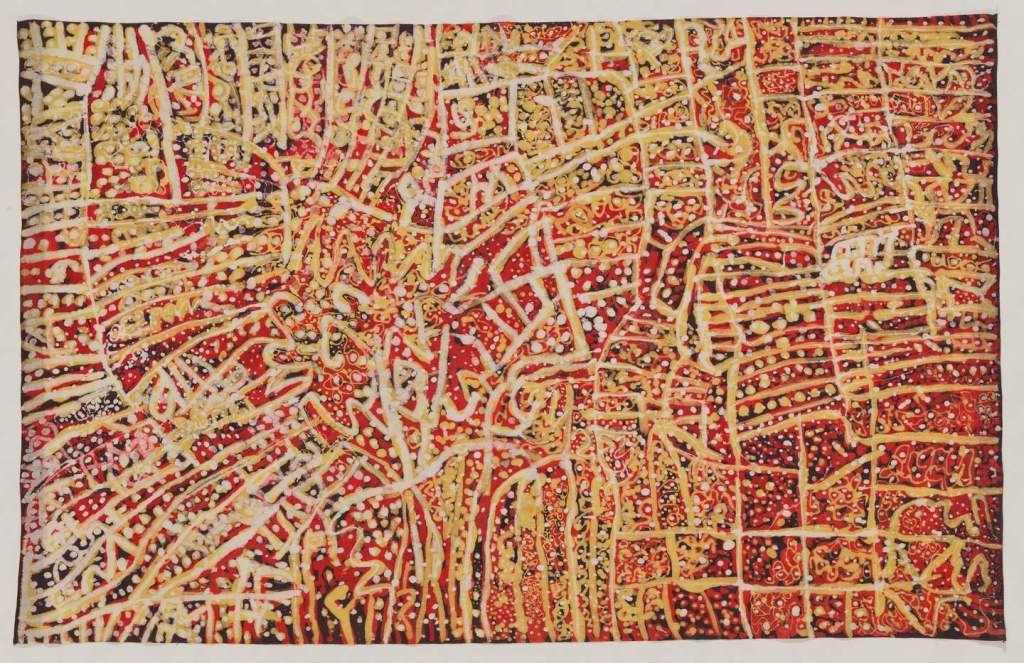
Emily Kame Kngwarreye – Not titled – 1981 – National Gallery of Australia – ©Estate of Emily Kame Kngwarreye.
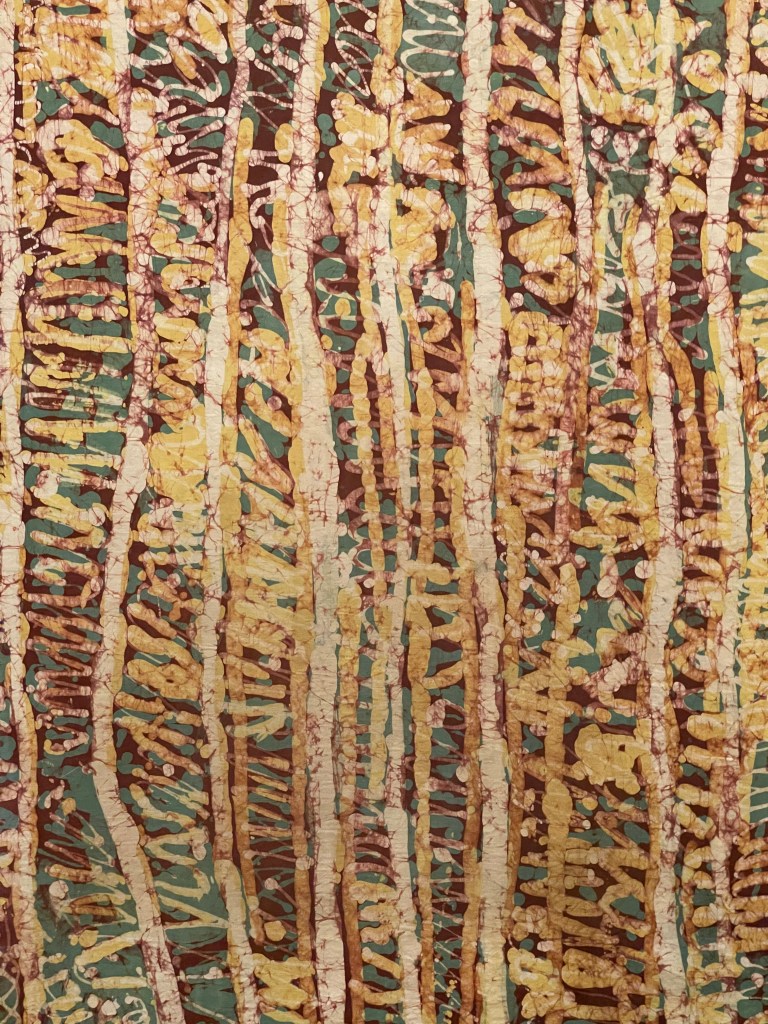
Emily Kame Kngwarreye – Untitled 1977 Batik on Cotton -©Estate of Emily Kame Kngwarreye.
Agnes Denes
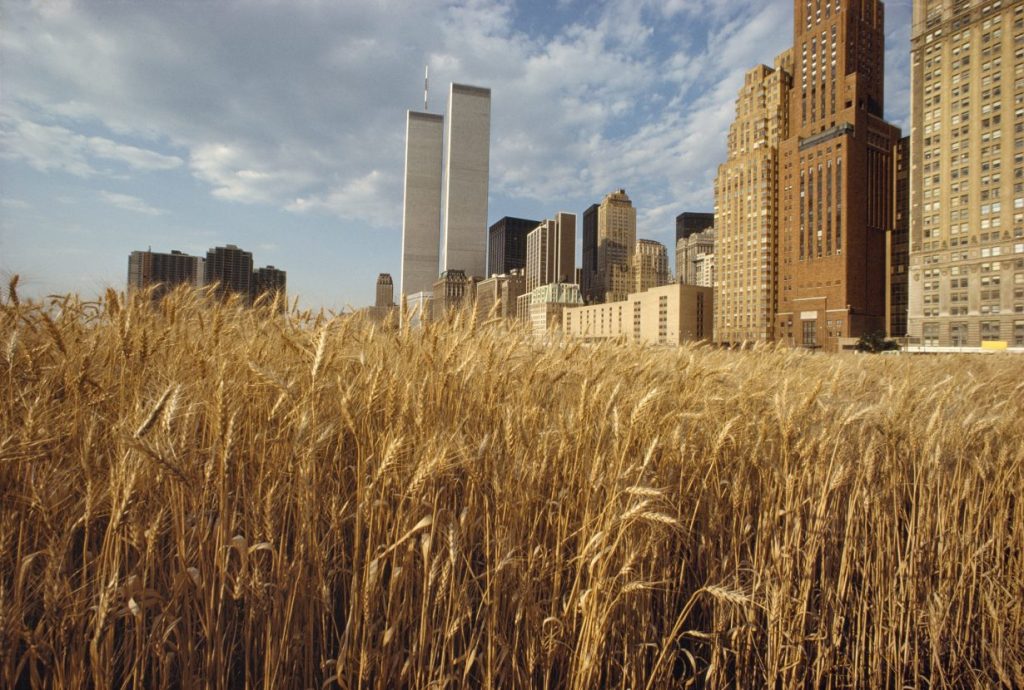
Agnes Denes, Wheatfield – A Confrontation: Battery Park Landfill, Downtown Manhattan – With New York Financial Center, 1982. © the artist. Courtesy Leslie Tonkonow Artworks + Projects, New York
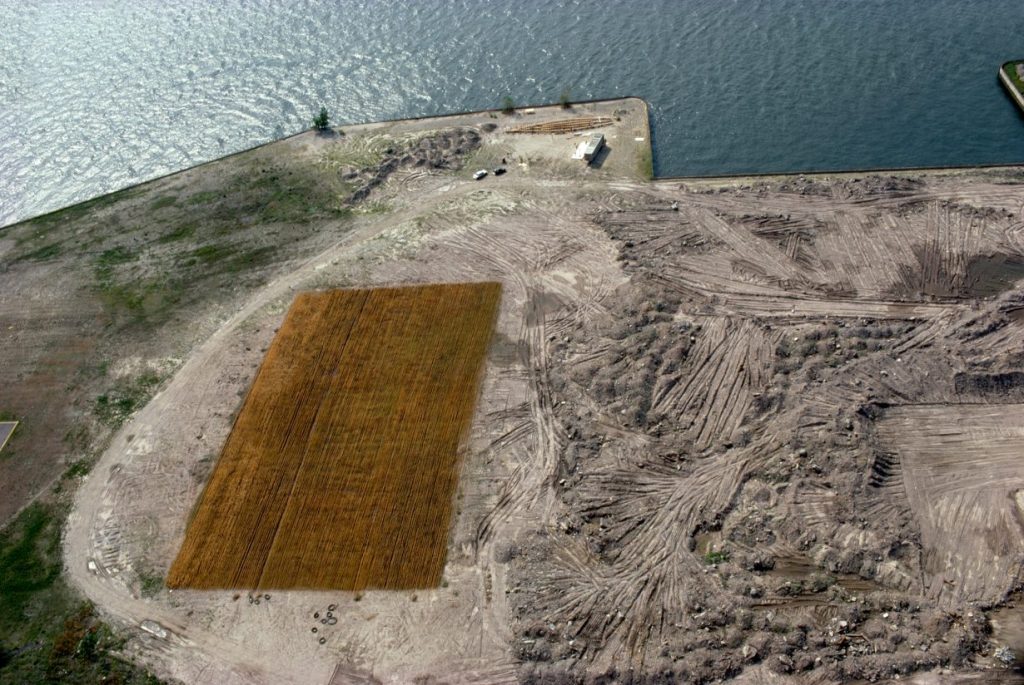
Wheatfield – A Confrontation: Battery Park Landfill, Downtown Manhattan, Aerial View, 1982. © the artist. Courtesy Leslie Tonkonow Artworks + Projects, New York
Planting and harvesting a field of wheat on the Battery Park Landhill, Manhattan in the summer of 1982 created a powerful paradox. The land at the time was worth $4.5 billion. Two blocks from Wall Street and what was then the World Trade Centre. Facing the Statue of Liberty, the hand sown wheat field was a symbol, a universal concept, referring to miss management, waste, world hunger, and ecological concerns.
The installation called the attention to misplaced priorities. The harvested grain travelled to 28 cities, in an exhibition called “The International Art Show for the End of World Hunger” organised by the Minnesota Museum of Art 1987-90.
How desperately sad that here we are nearly 40 years later and these problems still haven’t been resolved, Could it be said it’s worse?
The concerns raised here were of human values, our quality of life and the future of humanity. These notes were researched from Denes’ website before 9/11.
Where does ‘Wheatfield’ sit in today’s art world? Probably in a remarkably poignant position, not dated, quite the opposite, it has become more central, legible and arguable more urgent than when it was first created.
These themes are no longer marginal, but major in contemporary art, climate change and sustainability.
Peer feedback:
One.
It’s great to see the process you use in your photographs that document this really well.
I love the ripped lengths of fabric as this are reminiscent of weed growth underwater and grasses and bull rushes above.
I love the wind blowing the fabric strips above as you handle them. The noise/ sound is great too! I would have like to see a longer video of this exploration. Could you cane strips at different heights to blow in the wind on the lakes’ edge? The canes would be representative of the straight tall stalks of the bullrushes. Alternatively, and a bit dramatic – could you make a kite like structure perhaps from the natural twigs etc you find as a framework and them tie the fabric strips to those and let them blow around above the lake?
The strips on the surface with the clouds reflectively are very effective. In the video it’s a shame that there isn’t more flow – I know you don’t’ get this in a lake but I would have loved to see the fabric strips twist and turn and get smashed against rocks and completely submerged then surface like they would if they flowed in a river down a stream to ensure that they weren’t lost by attaching fishing line to them so they could be removed from the water once your installation/event is complete.
Alternatively, perhaps you could weigh the fabric strips down using stones as weights and sink them to the bottom in the shallows so they would wave like weeds?
What would happen if you filmed at the side of the lake first strips dancing in the wind, then you could simulate the rising water/flood wave by chucking buckets of river water over them and then film them slowly submerging to suggest rising water and finally floating off and submerging under the water. You could tie the sections together and make a short film with voice over. The viewer would understand your concept then.
The tangle of above and below photograph in the water is excellent. I love the idea that in your words’ Below invades Above and Above fails to hold Below as Above is weaker.’
I particularly like the photographs of the strips submerged and the grey sky reflected on the surface.
I love Tina Marais, The Flow of Micro-Plastics, 2021. 1m x 61cm x 61cm (3½’ x 2′ x 2′). Hand stitch, hand binding. Hand dyed Lycra, spandex, reclaimed buttons, bottle caps.
Could you tie in found objects to make bubbles in your strips of fabric similar to how the artist above uses found buttons ? Perhaps this idea is a bit off track, I’m not sure.
Great work Viv, I’m not sure any of my ideas will help.
Two.
I really like your concept/subject & I think it is an interesting subject for your audience. You explain it clearly and well. I was however not sure if I was watching your process or whether the videos/photographs were the final site specific installation/ ‘art work’? And maybe it is both…
I know you are not sure about your direction – I have been there! One thing I would say is focus on what you enjoy.
I have looked at your videos and photos twice – once reading the blurb & once without. I think when you have an exhibition, you may need to cut back on explanations to a simple overview – then you need to think how the work stacks up…
With regards the work, my feedback is actually some questions for reflection:
– If you decide to get in the water yourself & get videoed etc, does this then become a performance piece? (à la Francis Alÿs and his ice?) Is that of interest to you?
– If you are going for a site specific installation, think about scale (à la Chiara Shiota & Threads of Life) Again I have been there, scale was needed for impact etc…or how else can you get impact? It could be colour, weeds, whatever…
– Are the videos/ photos the final ‘art work’ ? Olaf Eliasson used photos for the deteriorating icebergs…For me, the videos were individually a bit short to be the final work or could be expanded on… the photos were interesting & perhaps there is something to do with them? Arrangement/collage or other possibilities…?
– Are the pieces of cloth the ‘final work’? Would you like them to be? How can you develop them/use them? How can they become the work and how would you display them in your exhibition?
Perhaps you want all of the above? or some..?
Three.
I absolutely love your project ‘above and below’ and it was really nice to see the whole thing (so far). I have jotted down a few notes that may be of help to your peer feedback!
– Really well documented. The photos and videos are immersive and striking, drawing you in to this place that merges the river and the land.
– There is a Goldsworthy feel to the work in how the viewer experiences the piece through photography and video. Process is important and there is a sense of temporality to the final piece.
– I love the printed fabric that uses debris and found objects as it blurs the boundaries between land and river. This draws attention to the constant flux that occurs on the river’s edge that is connected to the wider weather, seasonal shifts and climate change.
– I absolutely adore the images of the strips of fabric that are laid onto the surface of the water. For me, this was visually very striking for a few reasons. The surface becomes a visible thing – What is the surface? Is it above? Below? Both? Neither? There is an element of the surface catching the fabric and becoming the canvas creating some beautiful abstract images/drawings. These images become almost otherworldly, particularly when the clouds are reflected on the surface. In these photos, the water seems to disappear and the fabric pattern looks as though it is floating – neither on the water or the land.
– This project feels really exciting. You are really bringing awareness to the living, breathing, fluctuating, temporal nature of the river and the land around it. It is great to see the processes involved. You are talking about filming yourself interacting with the fabric in the water. I am intrigued how the documentation of this will stir new responses. Will there be something to say about the human influence on the above and the below? The wider human impact upon the natural states of the river and its ecosystems?
I hope that helps! I tend to ramble sometimes. Have confidence in what you are doing because your project looks really exciting and a unique way of exploring your subject matter.
Four.
– You used colours to enhance the ideas of above versus below (blue v yellow if I remember) – so does it feel right to you to introduce colour signalling into the work to make it obviously above and below? Personally, I’d say not to use colour and let the environment be the colour maker.
– The videos seem rather short, and I don’t really get time to settle into how a piece is interacting with the water. Is this intentional, to create a ‘glimpse’ / fleeting effect?
– The photos are all situated from the above realm, and none from below. This could suggest your fear of the below – or it’s too flipping cold to film underwater.
– I remember thinking while reading your earlier blogs that it would be really interesting if it were in a diary format – a standard date / time, and weather conditions report, for your outside experiments – against your blog photos. I think this would elevate the formal research aspect of your work.
Five.
Your artwork explores a strong connection between material, body, and environment, with the fabric shaped by water, land, and weather. The balance between control and letting go creates tension, especially through your interaction with the fabric and your mixed feelings about water. The work is most powerful when the material changes naturally—staining, breaking down, and absorbing the environment.
There is an effective sense of ambiguity, as the fabric can feel both peaceful and threatening, highlighting a contrast between beauty and contamination. Your approach to filming, keeping it close and immersive, supports the work’s physical and emotional experience.
To develop it further, you could clarify the idea of “above” and “below” by focusing on how the fabric behaves differently in air and water. Overall, the work is thoughtful and engaging, with process and environment playing a key role in its meaning.
Also, I absolutely love Andy Goldsworthy, and I can see your work as a little bit similar; the only difference is that you need to be brave enough to go for bigger-scale work if you have the capacity, energy, and time. Great work, keep it up.
Six.
Firstly, WOW!
I’m not sure that I had ever really considered the physicality of your creative process and I absolutely love this project. The first image is such a beautifully balanced composition that draws me from one side to the other, there is a wonderful balance of reflective light and colour on water (left side) to the darker more chaotic and tangled imagery of the coloured fabric (right side). I am immediately engaged within the rich layers of its texture and depth that takes my gaze beyond the surface of the canvas, deeper into the work. Some of the tangled and loose threads imagery reminded me of Ernst Haeckel – Art Forms in Nature.
The images that follow this main image, not only shows us your own engagement with your work, some of which look like incredible sculptural forms which reminded me of the many different natural fungi we get up here in Scotland. Alongside the addition of liquid colour, there is for me a wonderful visual dichotomy between wild nature and human debris, how things can appear on the surface often belies what is hidden beneath – still waters run deep.
The video shorts allow me to enter your world and through these I can see your intentions, as you say ‘working towards being outwardly facing, the work shifting from a private exploration towards an environmental communication.’ and your work as always delivers a strong and powerful narrative that invites conversation and thought. In the water the fabric takes on differing dimensions, part organic as it becomes more and more entangled and yet for me also part sponge drawing out the debri and human contamination, like a plaster on the surface of the skin.
In your reflection you write, ‘Does the fabric pull or wrap me?’ For me it does both, as a viewer I want to look, but then I don’t want to know about the destructive nature of climate change, fear versus education, control and chaos.
Viv, the way you have documented your process is a powerful testament in your ability to engage as an artist, not only with its incredible narrative and fragility but the awareness it brings to the vunerability of not only the planet, but us.
Thank you so much for sharing your work.
Seven.
Firstly, the idea to create the different coloured materials was inspired as it helped emphasis the land and water. The long ribbons floating in the water produced a gentle rhythm. They reminded me of both weeds that can be found at the waters edge, but also pollution; rubbish that can be trapped in reeds.
Did you consider submerging the larger sheets before cutting them into ribbons to see how they would respond in the water? Larger sheets might emphasise the dangers and threat of the water.
I note that in your reflection you discuss entering the water with the fabric. I know that you have reservations about whether this is a direction you want to go. Personally, I think it would be really interesting to see. If you allowed yourself to get entangled with the fabric, this perhaps might reflect how you felt trapped when the floods came?? It might be a really enjoyable afternoon for you (but make sure you have someone with you  )
)
After this though, I am not sure where this could go next – you probably have tons of ideas, I am not very good a conceptual art as you know…
This is completely unrelated but, I remember all your beautiful colourful orchid works you did some time ago and how much you loved them. Have you considered doing something like that as a side project, perhaps using plants that can be found on the water’s edge as a reference? That way, if you feel you are being pulled in a direction you are not sure you want to go, you still have other work that you love making and is still relevant to your body of work. Just a thought.
Anyway, beautiful work.
Eight.
This is so exciting! It feels like a departure and a sense of deeper connection with your subject. I really like the juxtaposition of the above and below and also the beautiful movement of the threads of fabric in the water. I like that you have taken the water onto the land and all that means. For me, it feels like a struggle you’re having with the river – A conversation. A communication. I like the use of found objects and a recording of marks. There is a sense of give and take.
It will be interesting to see where this leads!
Nine.
Firstly, as you are already aware your project is growing considerably and pulling you in many ways – I feel the same with my work – and my instinct at this stage is to let it pull you here and there and see where it goes.
Yes, we have to ground ourselves sometimes and reach some type of conclusion for each course unit BUT it does not have to be the conclusion of what we want personally for our investigations/work.
I wrote the following notes a bit haphazardly – hope you can understand them:
I think there is a call for final work/s to be displayed as a combination of video, photo and final resulting work pieces displayed on large walls and screens – large scale photos would of course require the help of a photographer with a camera capable of high resolution – not sure how big one could print an Iphone image?
Use of photos/videos headlines in a presentation (would require permission) to show flooding horror and fear – fast running water noise/storm
Use of photos/videos with you in open water with others (or dogs) to produce a contrast – a calming quiet environment – this could alternatively be danger, alone, fear of open spaces.
Contrasting the two ideas above in a combined video
I always remember Fiona Banner’s Jaguar jet hung upside down in the Tate Gallery – captured as a prize/tamed – I wonder if an object like a drowned/flooded washing machine, sofa, refrigerator etc could be used in a gallery environment – destroyed, captured and restored as evidence of the environmental action. (I first thought of a car – like Damien Hirst’s Cow!)
You mention in your comments “not staged” I believe what you are doing – perhaps resisting – is an ambitious mix of installation (presentation of all forms of your work) and performance (video) – This is very powerful and growing – and well worth pursuing.
I see your intervention as “engaging and becoming part of the natural processes – not interrupting it”
Art makes the visible, invisible.
Finally:
Wind in the videos produces a noise that is welcome and signals the danger/disruption – could be mixed with a flood alarm or flood warning alert from social media or radio//tv
Water noise – calming in contrast to the wind – also sinister a person below the water cannot be heard/seen – danger//drowning (this could be part of the PULL)
WRAPPING of the work around you (or something) could represent comfort and warming, but can also represent a strangling, loss of control, restraint, to disruption and alarm.
References:
https://www.tate.org.uk/whats-on/tate-modern/emily-kam-kngwarray Exhibition visited 14th July 2025.
https://news.artnet.com/market/emily-kam-kngwarray-appraisal-art-market-2623857 Article written by Eileen Kinsella on March 29, 2025.
Accessed 20th April 2026.
Accessed 20th April 2026.
Accessed 20th April 2026.
https://artreview.com/youre-missing-the-point-of-agnes-denes-wheatfield-feature-amber-husain/
Accessed 20th April 2026.
http://www.agnesdenesstudio.com/ Accessed 20th April 2026.
https://artreview.com/artist/agnes-denes/?year=2023
Accessed 20th April 2026.


