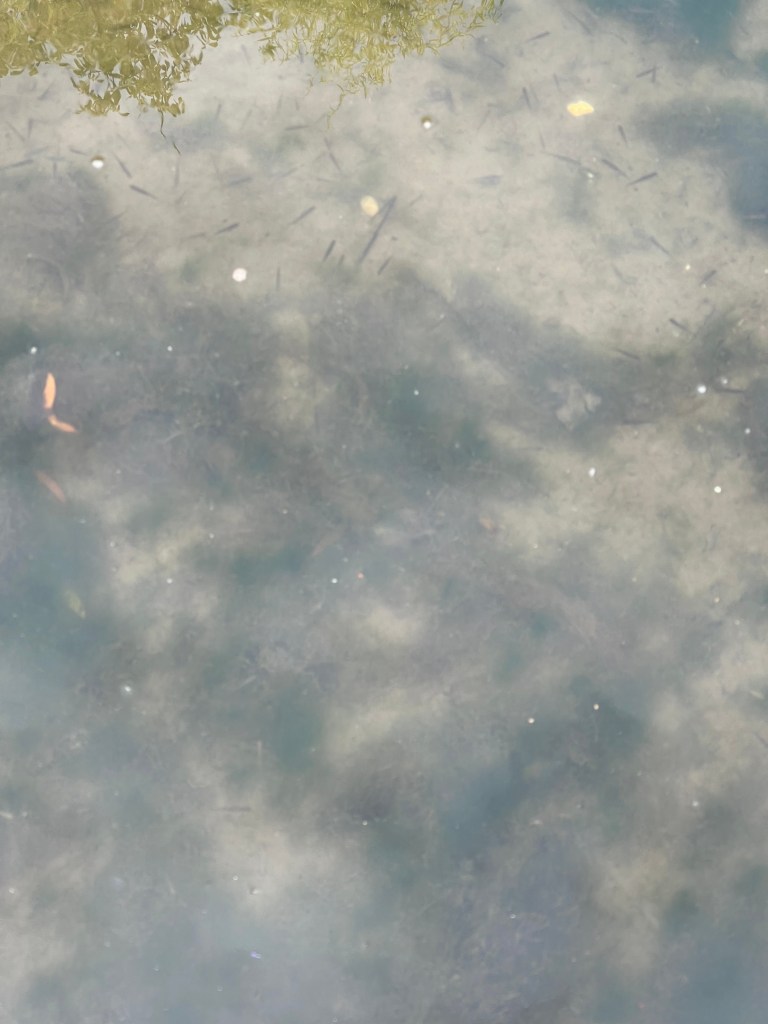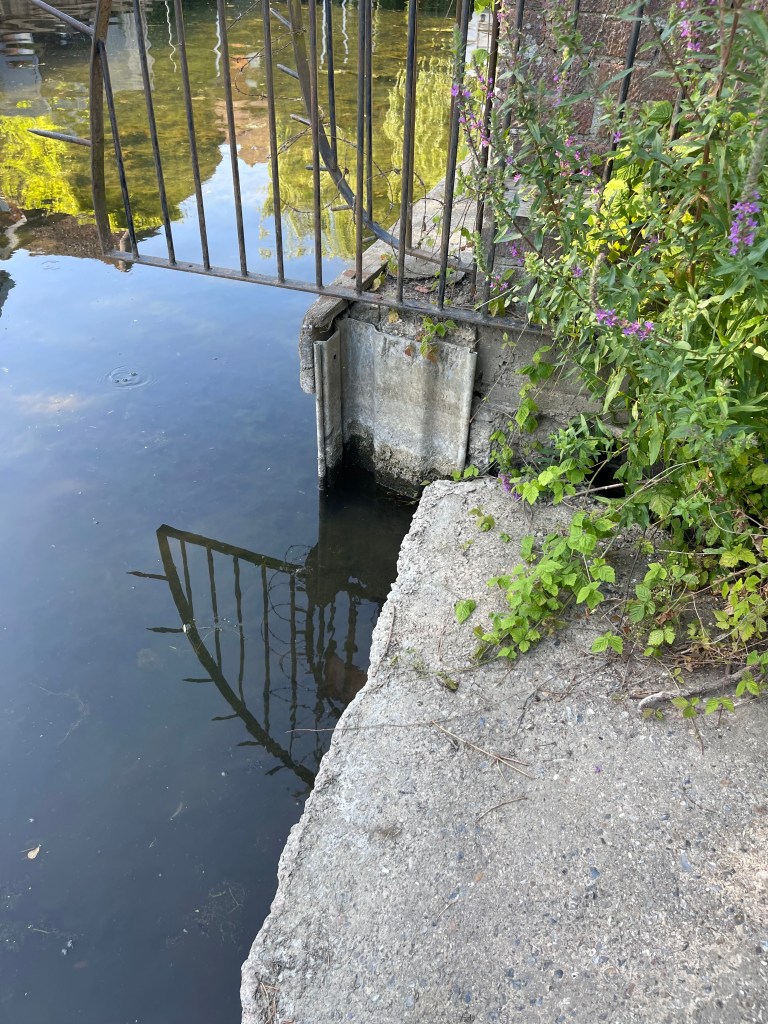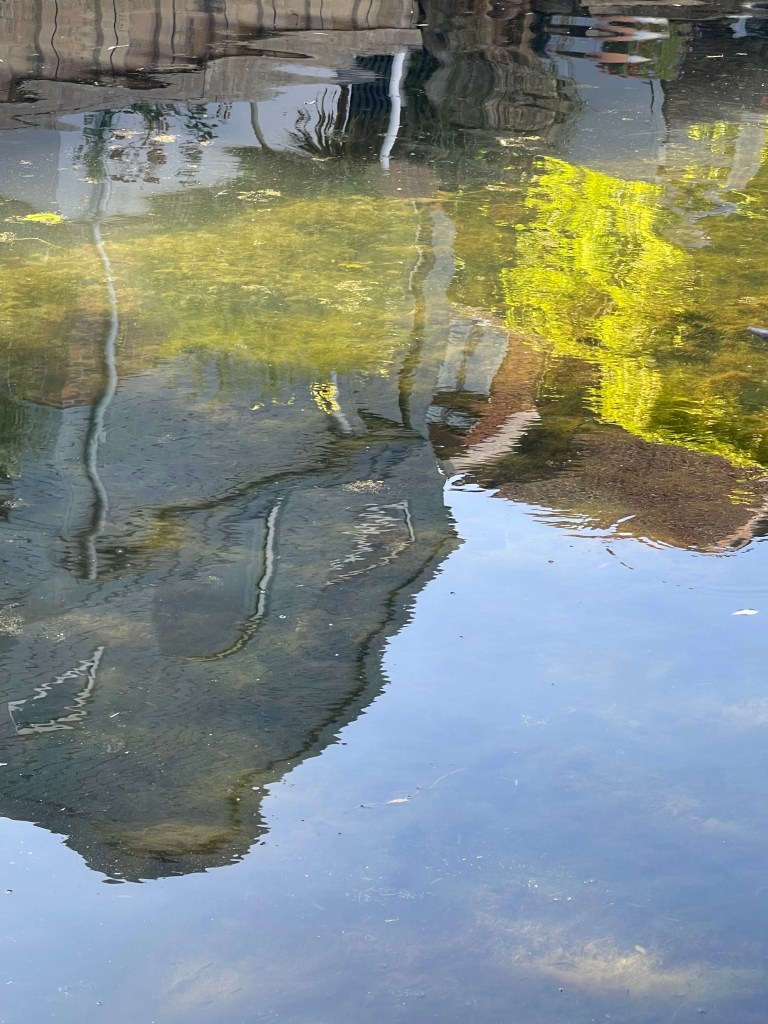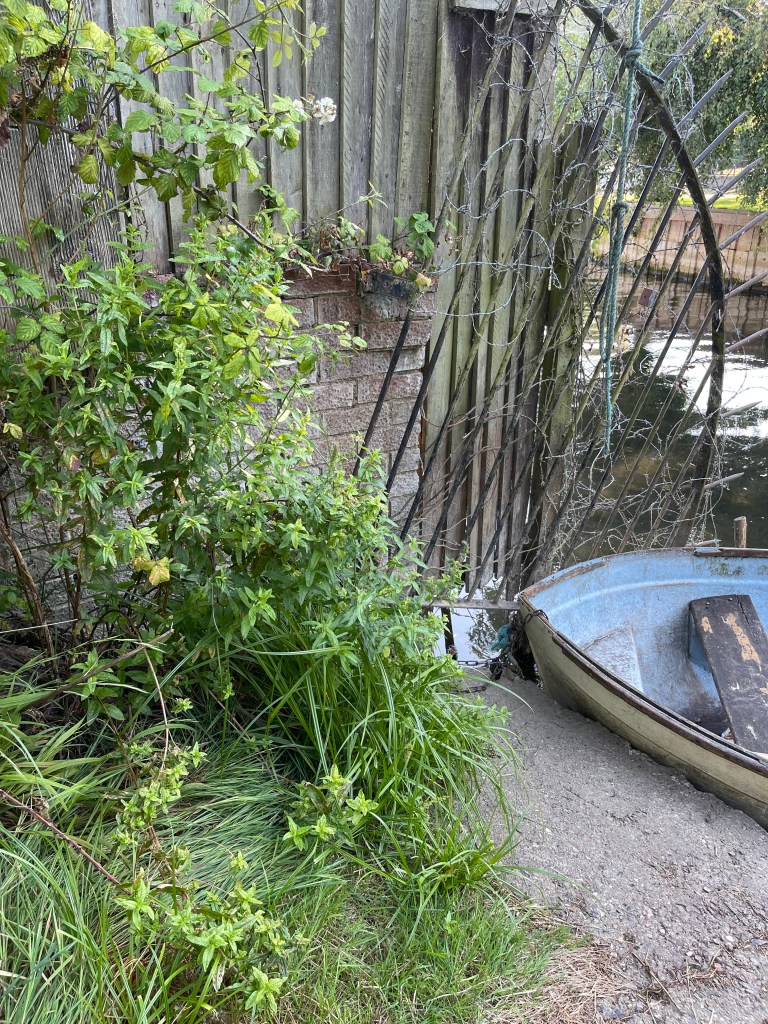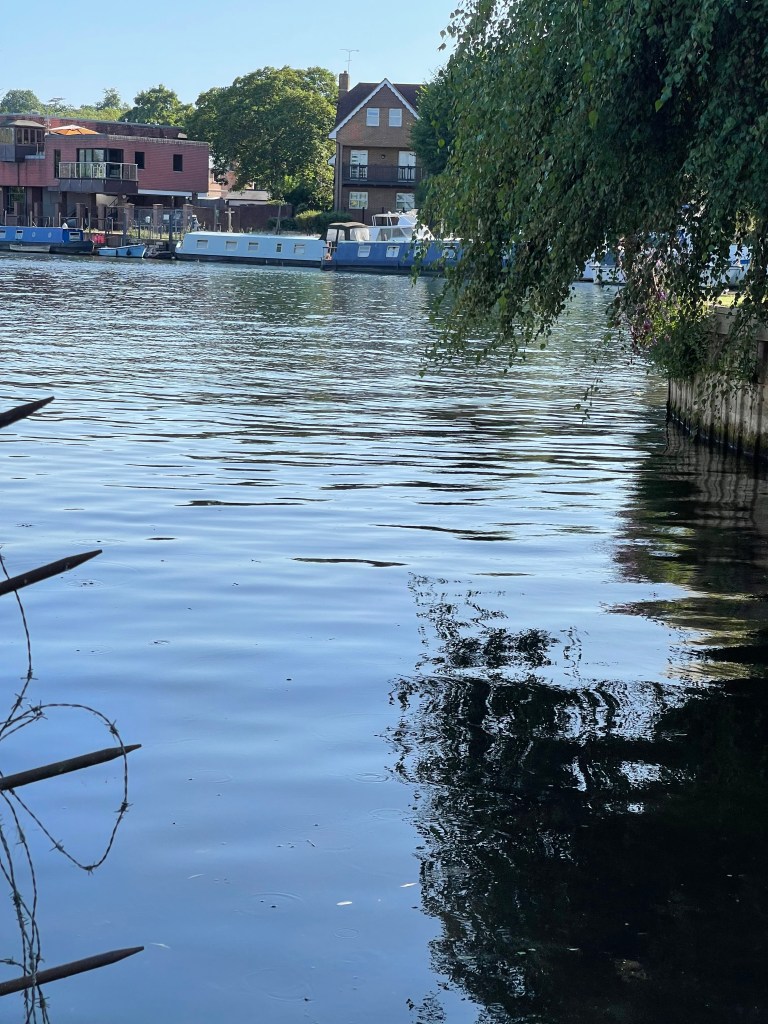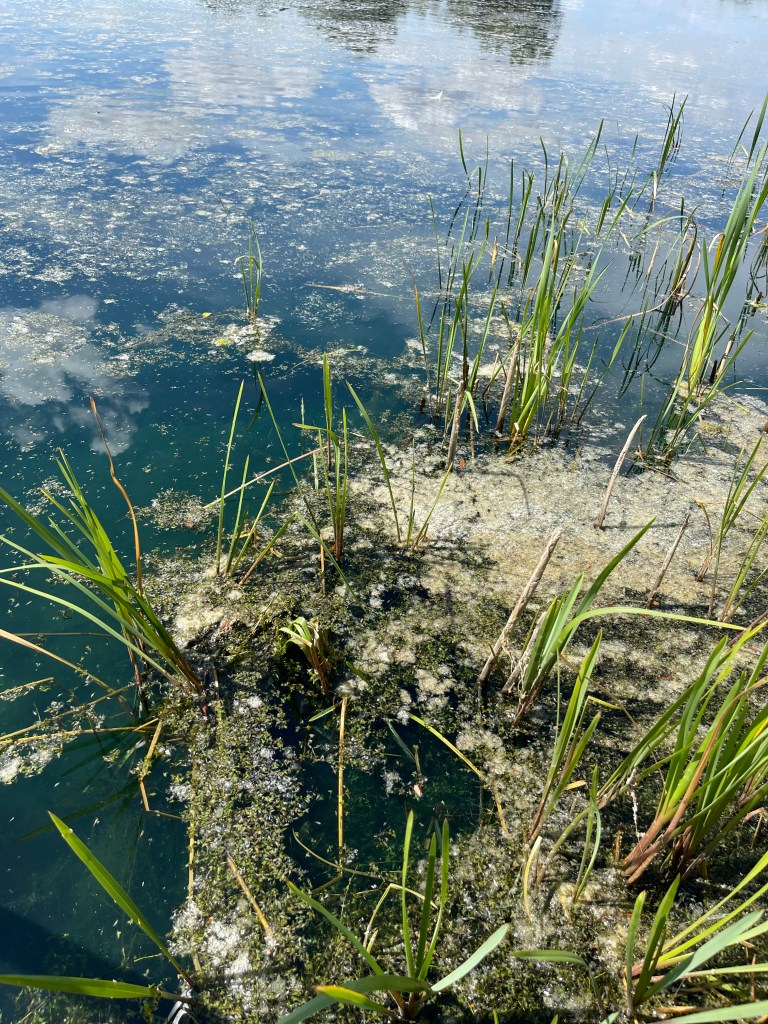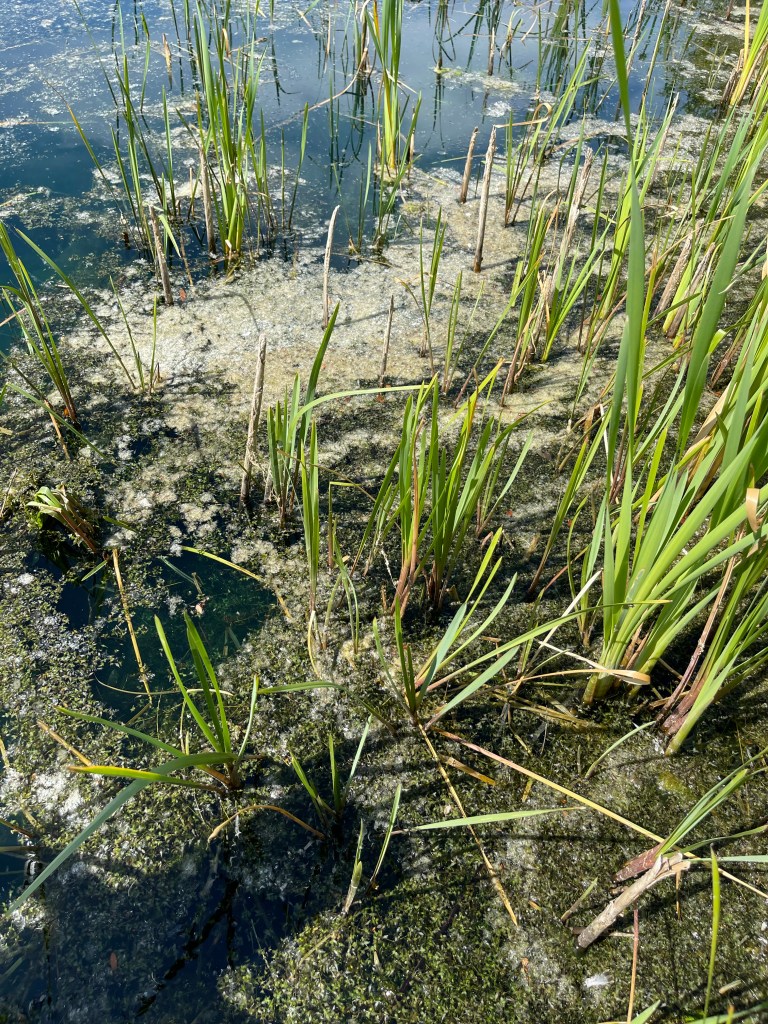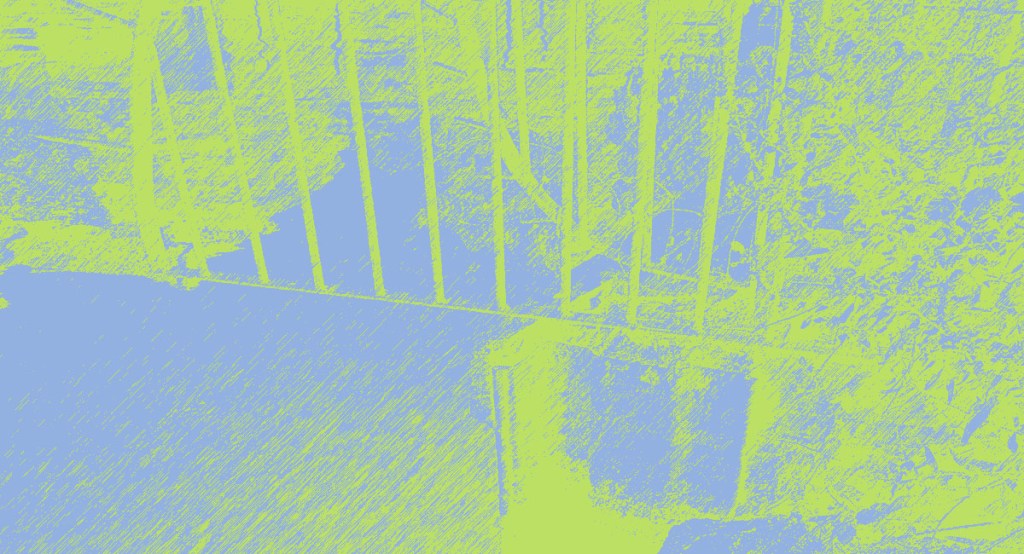
We have lost our home to flooding three times and since knocking our house down and rebuilding it on stilts, our village has flooded again in January 2024. My work is about my love/hate relationship with open water. And the fragility of our climate.

  ”The greatest threat to our planet is the belief that someone else will save it” Robert Swan – Explorer.

 My practice is illustrated with the layering of organic and found materials from the river, and the open waters edge, evoking the natural ebb and flow of the water to illustrate the unpredictability and the emotional weight it is carrying. Through marks and silhouettes, I try to tell my story, one that is made up of beauty and unease, revealing the hidden depths of what the water holds beneath its surface. These traces speak of personal memory as well as the larger ecological narrative.

The work becomes a reflection on the fragility of our ecosystems and on a wider scale, the whole of our environmental and global climate crisis. Our rivers and waterways are vulnerable to pollution, drought and flooding, all of which continue to accelerate the impact of climate change.

July 2025.
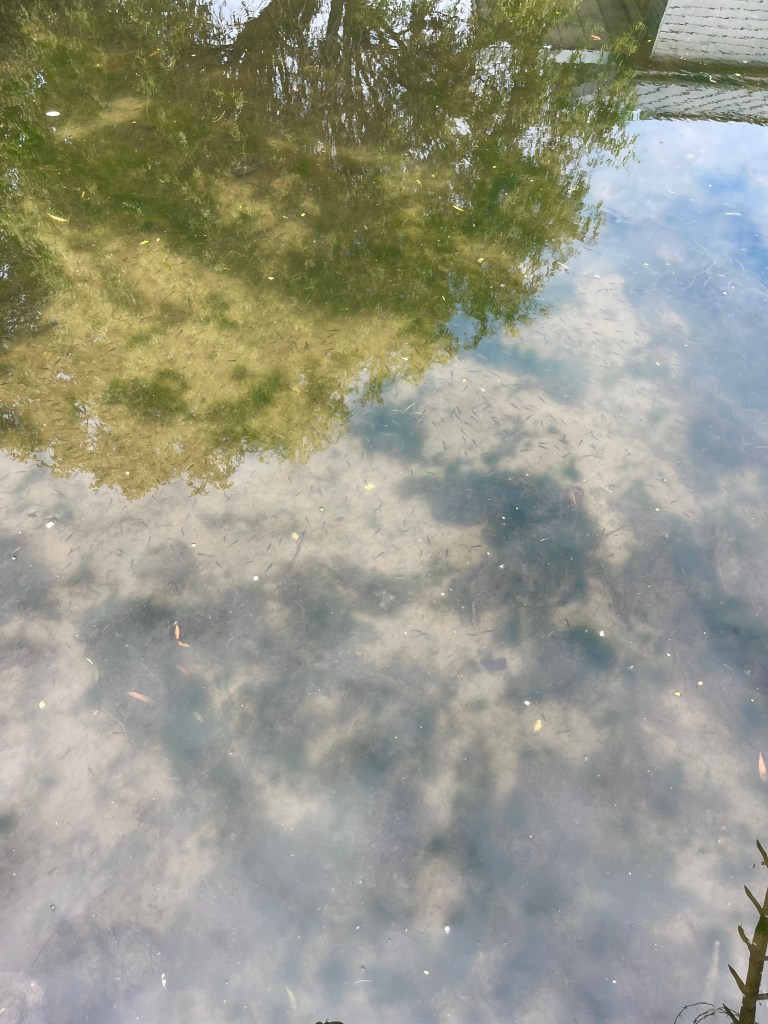
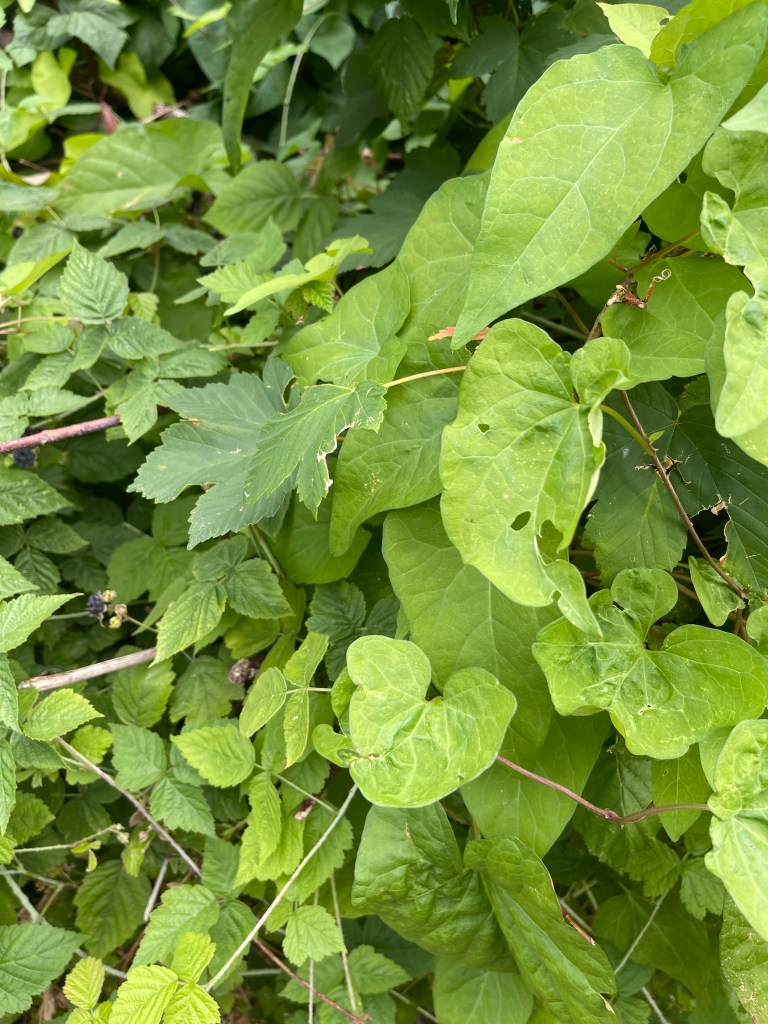
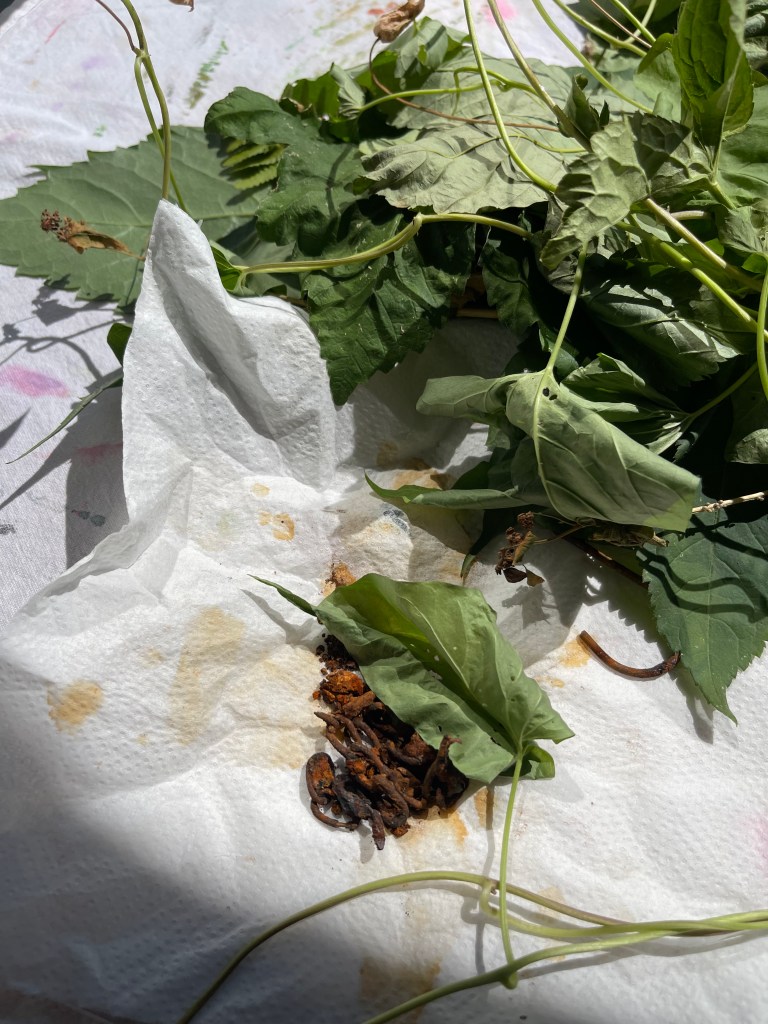
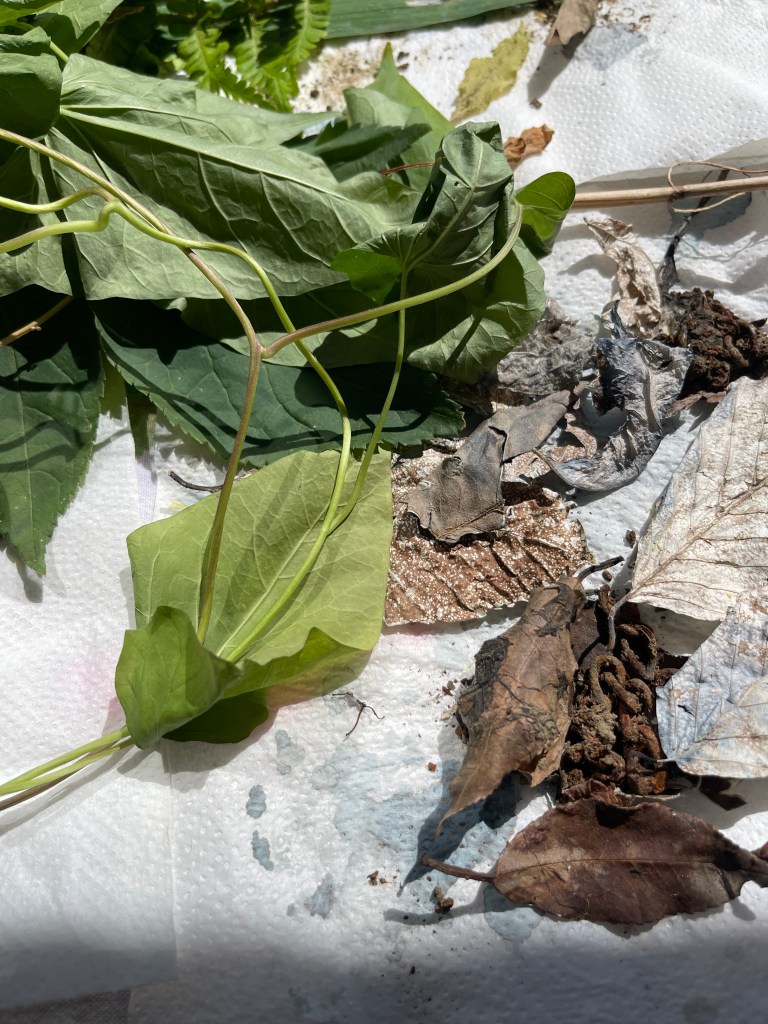
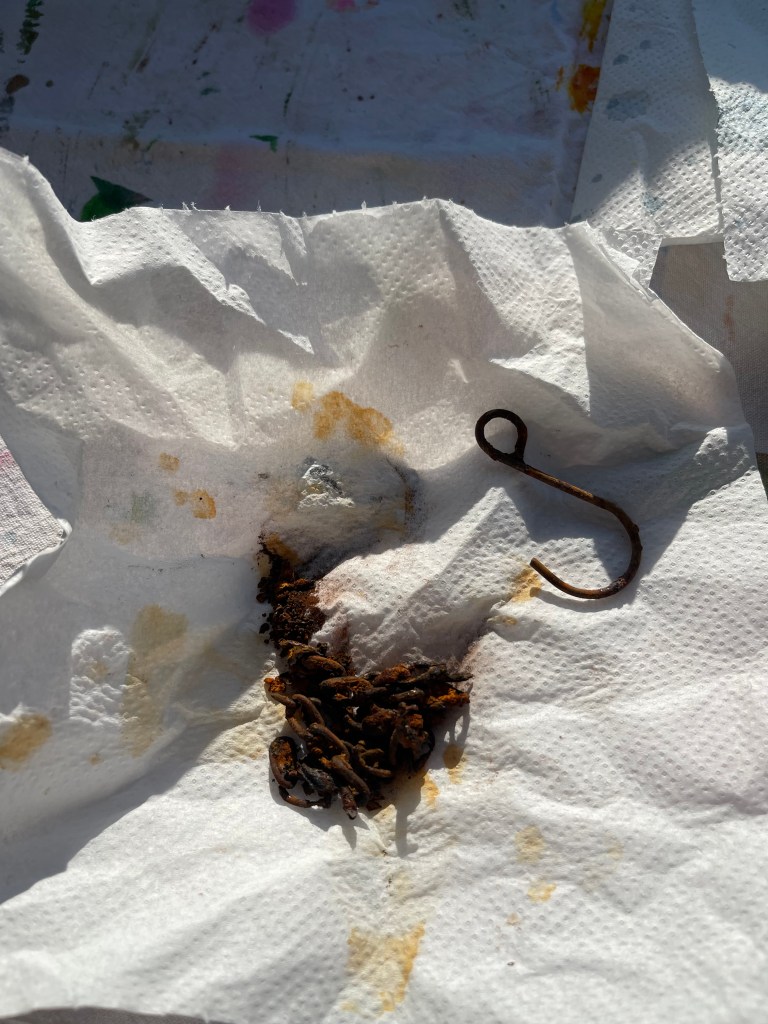
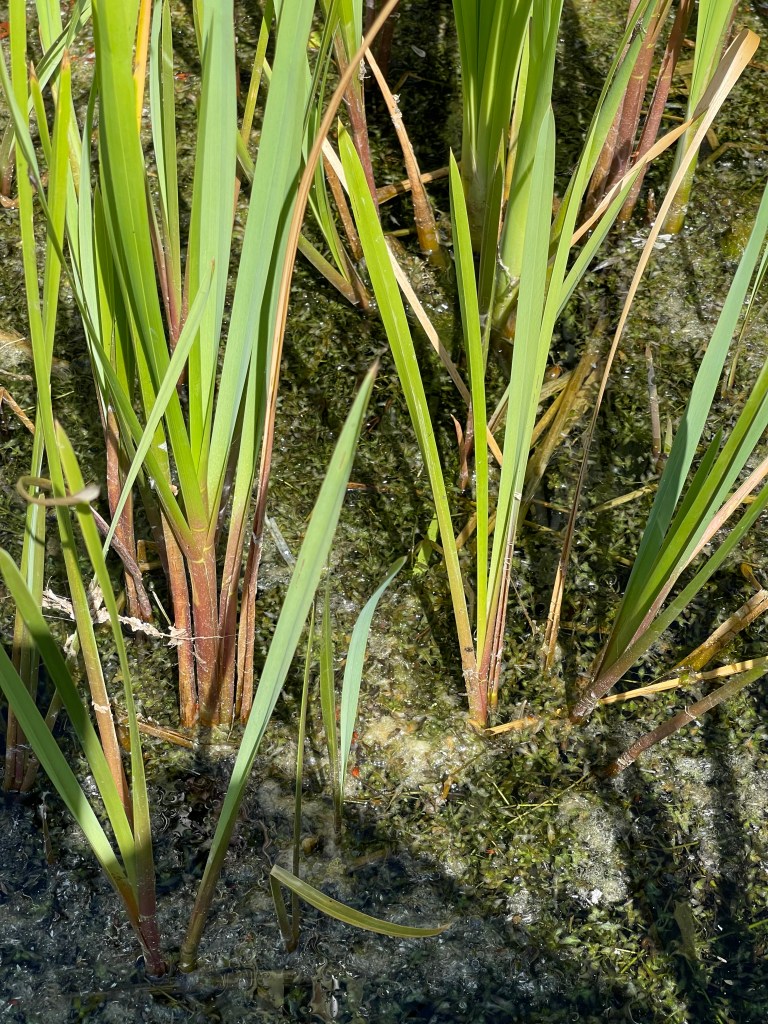
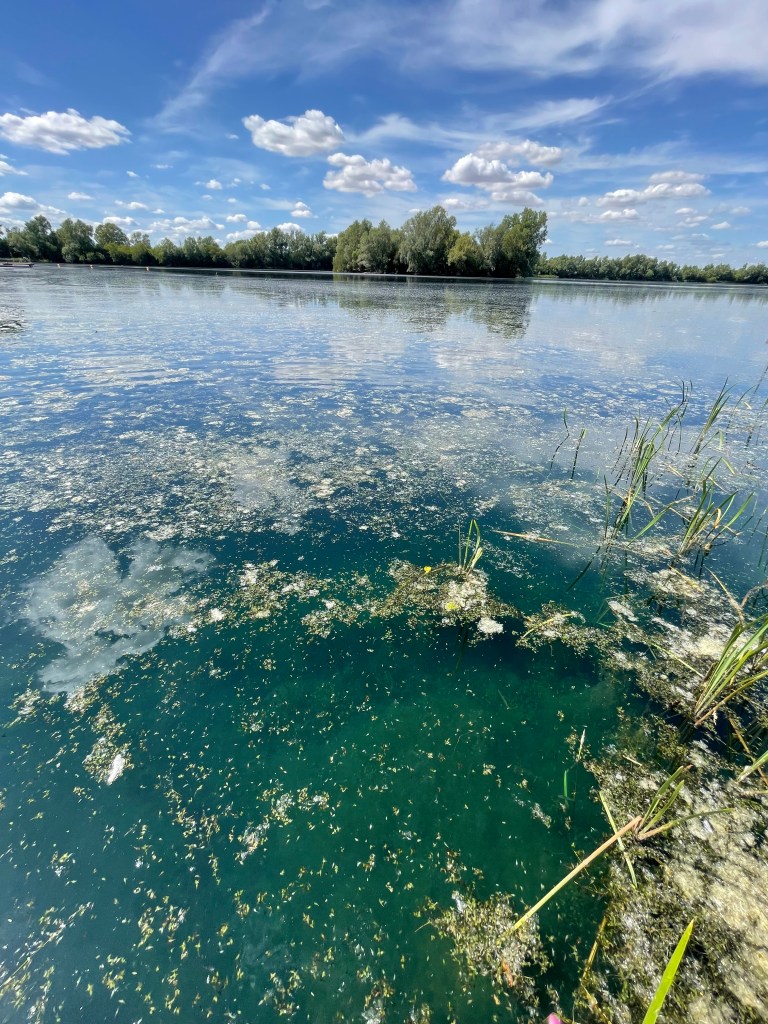
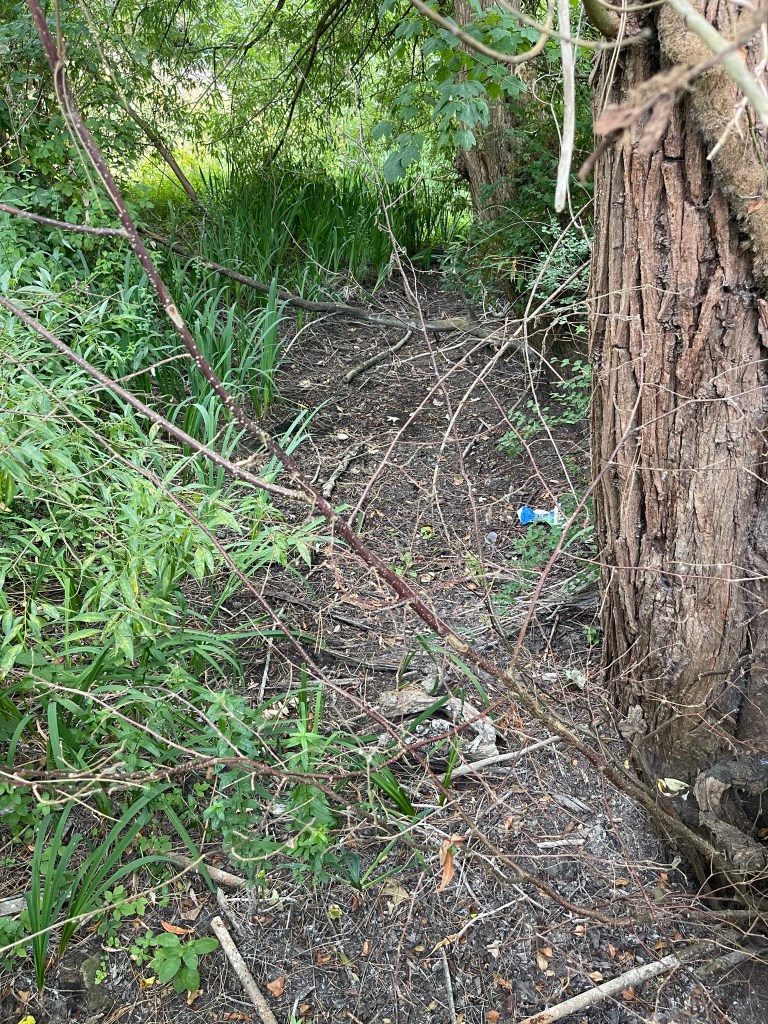
The materials collected are shaped by time, weather and place. It is extremely warm at the moment, (9th July 2025), and what I have collected this morning is already dried and shriveled.
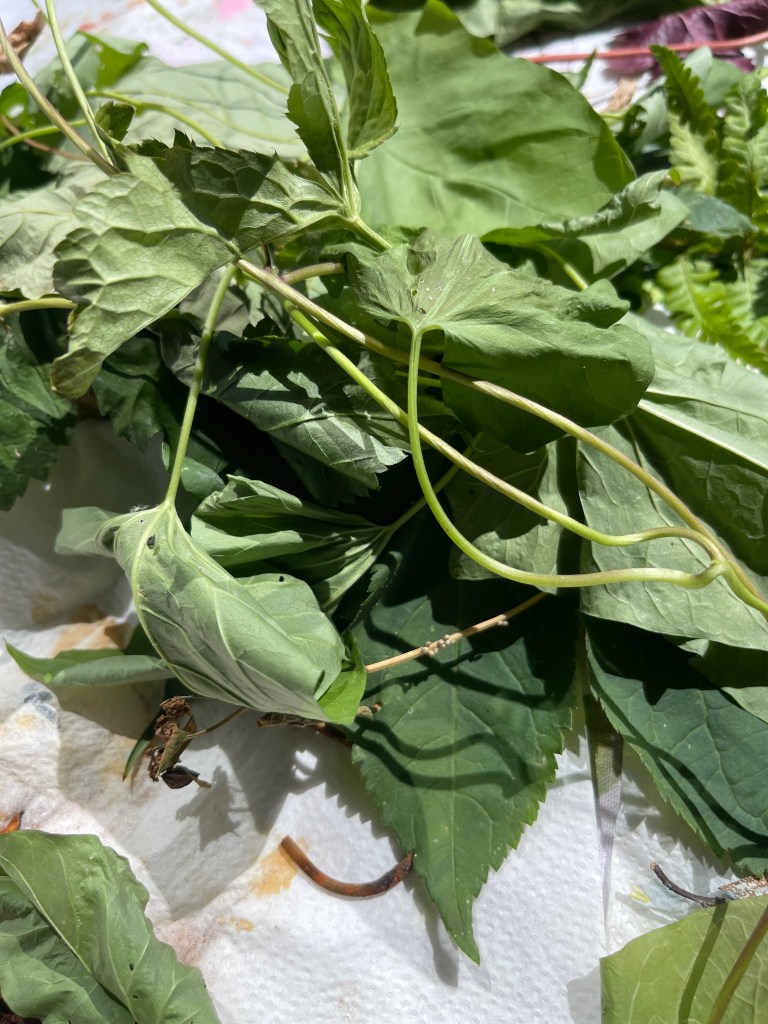
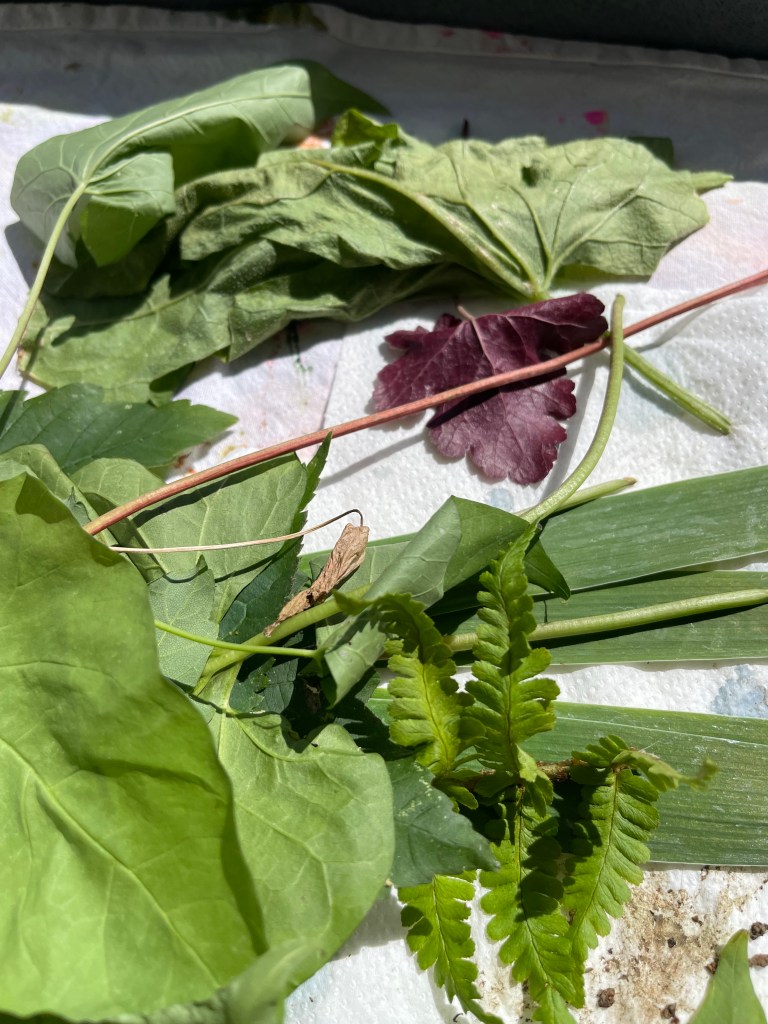
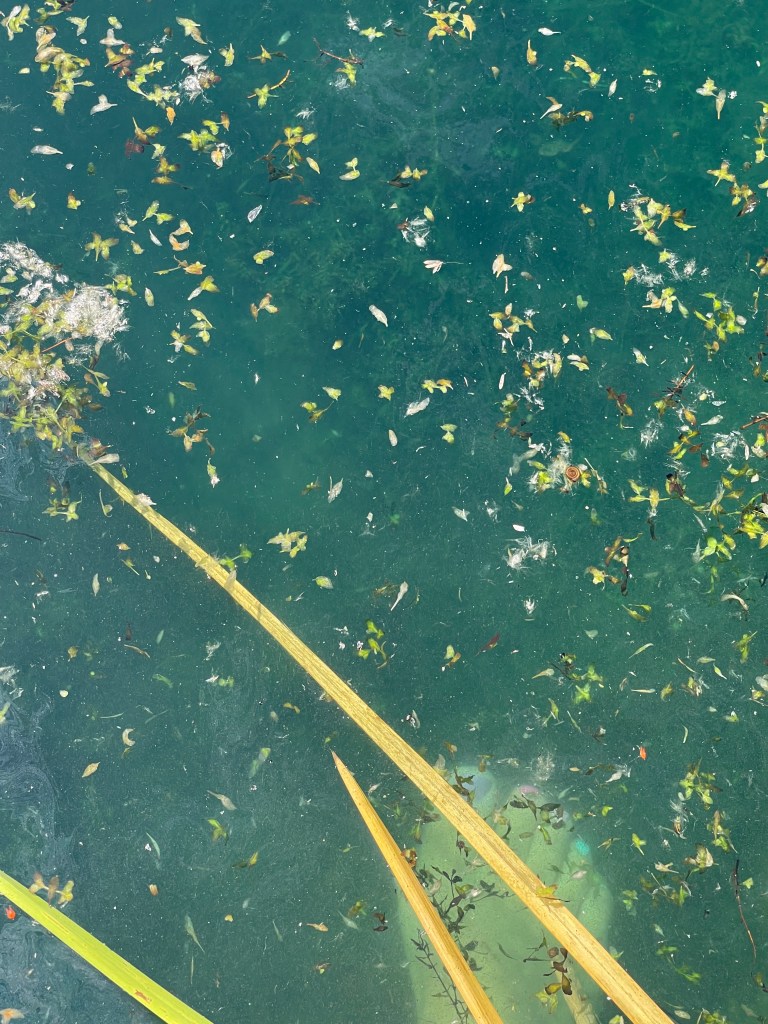
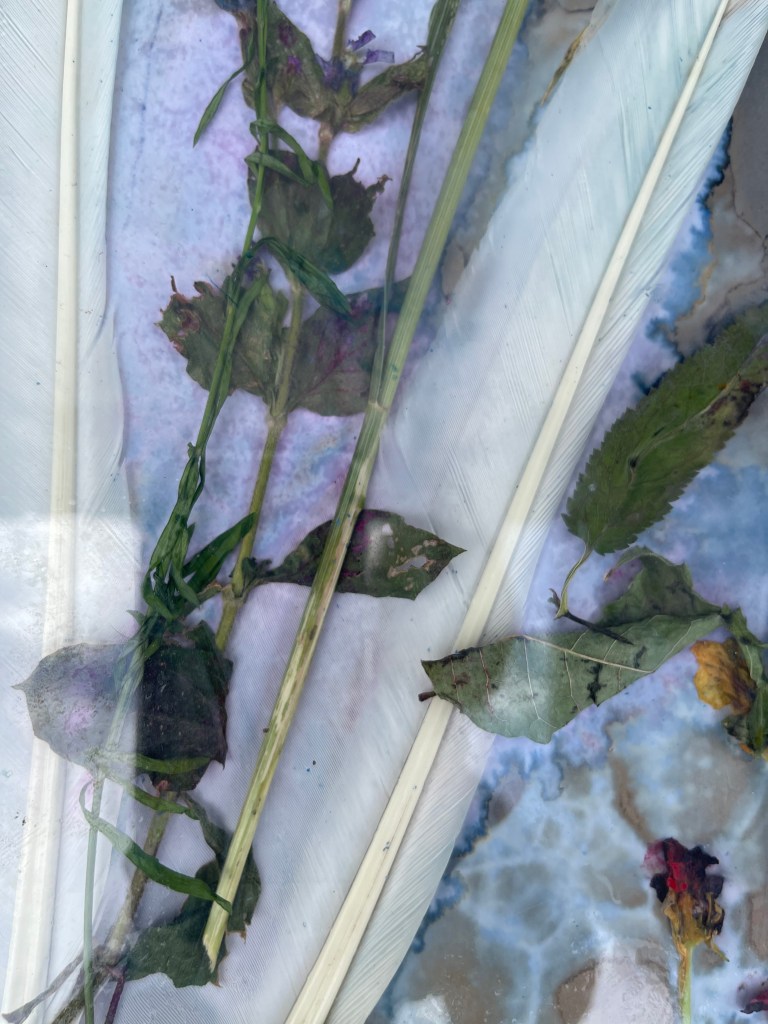
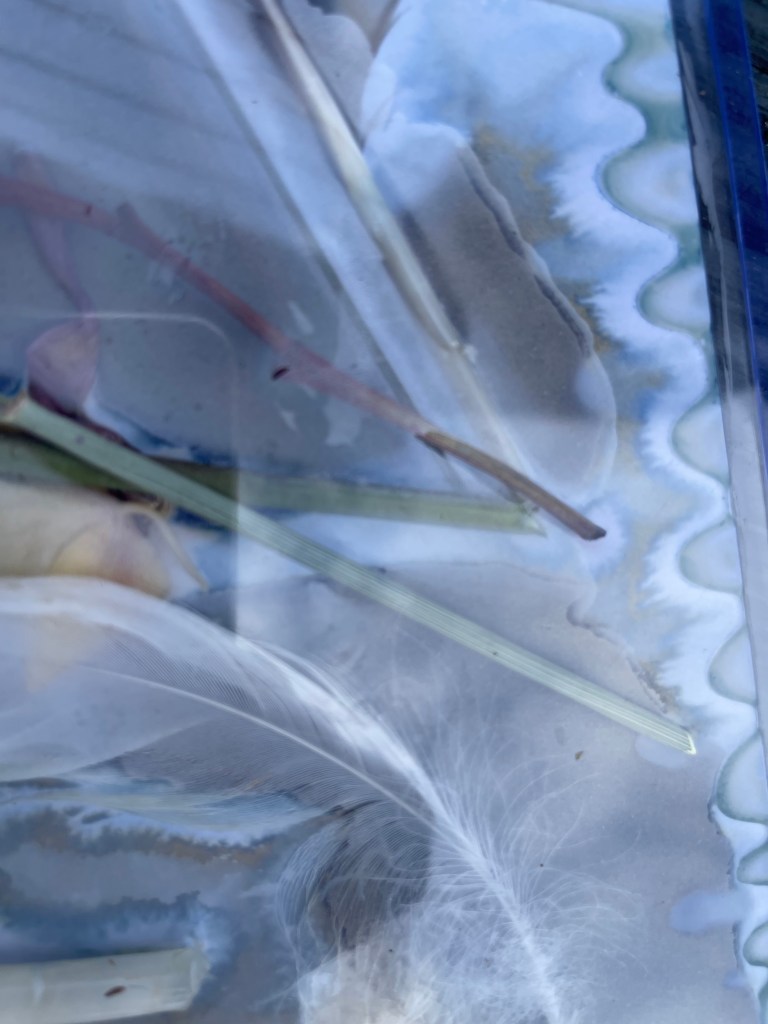
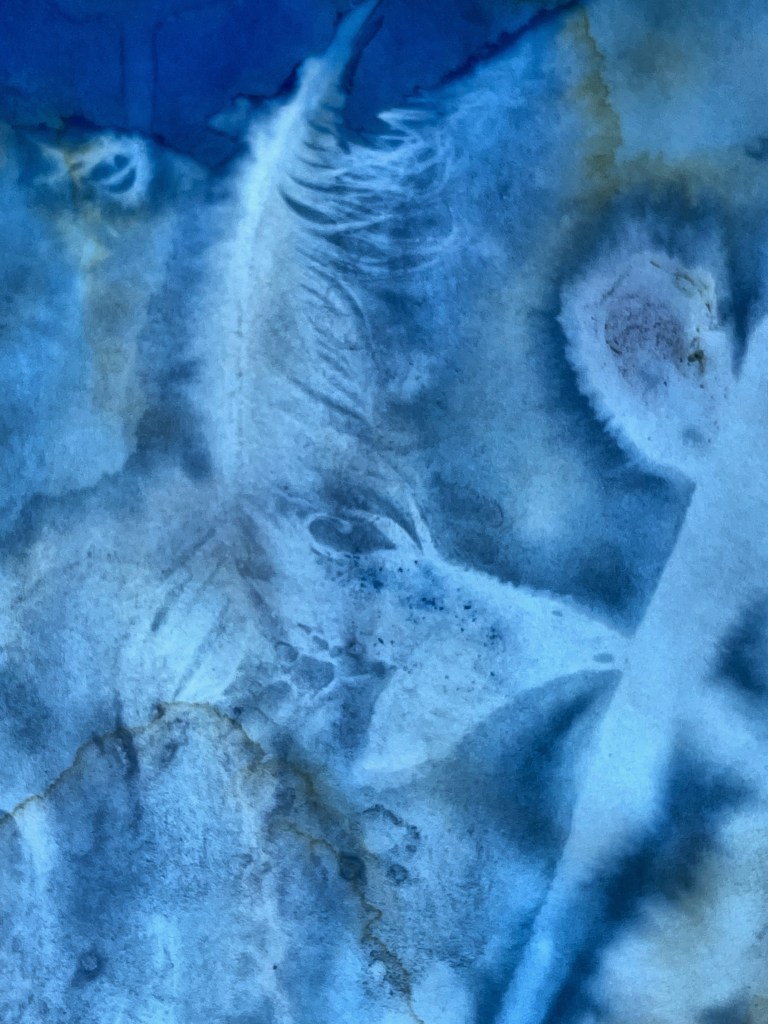
My next collection from the open water came as a surprise. The water is extremely still and I was able to collect some swan feathers from the surface while I was swimming. They are quite long, probably about 40 cm.

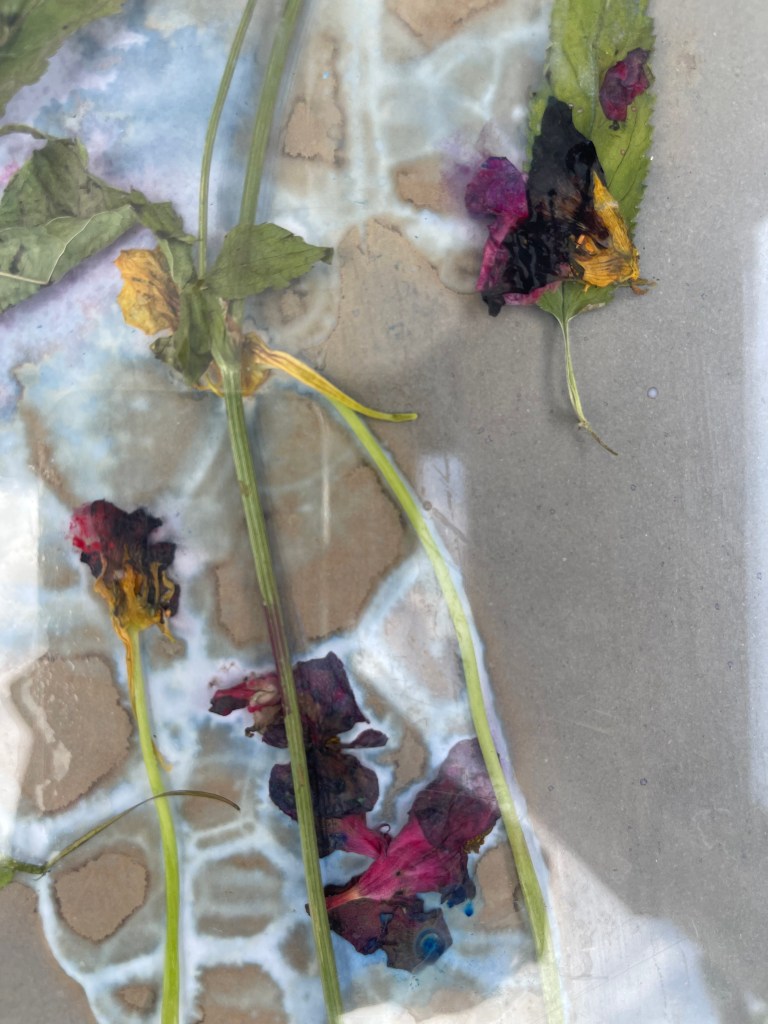
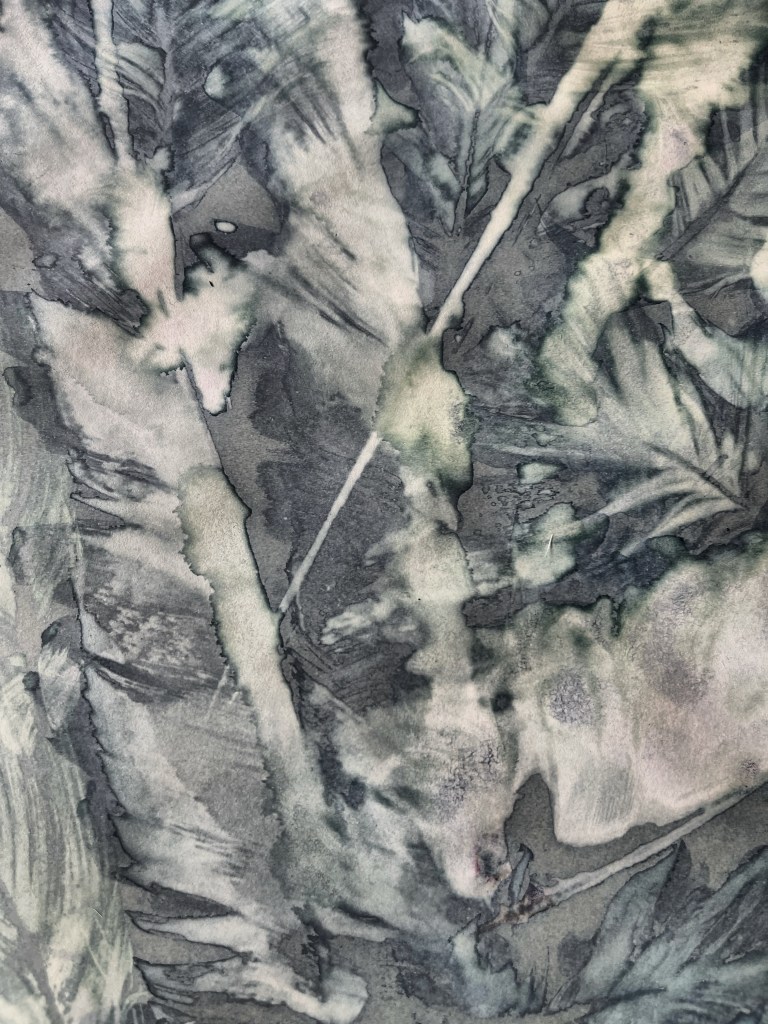
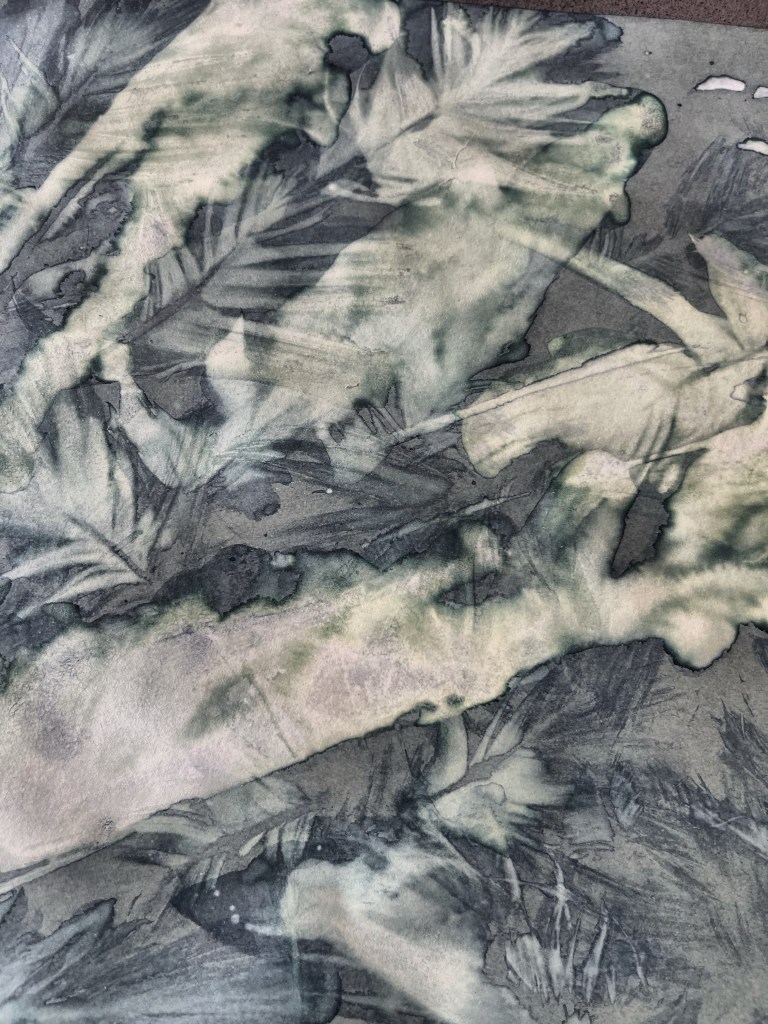
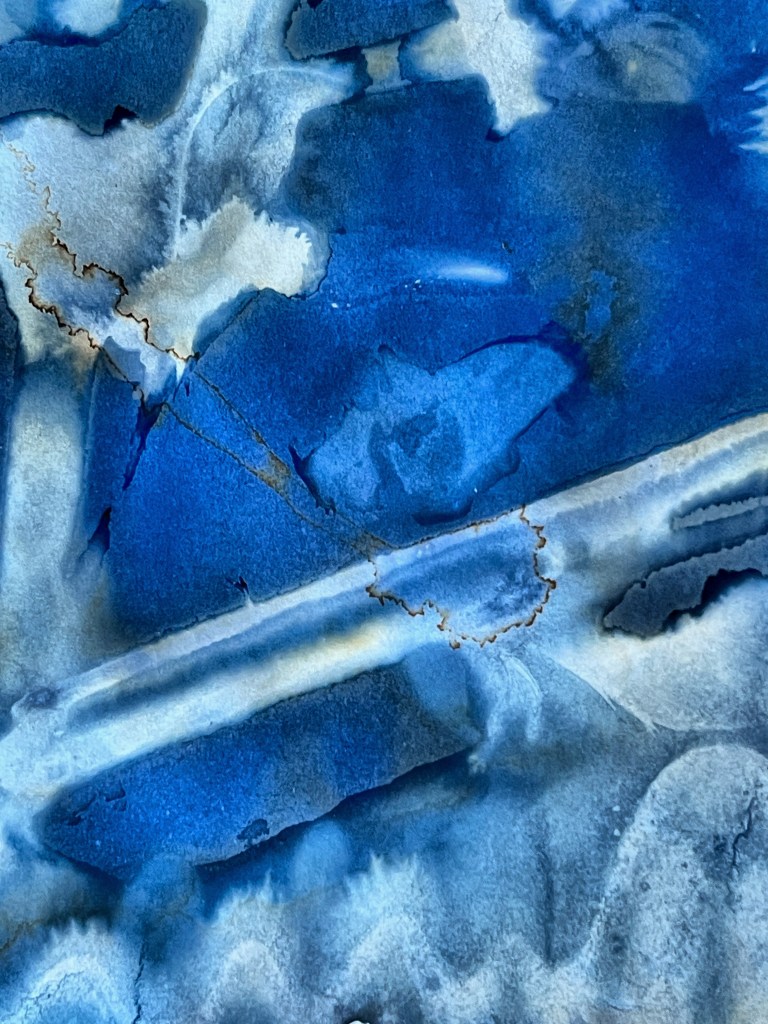
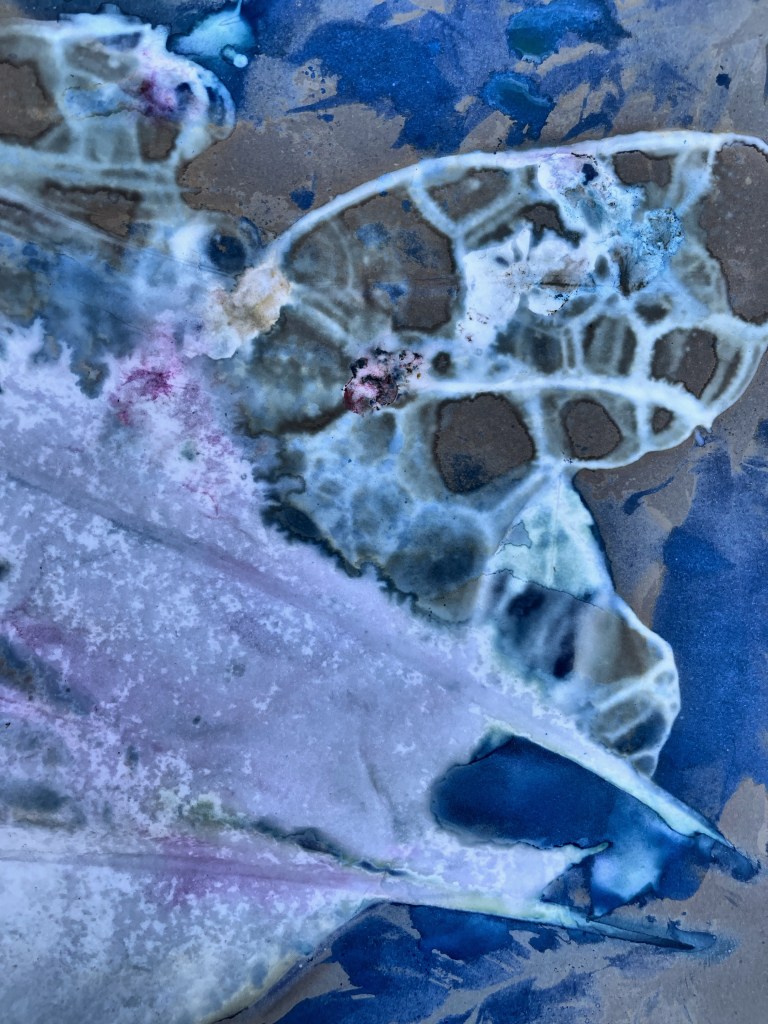
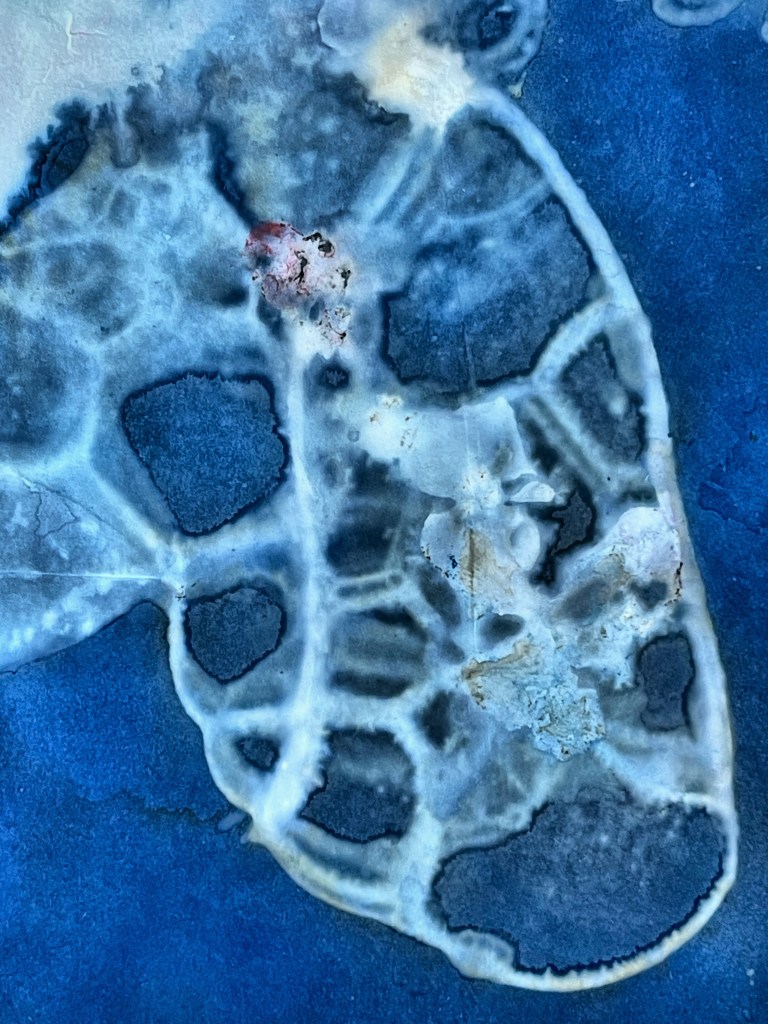
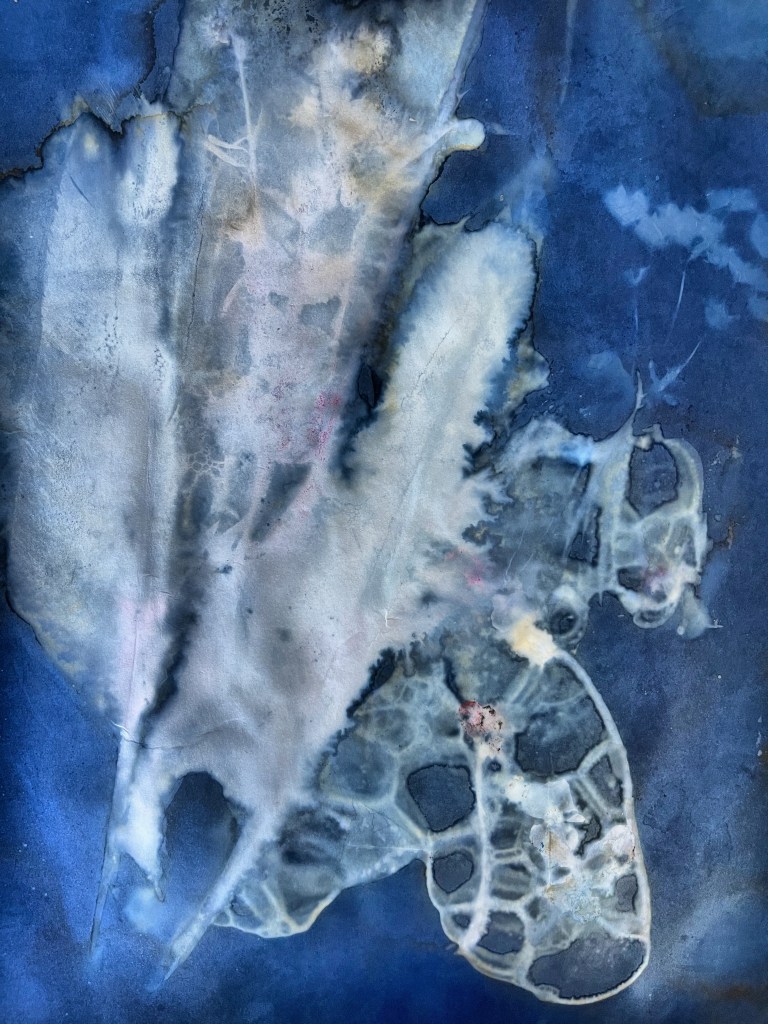
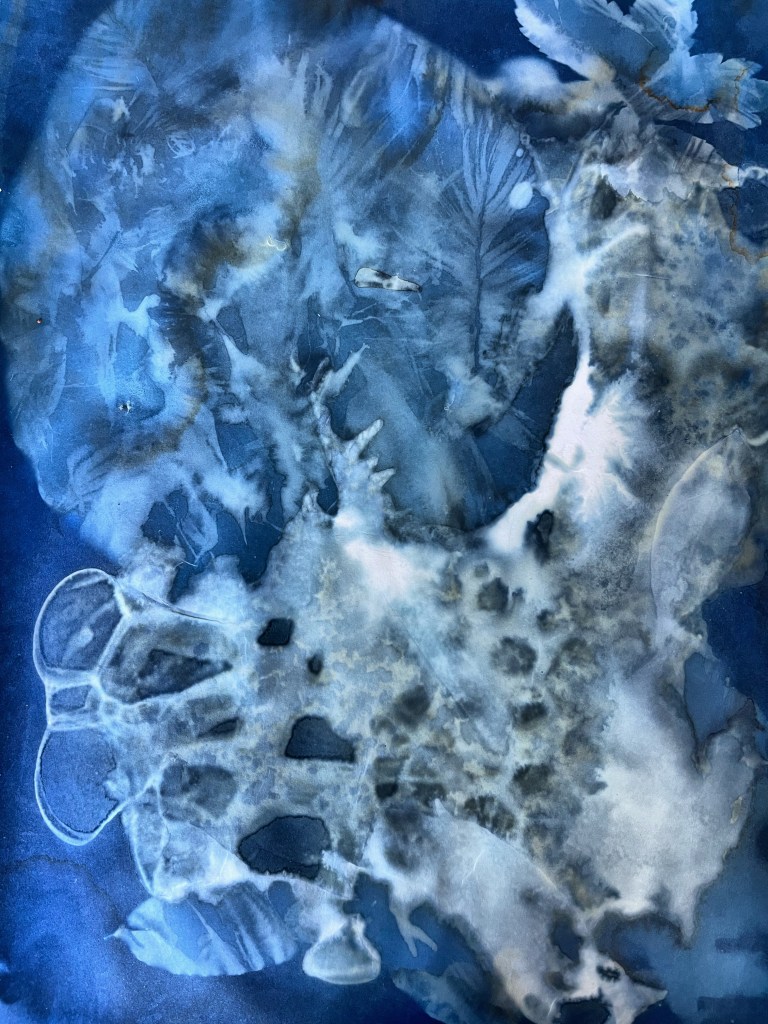
Using the found objects and collaborating with the open water, the work is a reflection on the quiet interaction between human and environment. These next set of cyanotypes capture textures, colours and rhythms of our living ecosystem.

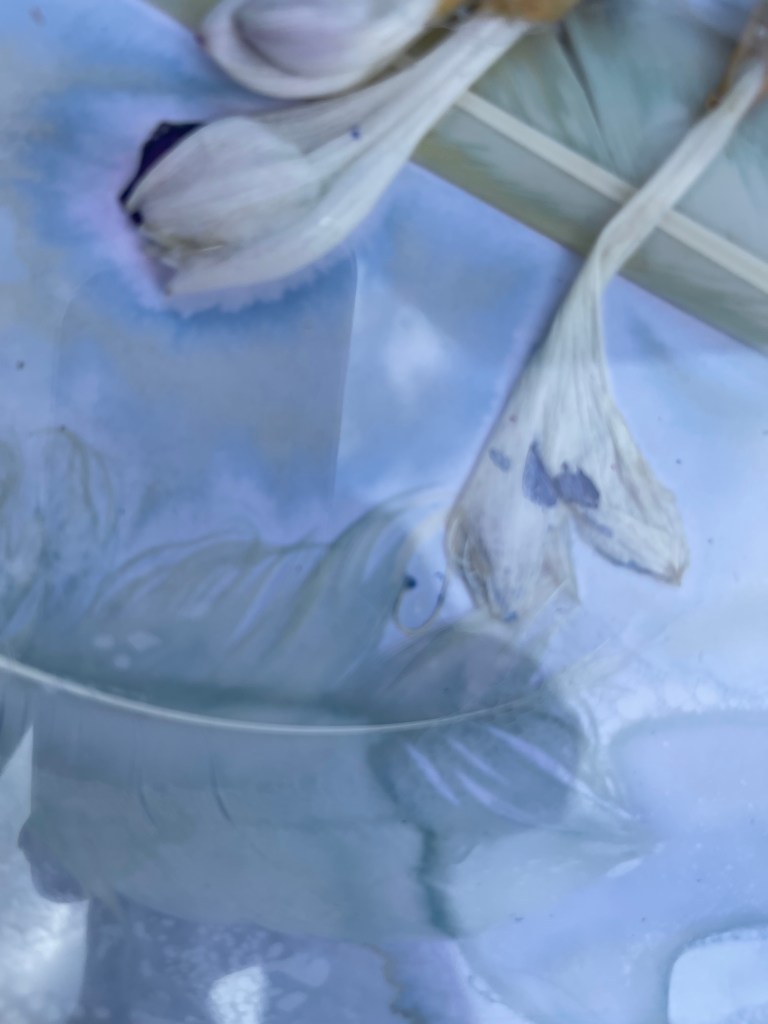
These were a two stage process, the first exposing them to the sunlight with the just the found objects.
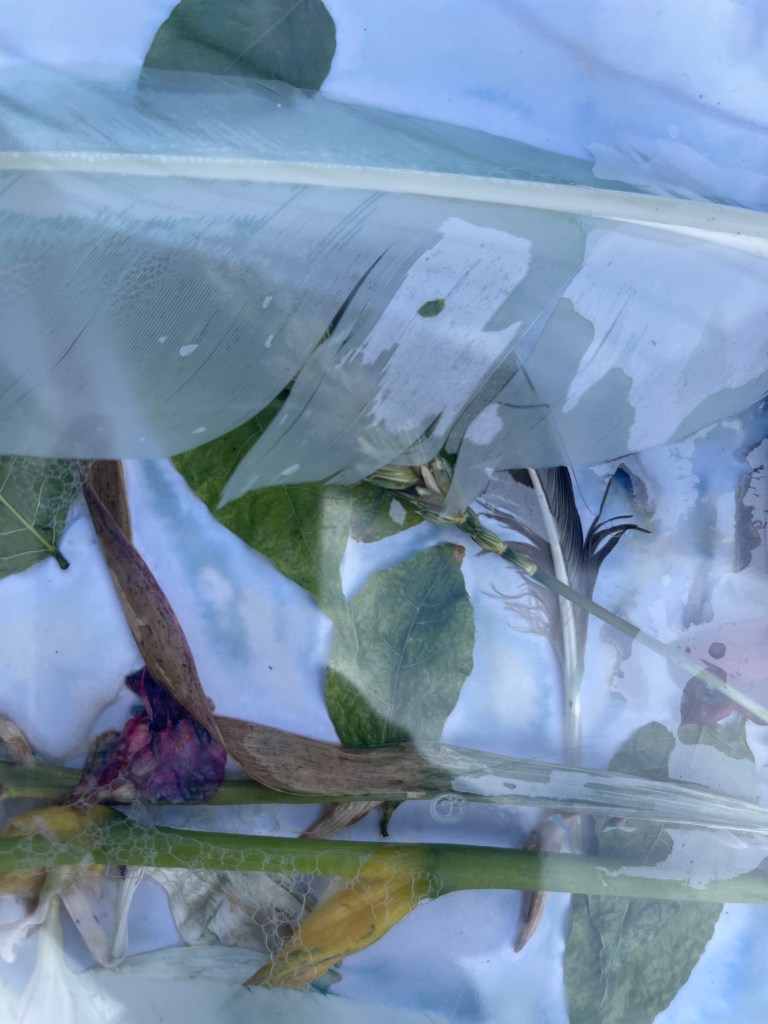
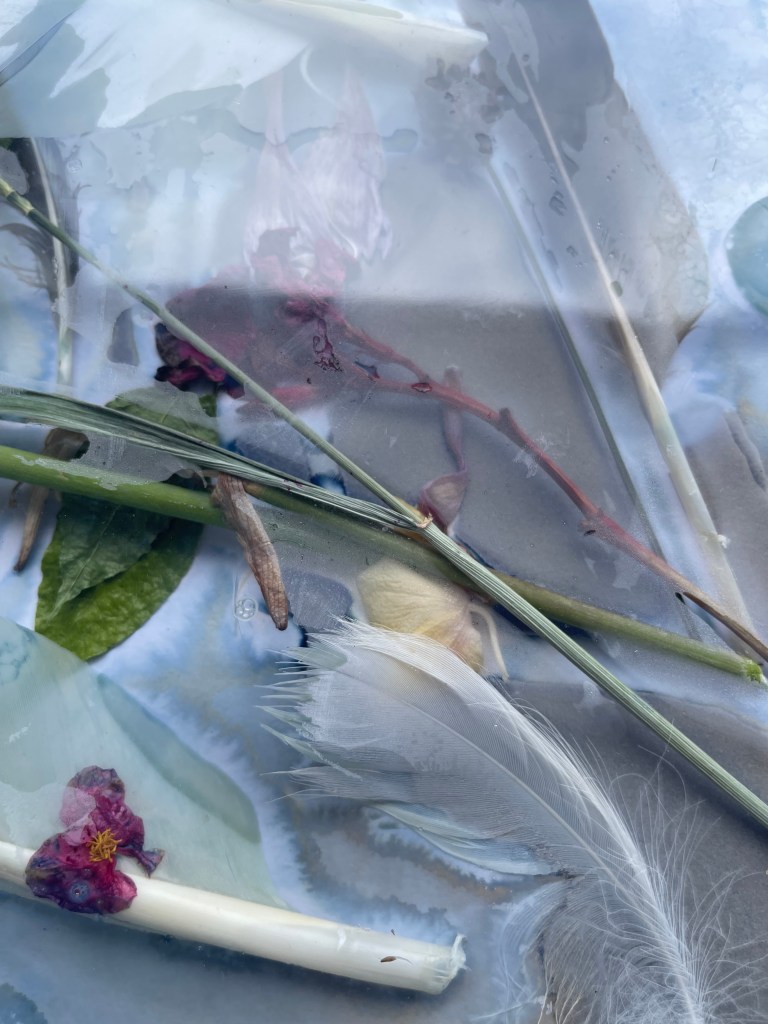
The results were unusually grey.
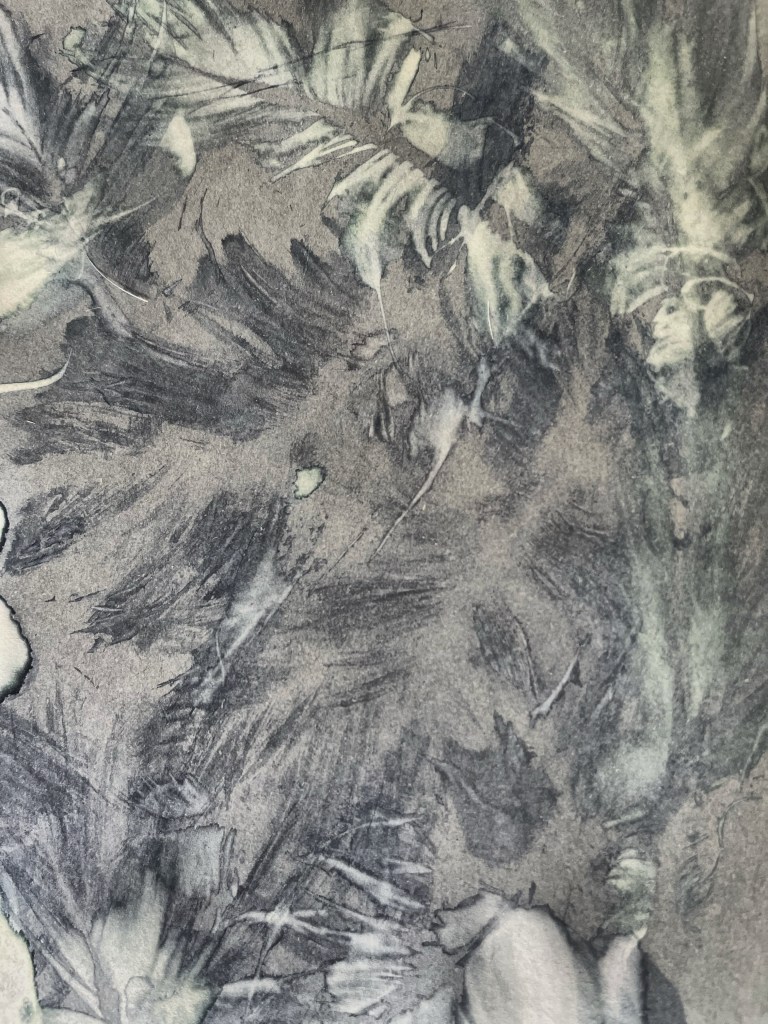
The second was adding the river water to mix with the found objects.
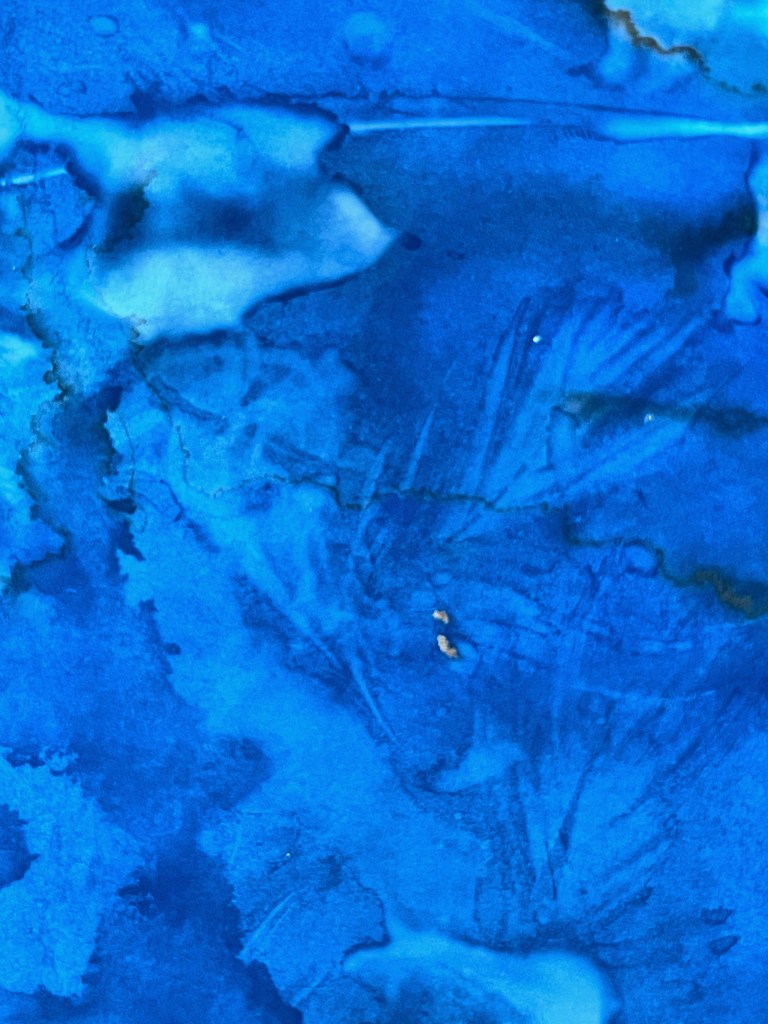
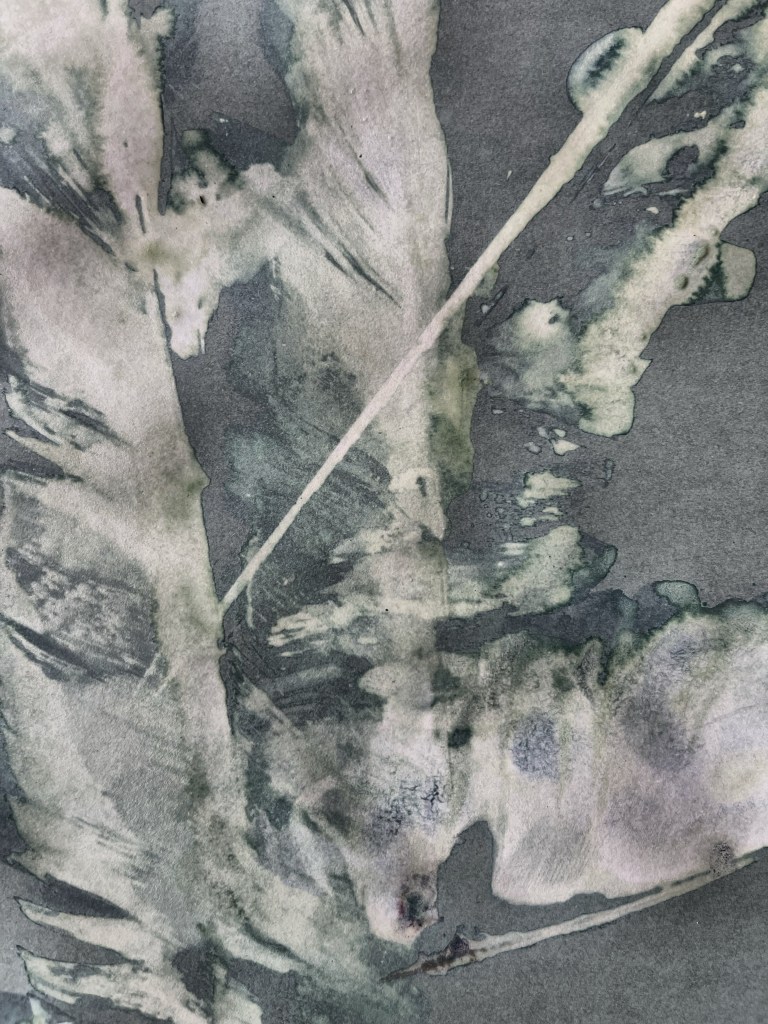
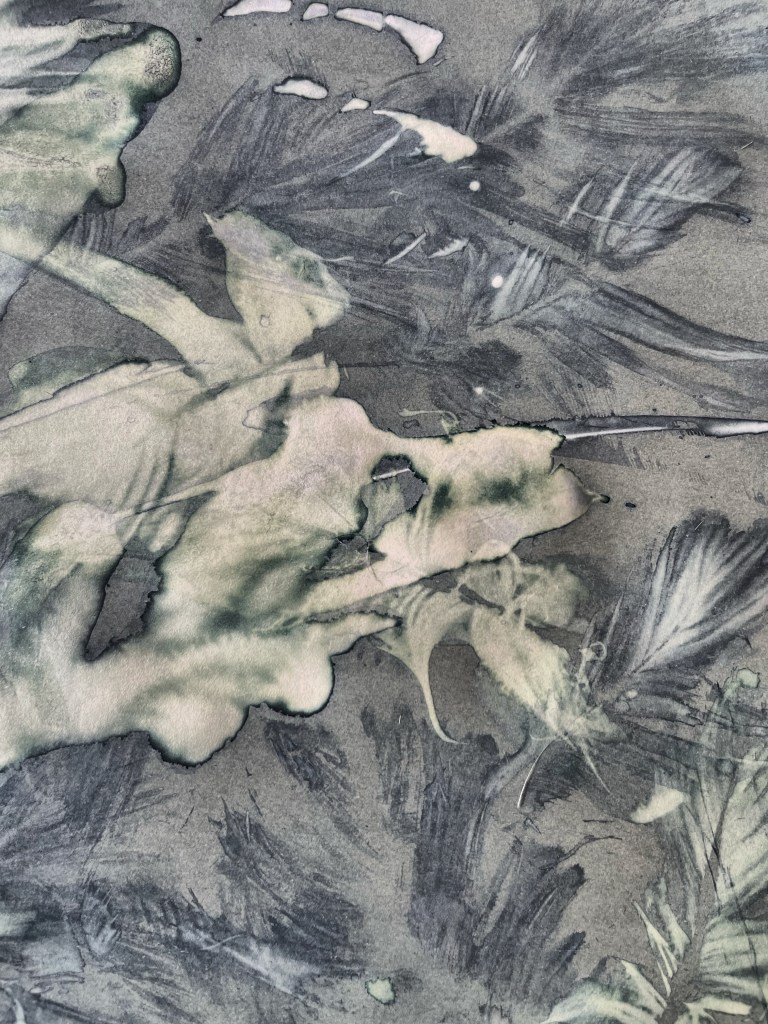
And the last, washing them through in the river water.
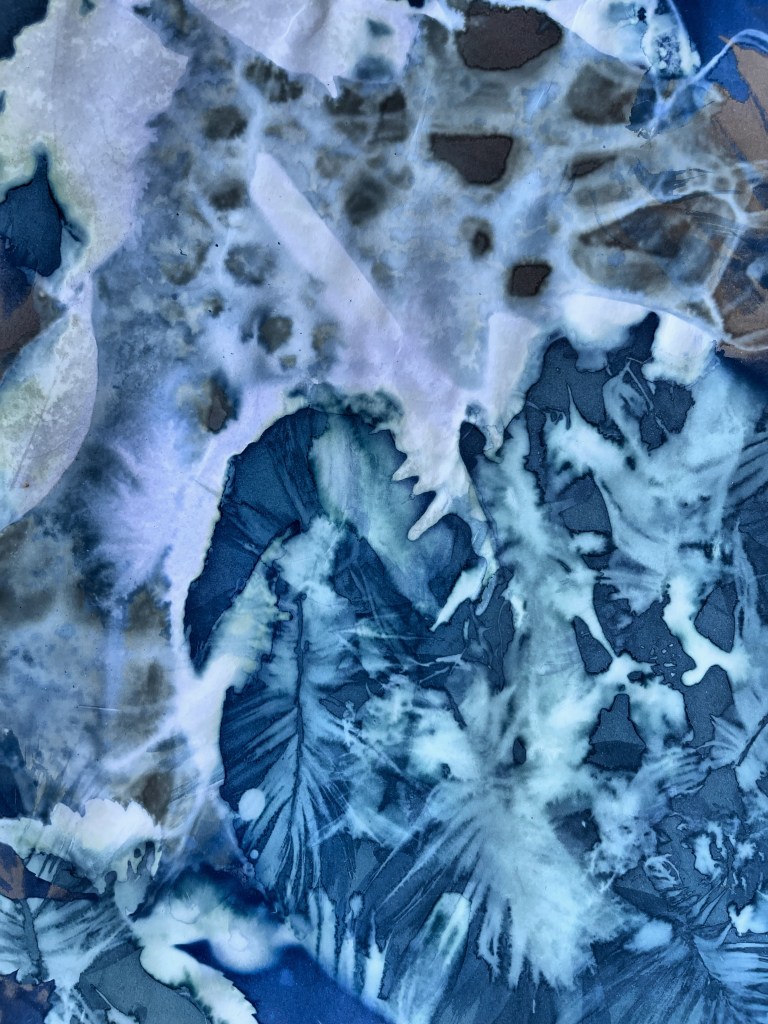
Using these natural stamps and making eco conscious organic abstract marks, while telling a story about the environment, time, place and materiality. Exploring the intersections of nature, using the open collected water and creating these ephemeral impressions, with a delicate balance between our natural world and the human presence. Creating gestures of imprints and the motions of water, the imperfections created by fluid unpredictability, embracing chance and allowing all the mediums to guide the outcome.

Reflection

My work is about my complicated relationship with water, a love/hate relationship that underpins my practice. Robert Swan’s words resonate deeply with me, the responsibility always seem to be for someone else, even though we all see the fragility of our climate far to often.

Floodwater carries away many memories, possessions and to some extent a sense of safety. I have a profound respect for the natural world, for its power, beauty and unpredictability.

Through my work, I try to tell a narrative that is personal as well as ecological, a story of what lies beneath the waters surface, hidden in the depths of fragility and resilience.

Everywhere that I collect found objects is threatened by pollution, drought and flooding, the pieces being shaped by the time and weather.

The quiet unexpected discoveries while swimming in the open water remind me how we are all interconnected with the environment.

The cyanotypes in this set were a two stage process, firstly exposing to the sunlight and secondly washing them through the river water. These gestures of imprint embrace chance and let the environment guide the out come. Through this process, not only am I creating the art but documenting the fragile balance between human presence and nature, detail of displacement and adaptation speaking out towards the larger narrative of our changing climate.

Pieces that hold beauty and unease, ephemeral impressions that echo impermanence of both water and memory.

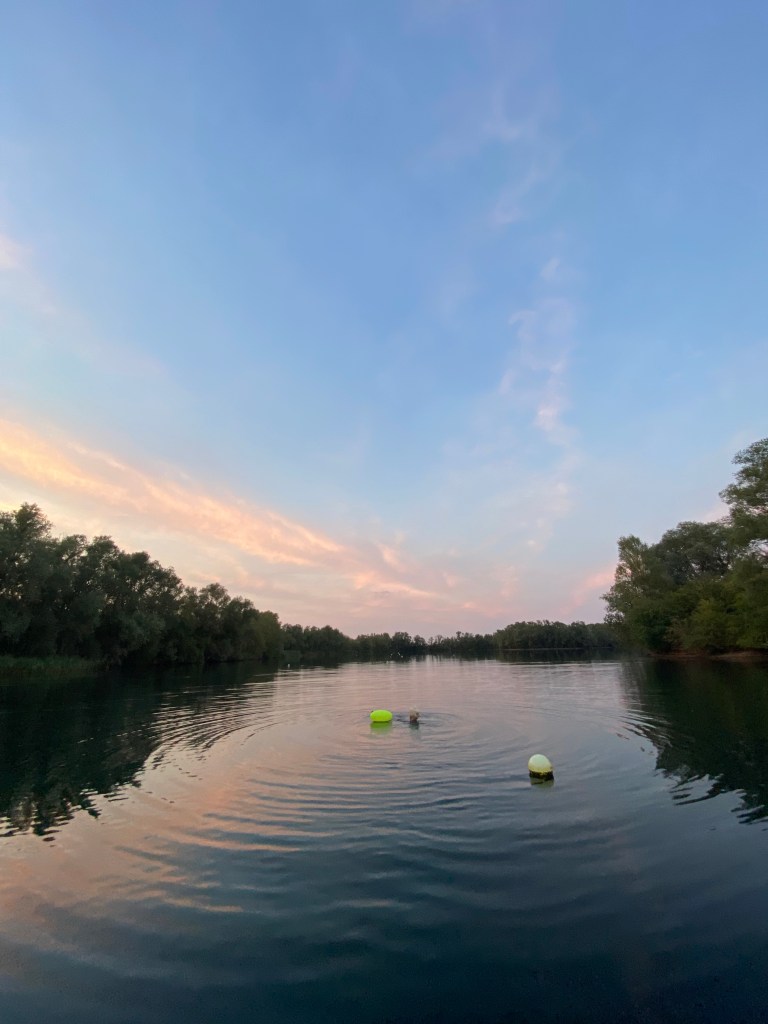
Open water swimming.

5 responses to “Project – 8”

  1. joviala7947ed6ad avatar
    joviala7947ed6ad

    Your practice is now telling a strong narrative concerning human and nature interaction. I love the found objects, especially the feathers. The documentation of your process is good too; the photographic evidence gives a real sense of place. I love some of these images of the found objects submerged in the river water as you can see the reflection of the sky too – this adds a sense of vastness. Have you found any other artists making cyanotypes or images in botanical drawing books that would complement you work? I feel this work would sit well in an exhibition documenting man’s or indeed woman’s’ understanding of nature. Your cyanotypes remind me of a modern version of explorers work like Maria Sibylla Merian and her work on metamorphosis. The grey cyanotypes are suggestive of a decaying world. They are full of texture and sorrow. My favourite piece is the 3rd along once you’ve washed them in river water. I can see the fragile wings of a butterfly. The pale violet hues are good too. Did they come from the cyanotype process or have you added colour after? I think your write up is clear too, I particularly like your reference to natural stamps.

    Liked by 1 person

  2. Anna513916 avatar

    Interesting, engaging work! It is the layering of these images that I find intriguing. I particularly like it when I can see depth that the colour changes bring to the work alongside the objects – so of the last 4 finished images, no 1 and 4 are particularly strong in this regard (in my opinion anyway). I realise that the objects are less distinct in no4 but the edges of the blue and white over the grey suggest flow and in some ways layers of ice – a sort of entrapment. No 3 is more submerged, full flood, which given your topic may be of more interest to you. I like the shapes that have emerged in this one, the remind me of plankton, but the less layered look doesn’t hold my intrigue as much as the others. The intermediate stages are also very interesting and have some great shapes and negative spaces going on- presumably if you just left these to dry at that stage they would over-develop? I thought your explanation of your intentions clear, but in terms of following your process, I did get a bit confused as to how many images you were working on. It took me a while to work out that some of the intermediate stages were close ups of the same image. I am assuming that you ended up with 4 works – those at the end. With your cyanotype chemicals, have you tried altering the ratios of the two parts at all? You can end up with some really interesting effects such as more greens and browns if you do.

    Liked by 1 person

  3. Ritu Subba avatar

    When an artist authentically conveys their feelings—particularly frustration, anger, and confusion—it deeply resonates within their artwork. I can sense that your work captures these powerful emotions, and they shine through in your creations. Your pieces tell a compelling story about the intricate relationship between humans and nature. The cyanotypes you’ve created reflect your enjoyment in the process, showcasing a vibrant exploration of light and shadow that brings your vision to life. Cyanotypes present a fascinating challenge, especially when it comes to achieving the delicate balance between the flow of water and the final image result. It’s truly impressive how you’ve navigated this intricate process to produce such a compelling outcome. However, I can’t help but wonder—have you considered enriching your work with a broader spectrum of colours? Relying solely on monochromatic tones can often constrain the emotional depth and story you aim to convey. Infusing more vibrant hues could elevate your pieces, adding layers of complexity and creativity that enhance the narrative you wish to portray. While it may not be feasible to incorporate more colours into the cyanotype process itself, there are exciting ways to expand your creative horizons. You could step outside your comfort zone and integrate elements like drawing, textiles, or digital art into your work. Exploring mixed media techniques could open up new avenues for expression and add intriguing dimensions to your pieces. Embracing these diverse methods might allow you to tell a richer, more vibrant story through your art.I truly admire how you incorporated a multitude of detailed photographs into your final project. This thoughtful inclusion not only enriches the overall presentation but also plays a vital role in helping viewers grasp the context and scenario you aim to portray. The visual depth you’ve created allows the audience to connect more profoundly with your narrative, enhancing their understanding of the circumstances you wish to convey. It’s a powerful way to evoke emotion and invite reflection through your art.

    Liked by 1 person

  4. rogersidney avatar
    rogersidney

    Hi Viv

    Sorry I missed out on giving feedback to Project 8. The outcomes are truly amazing as always and demonstrate the huge amount of work that you have put in this year. I feel it is like being at the top of a mountain looking down, truly mesmerized in how we all got here! The climbing, the falling and the feeling of achievement when we reach our goals along the way.

    Great work – just one question which I have never thought to ask before. What size are these cyanotypes and can they be enlarged to a very large scale. Seeing them really large would b awesome.

    Regards

    Roger

    Liked by 1 person

    1. vivkingfineart avatar

      We have been on this journey such a long time, and you’re right, we have achieved so much. Lovely thoughts, as always.
      The cyanotypes vary for A6 to A3, however my intention is to blow maybe four of them up to A1. For the final project I want to somehow pull this all together like a ‘Mark Dion dig’ hopefully….!

      Like

Leave a reply to vivkingfineart Cancel reply