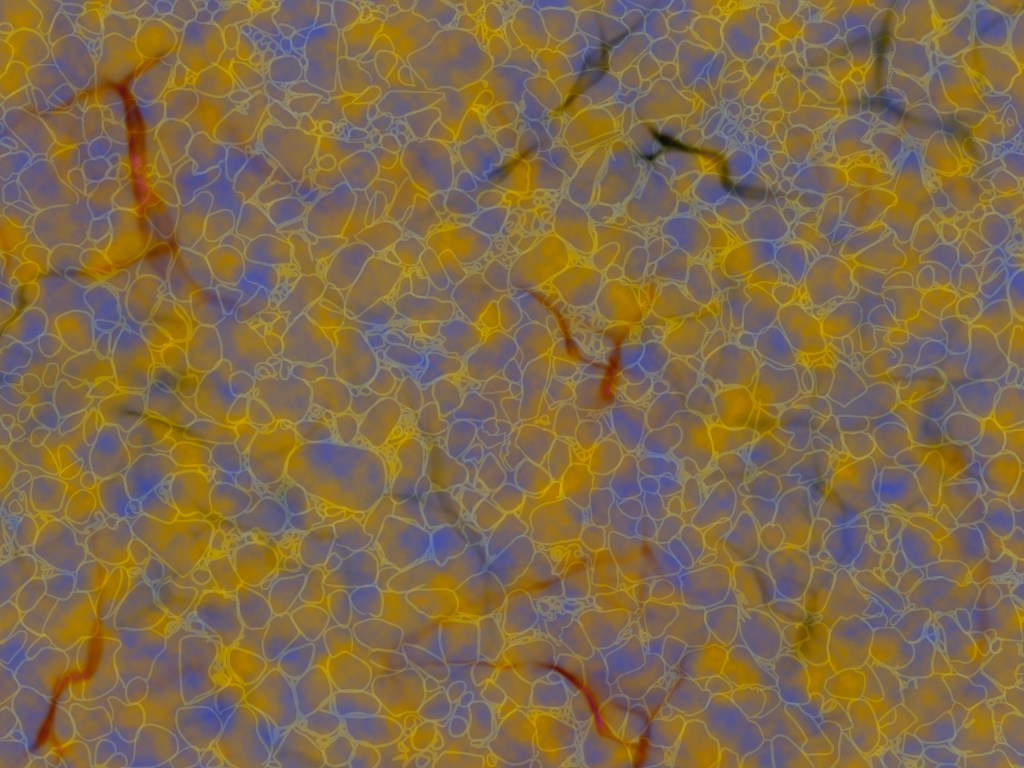
Long before I started this course I have been documenting the flooding where we live. In 1947 a substantial amount of the UK flooded. 55 years later, and it seems for some areas it is an annual occurrence, maybe every two or five years, however there is no doubt these cases are not unusual. Our small village trapped between Windsor and Staines-upon-Thames seems to suffer some of the worst flooding in the area, due to mismanagement, lack of funding and being the poor relation to Maidenhead.
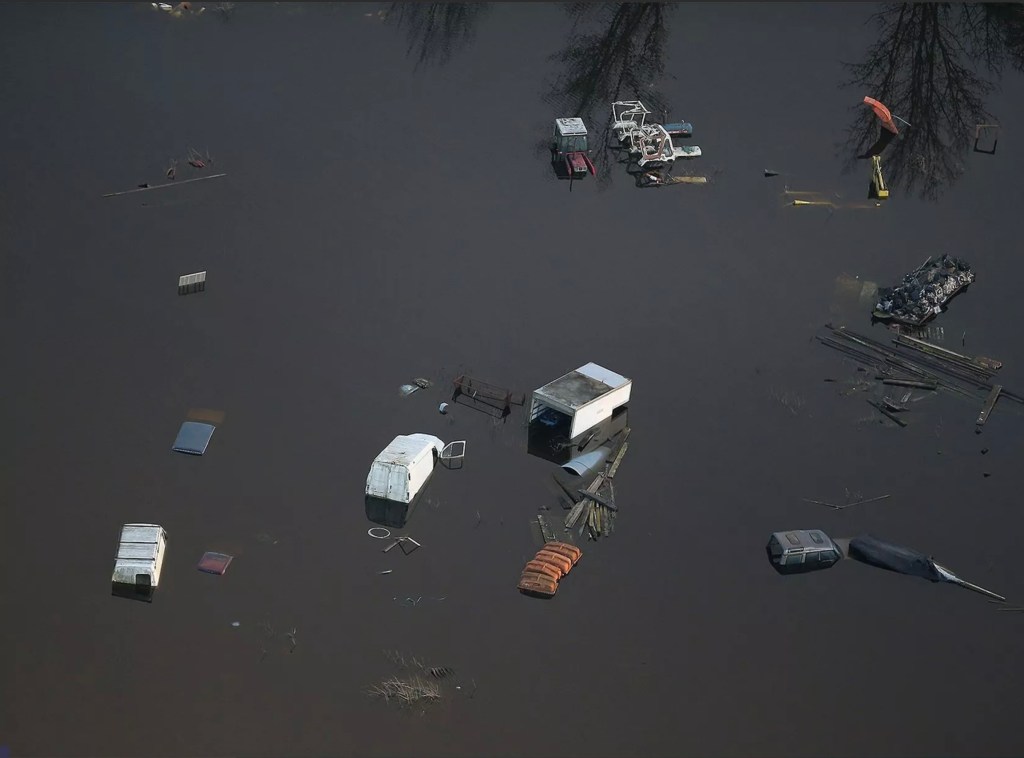
The photographs that follow are taken from 2014 and 2024.
So many areas are trapped in a circumstance of extortionate insurance, due to maybe having claimed one or more times on their policy, as well as their property being devalued because of the risk of flooding or having been flooded. Depending on the extent of water and how long it sits in the property, results in how much damage is done. This can take months to dry out, and the property may never be habitual again. Knocking down and re building can be the only resolution.
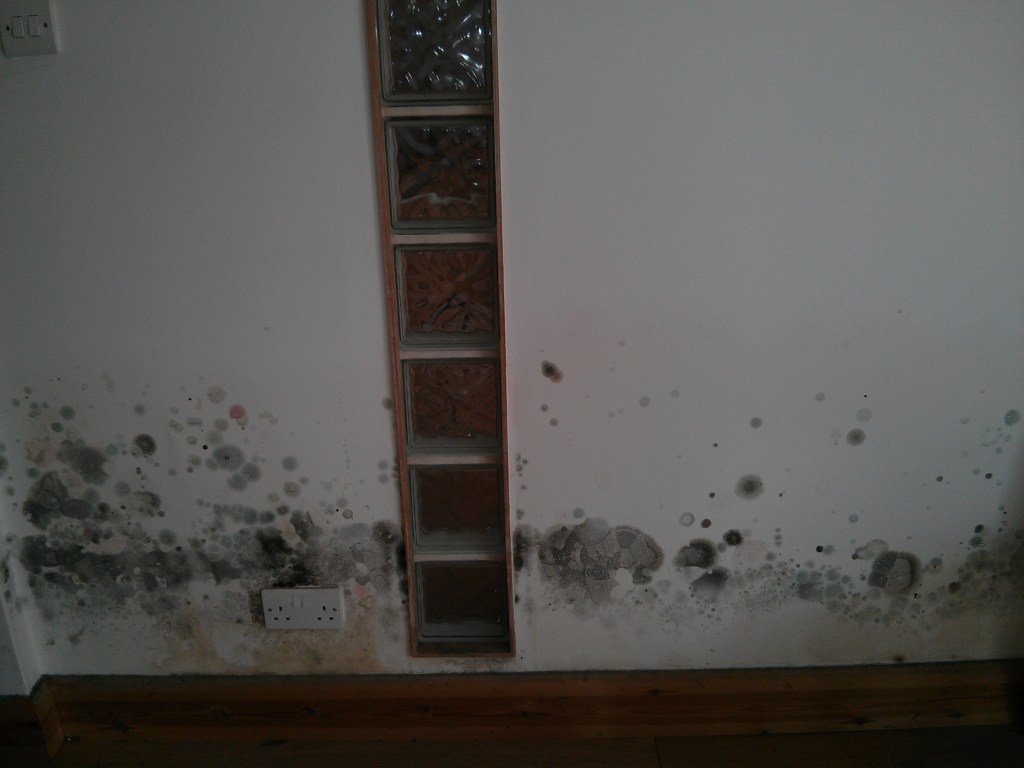

The inside of our house January 2014
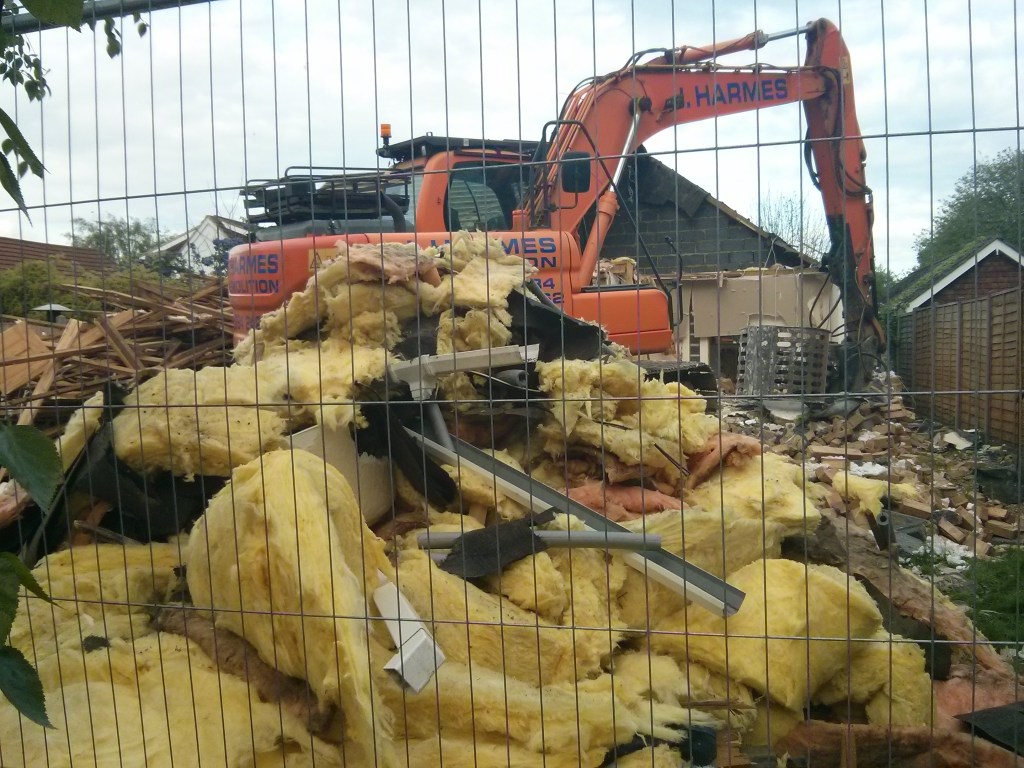
What was left of our house, April 2014.
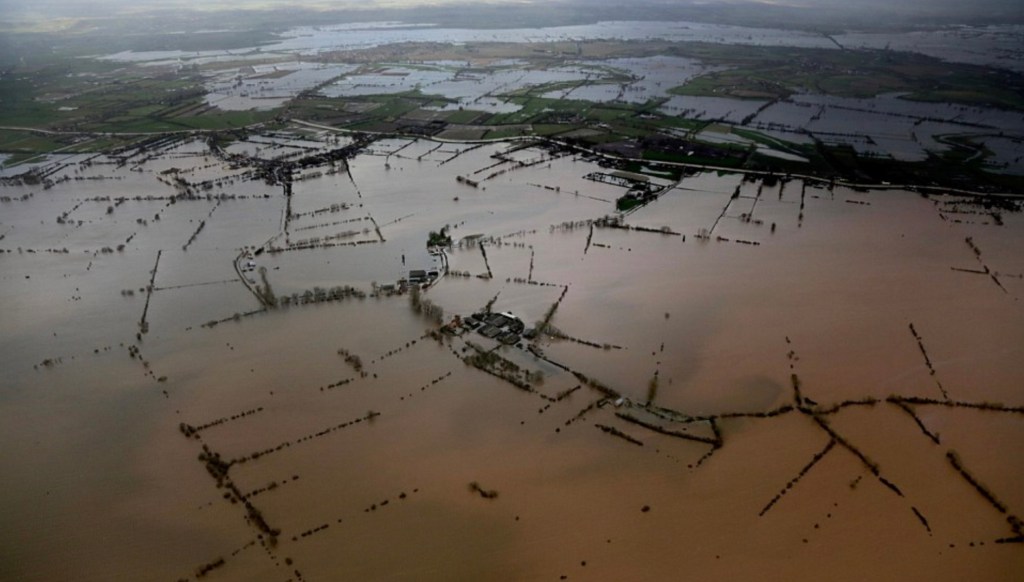
I have written many times about our small village in Berkshire and the diaries of how many times we have flooded, how we are sacrificed to save 5000 people in Maidenhead, which incidentally is a much wealthier area. These photographs give some indication of the extent of the water spread.
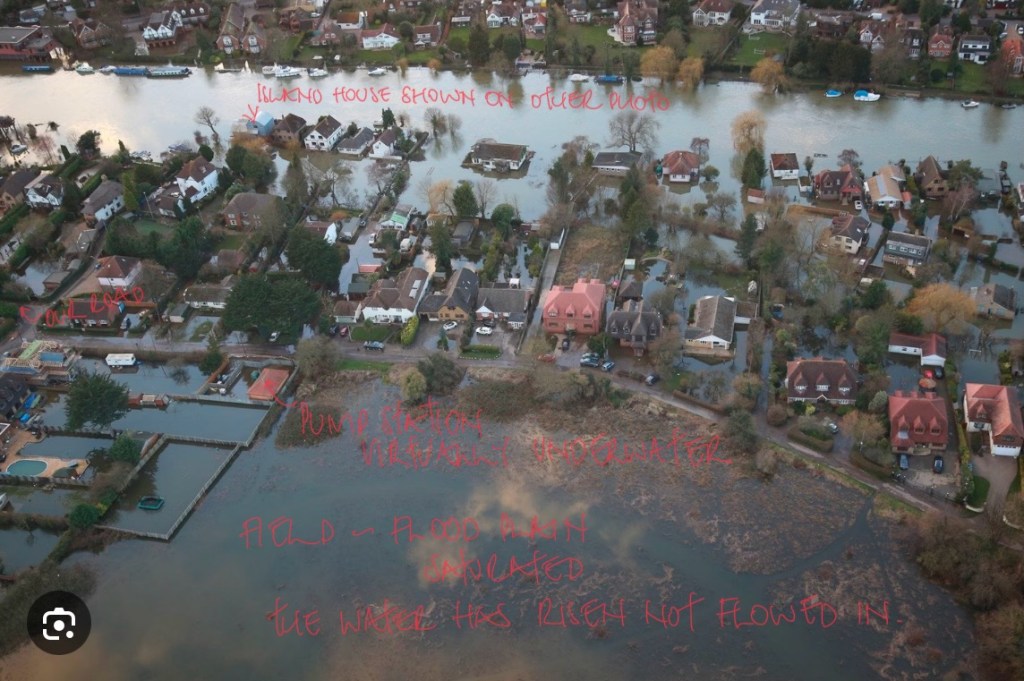
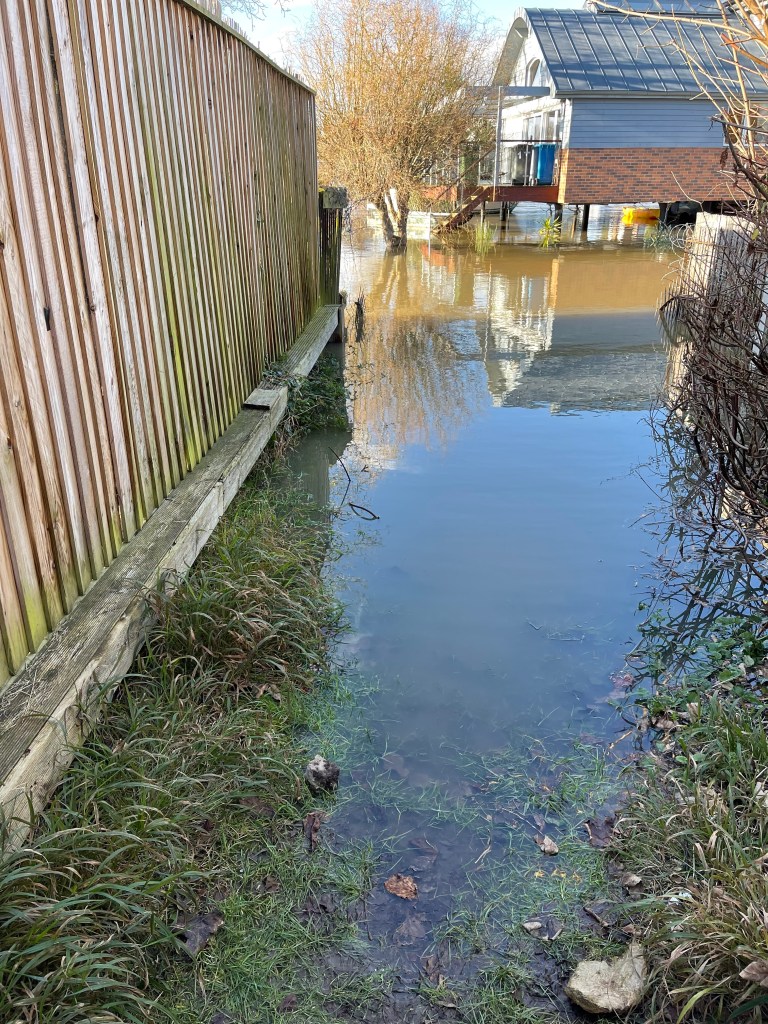
This island house is indicated on the above photograph to the top left.
Below shows the flooding over the Thames Valley.
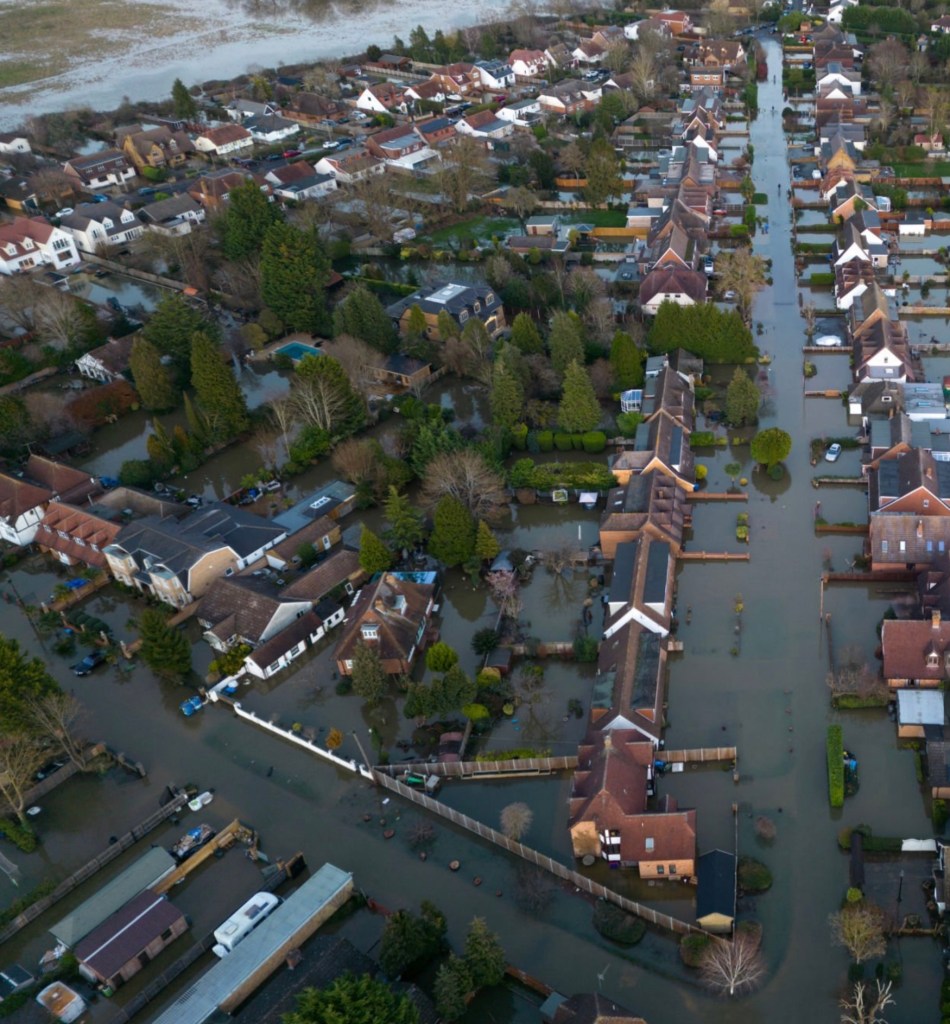
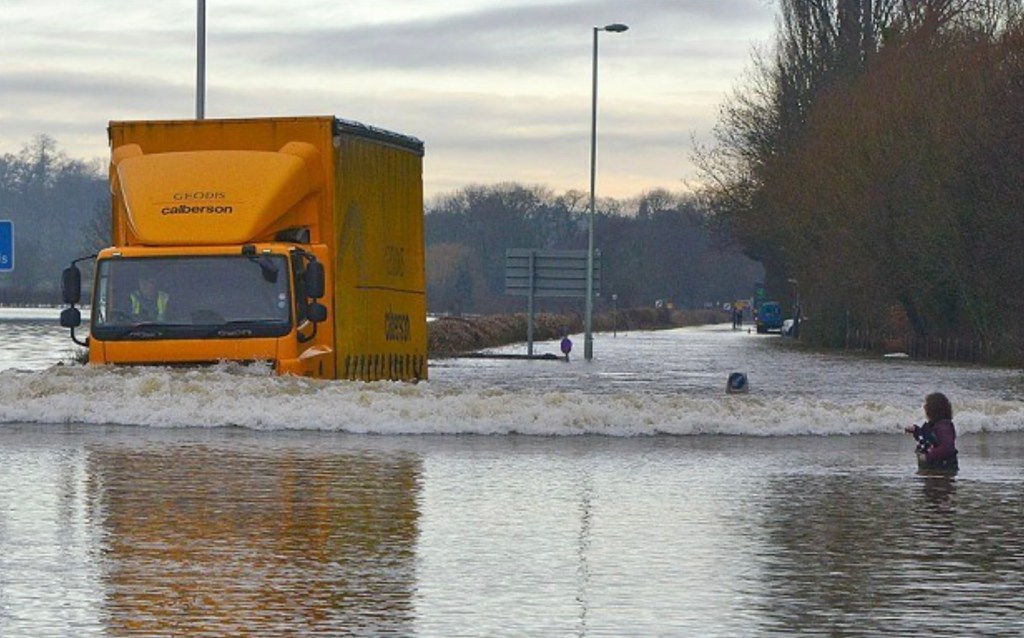
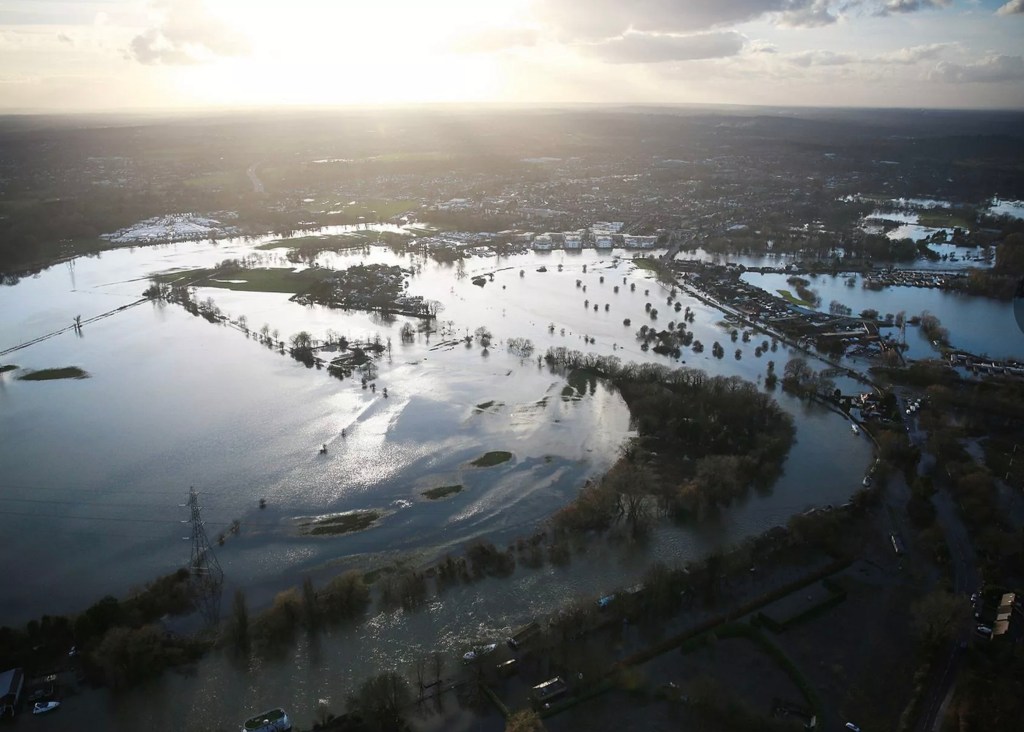
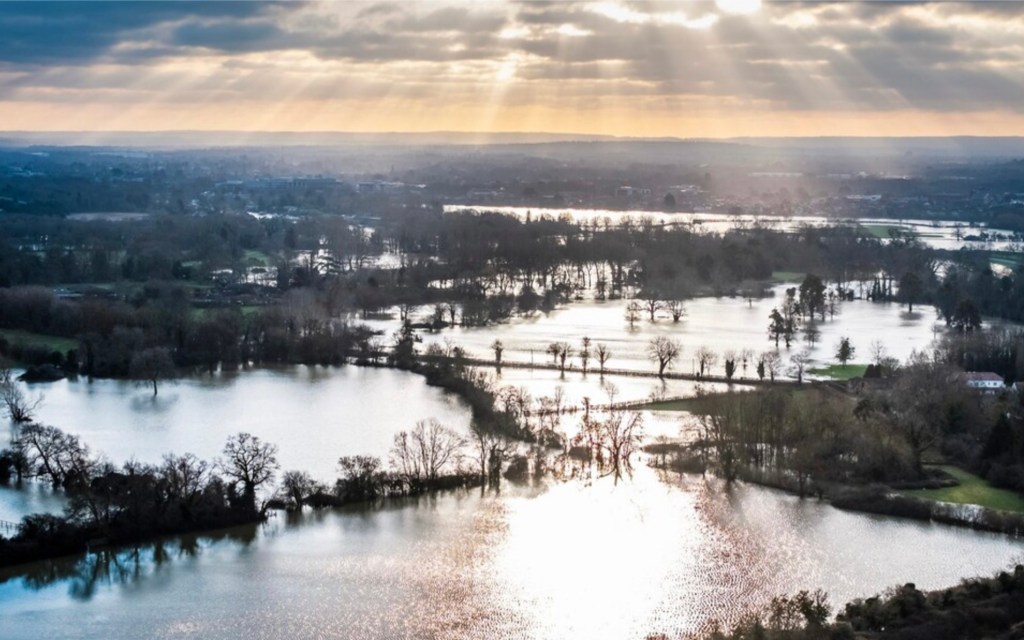
I have been thinking about the seasons and how they used to be so defined, each fairly tight to the three month time frame. Every winter for me now is so full of dread, the consistent , persistent rain, endless days of it. It seems so rare to have a cold spell for more than a couple of weeks. This cycle has almost become normal. This winter (January 2025) we have been on flood alert at least eight times. The river is high, however it’s holding its own.
Our village has a flood warden who has lived here longer than us, he knows the course of the river so well. With him, and the lock keeper at Bell Weir, we are regularly updated as to what may or may not happen, when we are put on alert. They patrol the streets by foot, set up road blocks to prevent any unnecessary movement of water and also to stop the press getting through. There is a problem with 4 x 4 cars and trucks coming into the village to have nose, the movement of the wake can be the difference between a house flooding or not.
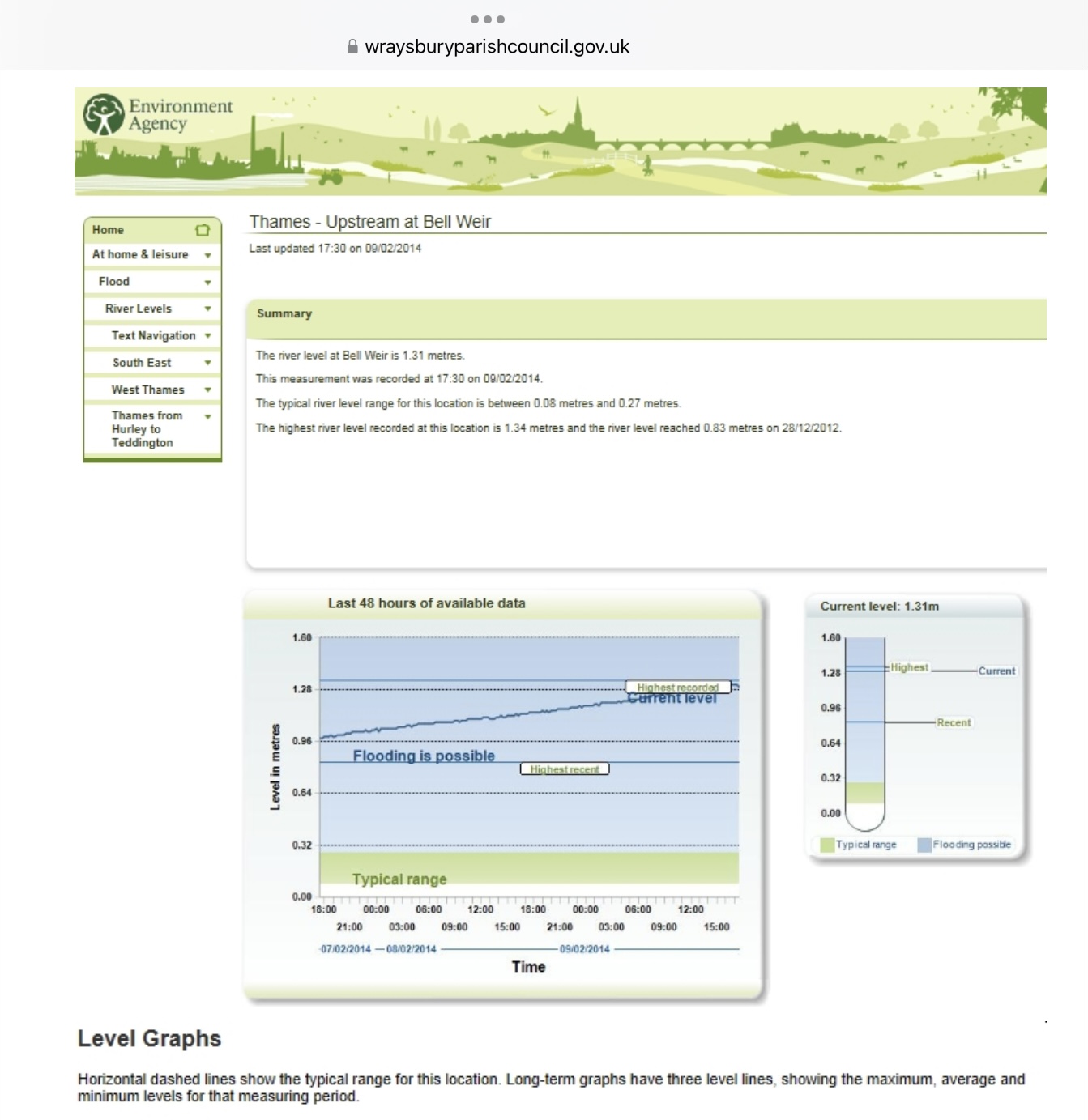
These graphs give an indication of the levels reached.
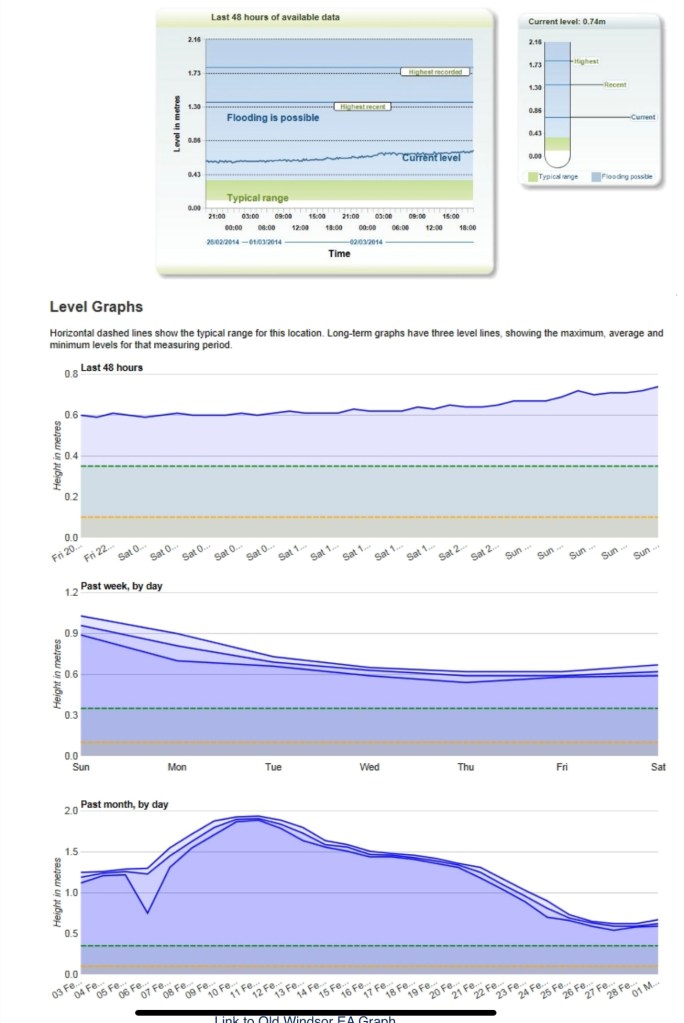
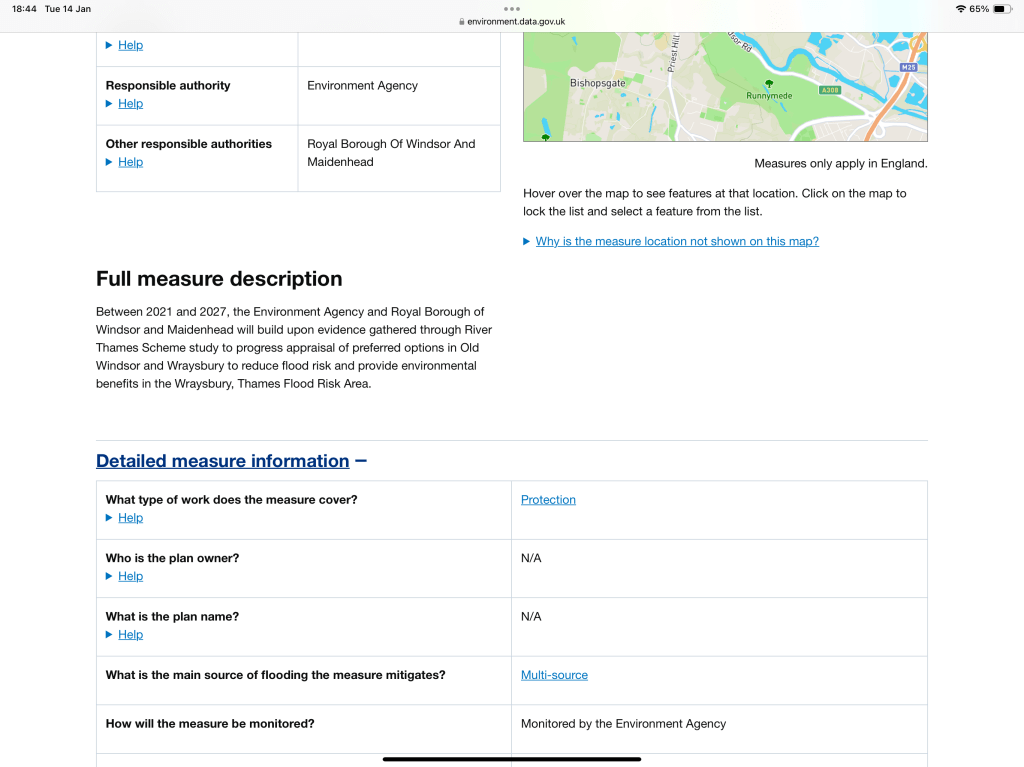
The information below states that between 2021 and 2027 the Royal Borough of Windsor and Maidenhead “Will build upon evidence gathered through River Thames Scheme study to progress appraisal of preferred options in Old Windsor and Wraysbury to reduce flood risk and provide environmental benefits in the Wraysbury, Thames Flood Risk Area”. During those six years the borough are doing nothing apart from gathering information. In the mean time, elderly, vulnerable, families with young children and other residents have to suffer the flood water mixing with sewage in their streets, gardens and in their houses. I can not express how completely disgusting the water is, the smell lingers long after the river has subsided. It leaves behind a thick layer of silt which can only be removed by jet washing, the rain isn’t enough to wash it away.
In the summer months everything changes and this area becomes lush and green, the water calmer and slower.
***
Jason deCaires Taylor
“The Rising Tide was located within the sights of the Houses of Parliment. I think we really have to start holding people accountable for what they are doing. And that needs to be documented in stone rather than in a few words in a newspaper column that disappears. There are a lot or people whose actions need to be immortalised”. Jason Decaires.
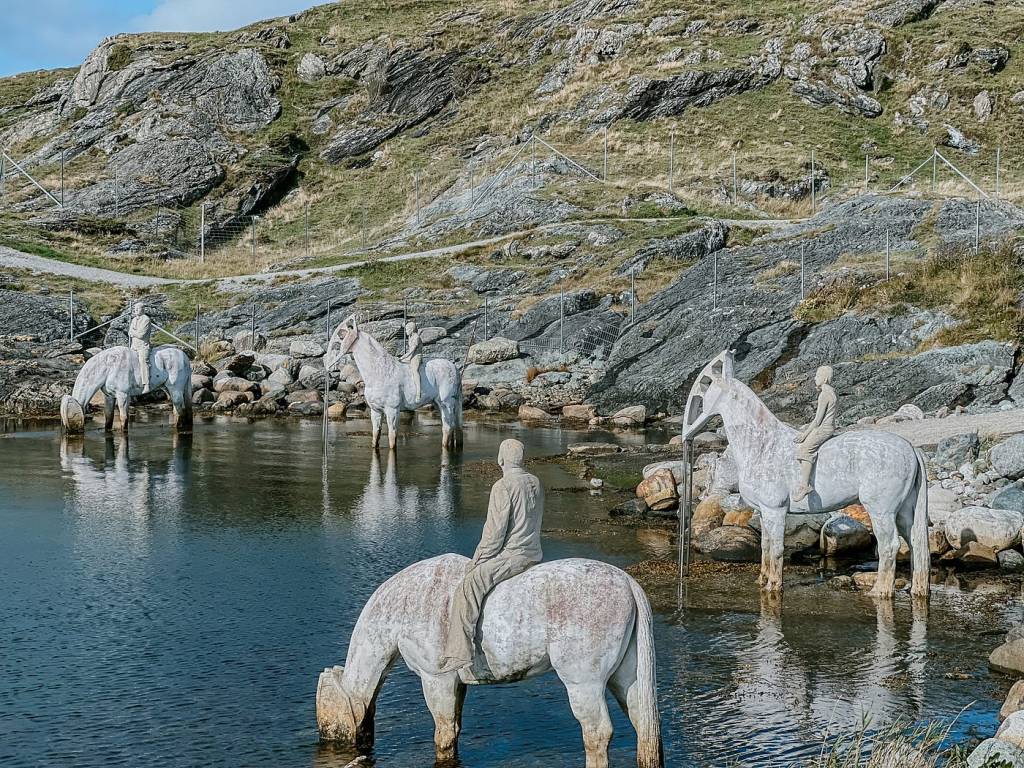
The Rising Tide – Haugesund, Norway 2020 © Jason deCaires Taylor
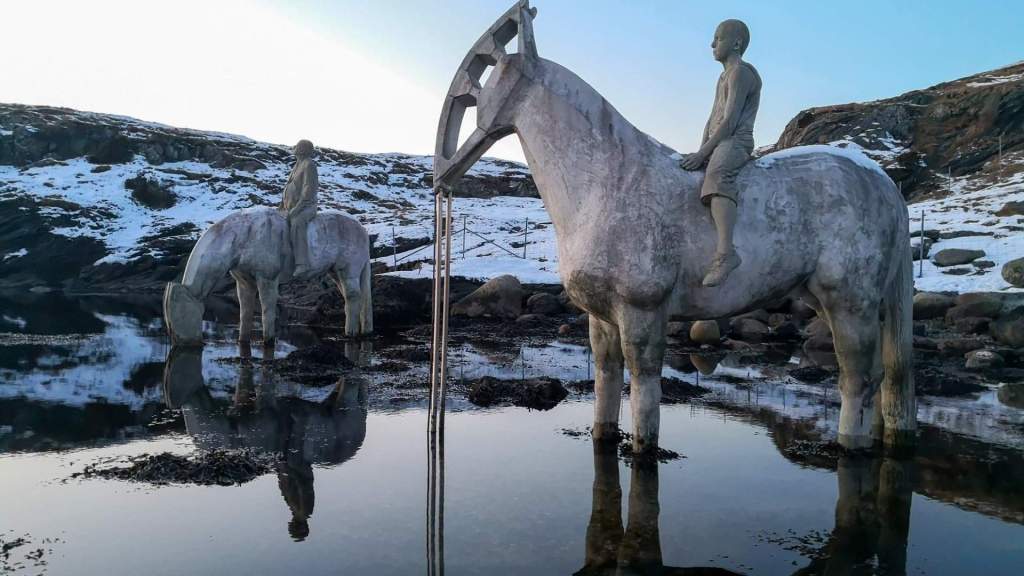
The Rising Tide – Haugesund, Norway 2020 © Jason deCaires Taylor
Originally in The River Thames opposite The Houses of Parliament, The Rising Tide is a sculpture of four horses with their heads replaced with oil well pumps, drawing attention to our continuous dependence on fossil fuels and the potential continual drain on the planets resources. Two business men sit on two of the horses, their faces sombre and children sit on the other two, their faces looking up in hope.
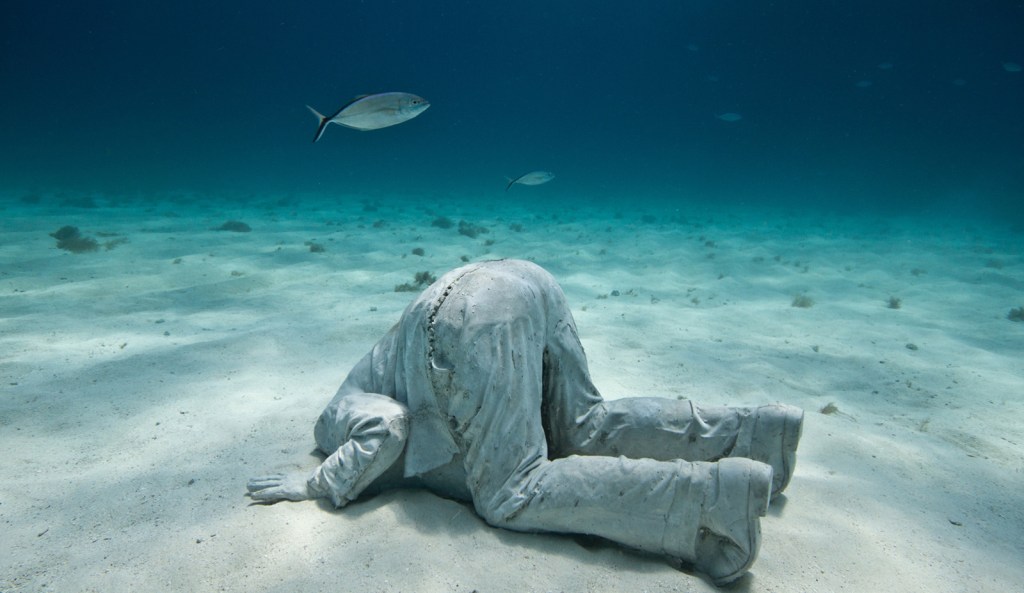
The Banker © Jason deCaires Taylor, 2012, pH neutral cement, stainless steel, aggregates. Location: Isla Mujeres, Mexico
Some of DeCaires Taylor’s dramatic, often huge installations are on the ocean floor, promoting marine conservation and illustrating our huge problem with climate change. The sculptures promote a dialogue and creates interest with tourists, divers and swimmers. The work is set a few metres below the surface so they can additionally be seen from a glass bottom boat.
***
This part of my practice is about my love/hate relationship to water. The fear in the winter and the joy of open water swimming/paddle boarding in the summer.
The process started with drawing a series of depictions of water.
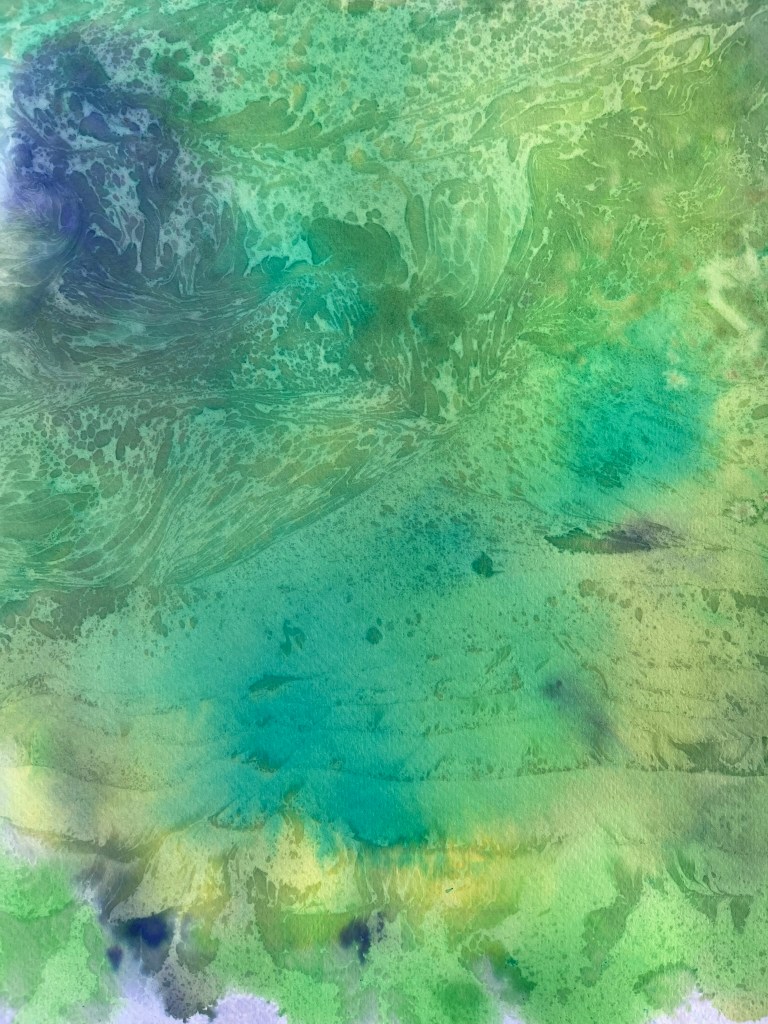
Image 1. A3 Water, oil, coarse salt and watercolour inks.
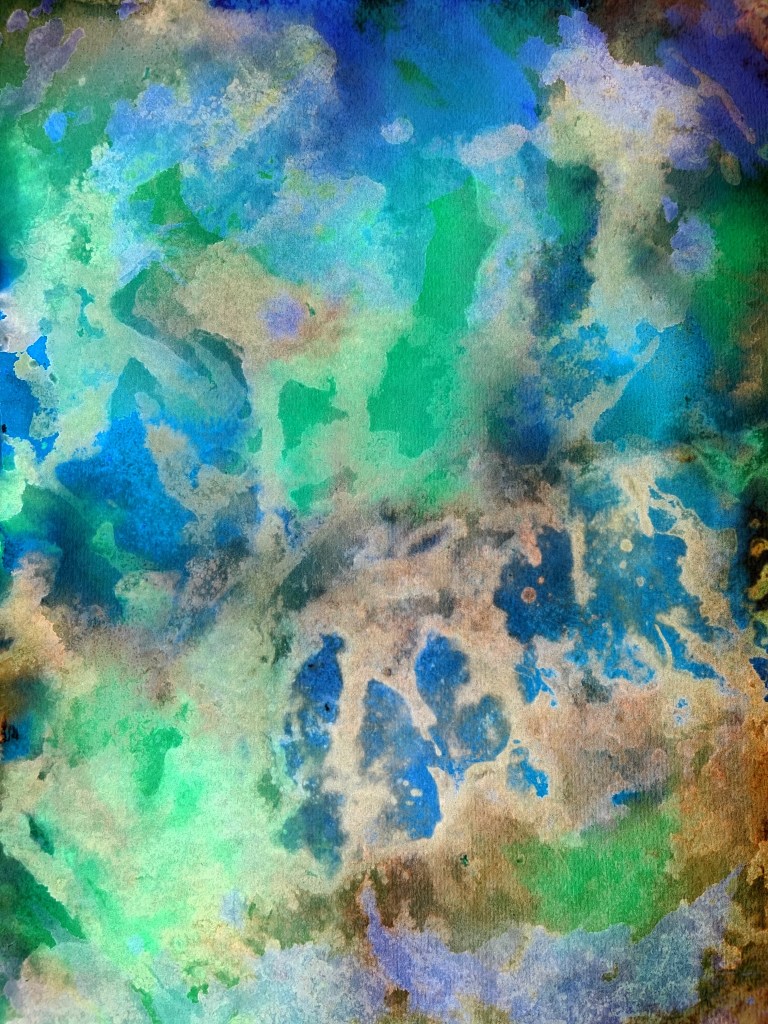
Image two. A3 Water, oil, coarse salt and watercolour inks.
Indicative of the water rising and falling leaving patches of land showing through the water course.
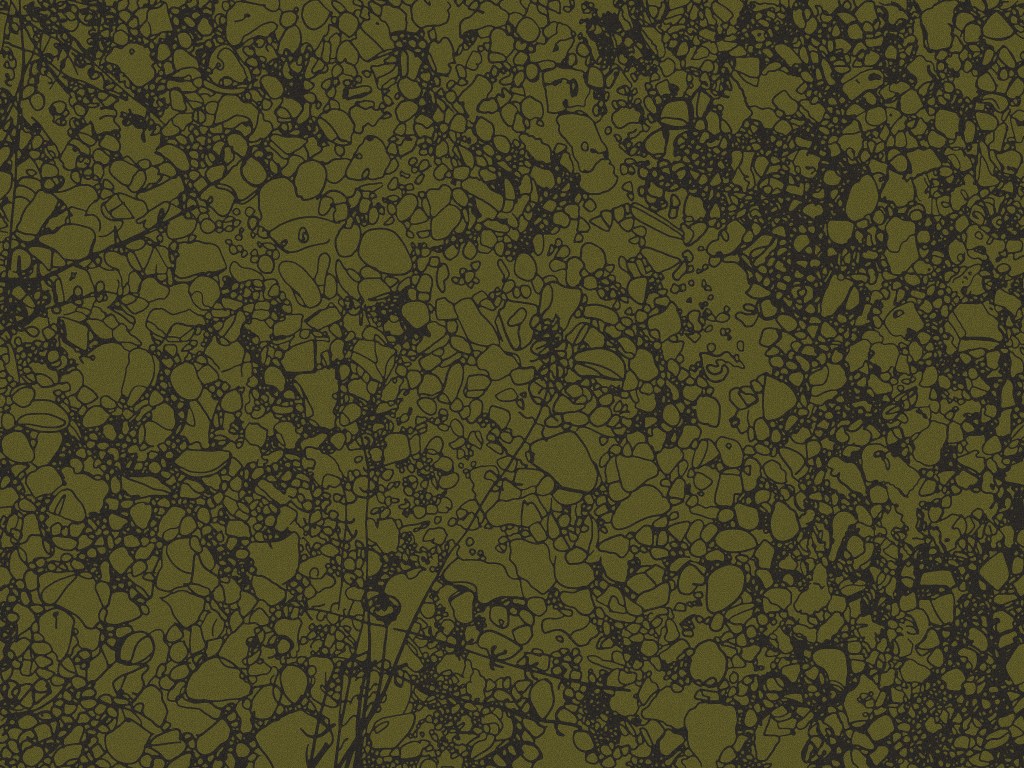
Image three. A3 Hand drawn stones, black fine liner on white paper, digital background added.
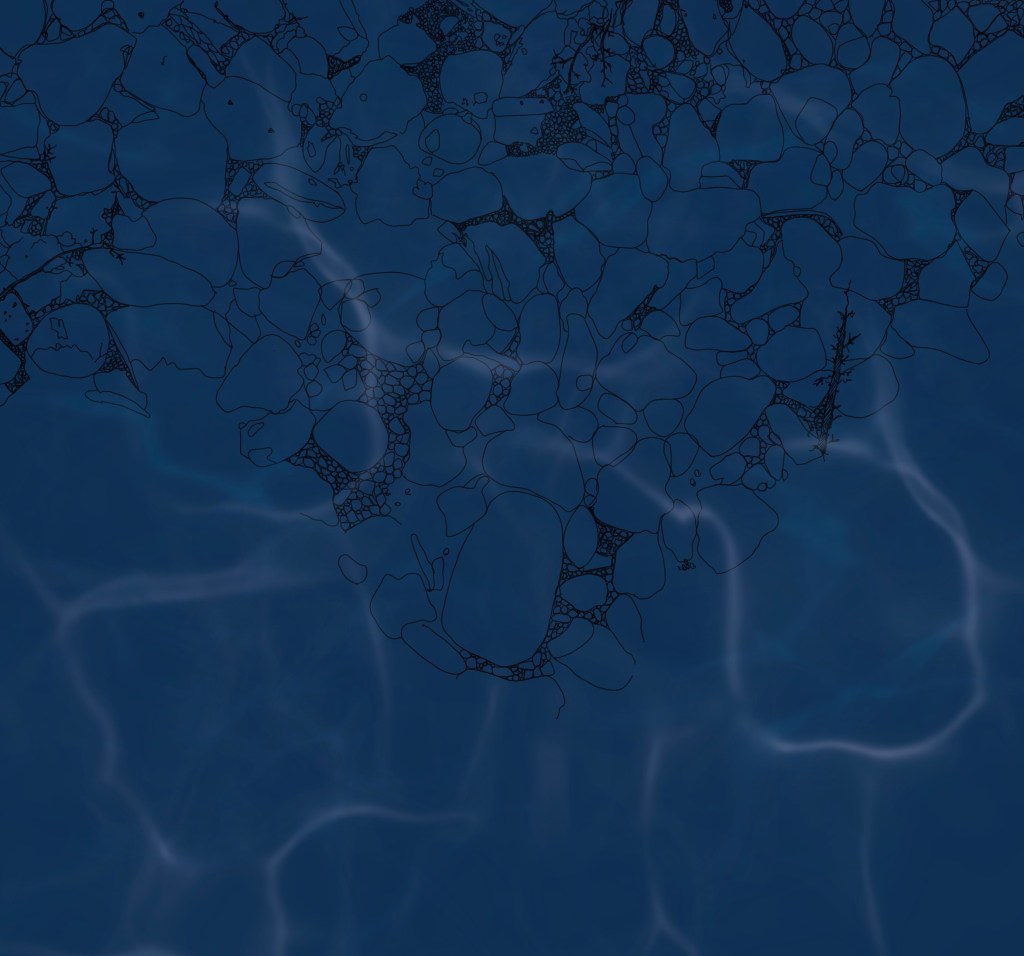
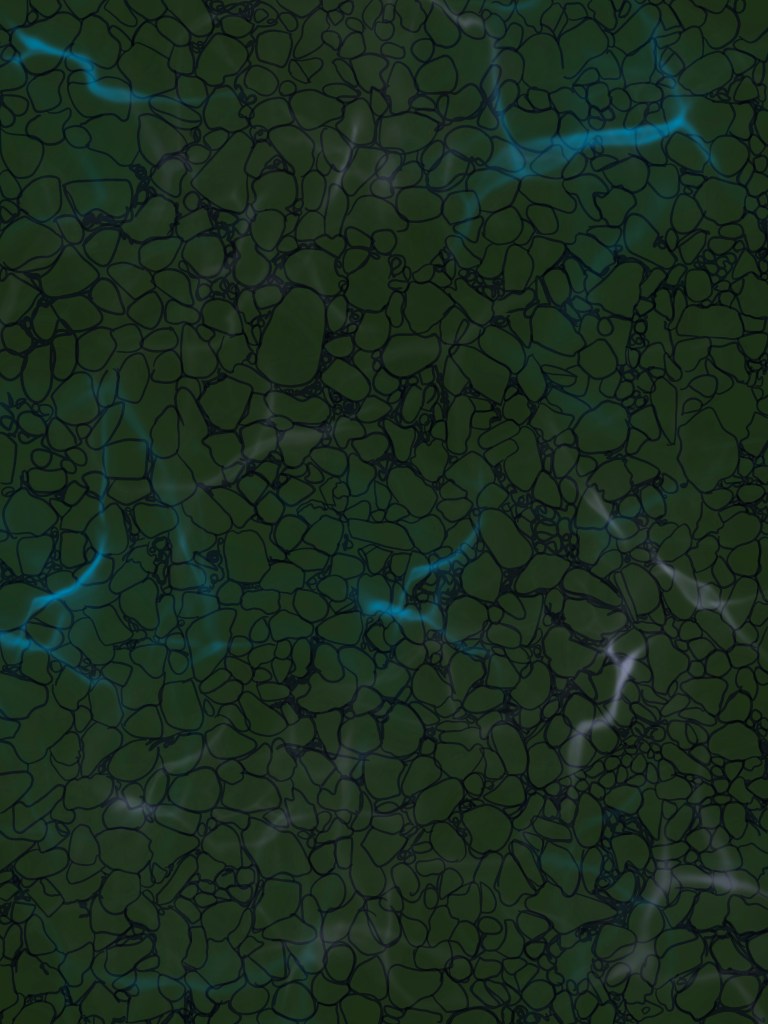

Image four, five and six. A4 Black and white drawings with digital background and gentle water flow added.
Using the drawings I layered the water underneath, the sketches are simple, very clean and clear, with a gentle rhythm to them. A trace of a moment, a memory of the kinder times.
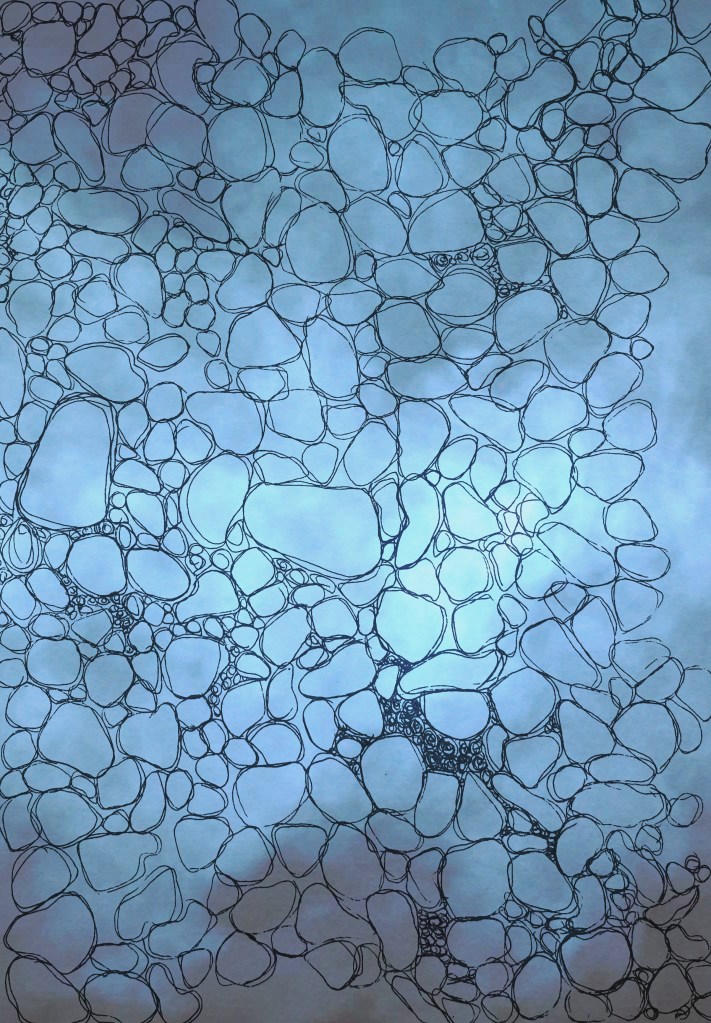
Image seven. A3 Black fineliner on white paper with digital background added.

Image eight. A3 Black fineliner on white paper with digital background added.
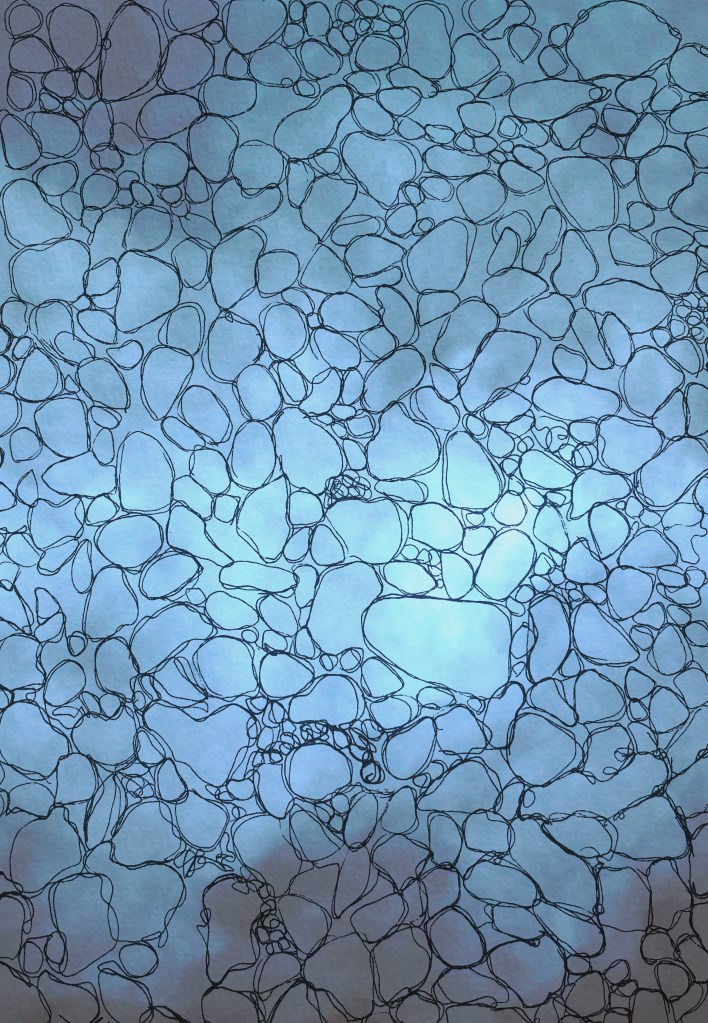
Image nine. A3 Black fineliner on white paper with digital background added.
Dark and sinister, the fast flowing river leaves a trace of what is underneath the water. Reeds, silt, rubbish, the darkness enhances the overall visual impact to the sketches, delicate mark making in contrast to the obstacles and detritus, to give a web of uncertainty.
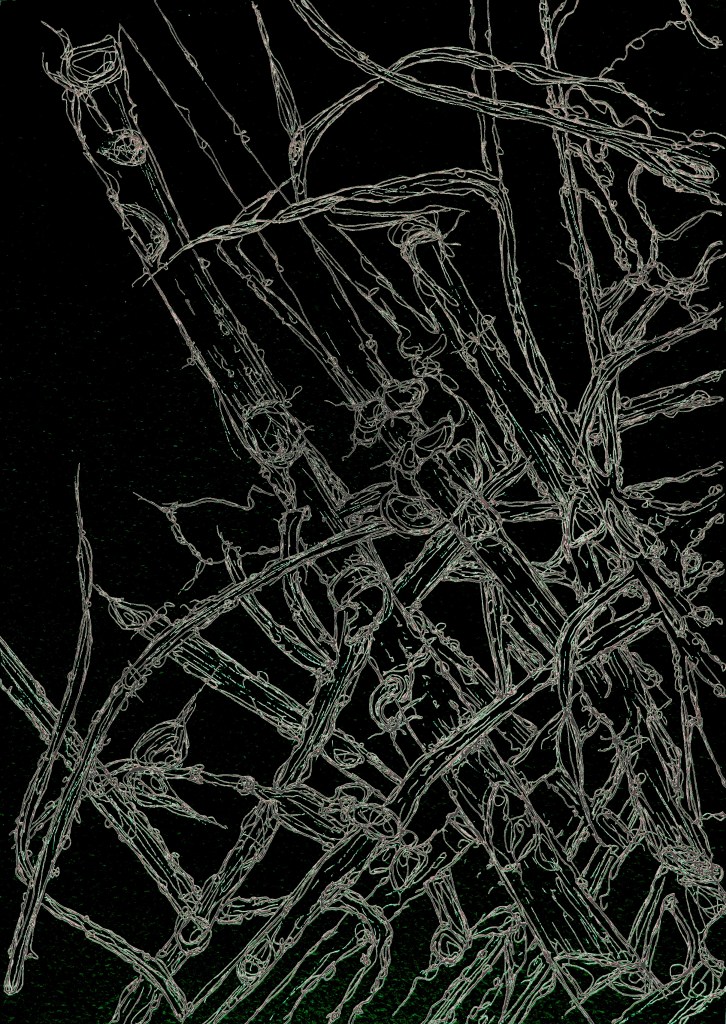
Image ten. A3 Black fineliner on white paper with digital background and a digital negative filter.
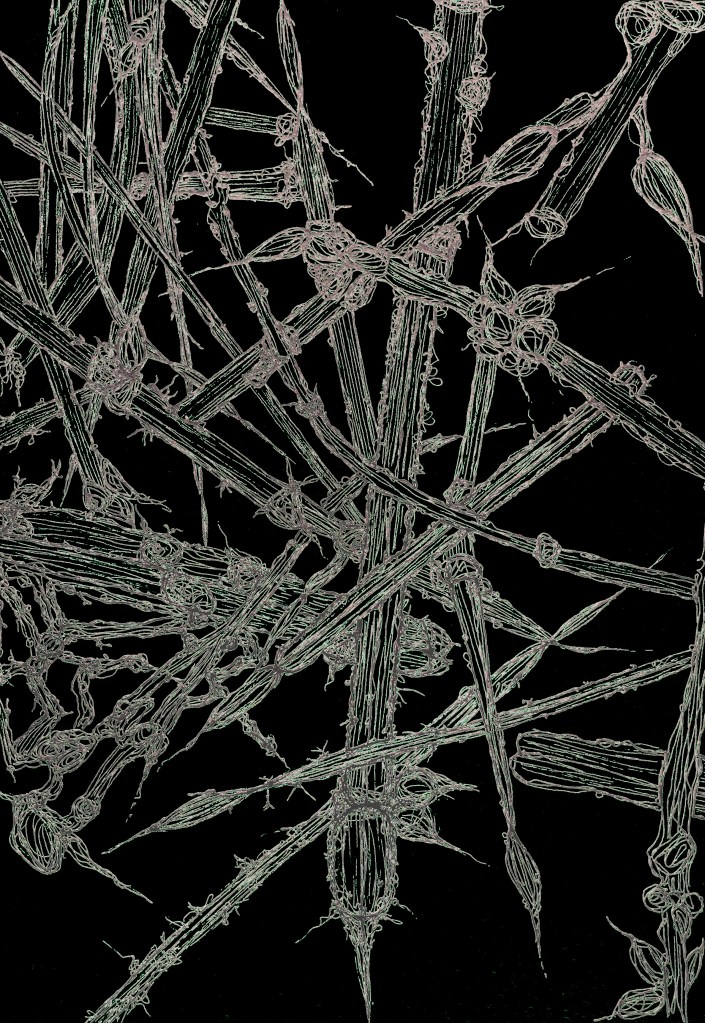
Image eleven. A3 Black fineliner on white paper with digital background and a digital negative filter.
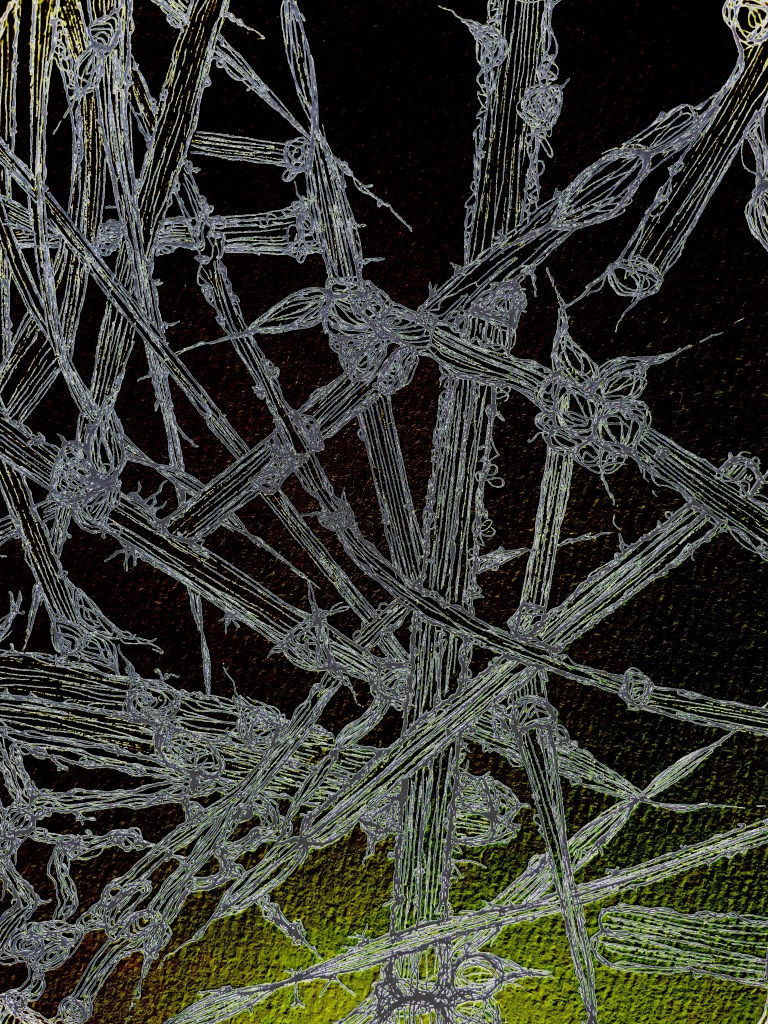
Image twelve. A3 Black fineliner on white paper with digital background and a digital negative filter.
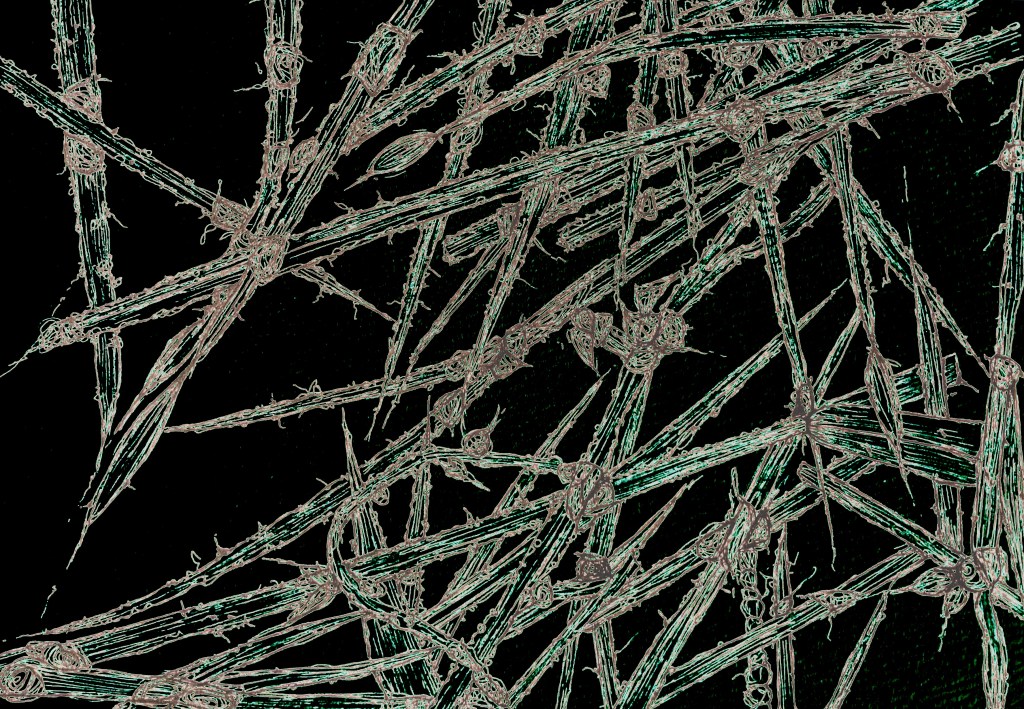
Image thirteen. A3 Black fineliner on white paper with digital background and a digital negative filter.
Reflection
The process of this project was to illustrate my love/hate relationship with water. The blacker, foreboding drawings being the darkest times within the cycle of the seasons, heavy rain and constant alerts from the Environmental Agency with flood warnings, flood alerts and the daily hope that the river will hold it’s own and stay within the confines of its bank. And the lighter, more delicate drawings, softer more gentle and rhythmic, illustrating warmer, drier months, where its warm enough to open water swimming and enjoy what’s around us. The flooding has changed the landscape with the constant battering of the weight of the water and altered how things grow, after sitting in unclean water for weeks on end.
References: Environment.data.gov.uk Accessed 20th January 2025
https://www.bbc.co.uk/news/uk-england-berkshire-67921030
Accessed 20th January 2025
Accessed 24th January 2025
https://www.telegraph.co.uk/news/2024/01/09/berkshire-flooding-wraysbury-evacuation-river-thames/
Accessed 26th January 2025
https://www.visitnorway.com/listings/the-rising-tide-by-jason-decaires-taylor/212229/
Accessed 4th February 2025
Artworks for Change Jason deCaires Taylor. Accessed 7th February 2025


