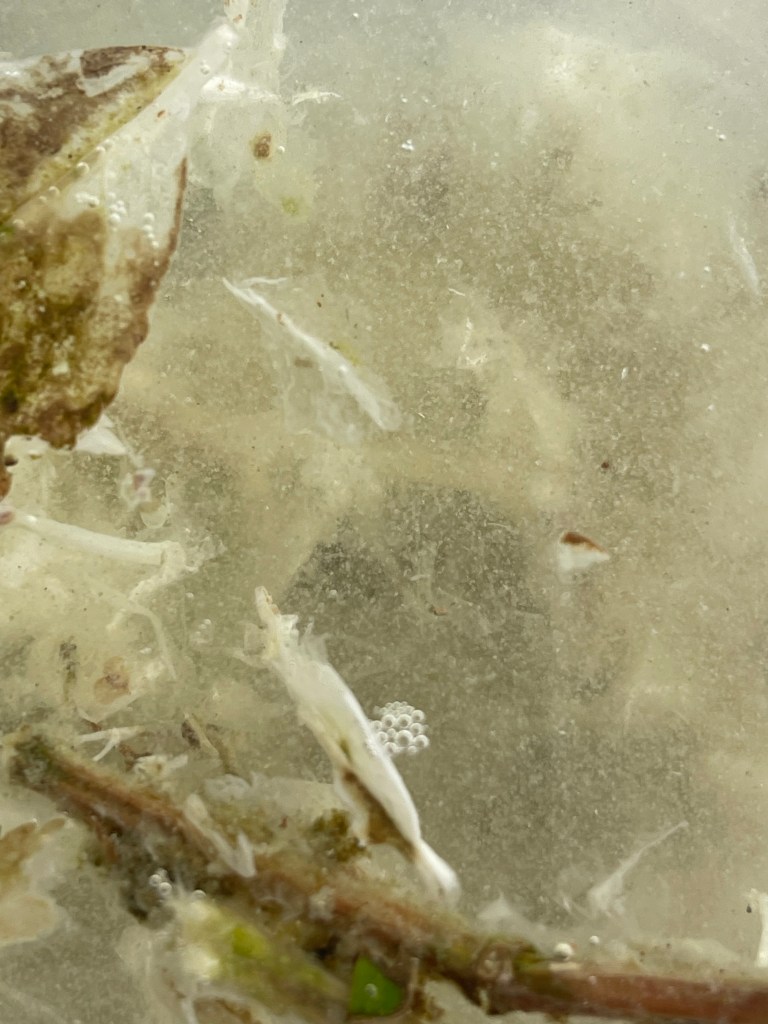
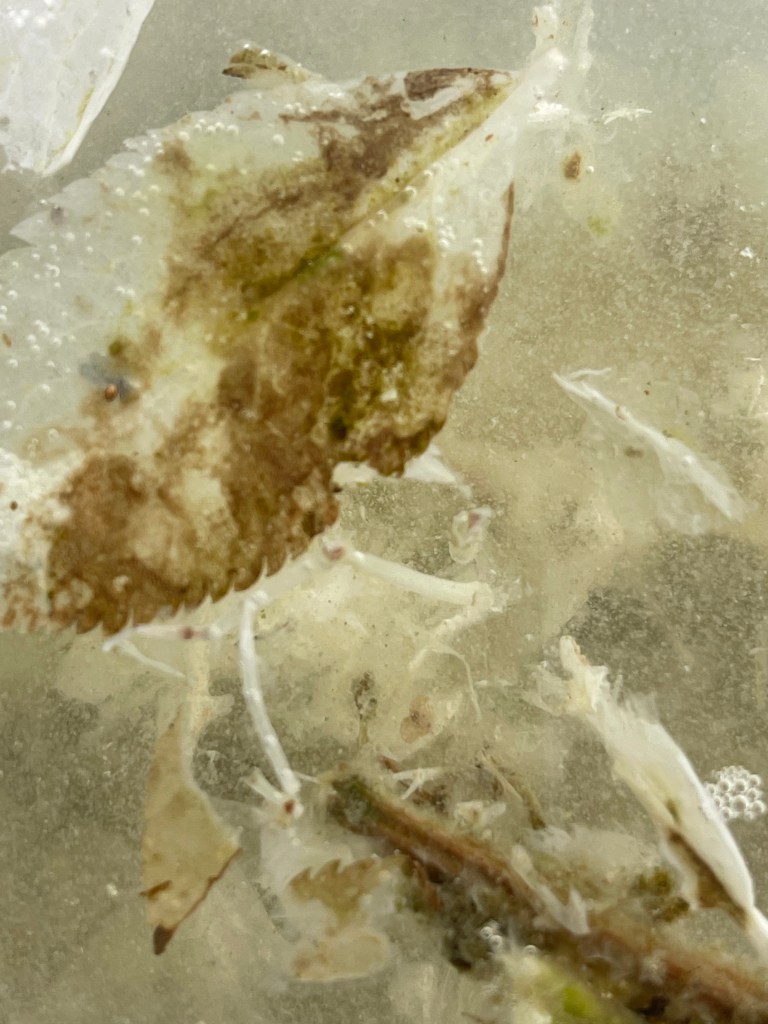
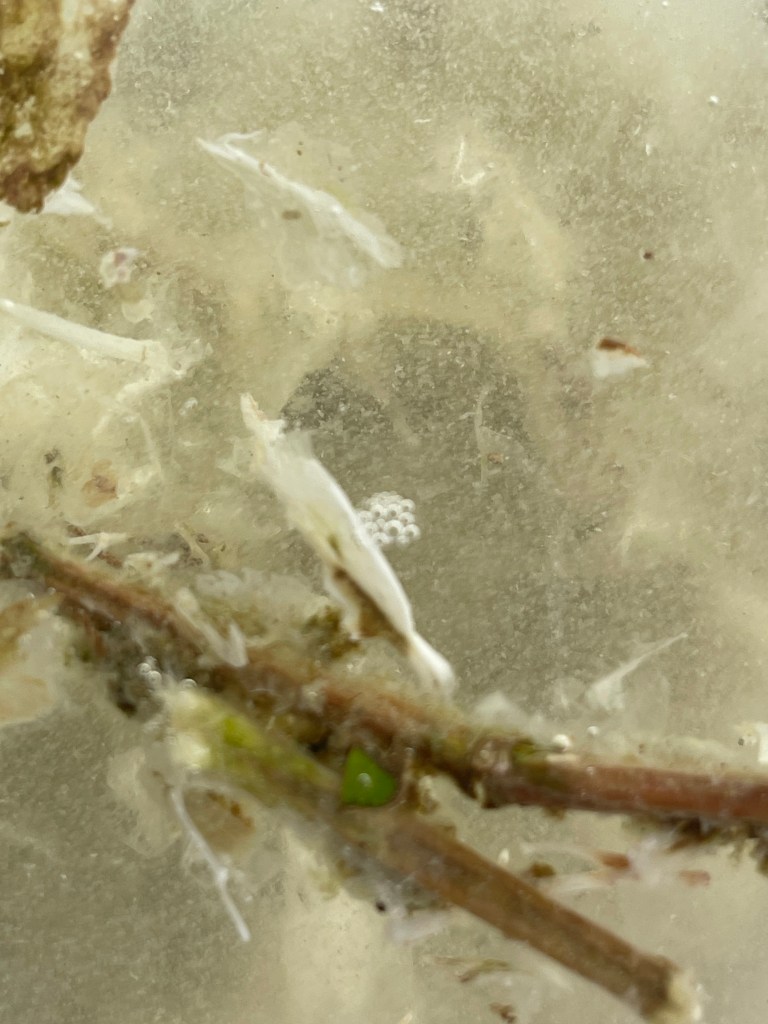
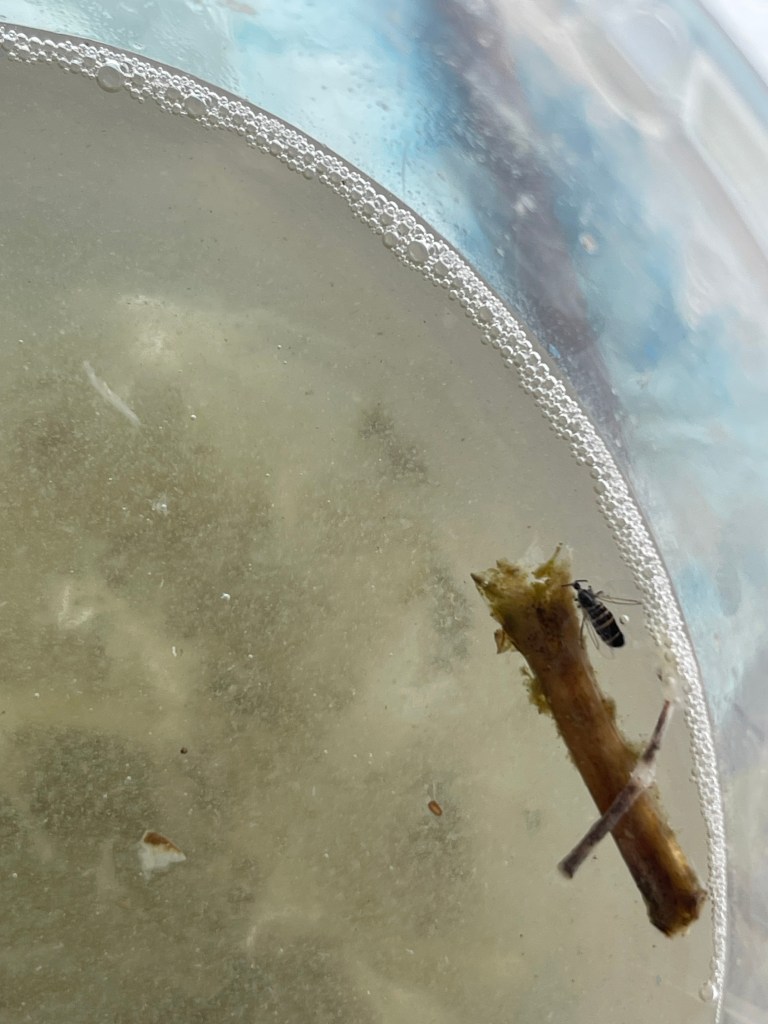
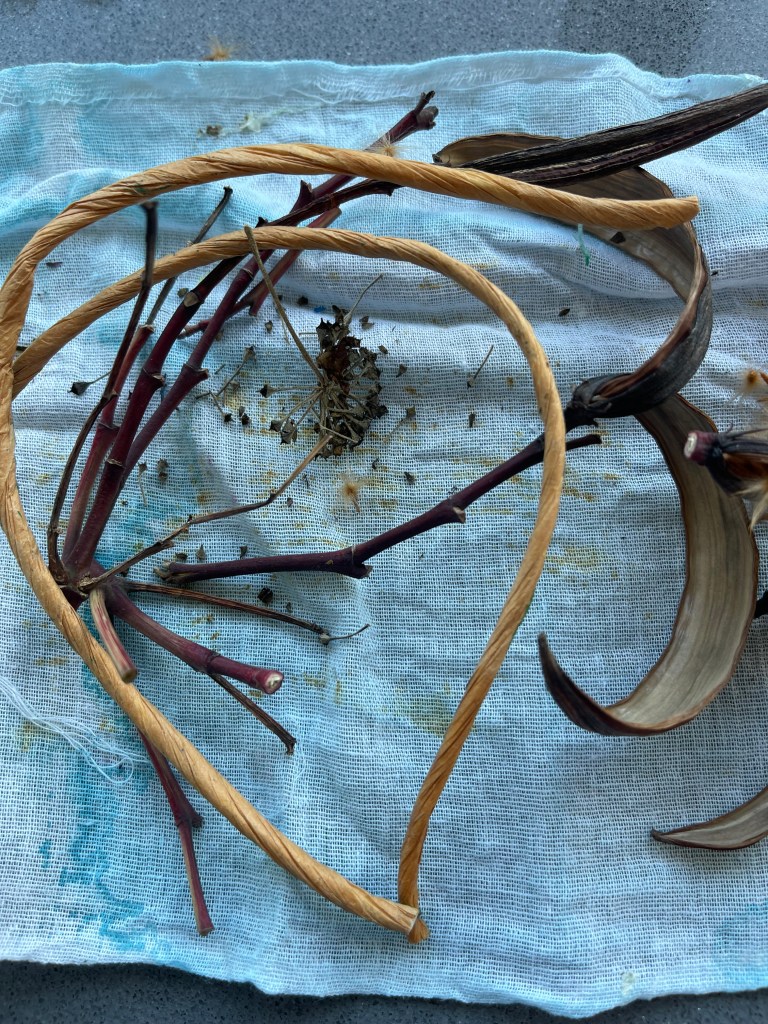
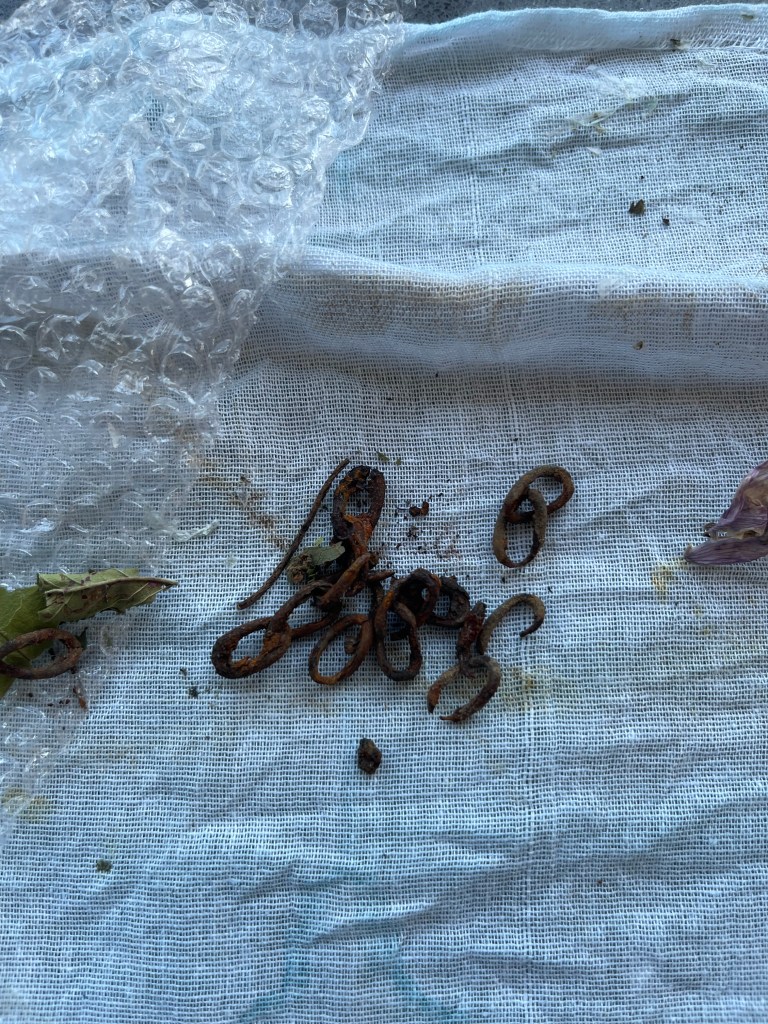
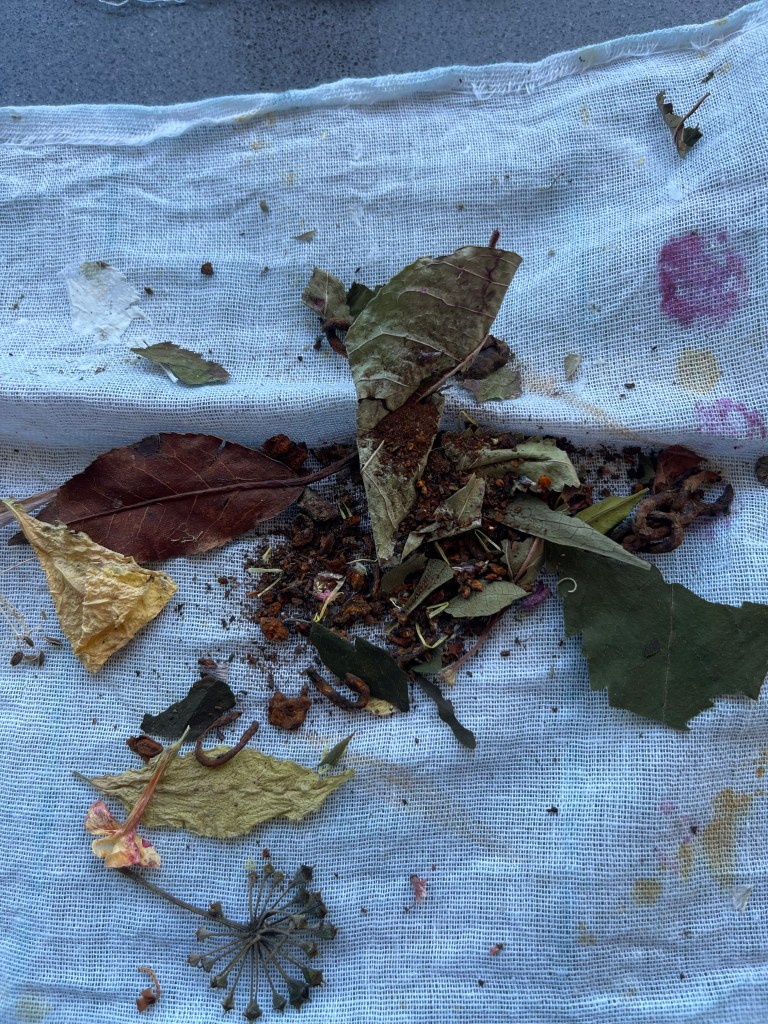
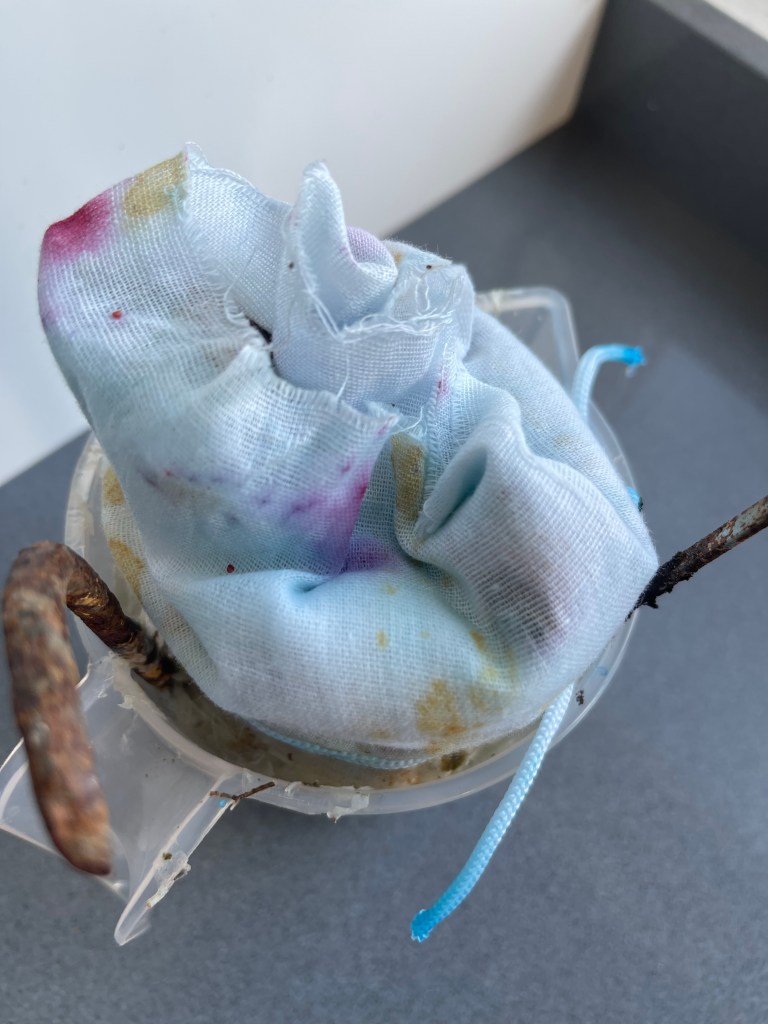
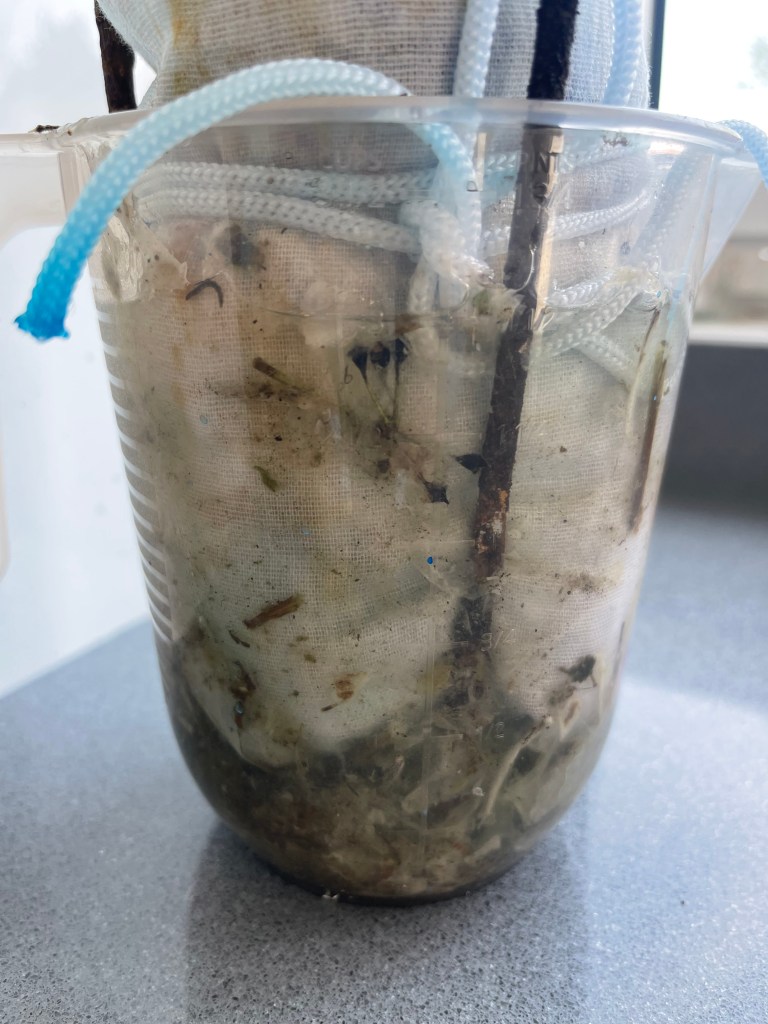
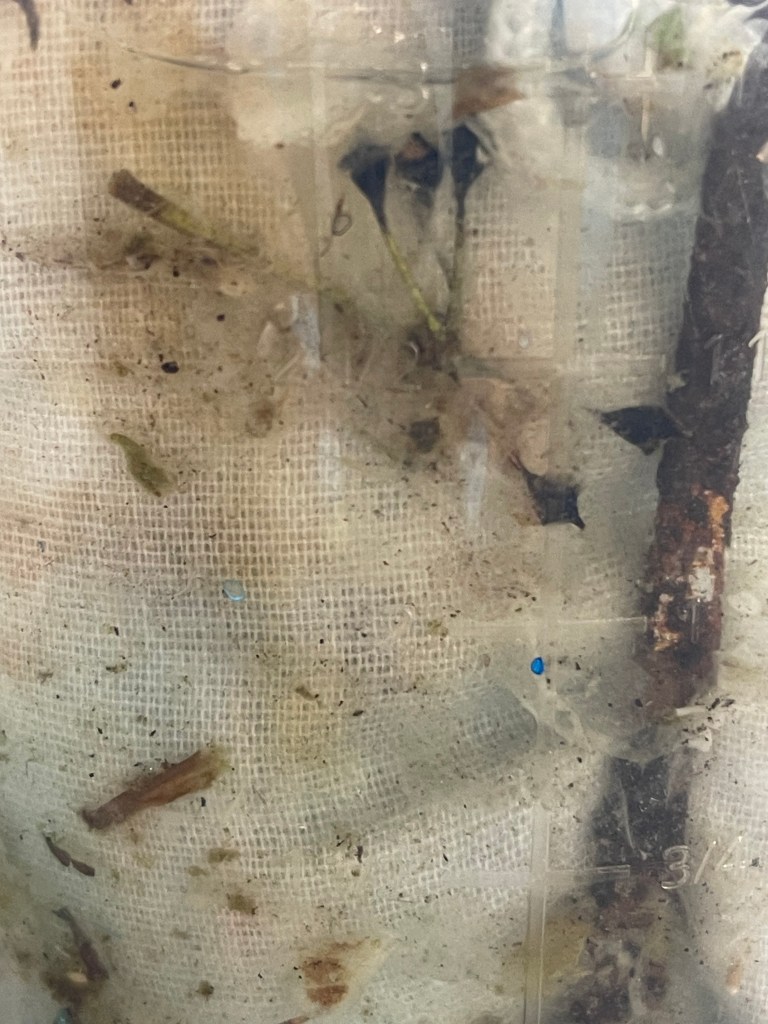
The river is definitely lower after some longer dry spells, the water recedes and the banks are drying up and even starting to crack in places. The water is still fast flowing so I have bought some water back to work with, however after making these pieces I will try and photograph then partly submerged.
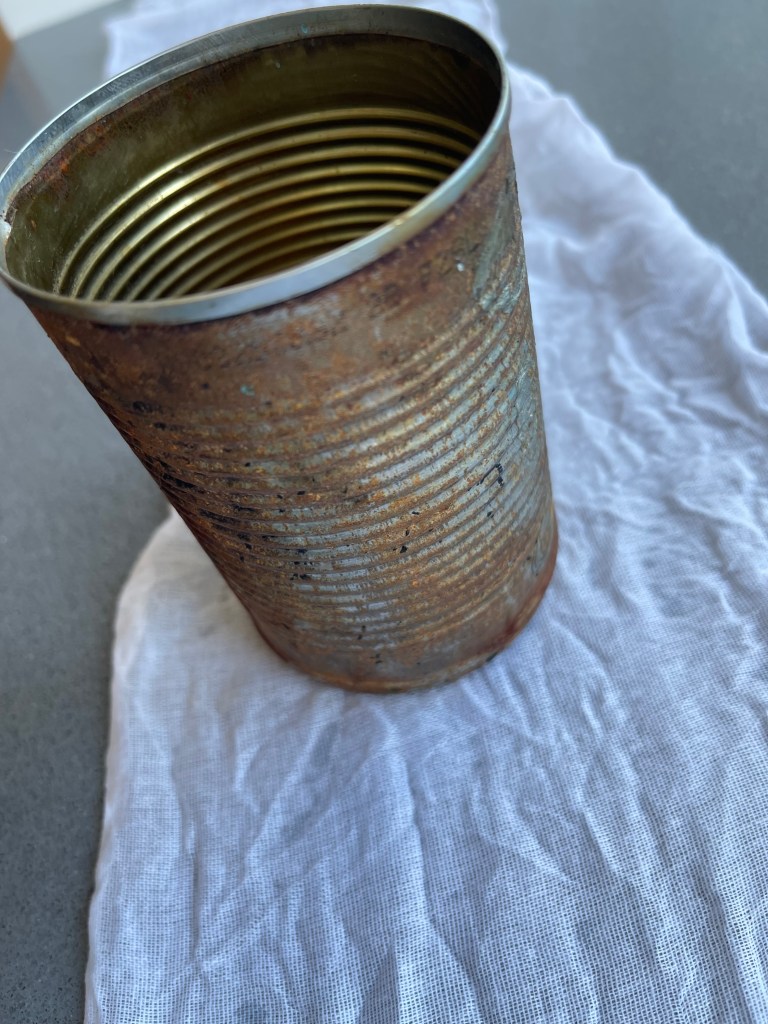
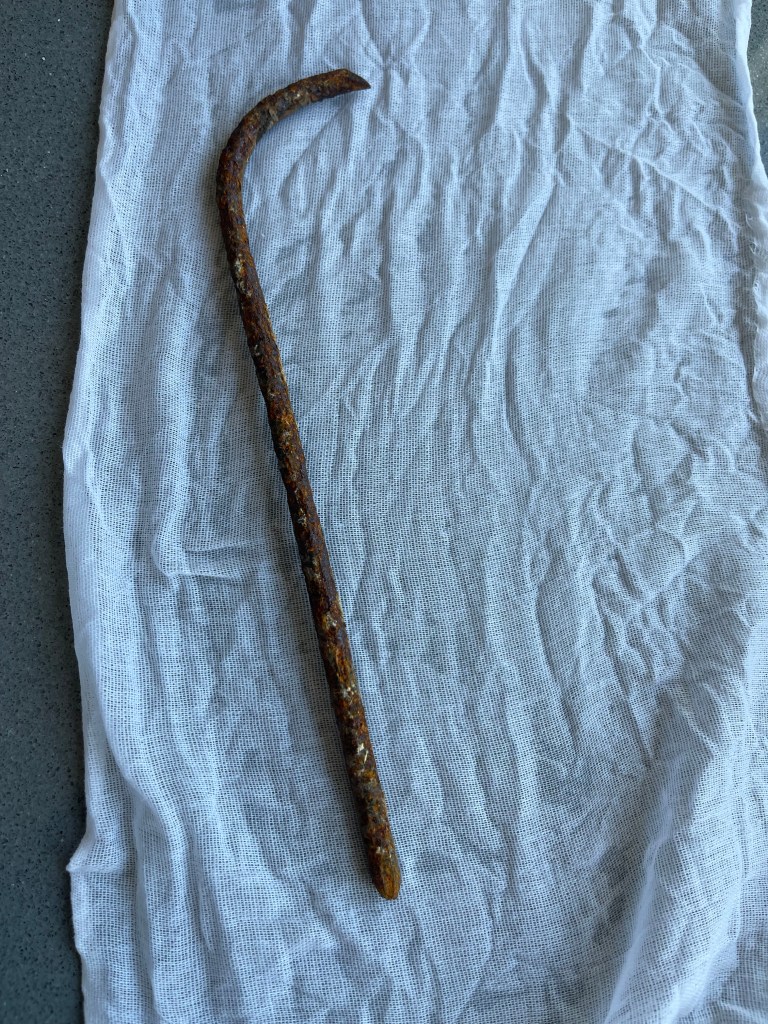
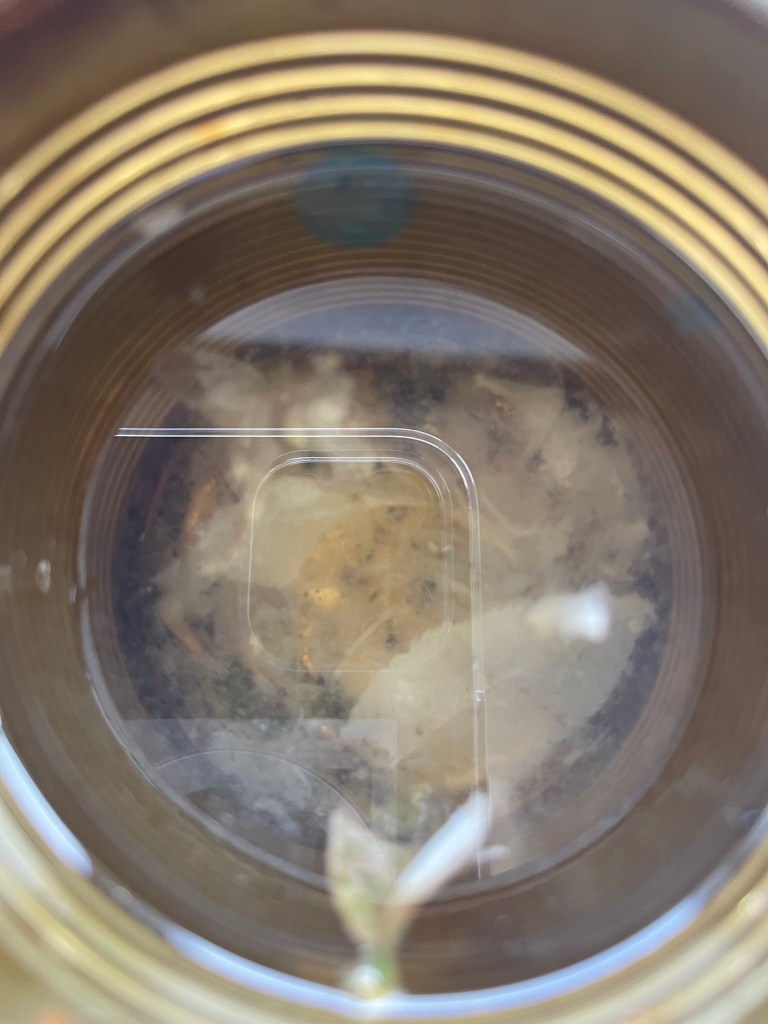
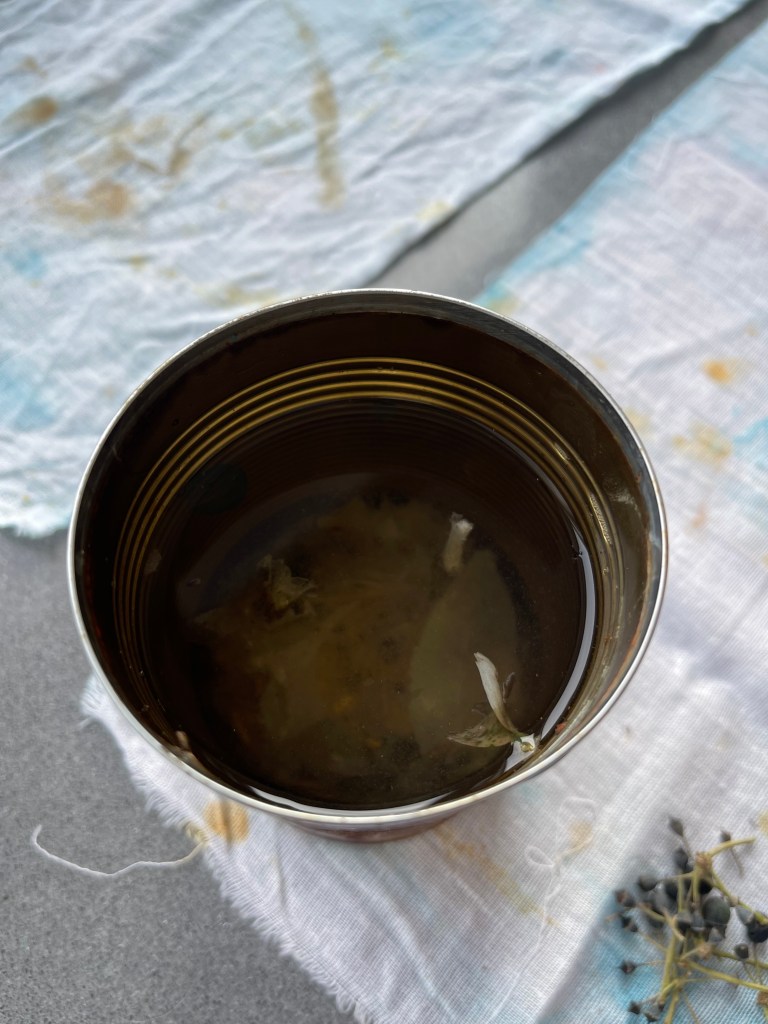
Using found objects, the tin is recycled from previously and the metal is from some reinforcement mesh for pouring concrete which I found by the river, surplus to some gas roadworks. I wanted to combine human intervention and decay mixed with the river water, binding the industrial with nature and the environment. Despite these pieces of rubbish being small, they will never decompose and only encourage environmental disruption by being litter.
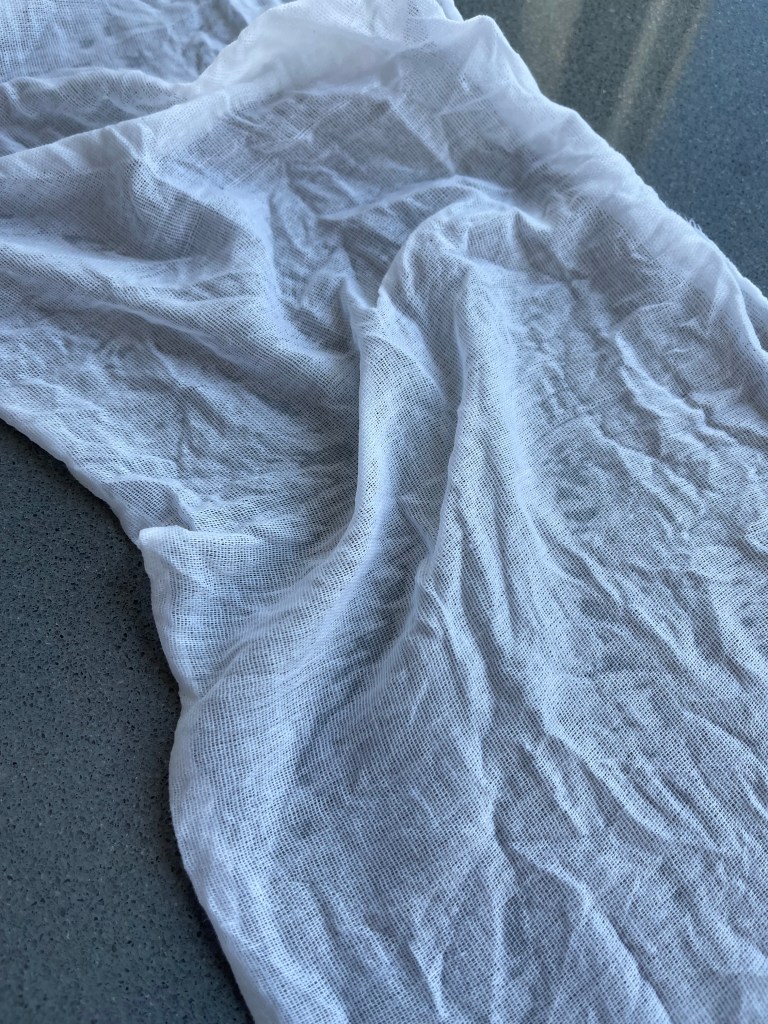
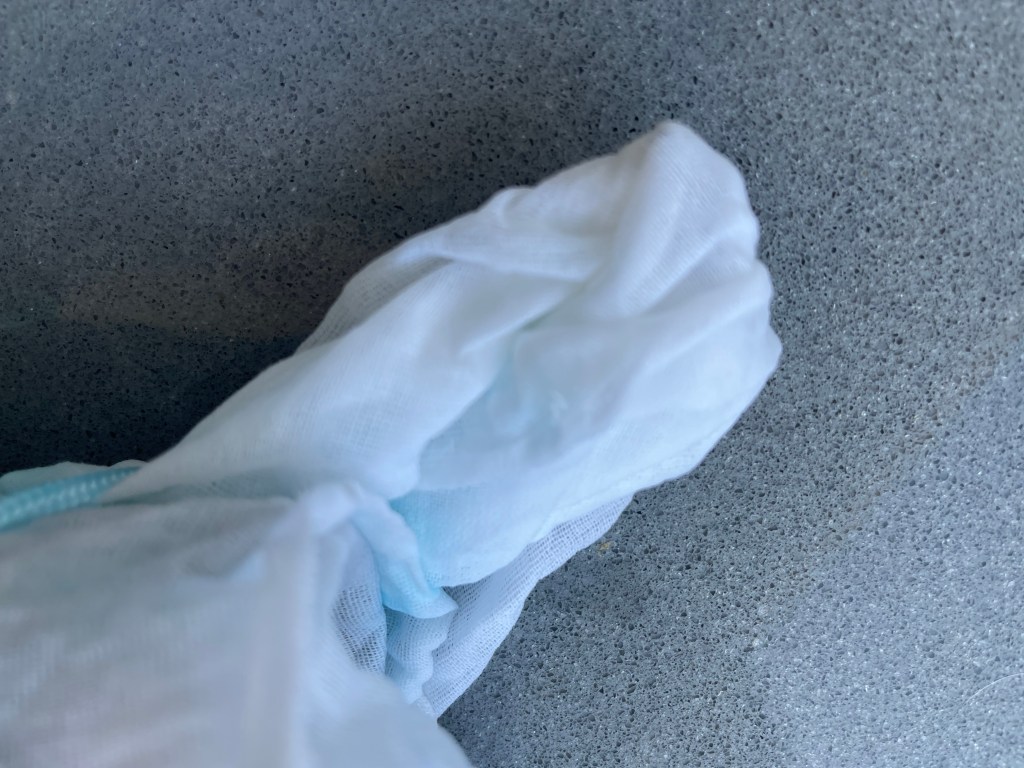
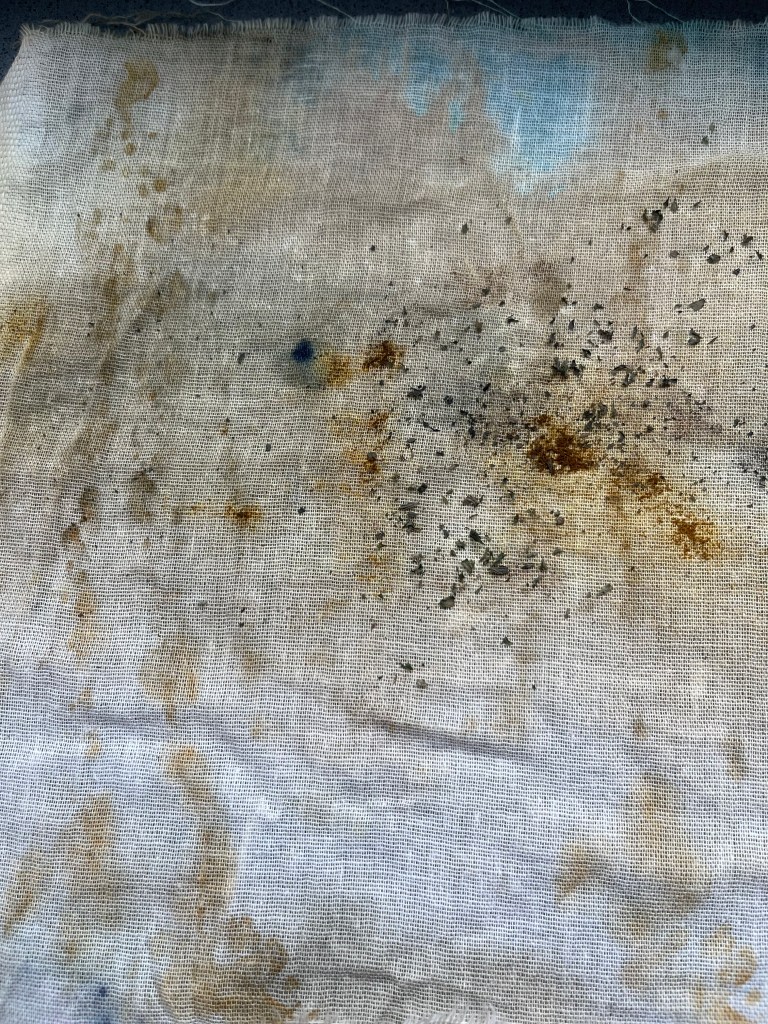
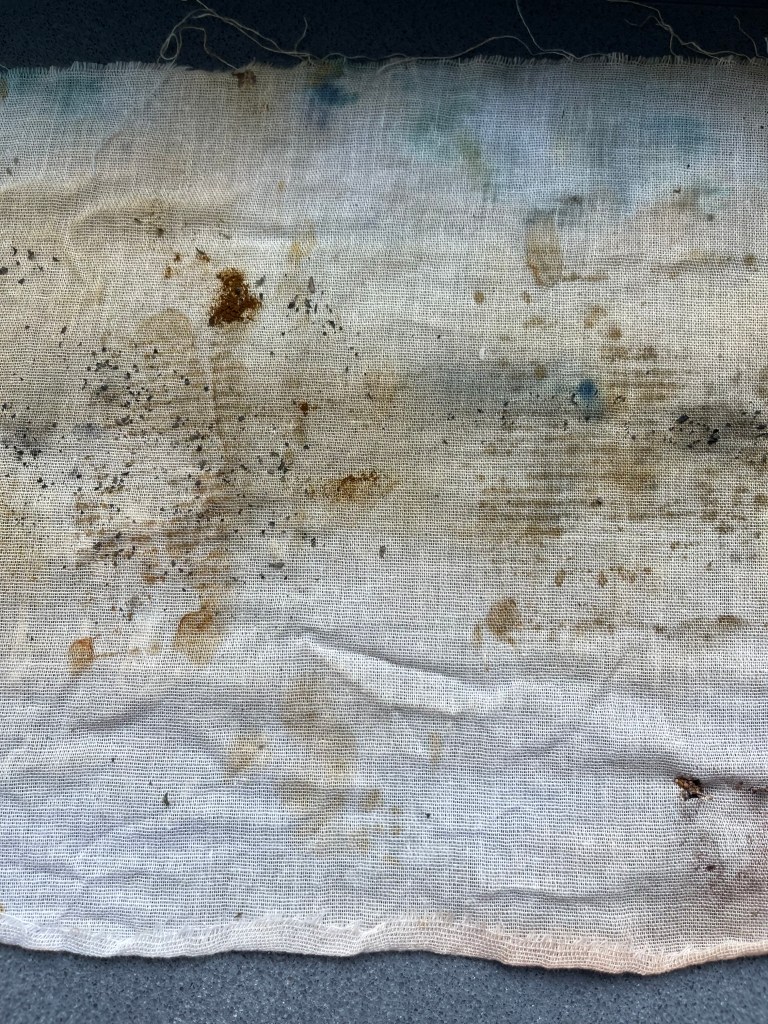
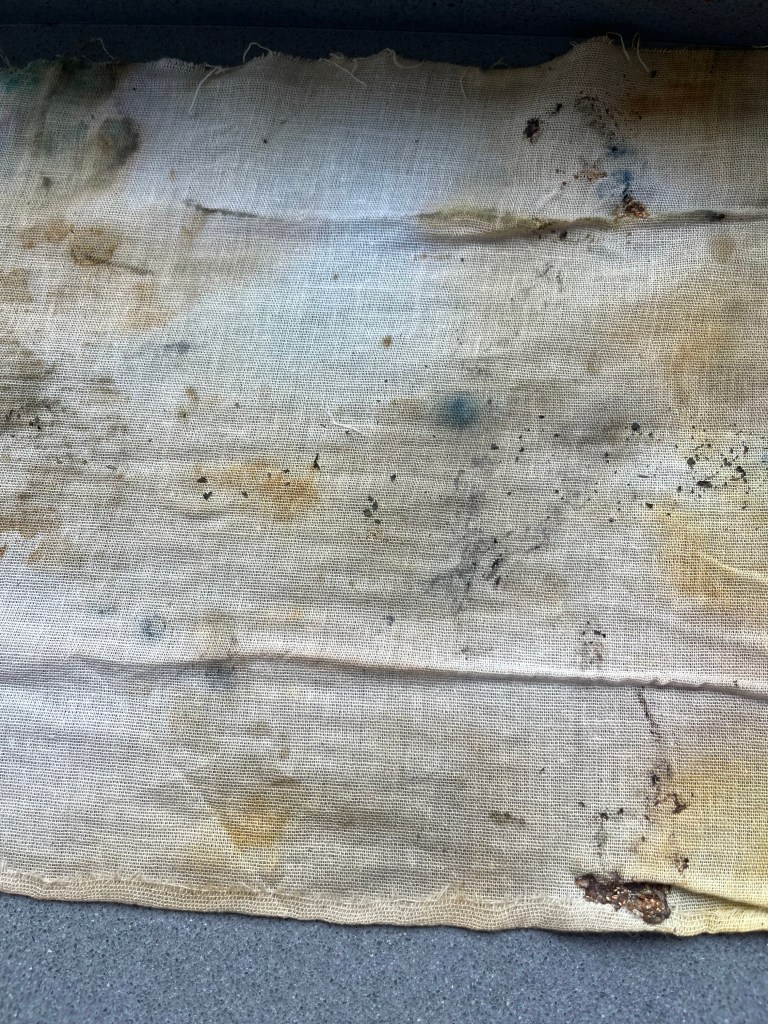
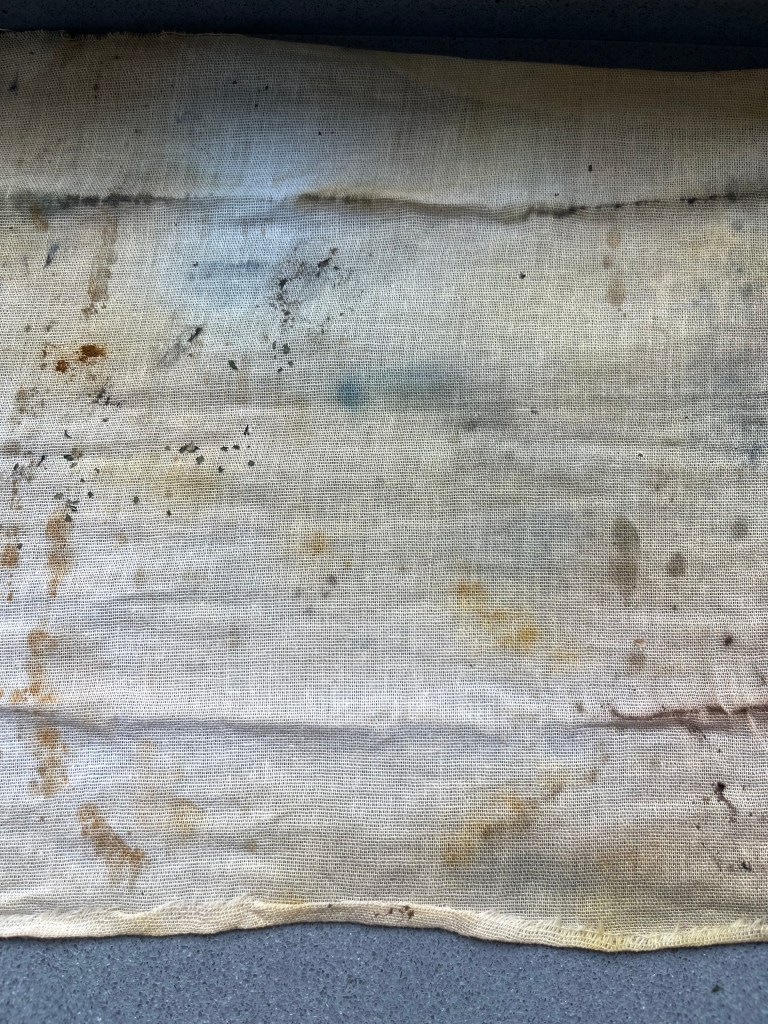
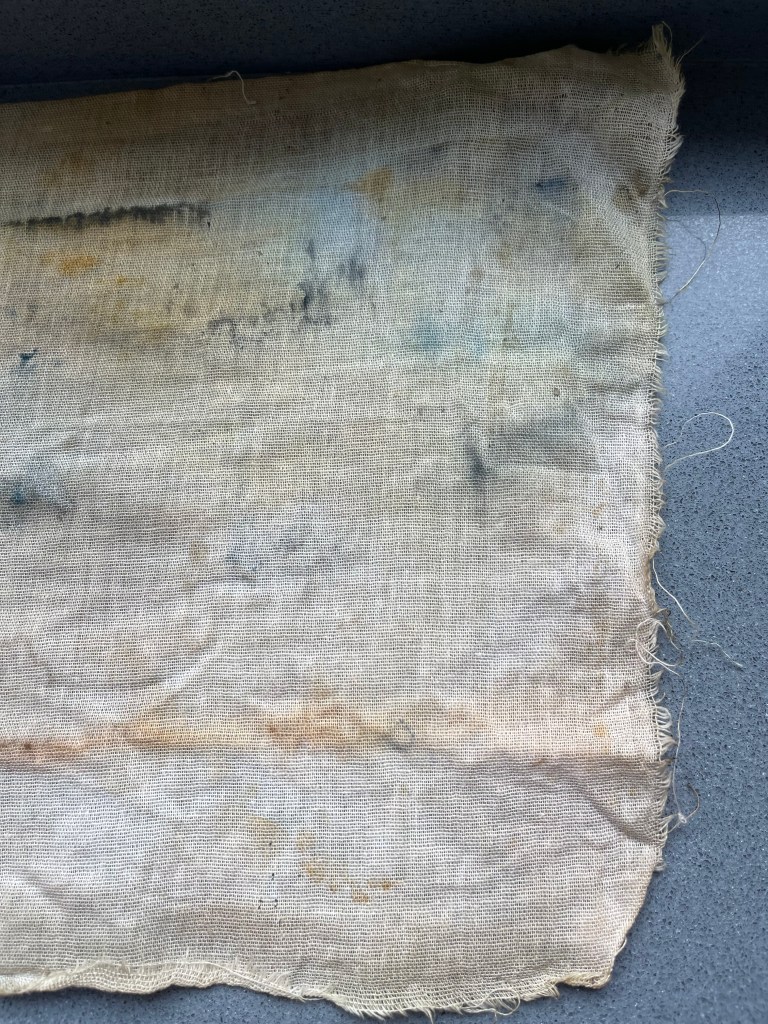
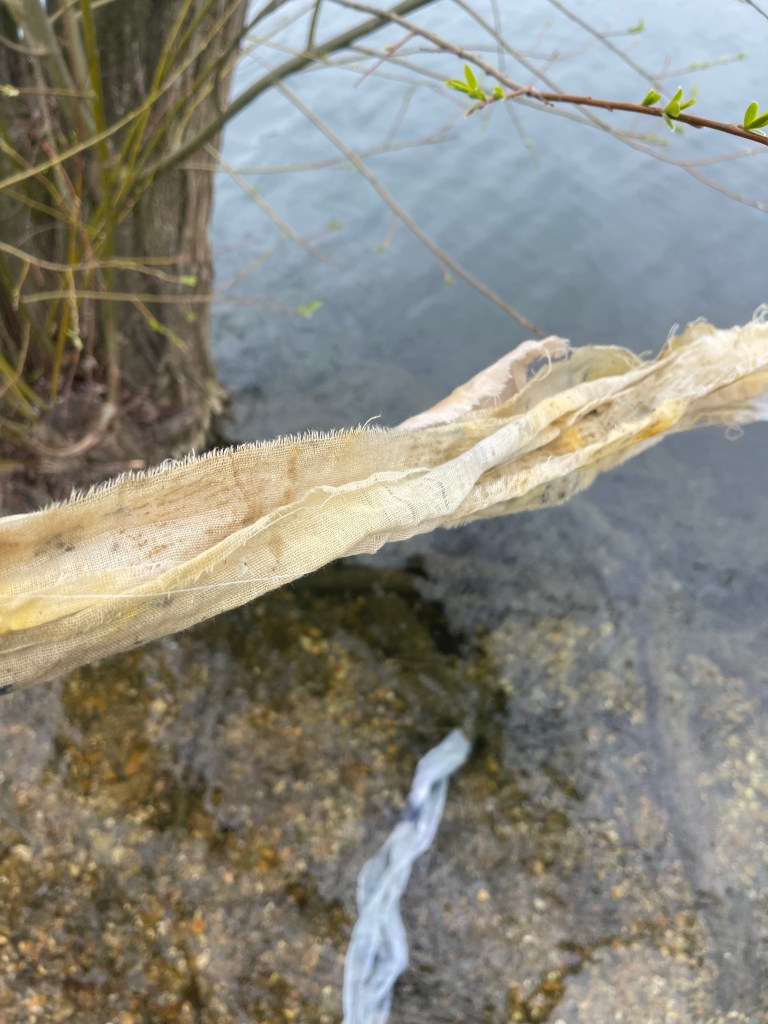
I have used two pieces of unbleached raw cotton, in two strips. One is Above and one is Below. The fabric is absorbent and vulnerable like the river bank and flood plain.
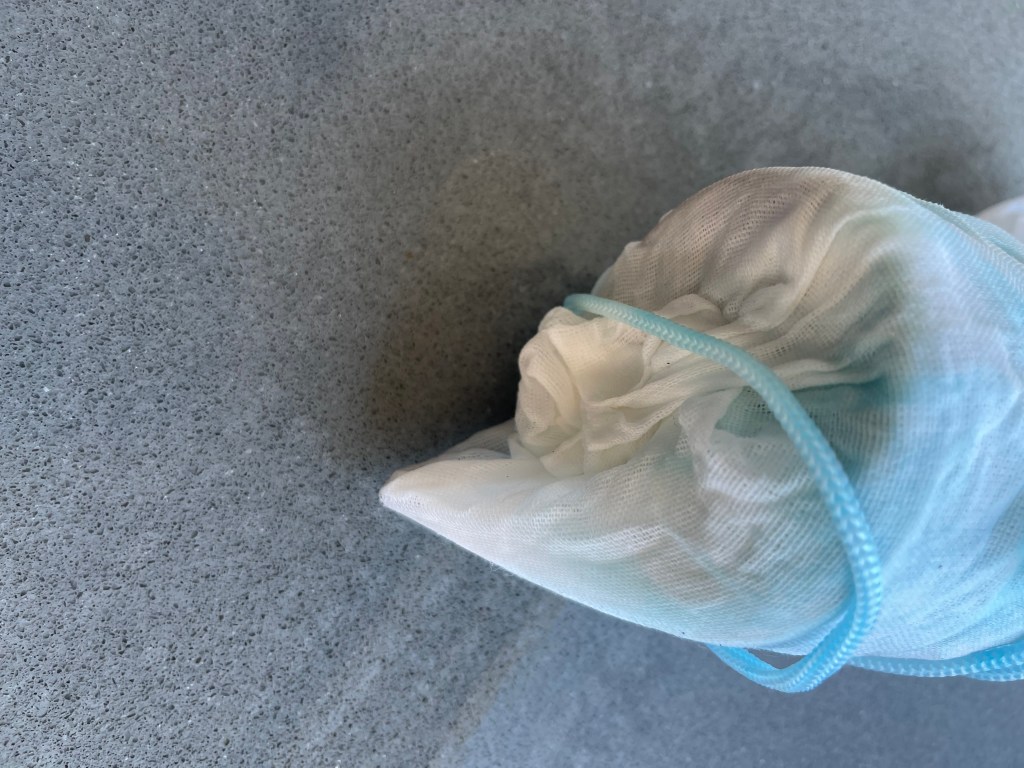
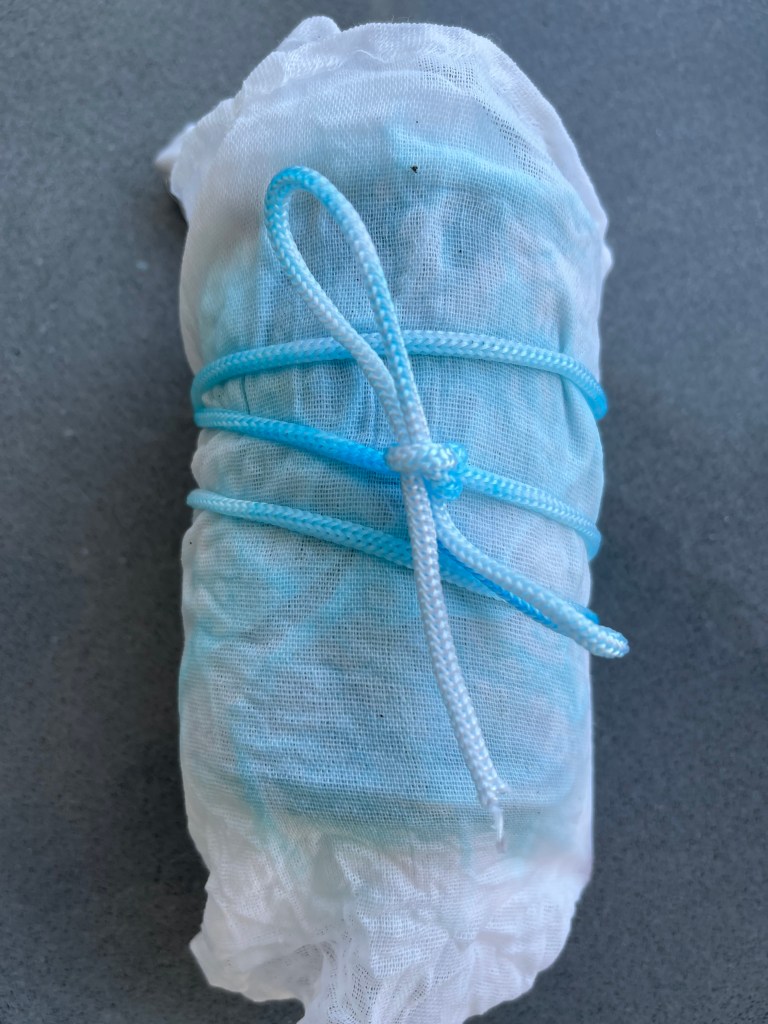
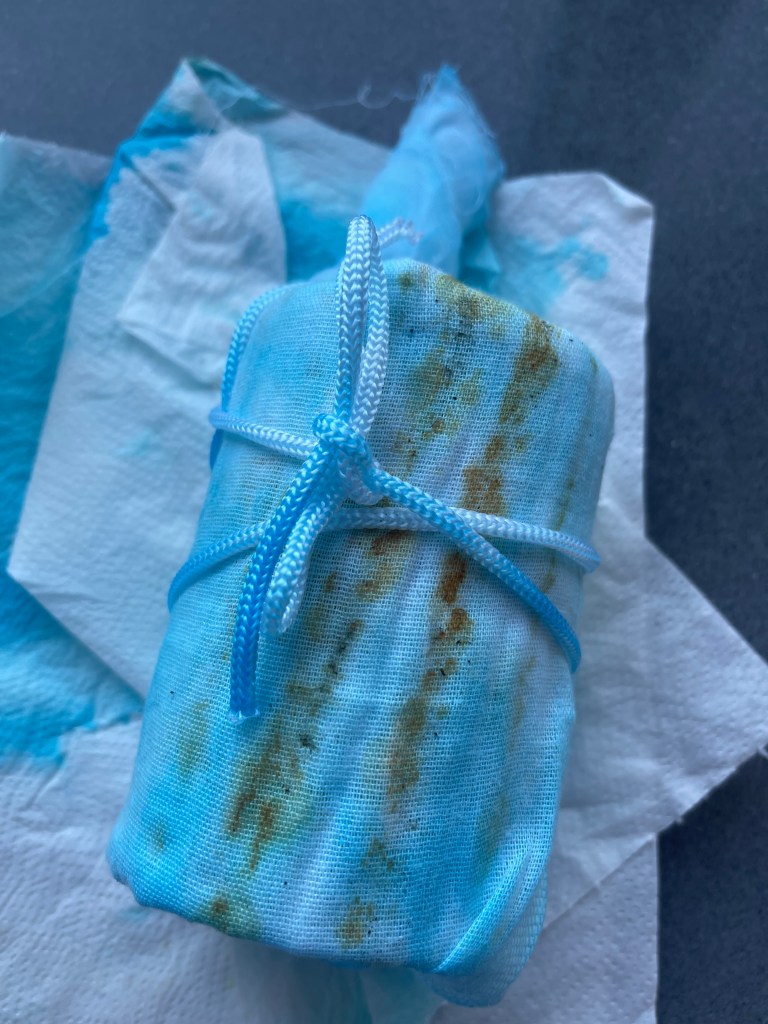
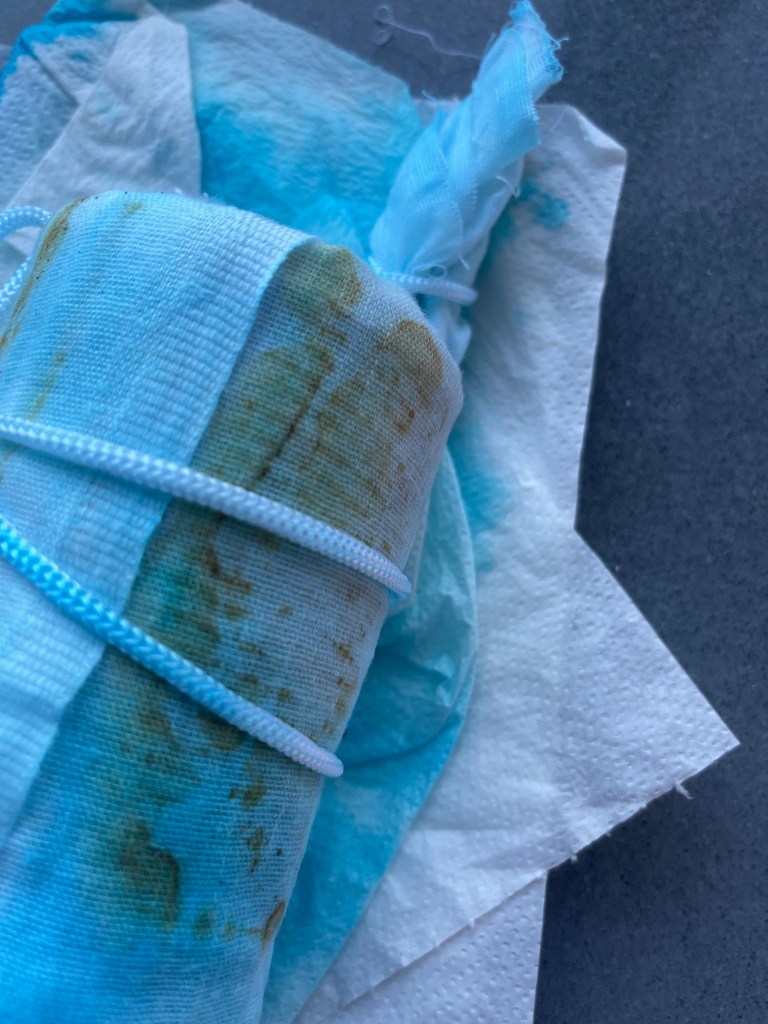
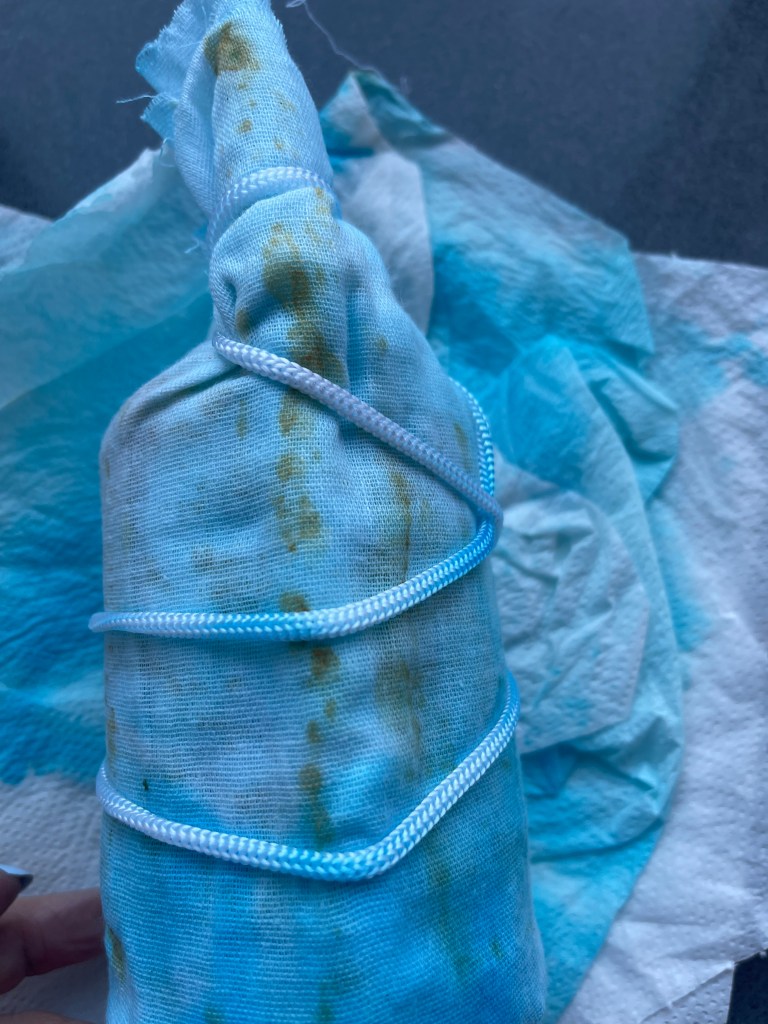
By leaving the material to react over a few days echos the persistent environmental damage leaning more into unpredictability. The fabric feels temporary and fragile, mirroring our ecosystems and the instability they have when under climate stress.
I dried the fabric before resubmerging.
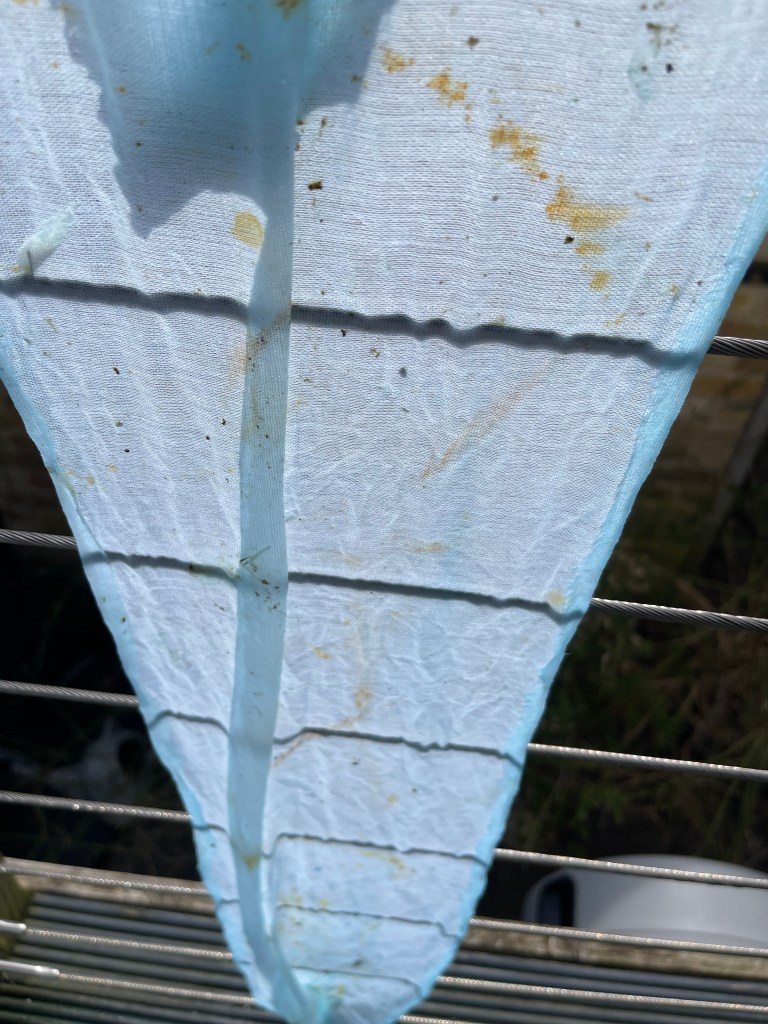
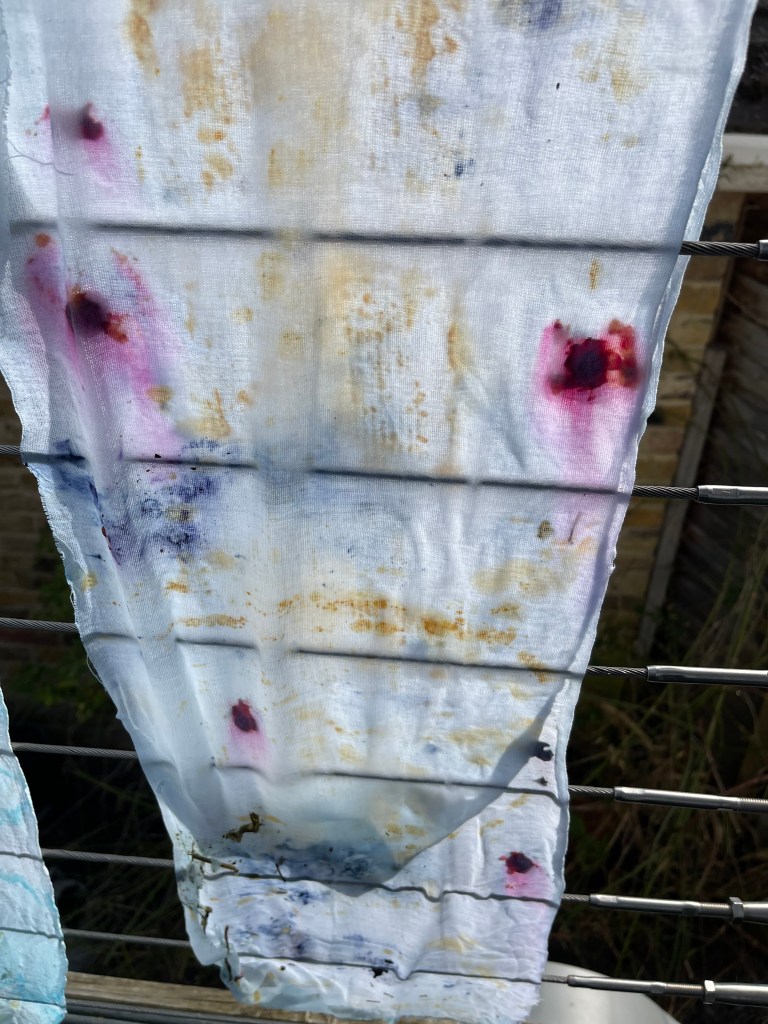
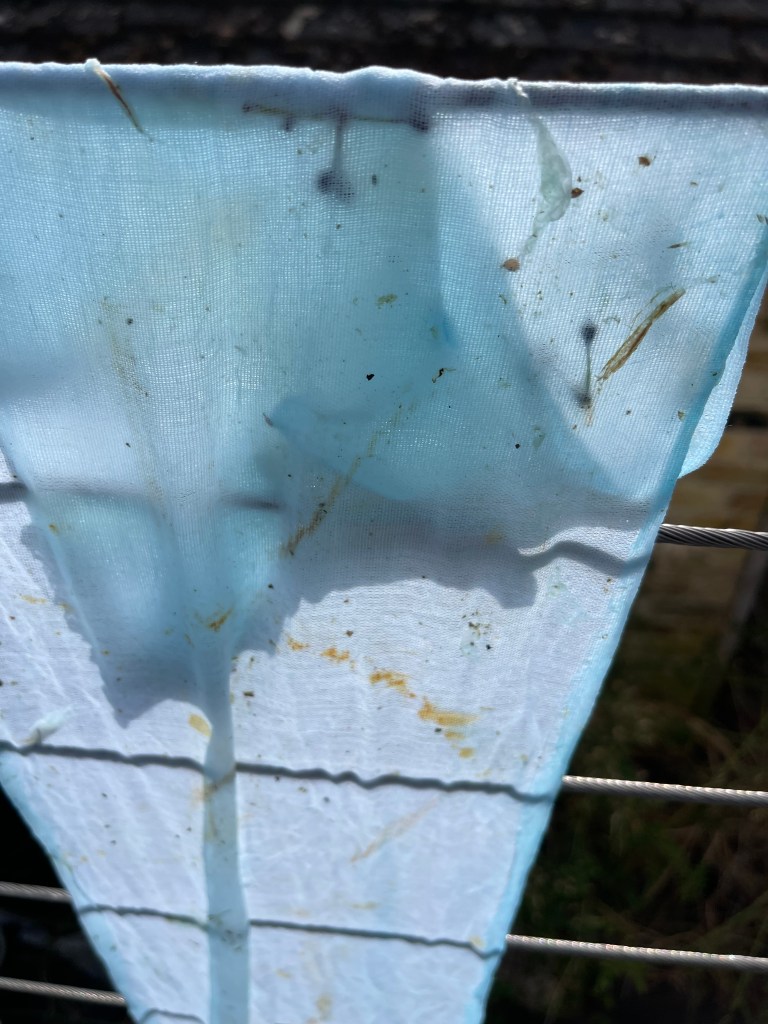
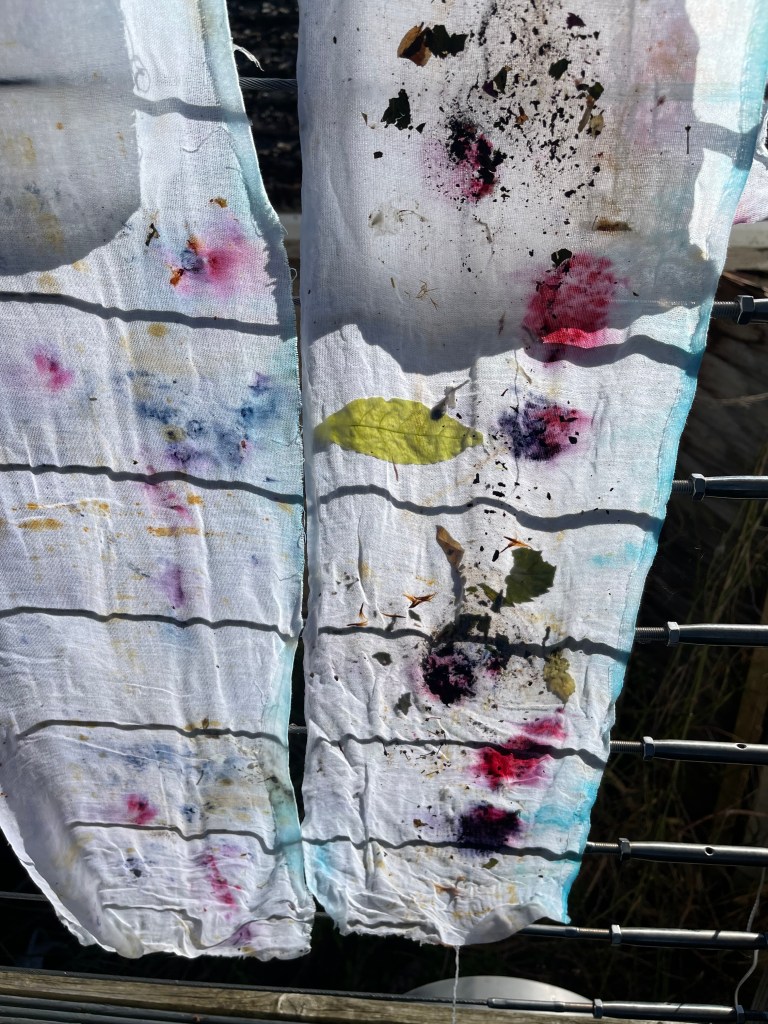
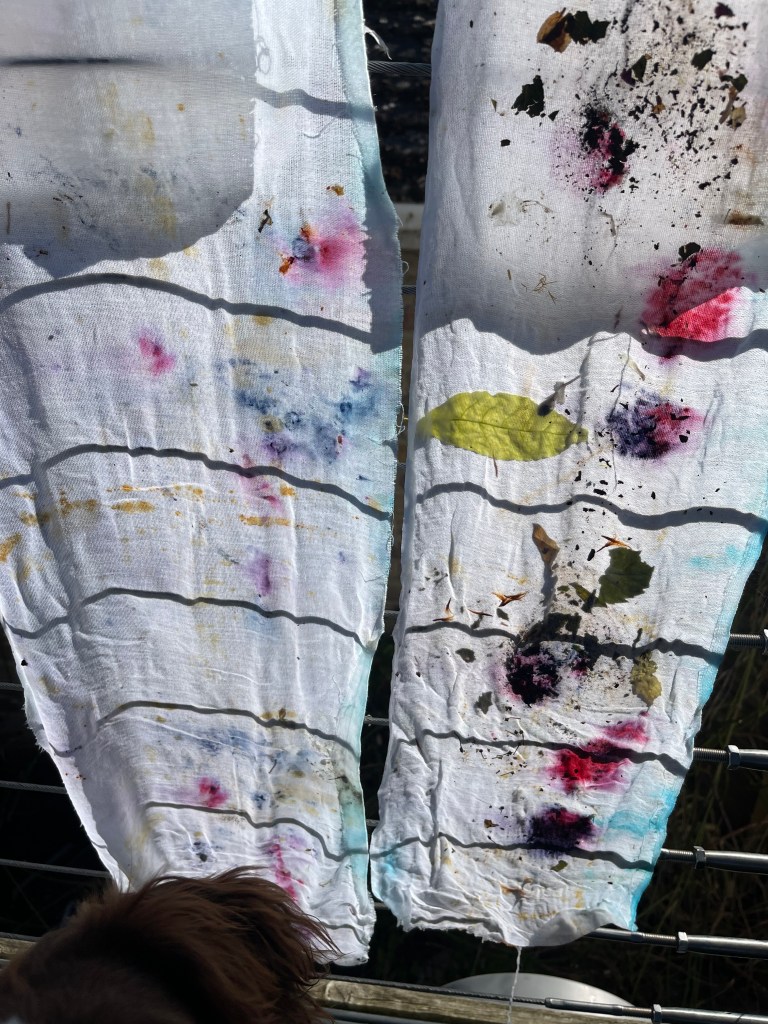
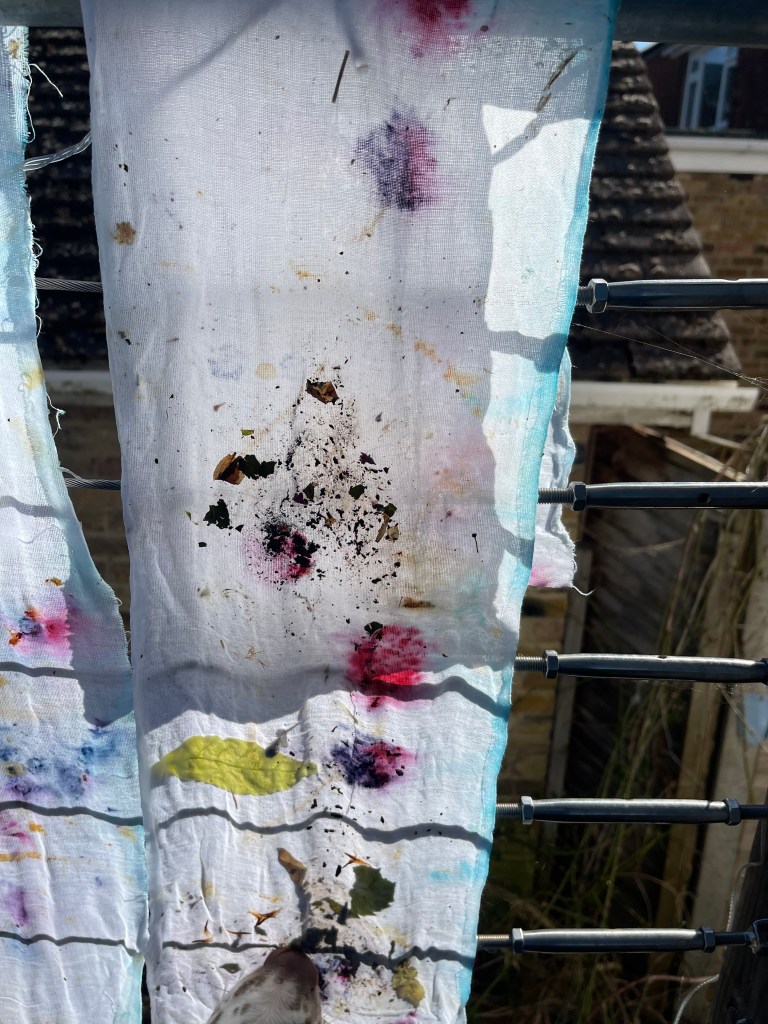
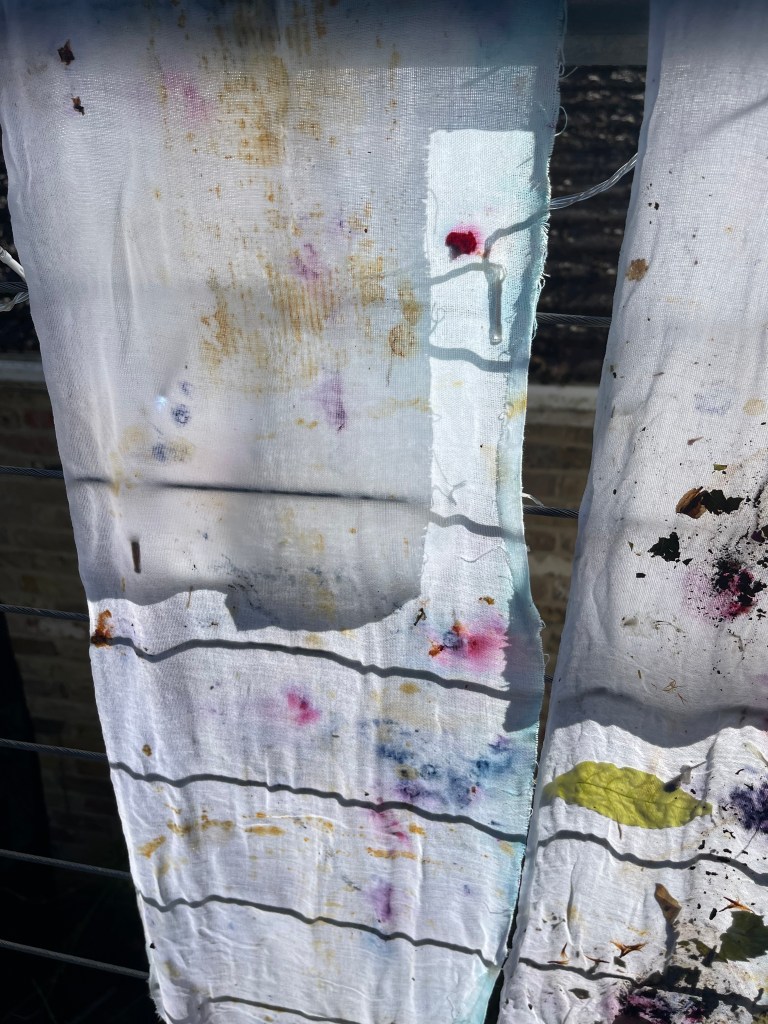
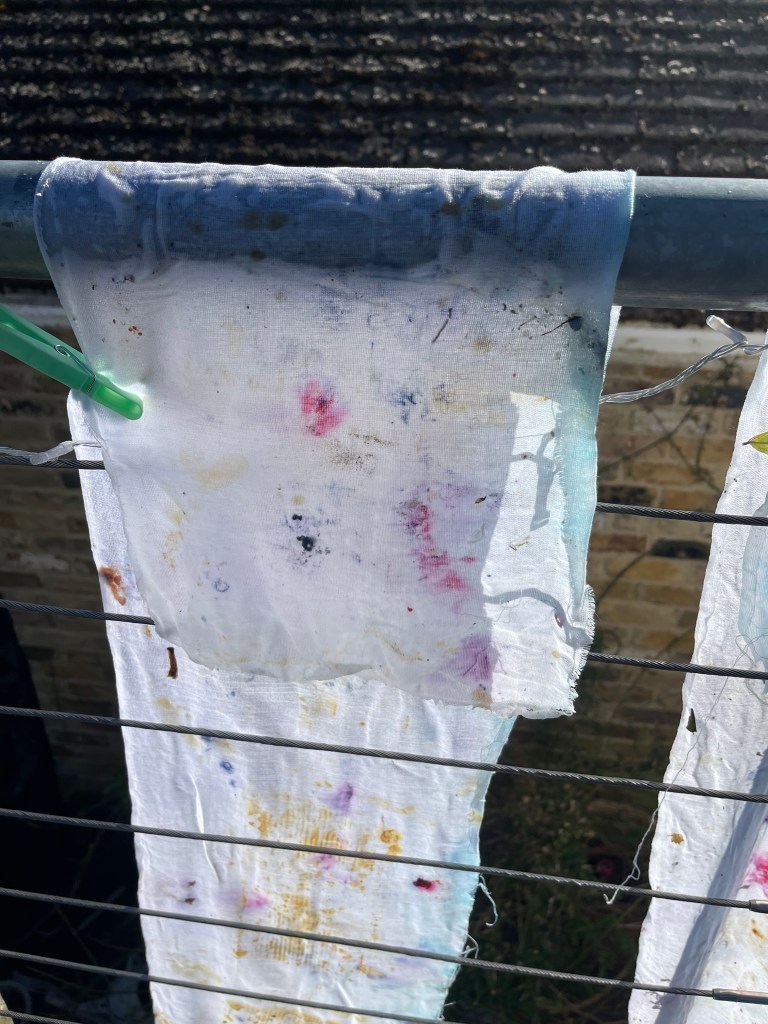
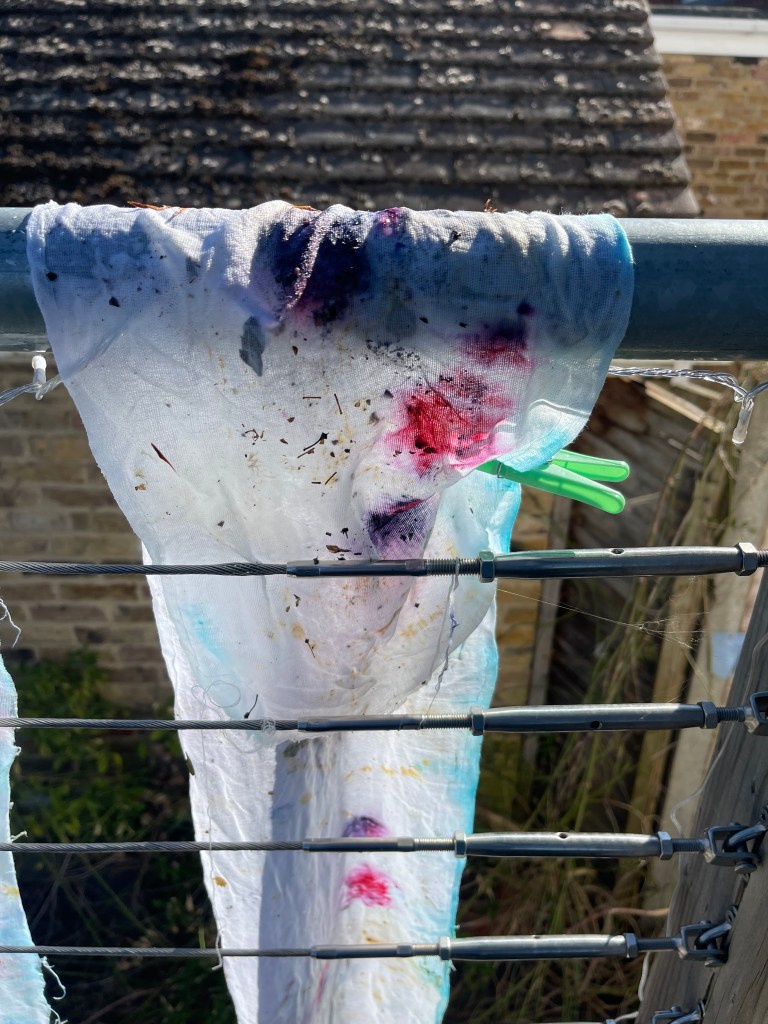
The marks and stains are not structured, they behave as they want to, creating their own art, the berries bleeding out rich natural pigments and the rust more in form with the linear marks from the tin.
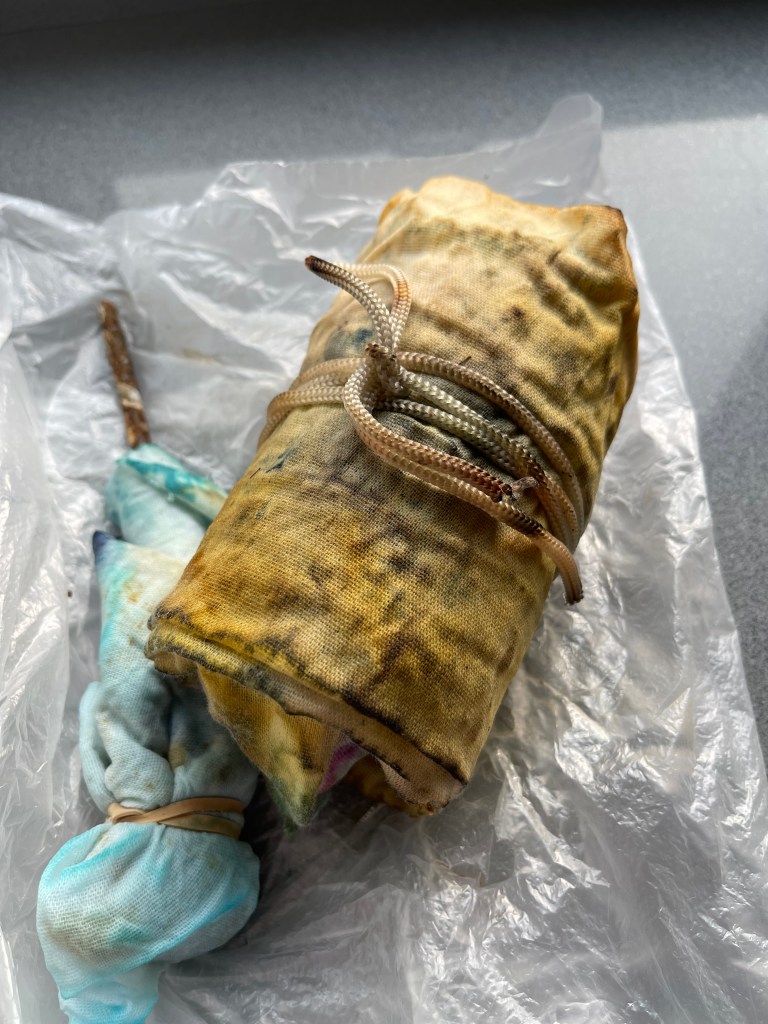
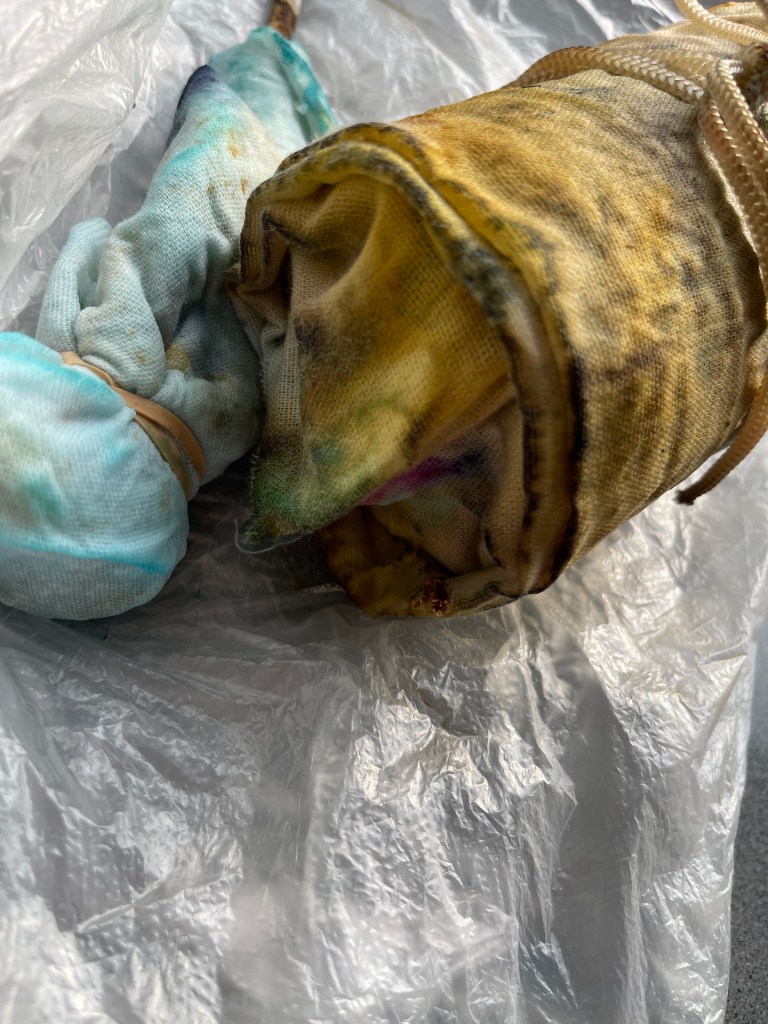
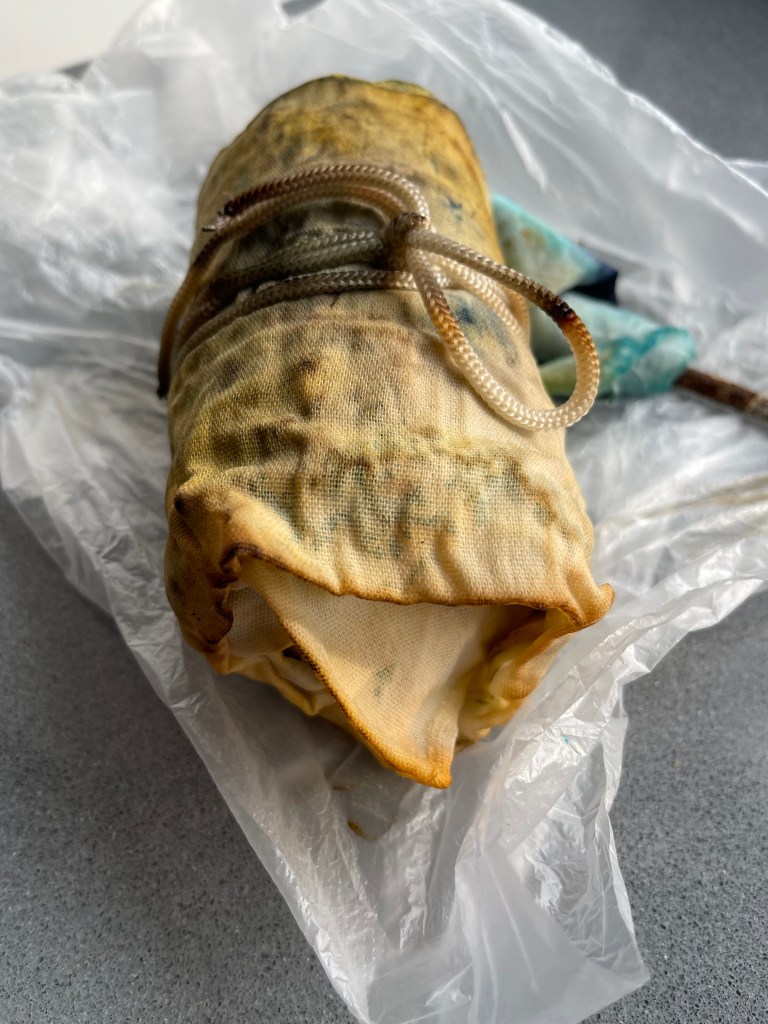
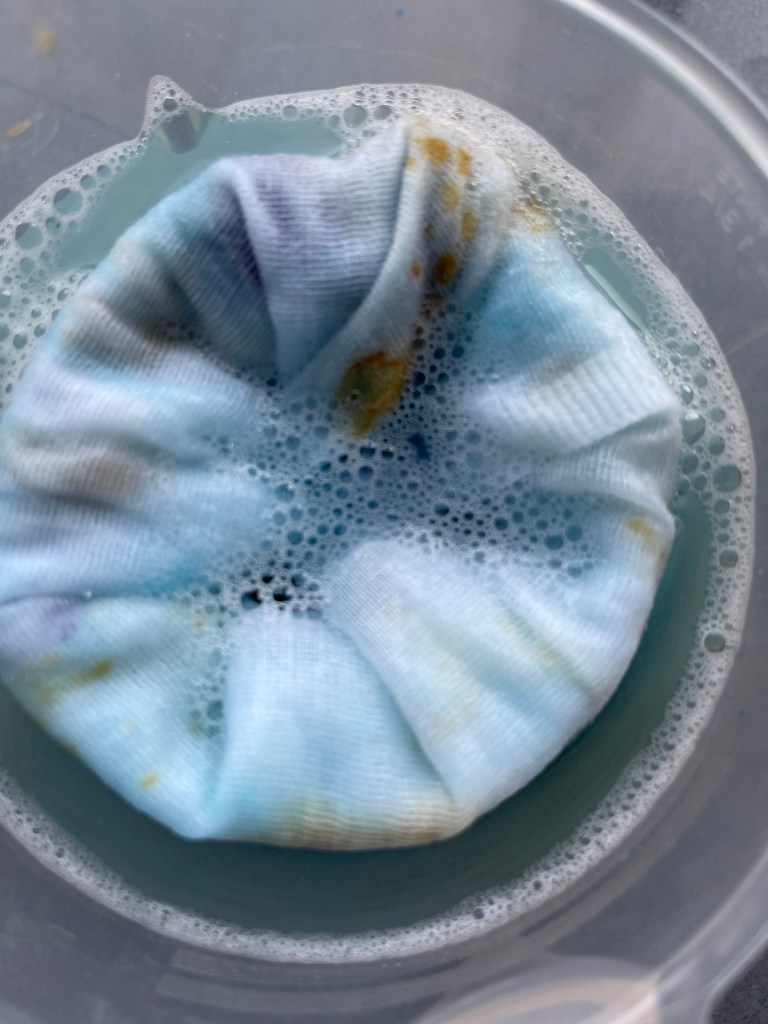
After the second and third immersion the colours deepen. I added a few very small drops of watercolour ink to separate the pieces into their own. It didn’t transfer hugely as it was very diluted, however it was more than enough to differentiate the two strips, looking much darker when they were wet.
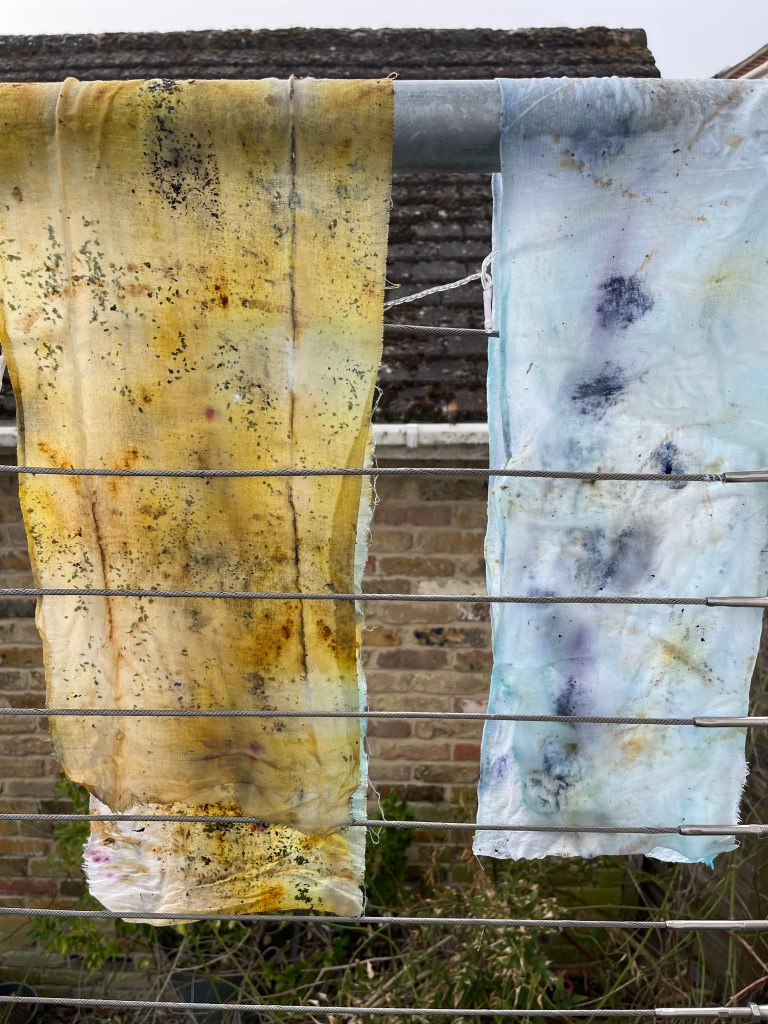
Above
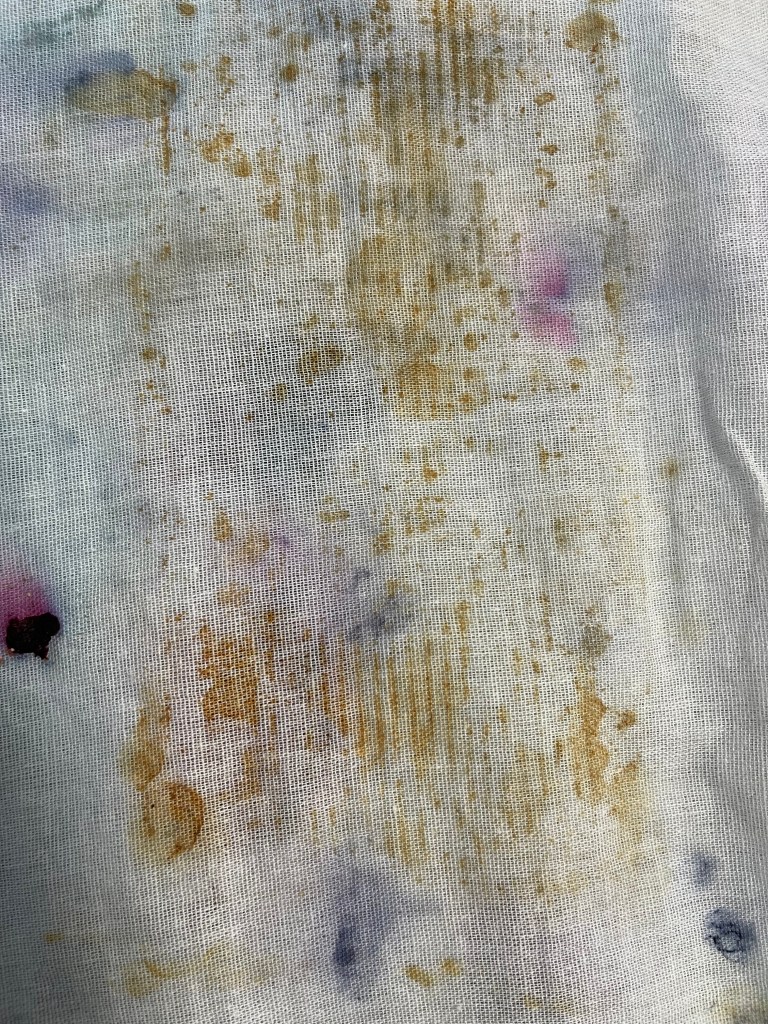
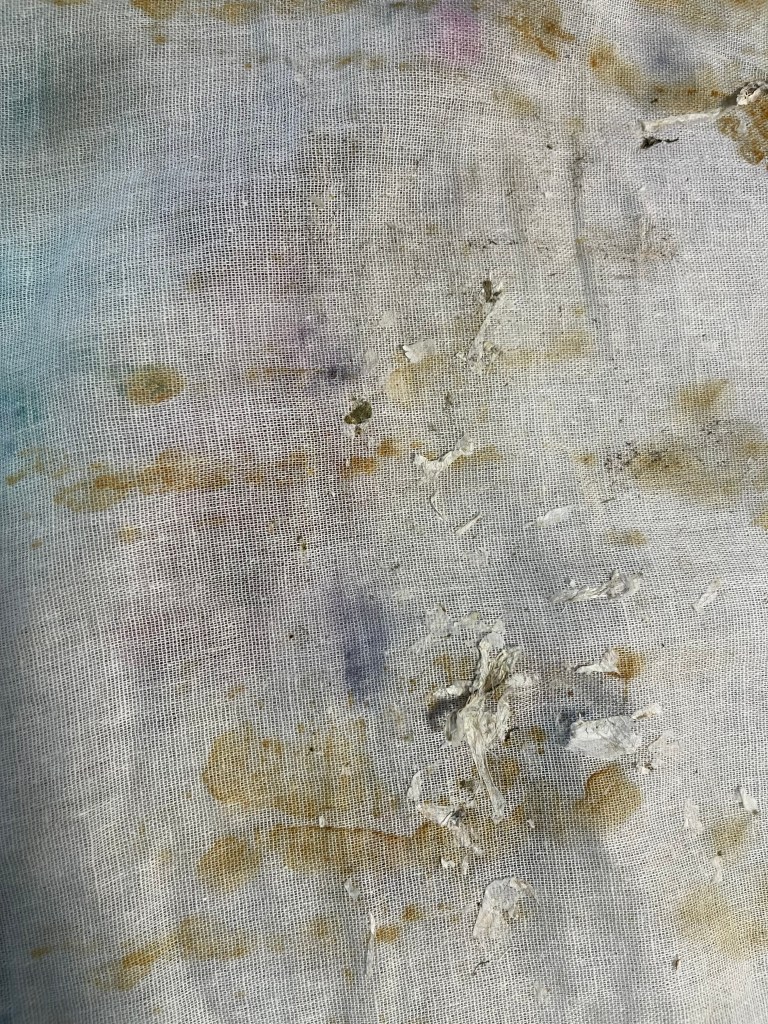
Below
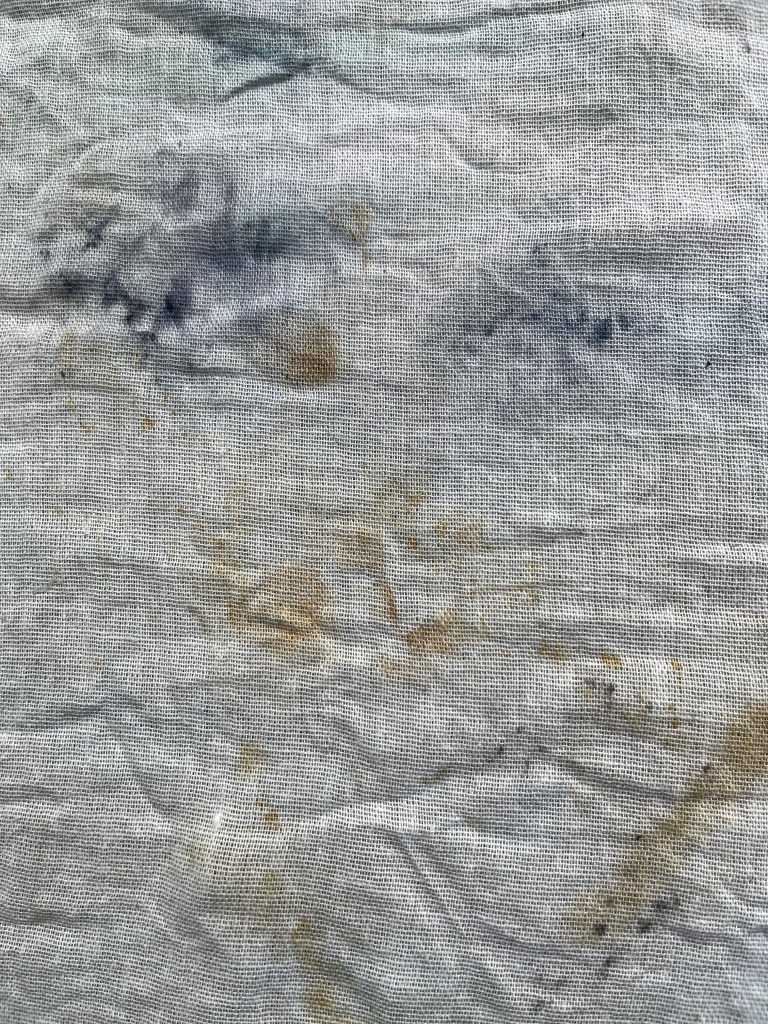
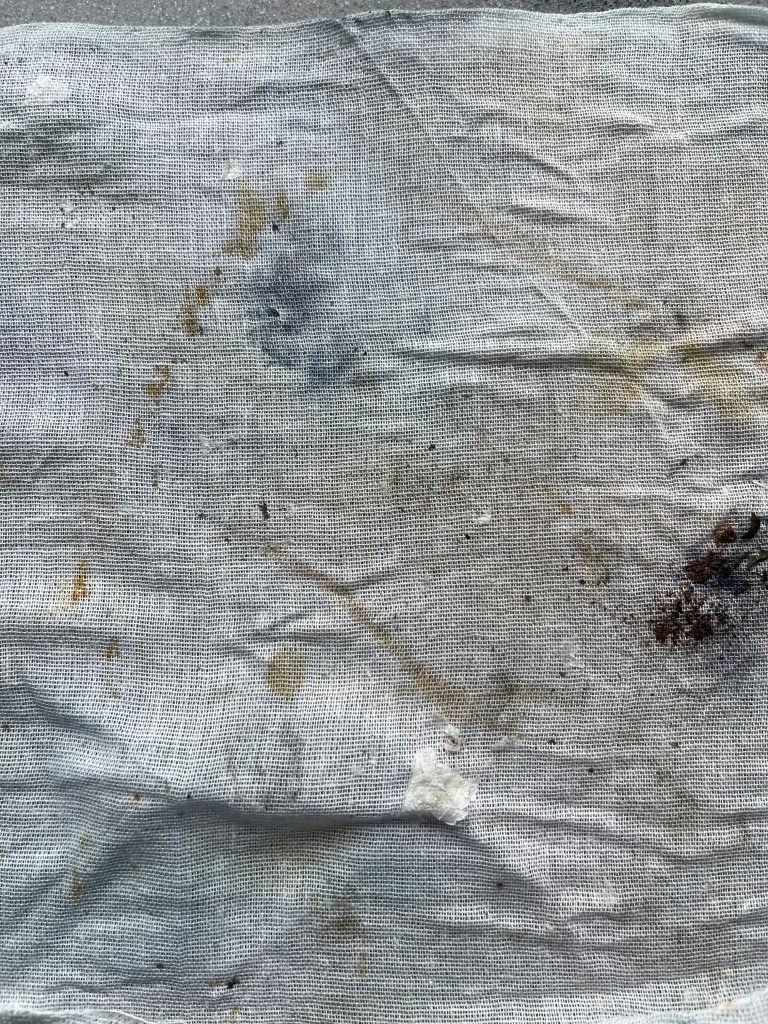
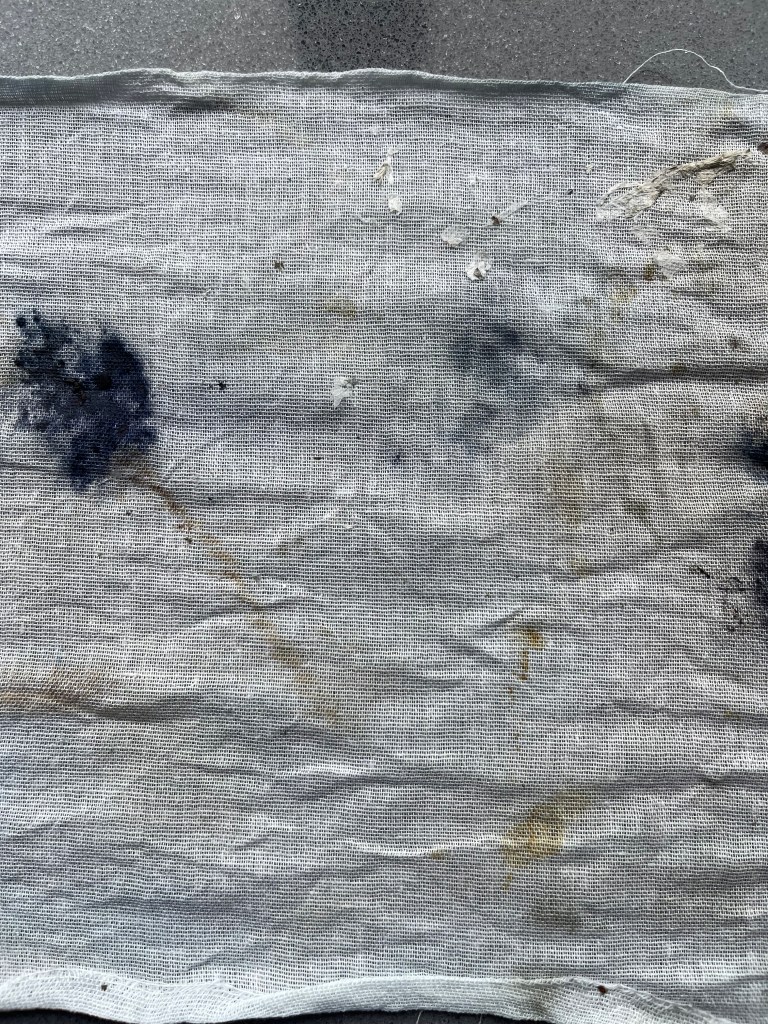
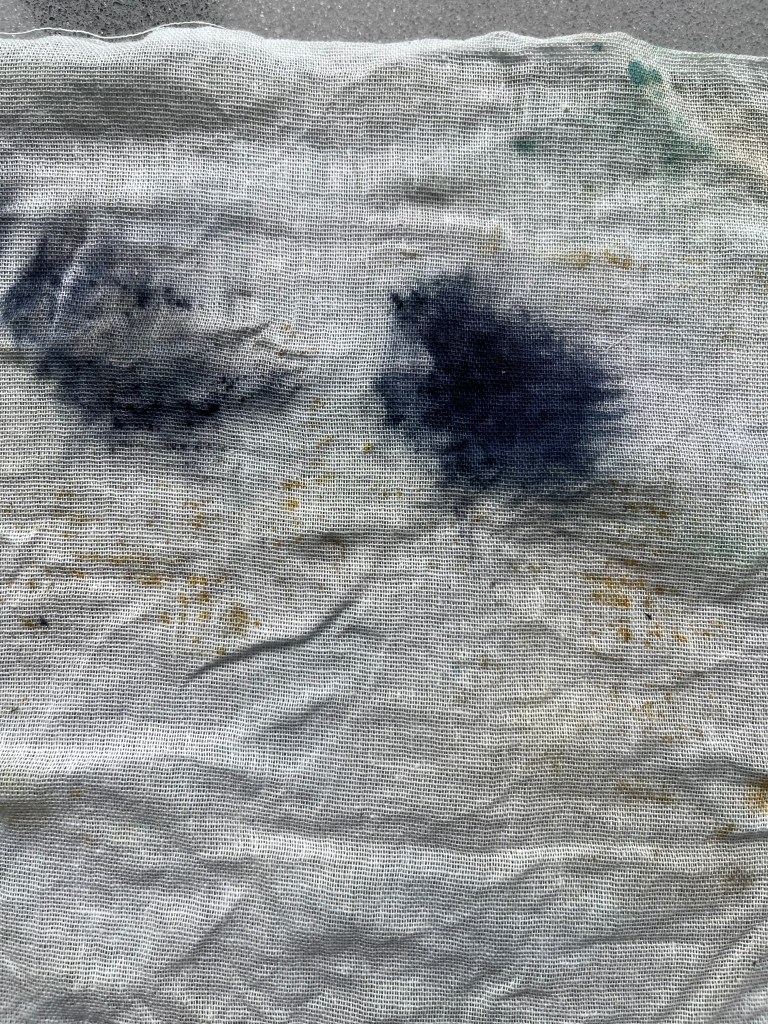
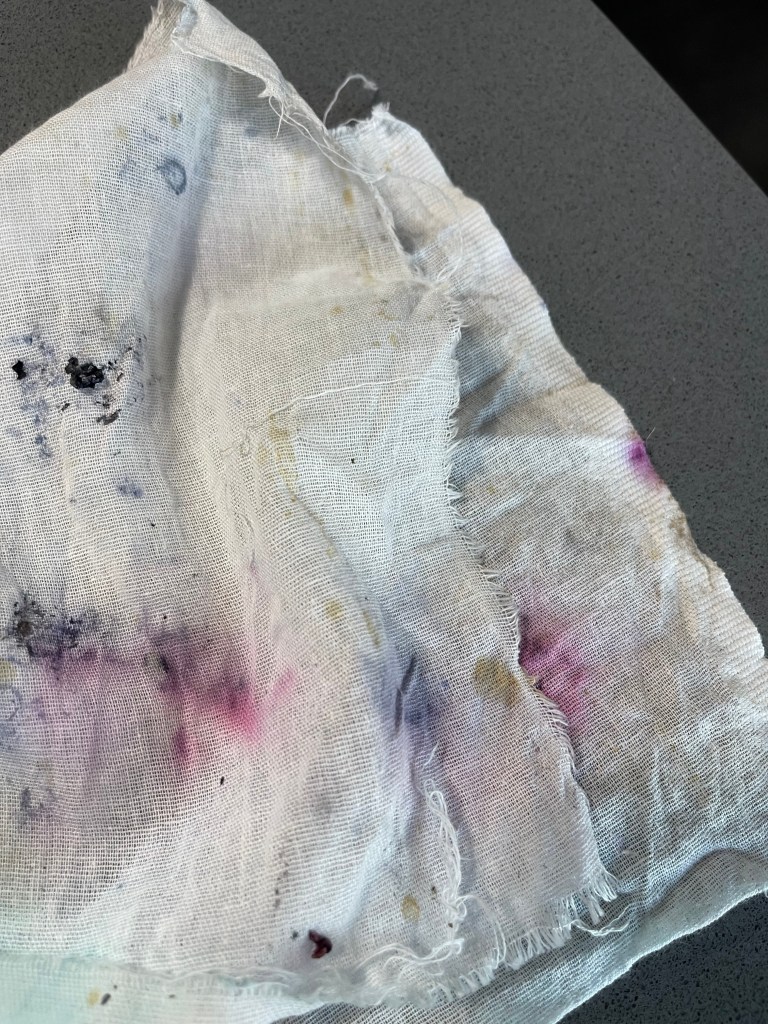
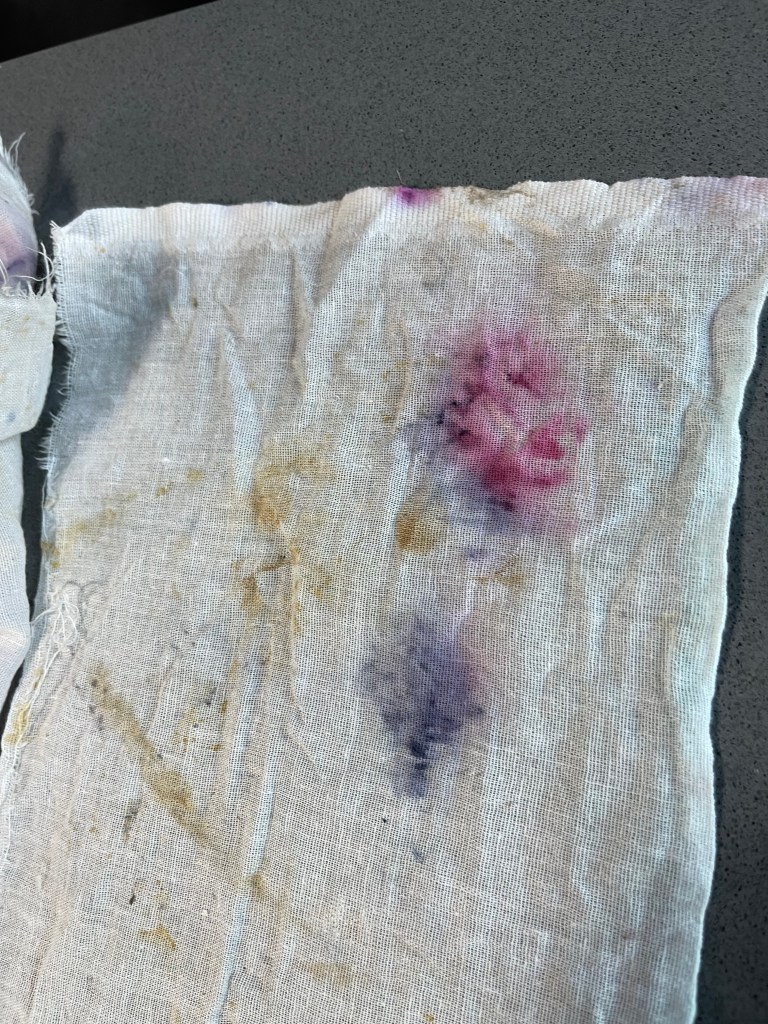
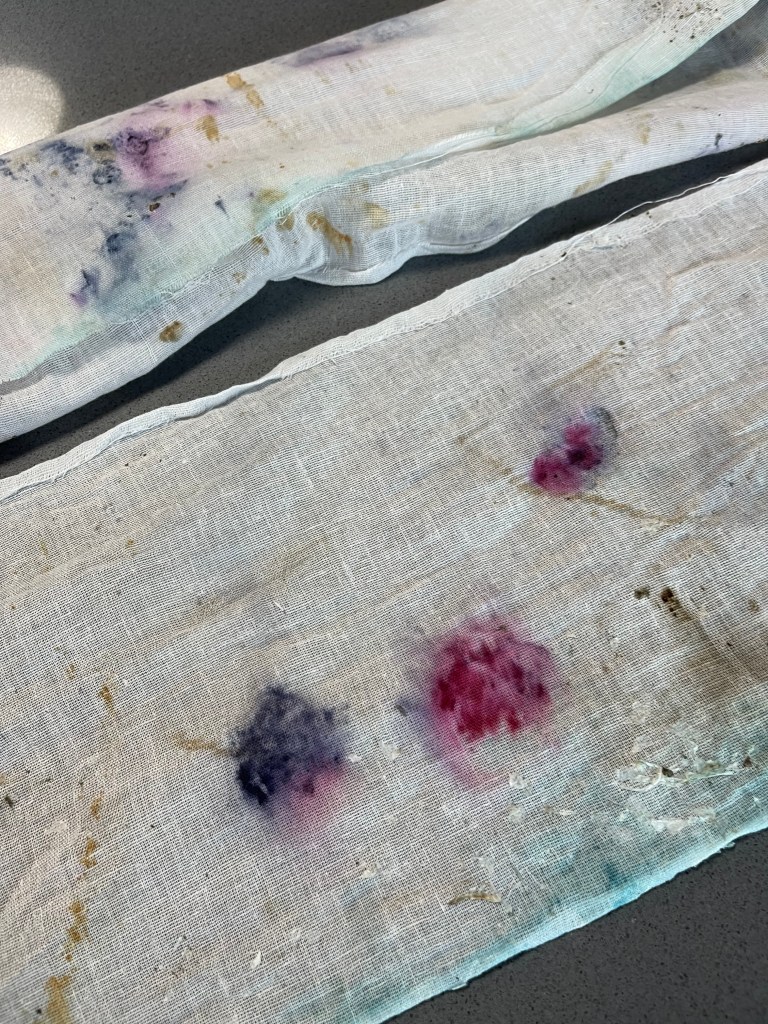
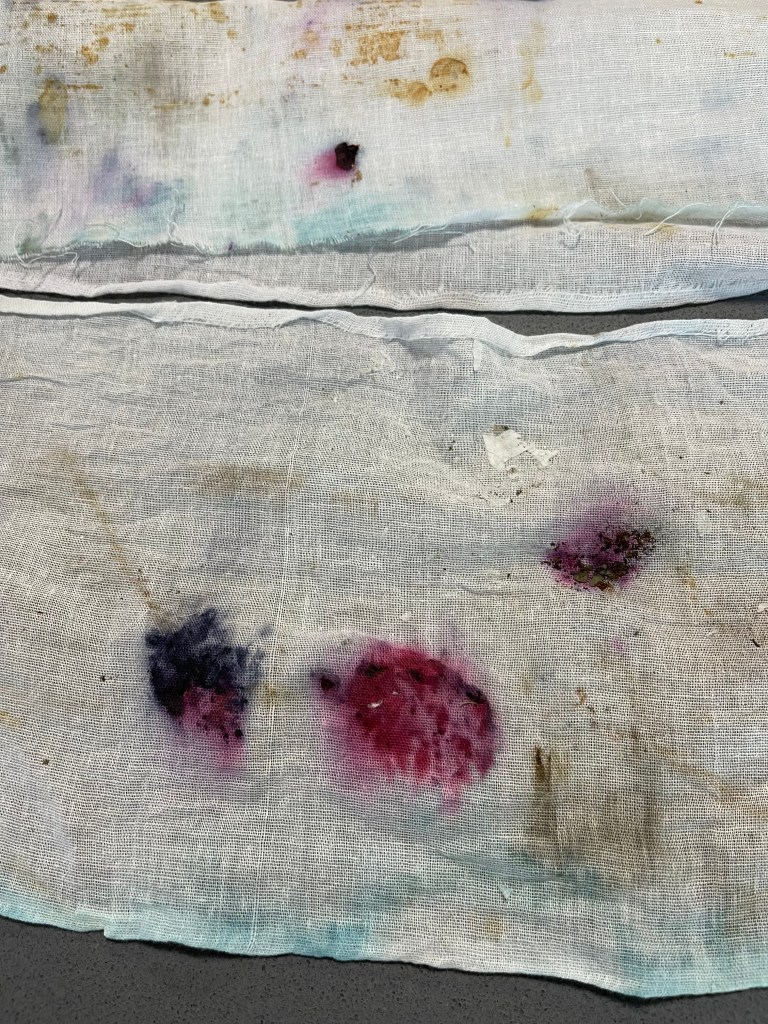
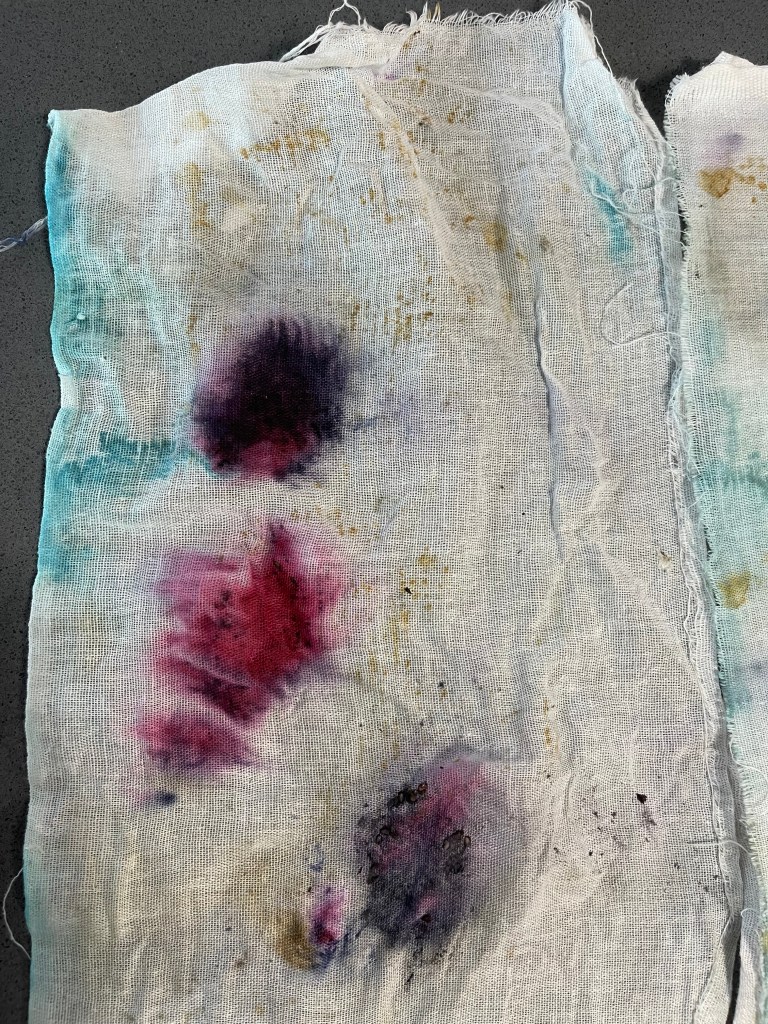
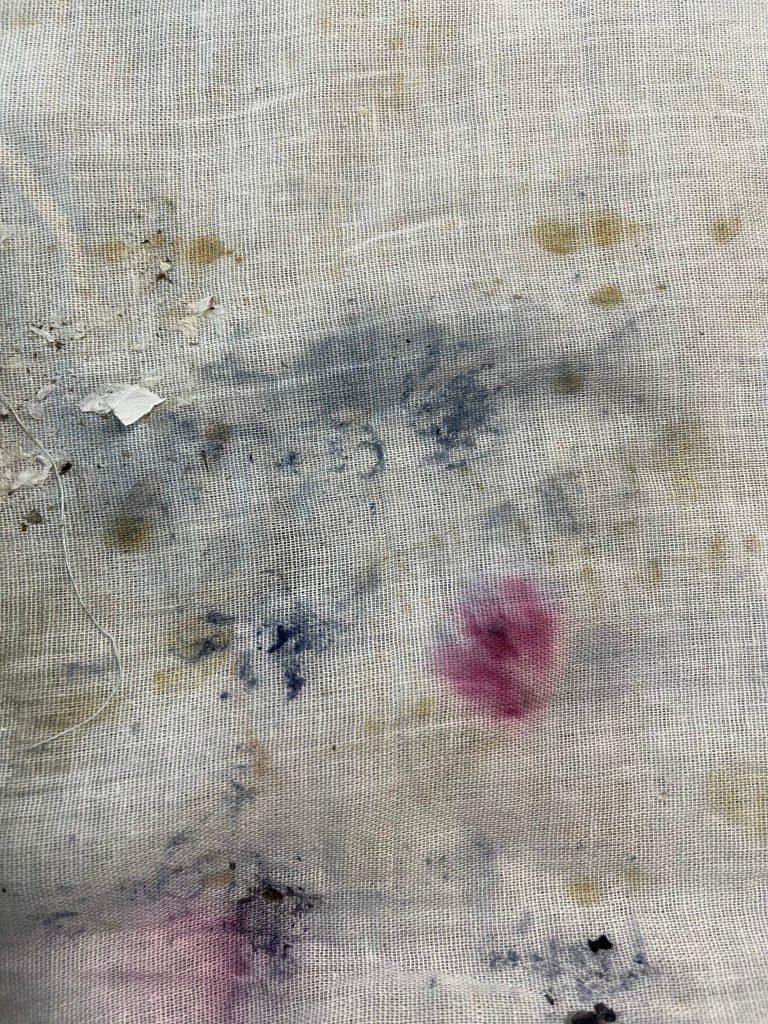
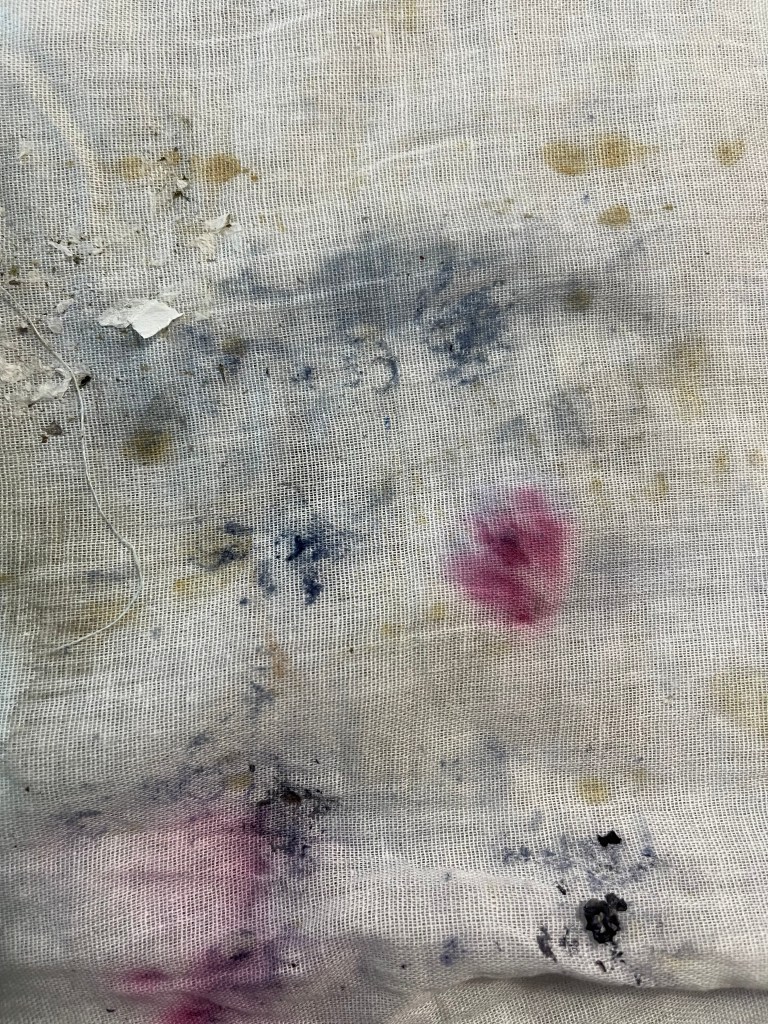
Above reflects the openness of the land and air, illustrating nature in a state of lightness, freedom and restrained from the weight of the water.
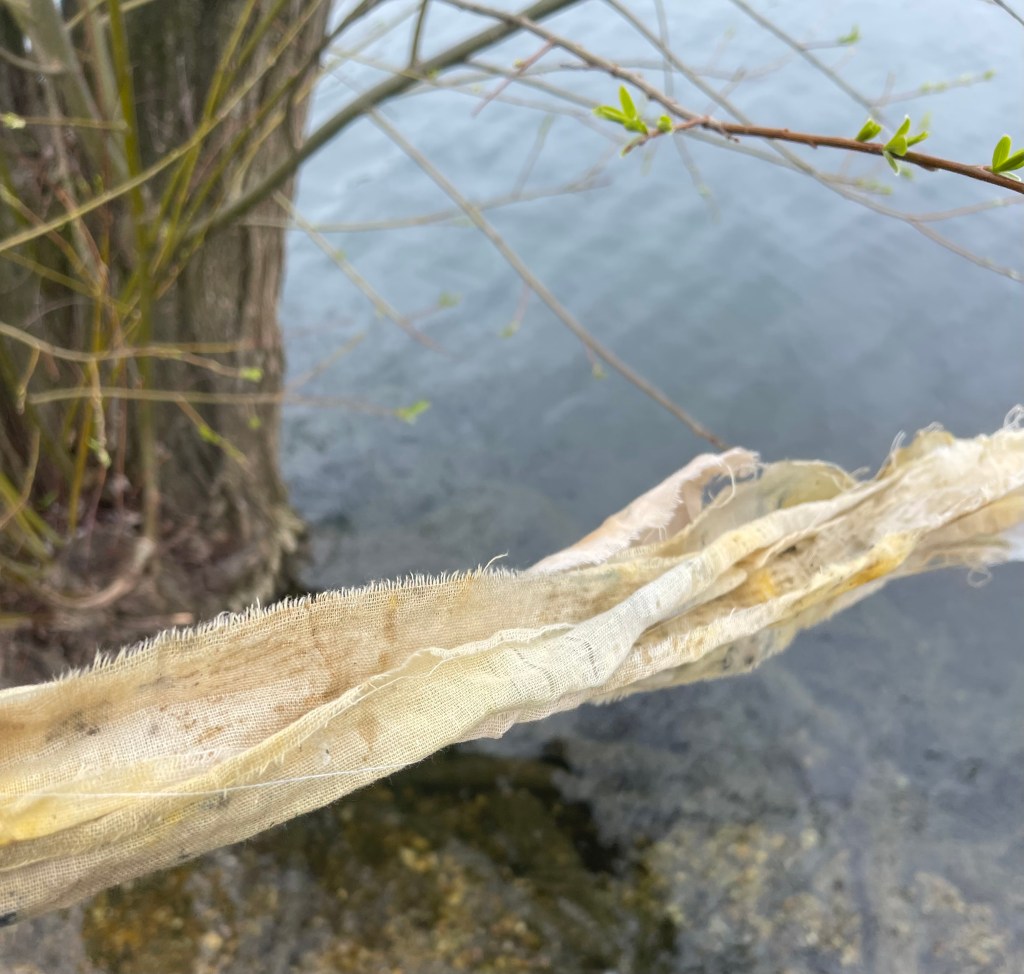
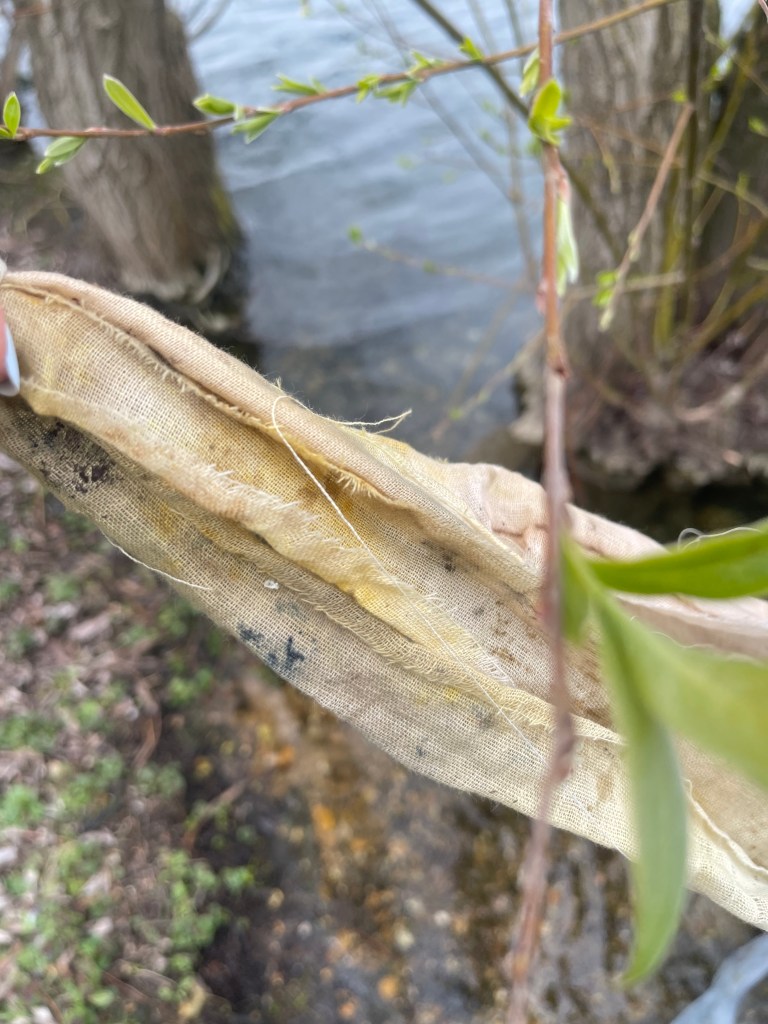
Below embodies heaviness, symbolising the impact of flooding and the physical and emotional weight it carries.
The pieces connect directly to their environment and embed the traces of a lived experience. The resilience and vulnerability within the landscape, a place for now, that is secure and unburdened. The river has mapped itself onto the cloth for both pieces of fabric. The yellow/browner tones of above suggest in time stability, even dryness. While the cooler blues hint of immersion, flow and change.
The rusty metal, berries and detritus leave marks with unpredictable colour, creating deep textures and leaving their memory and traces on the water within the cotton.
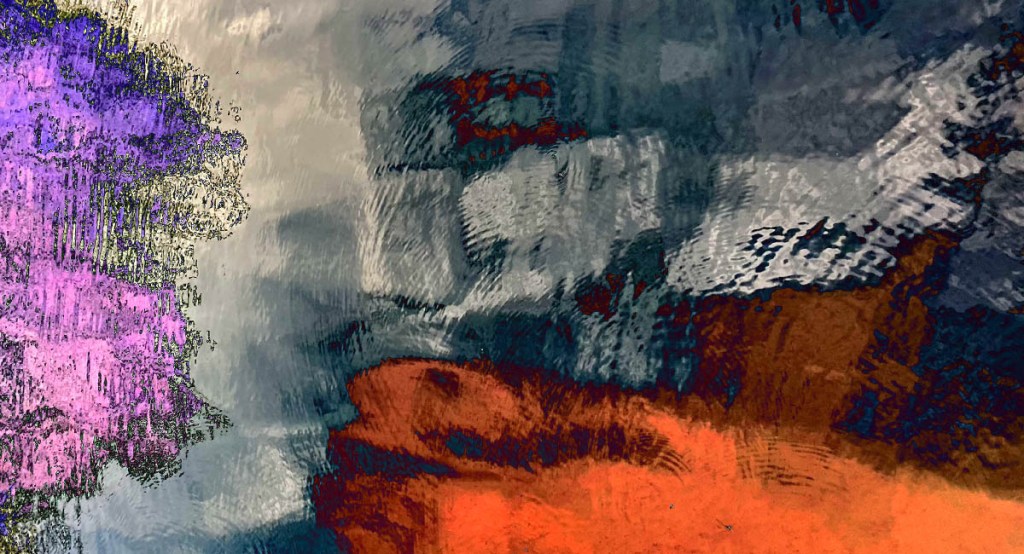
I ripped the fabric into strips, wanting to emulate the flow of the river as well as the damage it causes. The Below pieces I submerged in the open water. The fabric then became a real form as the water shapes it, something I couldn’t pre plan or create. The strips are expressing themselves with natural forces. By photographing them the ephemeral movement becomes a fixed image, freezing something for a moment, that naturally moves.
By manipulating the fabric and turning it into irregular organic forms it’s reflective of the lack of control, flow and freedom, it becomes more reflective of how the elements would behave in nature.
Above being exposed to the air translates into a physical texture, motion and stillness, control and surrender.
Above
Below
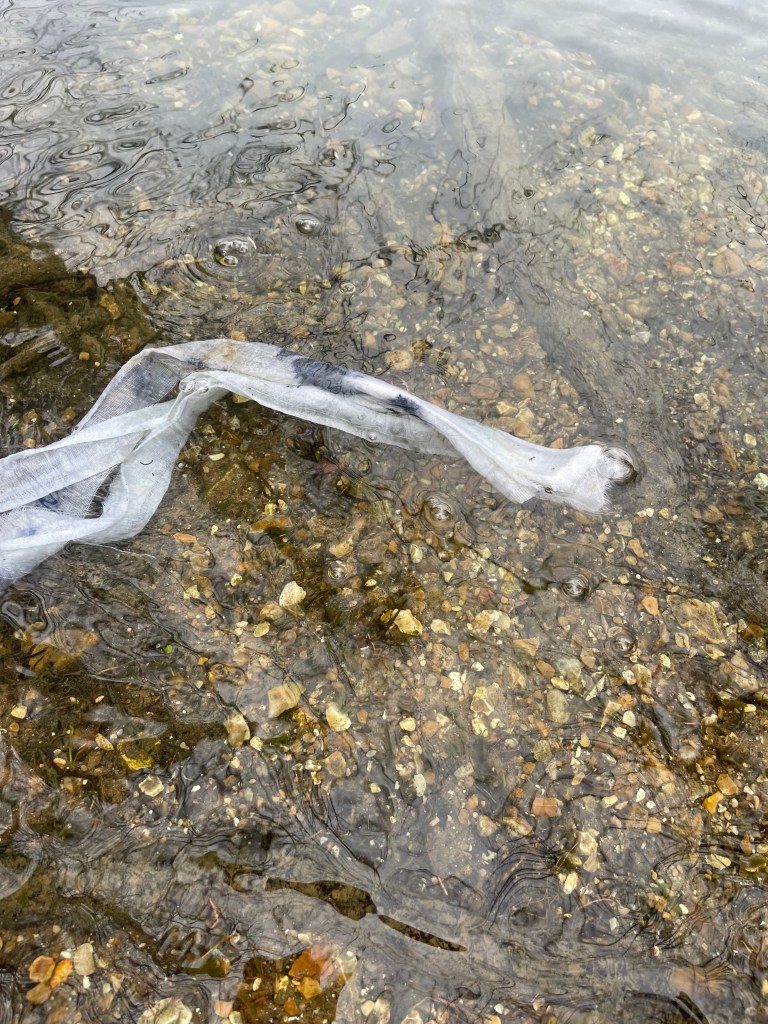
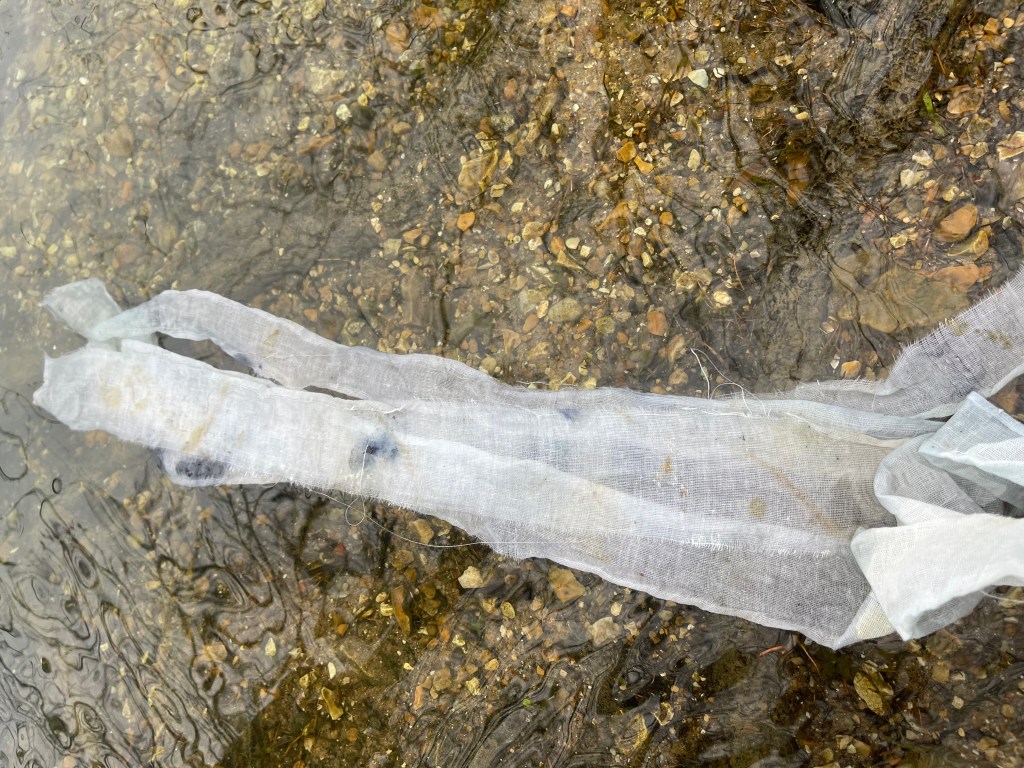
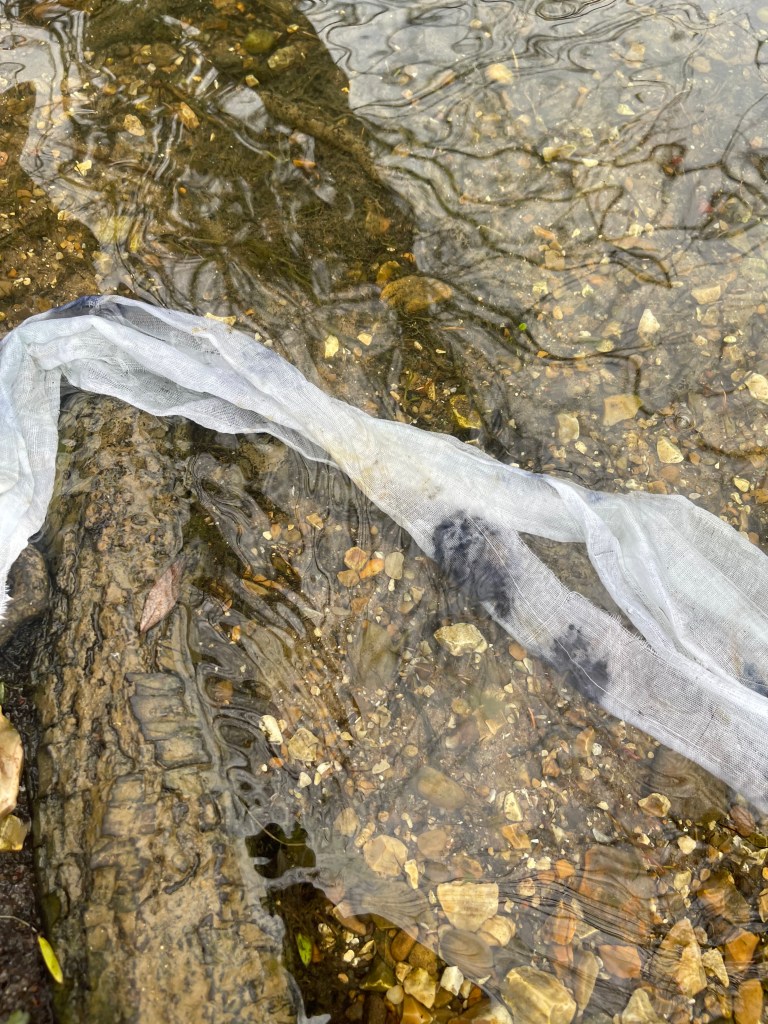
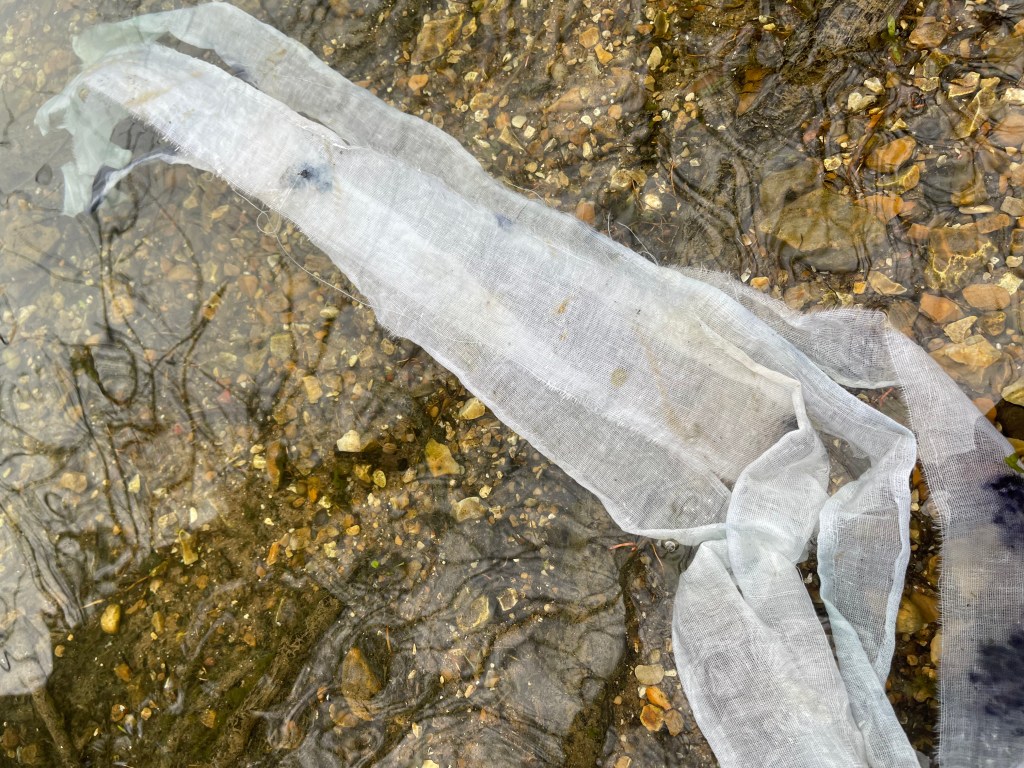
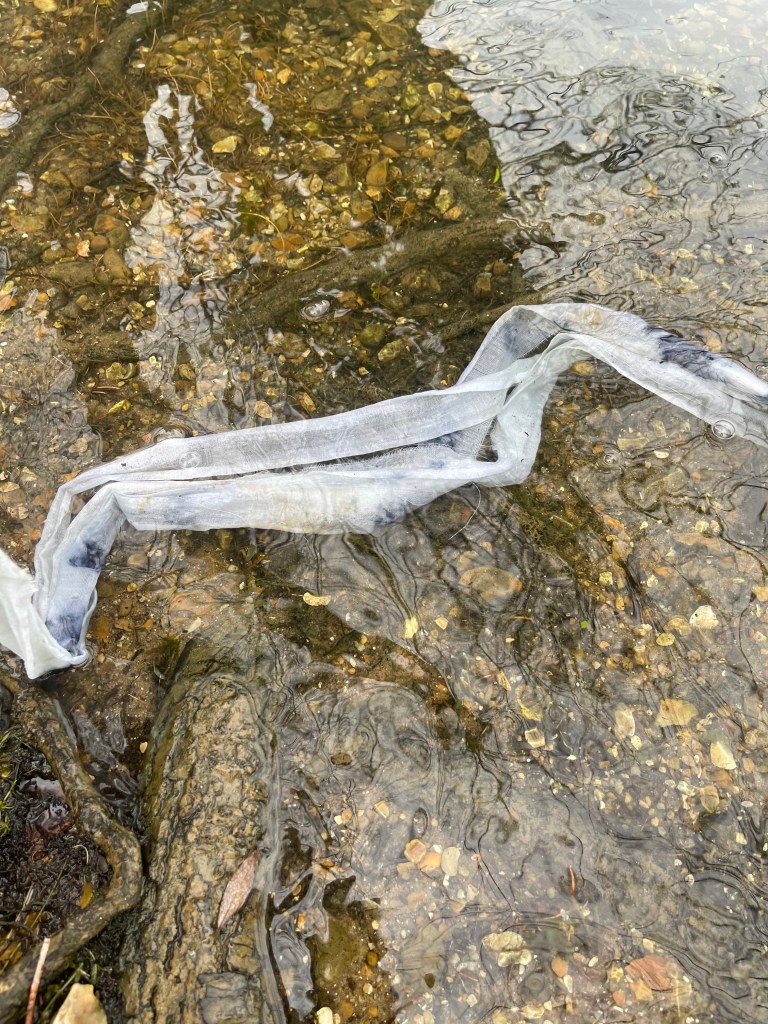
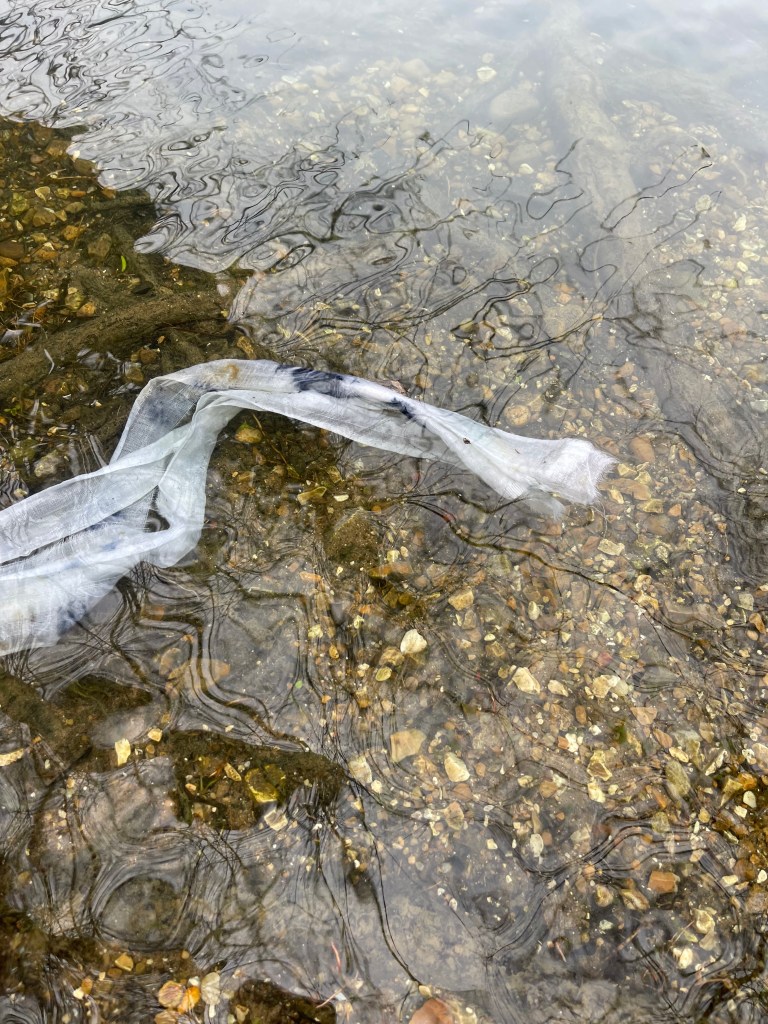
Above and Below – Unbleached cotton 50mm x 1200 mm approximately before tearing into strips.
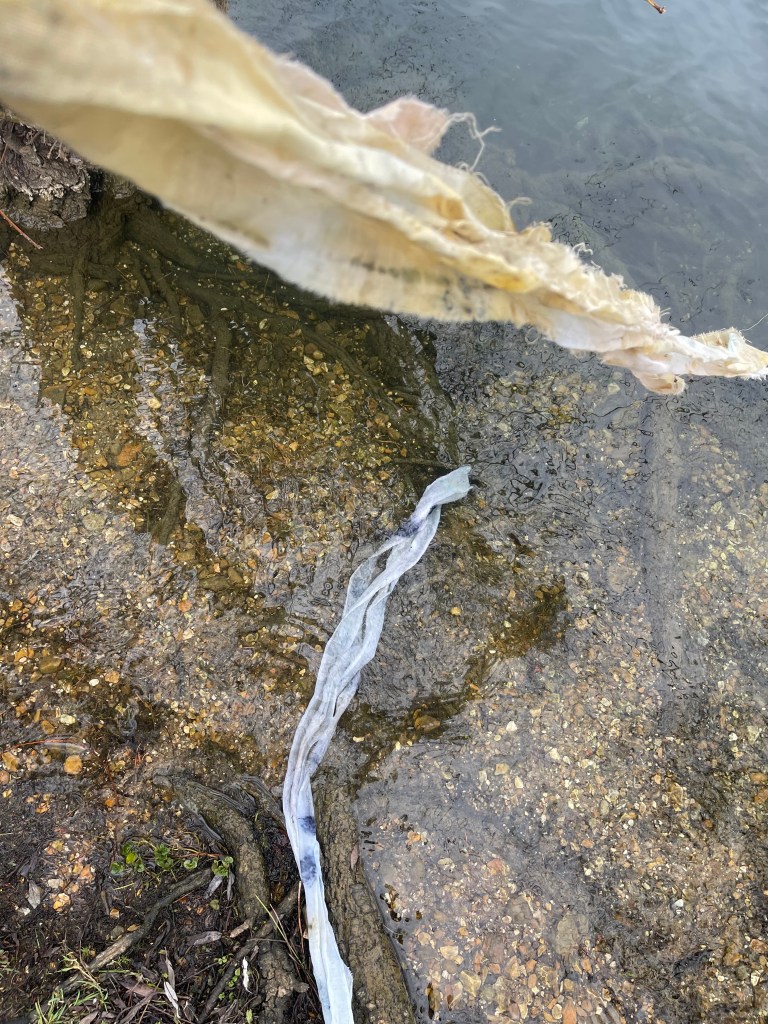
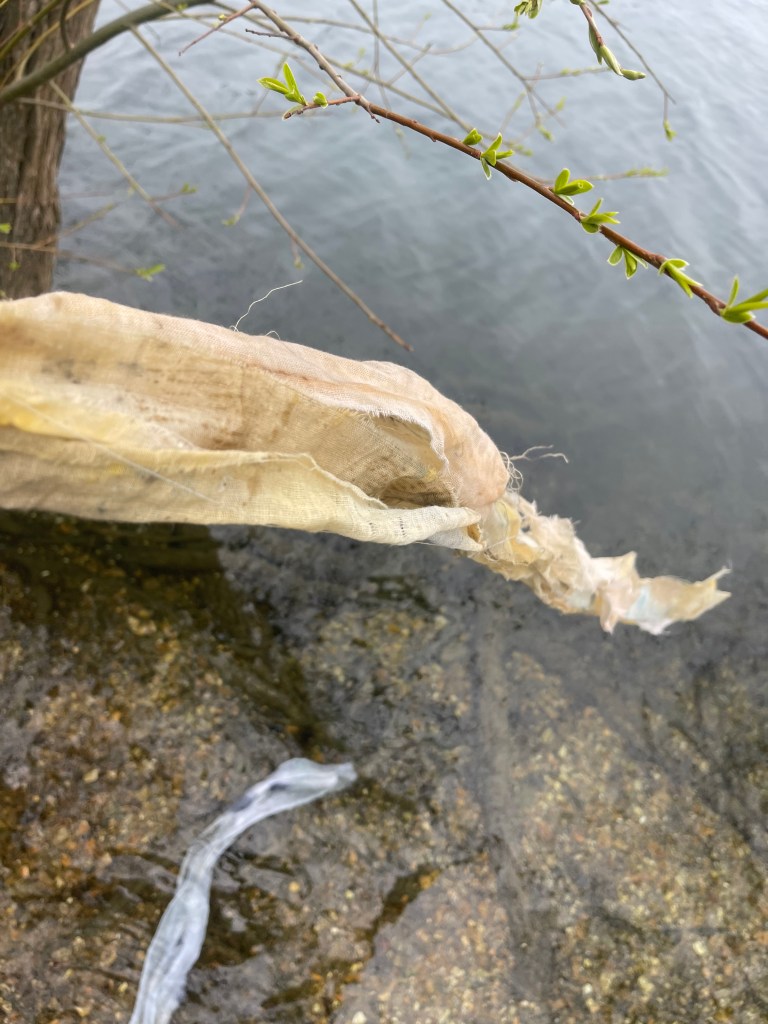
Reflection
I’m feeling a little chaotic in my head. I went to see the Threads of Life – Chihary Shiota and Heart to Heart – Yin Xiuzhen exhibitions at the Hayward Gallery this week (March 2026) with a fellow OCA student. I feel like I’ve ventured down a rabbit warren of stimuli. Both the exhibitions were extremely inspiring, (I’ll write this up below), in different ways and I have tried to use this not as a distraction, but as an enhancement to my practice, refining my visual language and exploring what genuinely resonates with me. By building my conceptual depth and understanding, and staying true to myself, I hope I don’t flatten my work into something predictable and loose my edge, which ultimately makes us all unique. By releasing the control of the outcome and making the work responsive and time based, exploring the tactile and physical, makes the work more true to me.
Chiharu Shiota – Threads of Life.
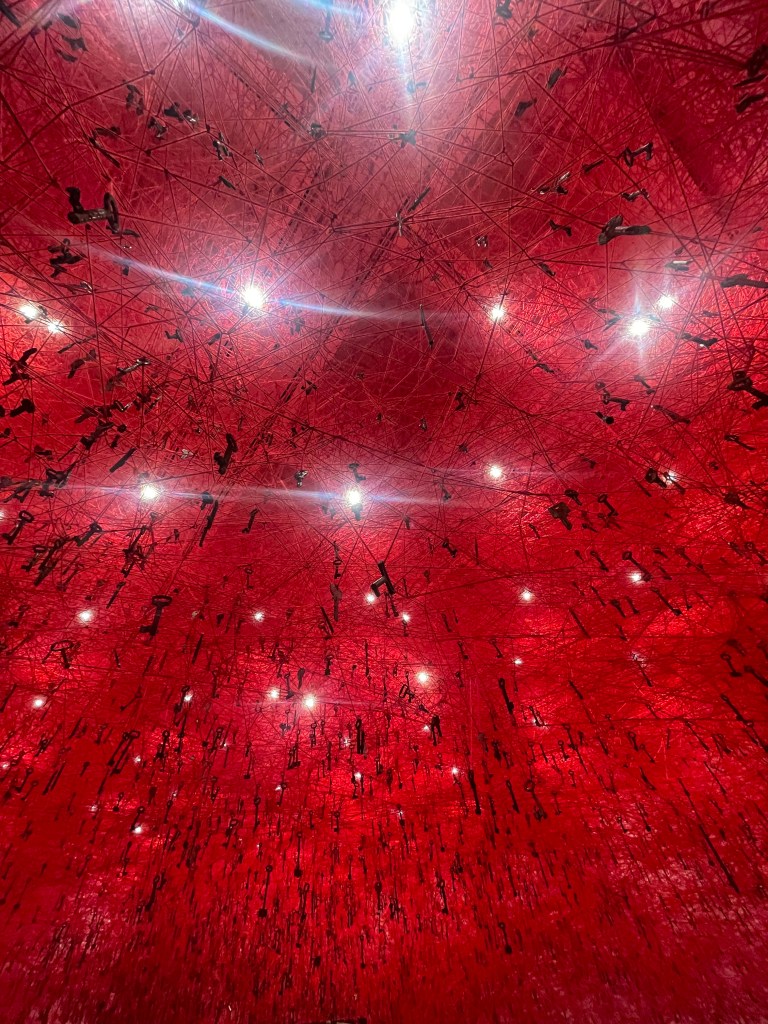
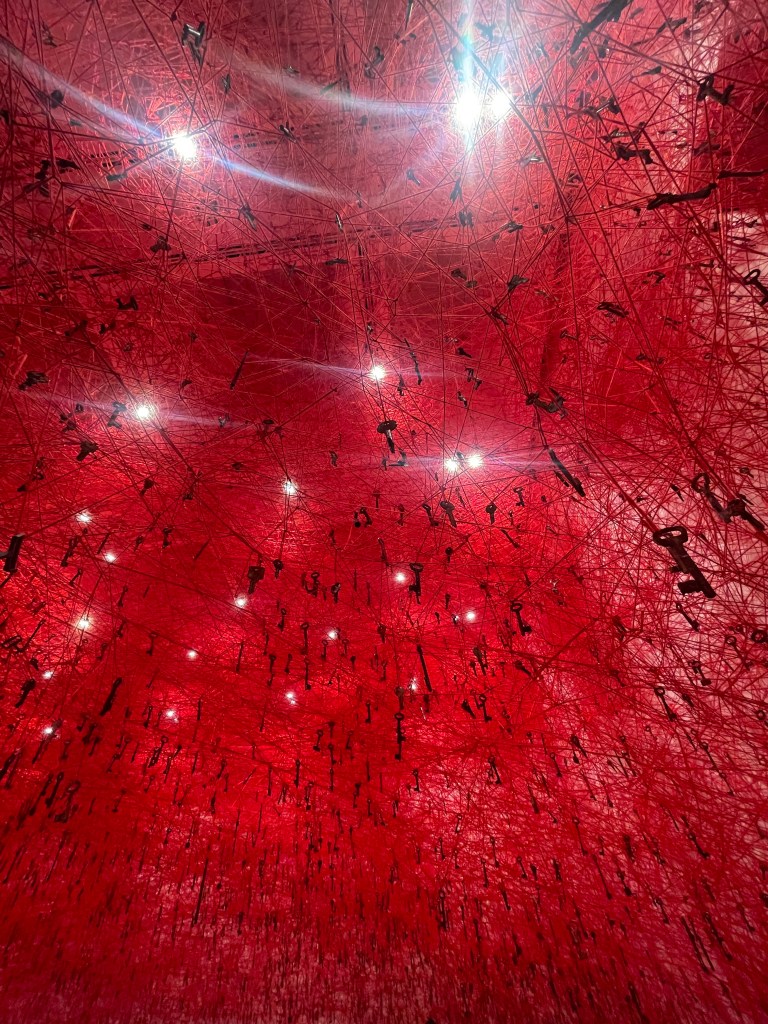
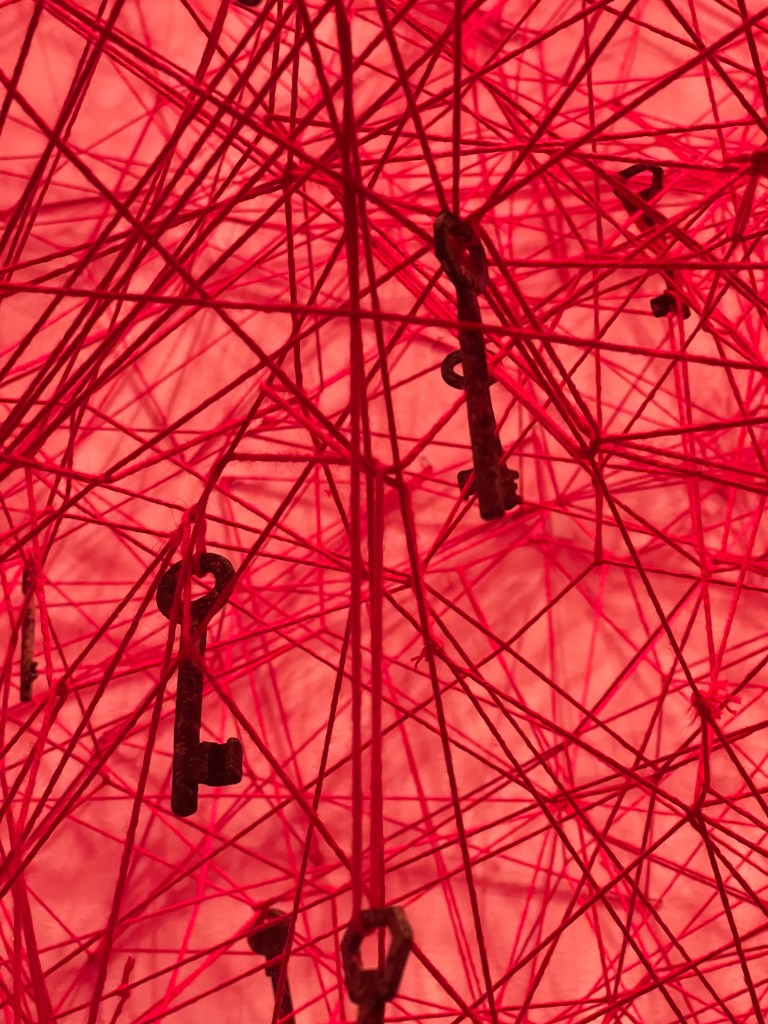
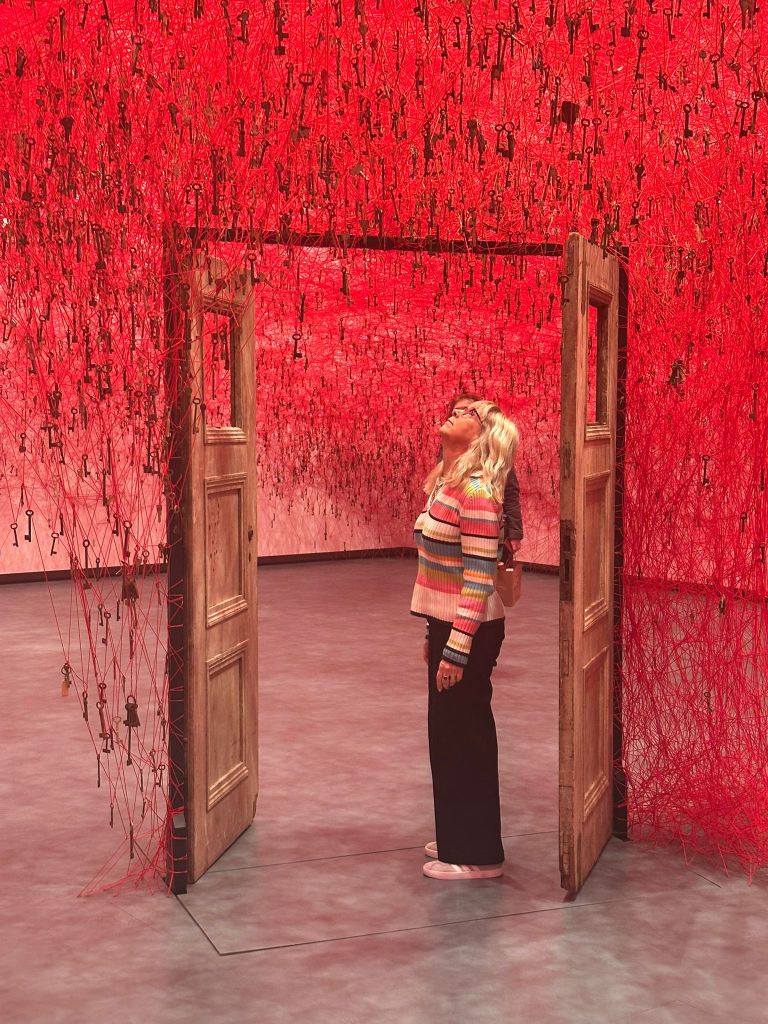
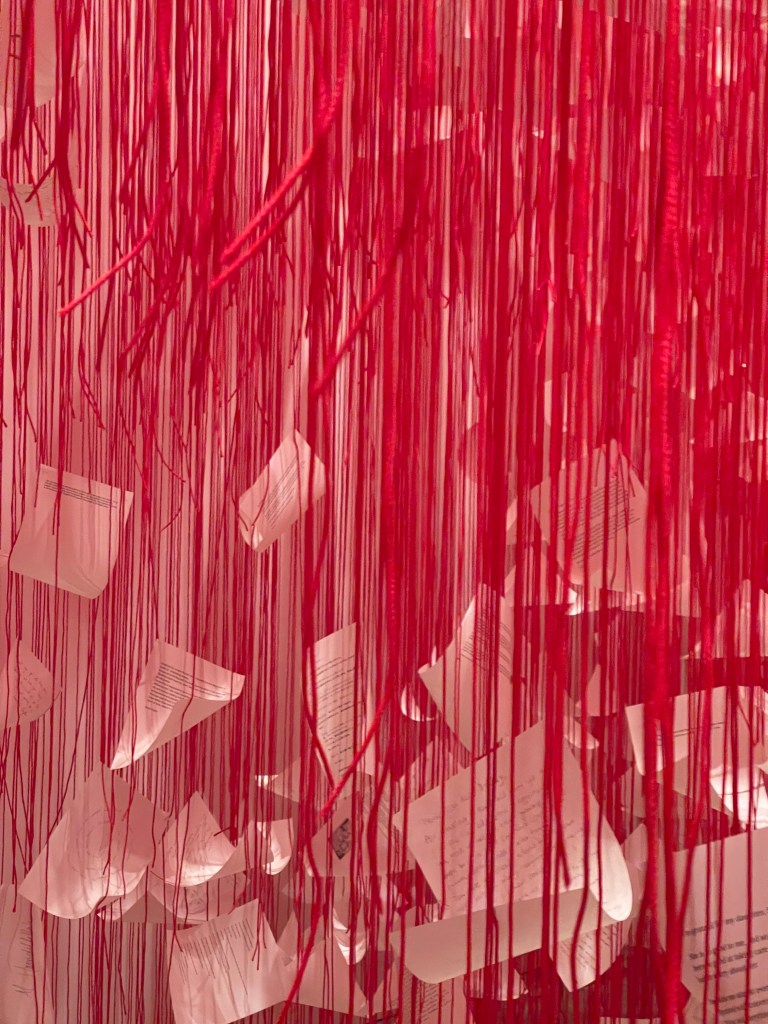
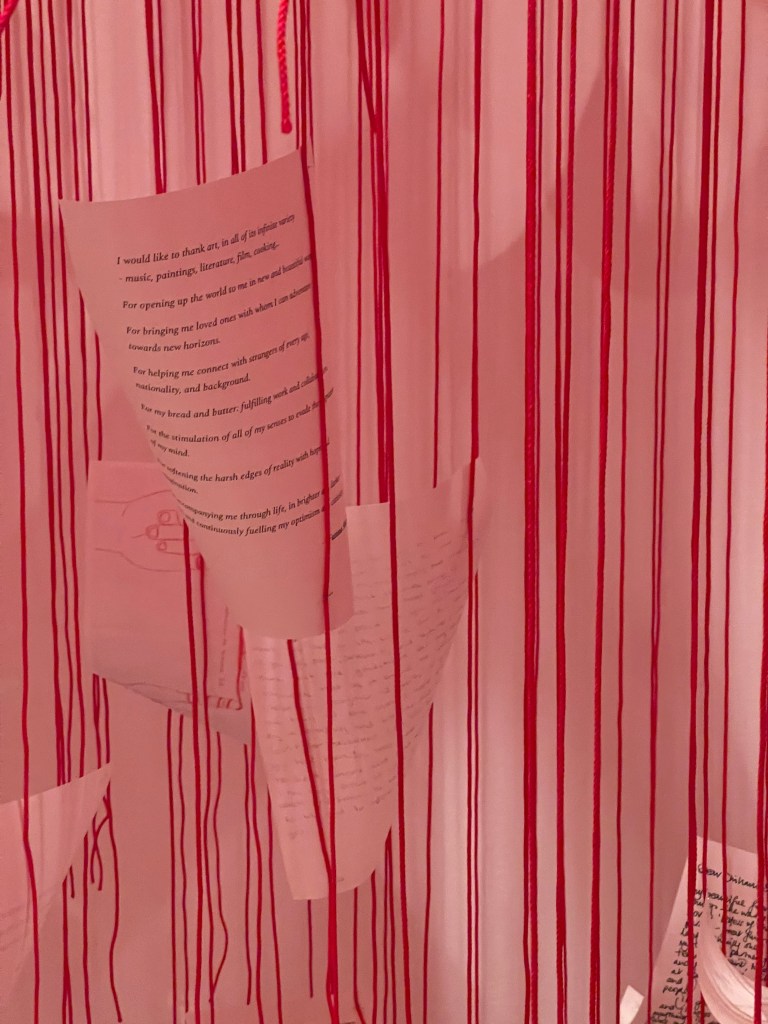
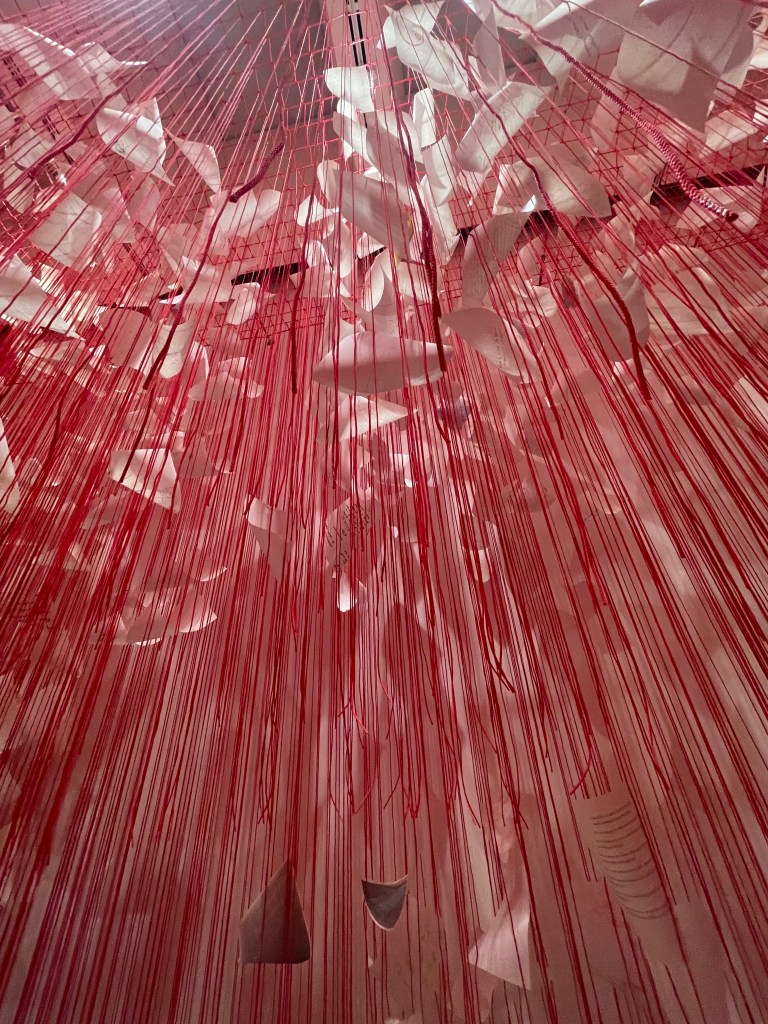
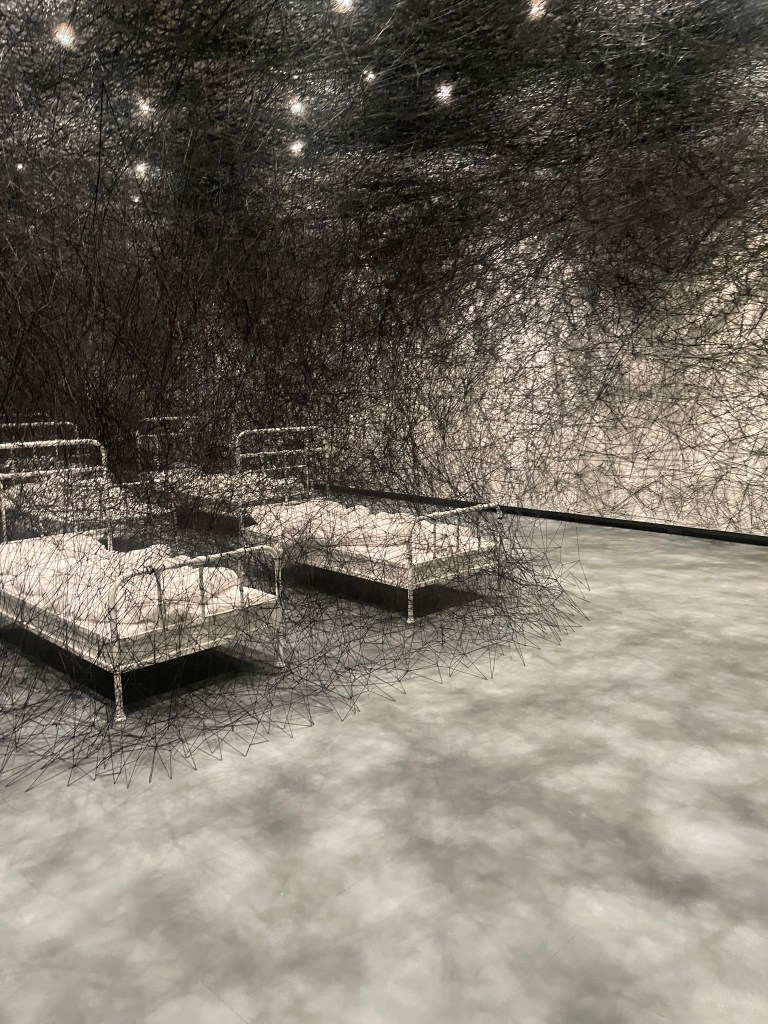
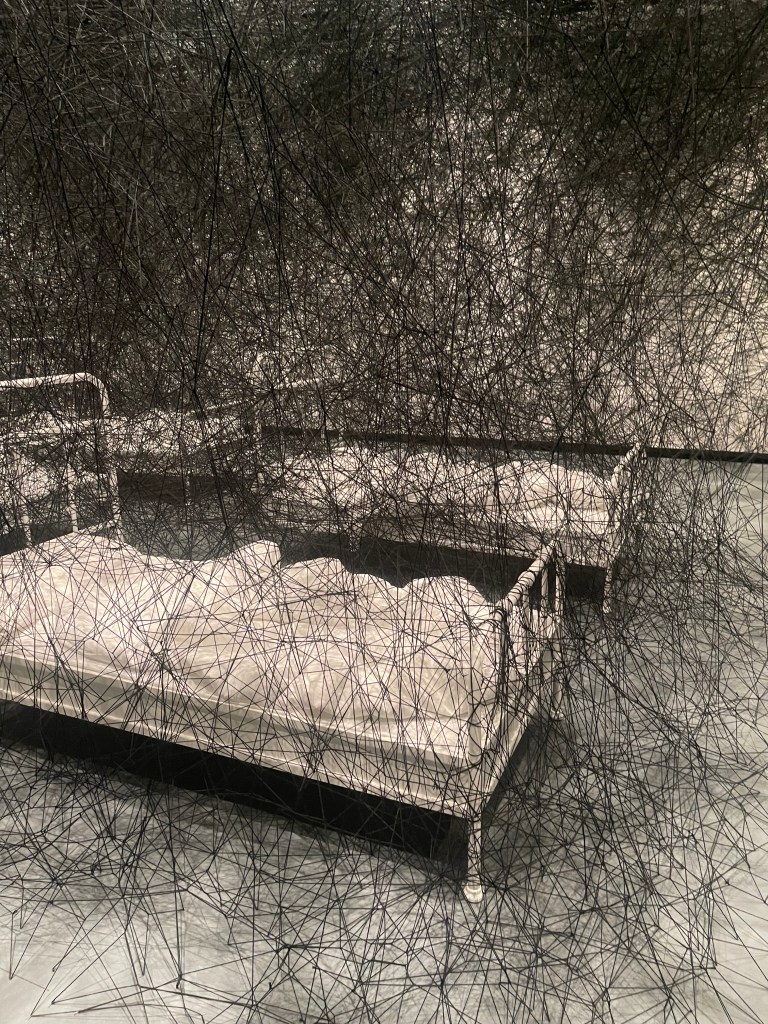
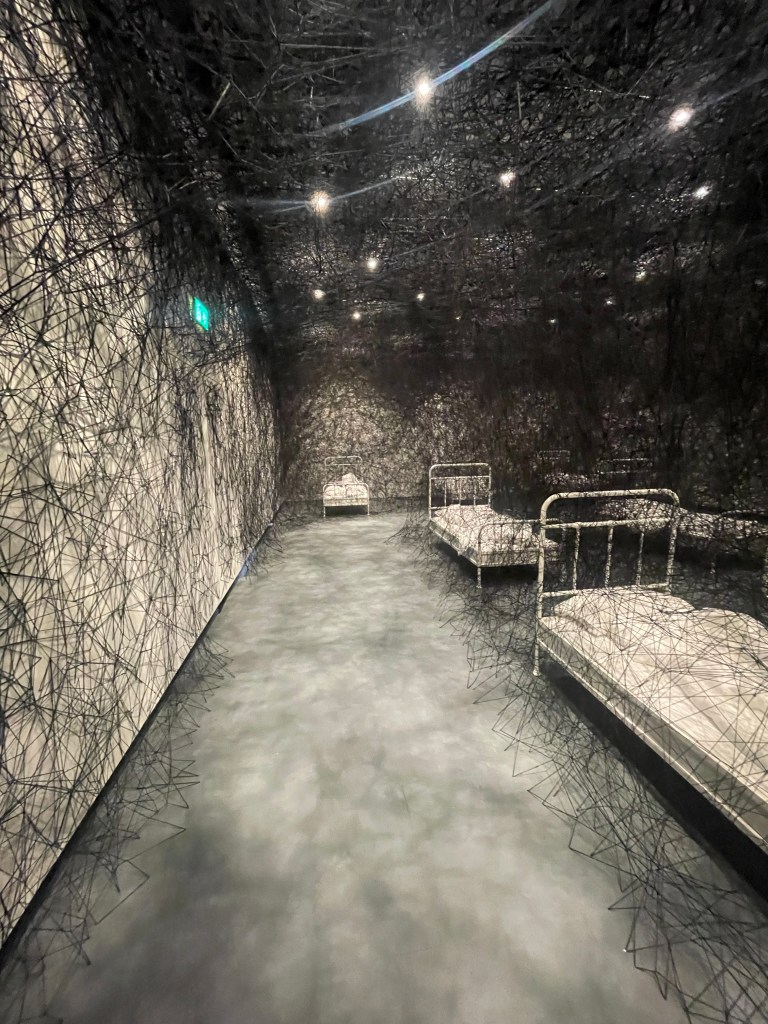
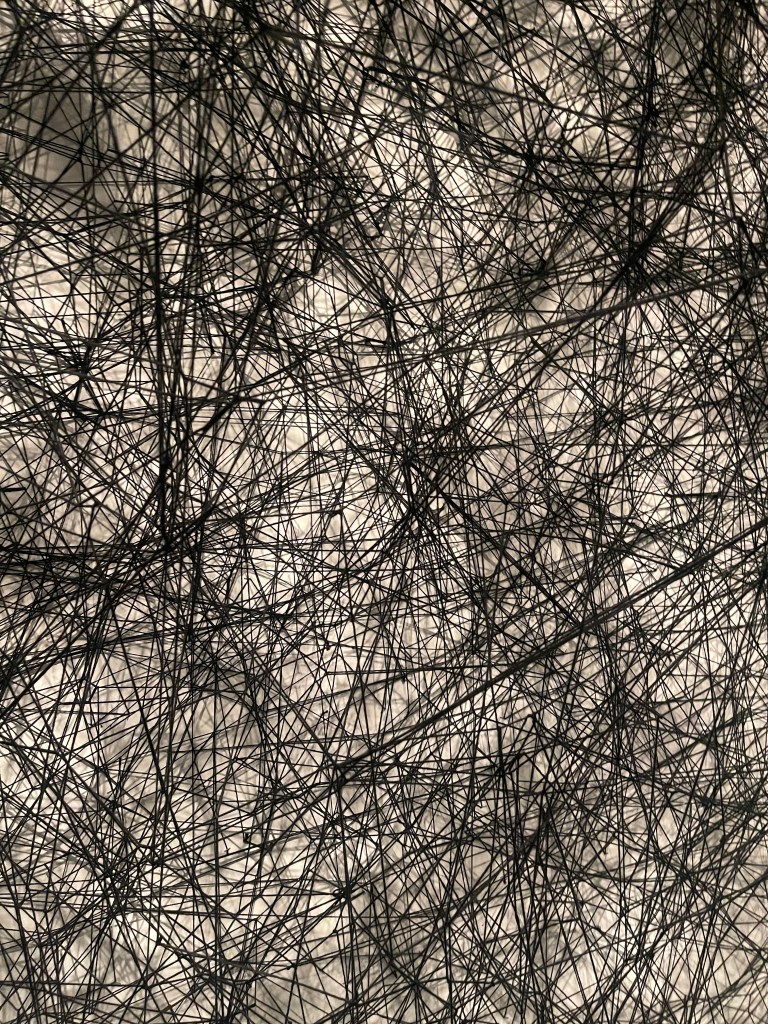
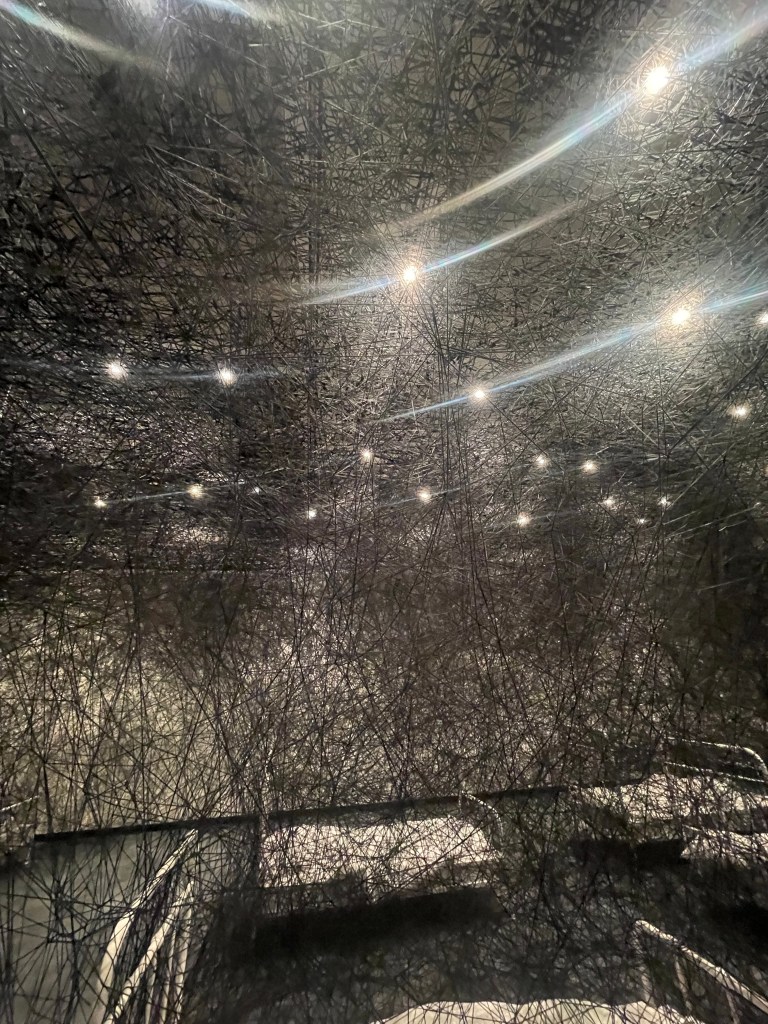
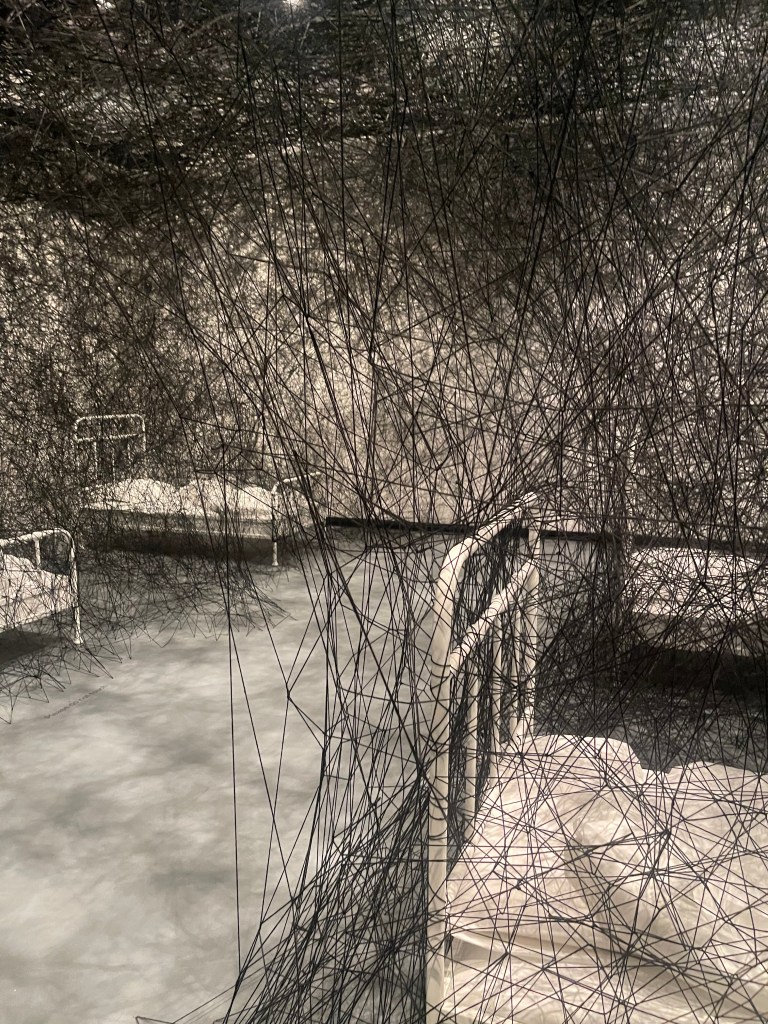
Shiota creates vast webs of thread that stretch and weave across entire rooms which become an emotional, overwhelming and immersive experience. The threads are so intricately placed and formed to create beautiful sculptures holding everyday objects or personal items. Keys, dresses, beds and letters.
Shiota’ installations illustrate memory, the body and its existence, and how we emotionally and physically connect to the world, and the fragility of life and death.
Her work, for me, is about colour, complexity, simplicity, being both chaotic and structured, both controlled and disordered and immersive, for some claustrophobic. The threads are the tension as well as the connection.
Using threads to map invisible connections, where the material takes over the space and builds the environment, the threads are repetitive, when accumulated together, and create the meaning. In my practice the tearing of the fabric creates flow and movement by using the open water and air it is behaving in a natural unstructured way.

 Viv King. Level 3. BA Fine Art