
I feel I am nearly full circle. Recording this seasonal year within my practice. Starting last November with perhaps a slightly heavy heart, waiting for the rain and the inevitable, and feeling relieved the winter passed without too much drama. The spring and summer where we live has been spectacular, dry and hot. The river has been running very low and the lake where I swim has been warm, and I hope to swim until late October. We are now mid September and the rain has started, relentless and so heavy. The fear starts to set in and so the cycle begins again.
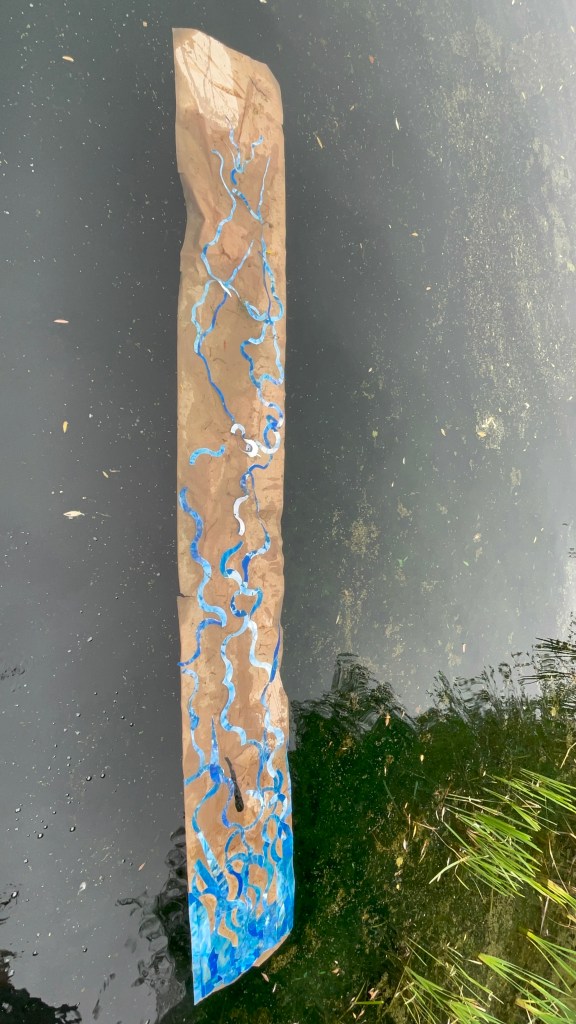
Using the power of scale to try and illustrate the physical presence of the river, I have left a four metre piece of brown paper, (consciously not used white as it’s too pure) outside for a few days in the elements. It is my intention to use the cyanotypes, which were made using the river water, to construct a cyanotype river, illustrating the flow, the meanders and the fragmentation.

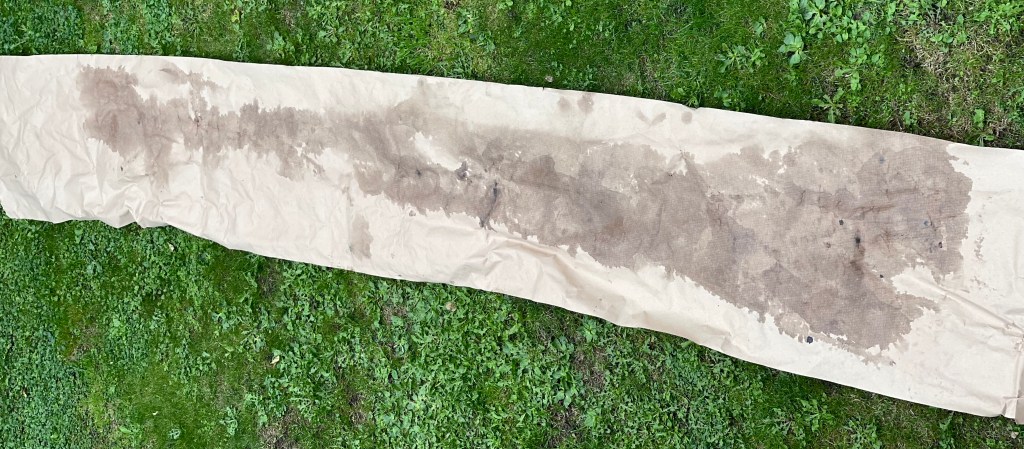
Trying to create an atmosphere of emotion and texture by allowing the paper to naturally decay and provide some interesting marks. The brown paper has a different texture to white and although it is thicker, it will carry the weight of exposure, staining and warping. Allowing the weather to collaborate, leaves the piece exposed and vulnerable to decay, illustrating the fragility and uncertainty which still remains visible to the viewer.
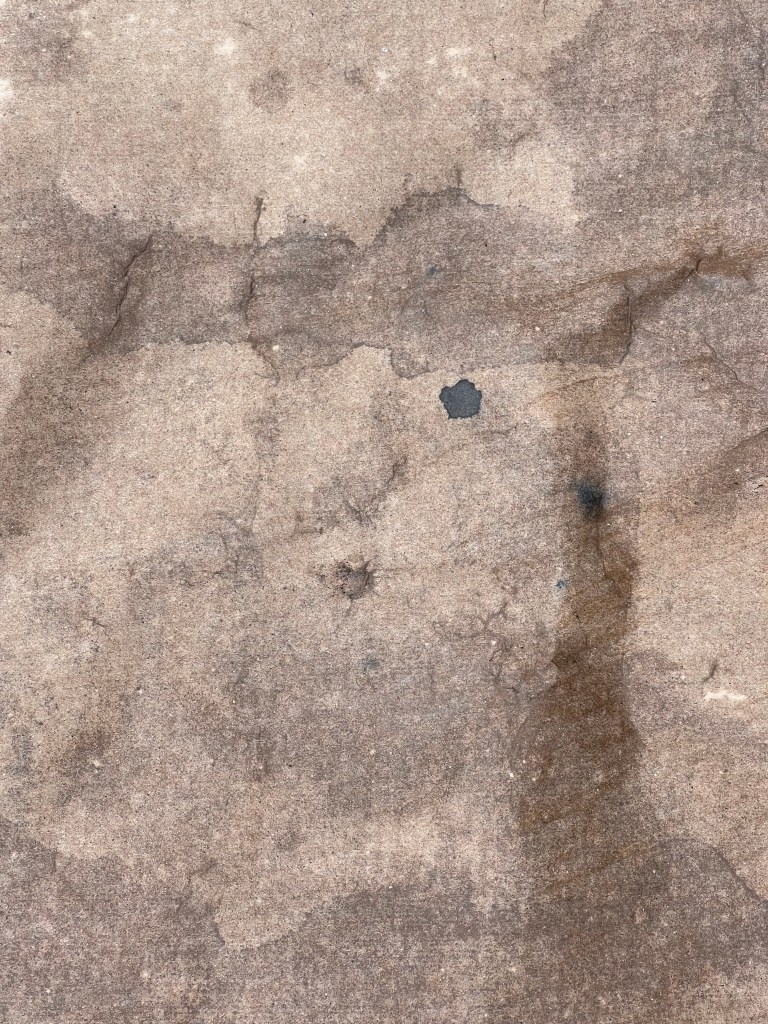
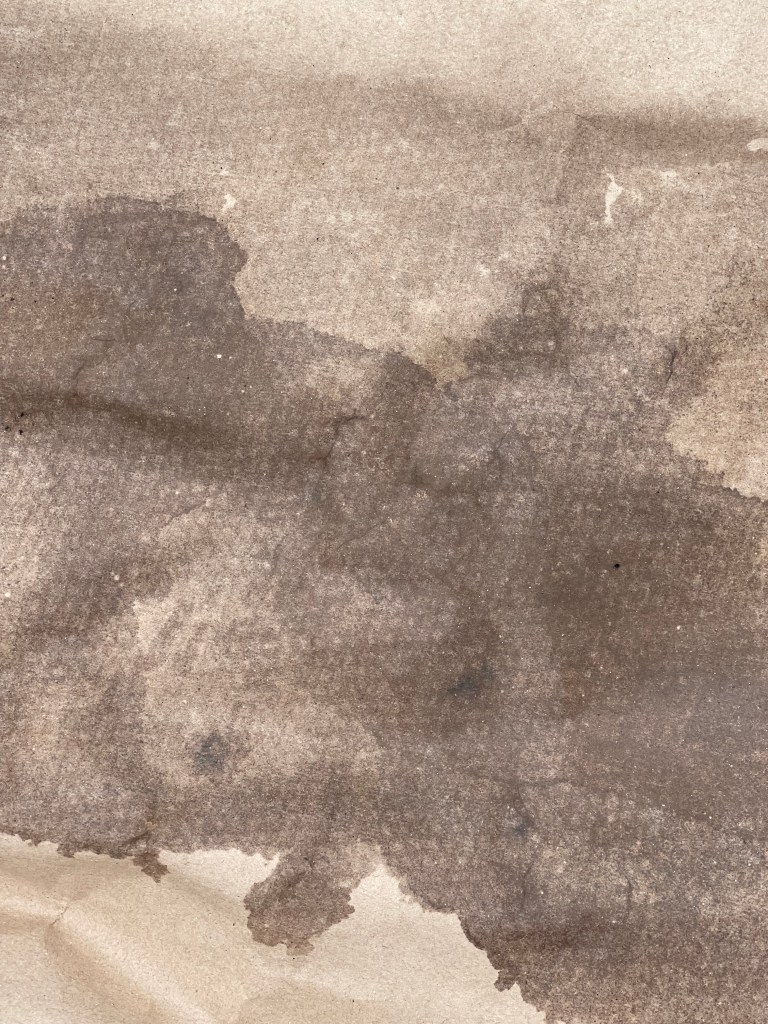
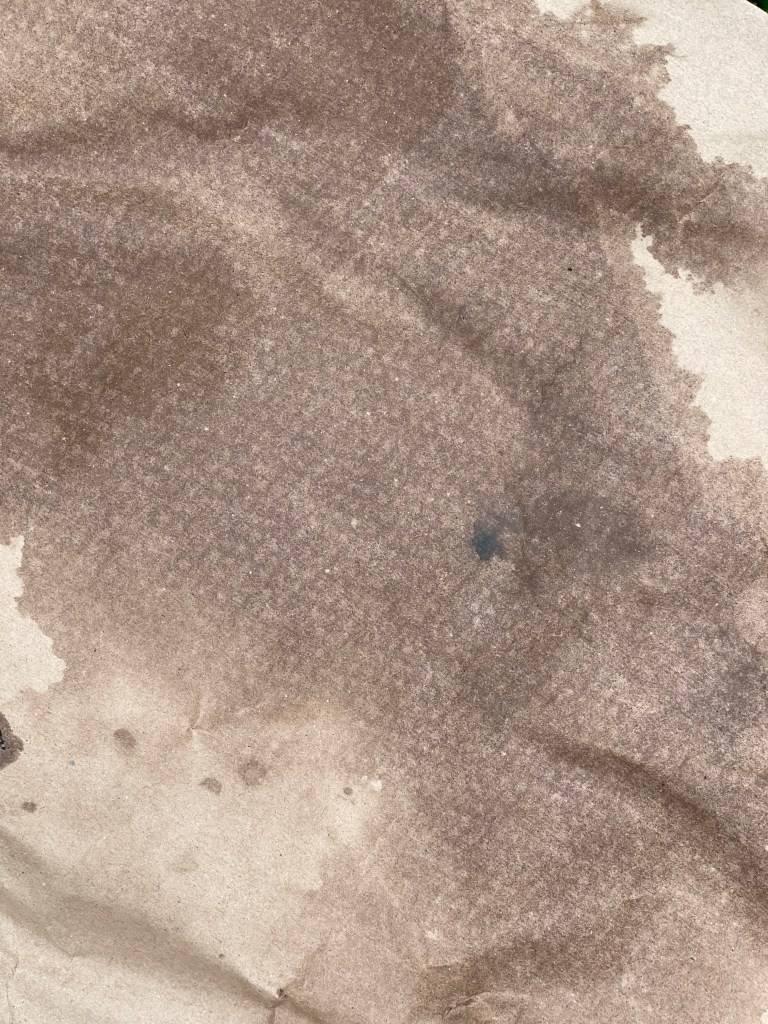
And so the repetition continues. Fragile, strong, fragile, strong. Renewal and deconstruction.
Making the artwork as a living cycle rather than a fixed one, combining material richness and using the luminous blues of the cyanotypes interplay with the water against the land echoing both fluidity and solidty.
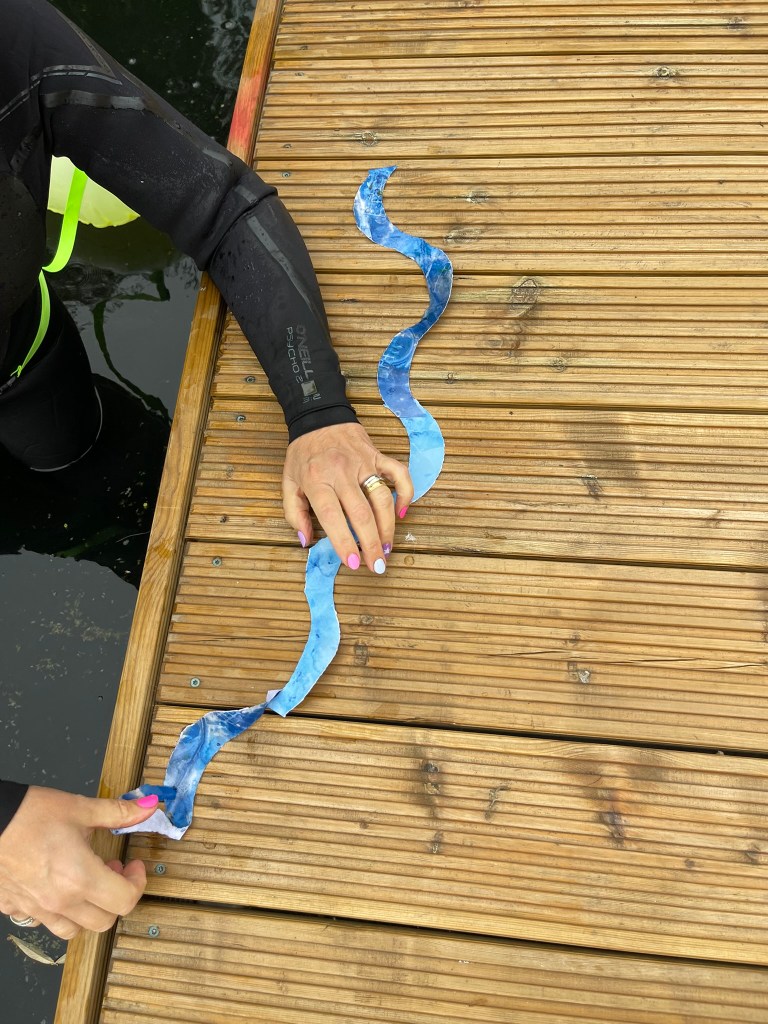
For me letting go of precision is a challenge, embracing unpredictability and the tearing rather than cutting leaves the edges more raw. I have torn around a small bowl to obtain the curves and meanders.
The marker pens I have overlaid bleed into the fibre of the paper, softening the edges, and blending as though they were mixing with the water, rather than being controlled. The flow then becomes more alive, restless, shaping and re shaping, always negotiating the tension between permanence and change.
The swirls, spirals and circles of the river illustrate a never ending cycle, no beginning and no end.
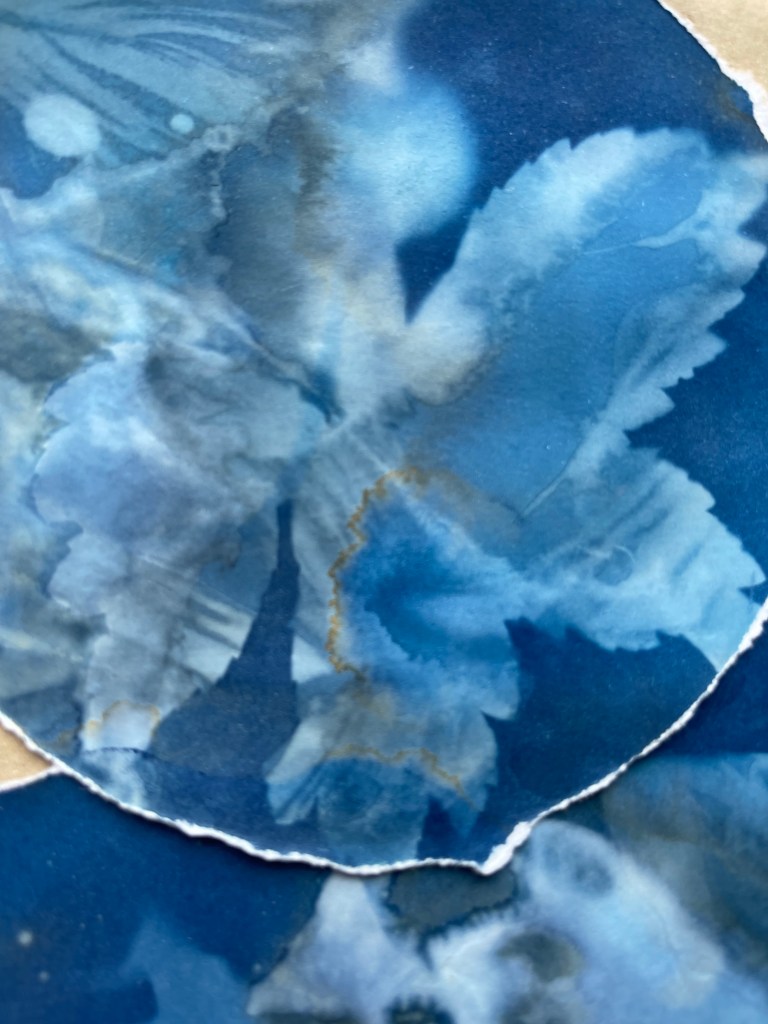

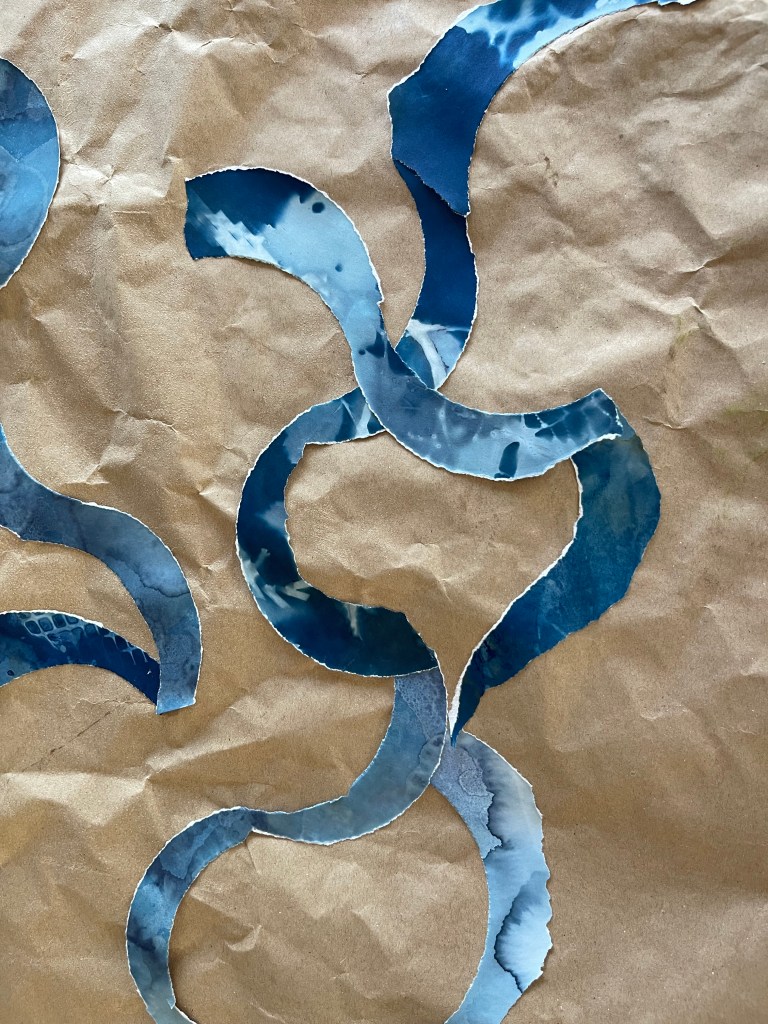
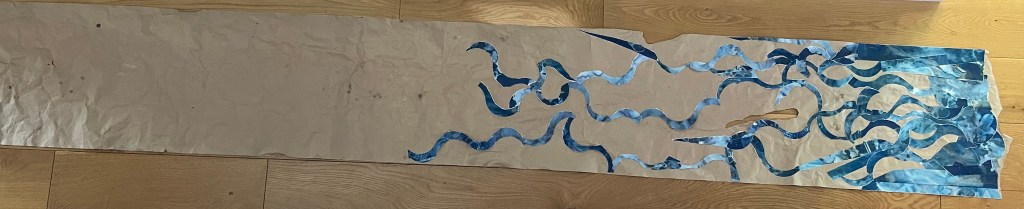
Very much with Anselm Kiefer’s work still in mind, by producing something on a large scale is giving me a sculptural response to the river and becoming more attuned with its fluidity. Kiefers colour palette lends more to earthy tones, greys, browns, muted, burnt and charred. The cyanotypes are vibrant in colour, depicting a fluid and organic rhythm.

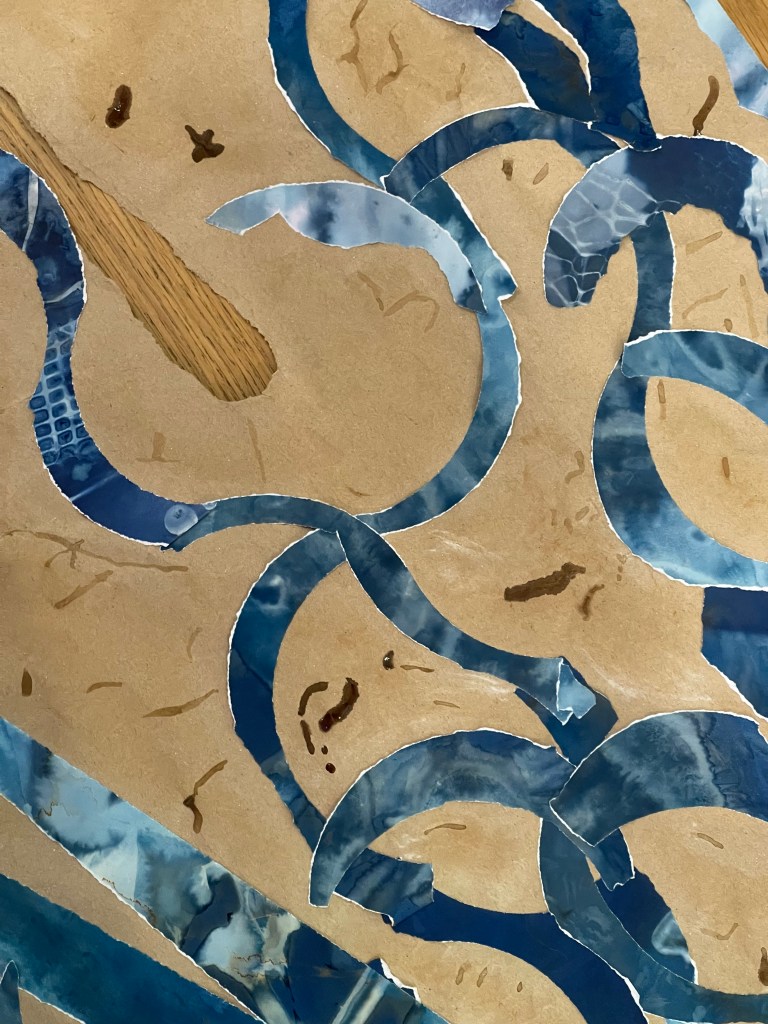
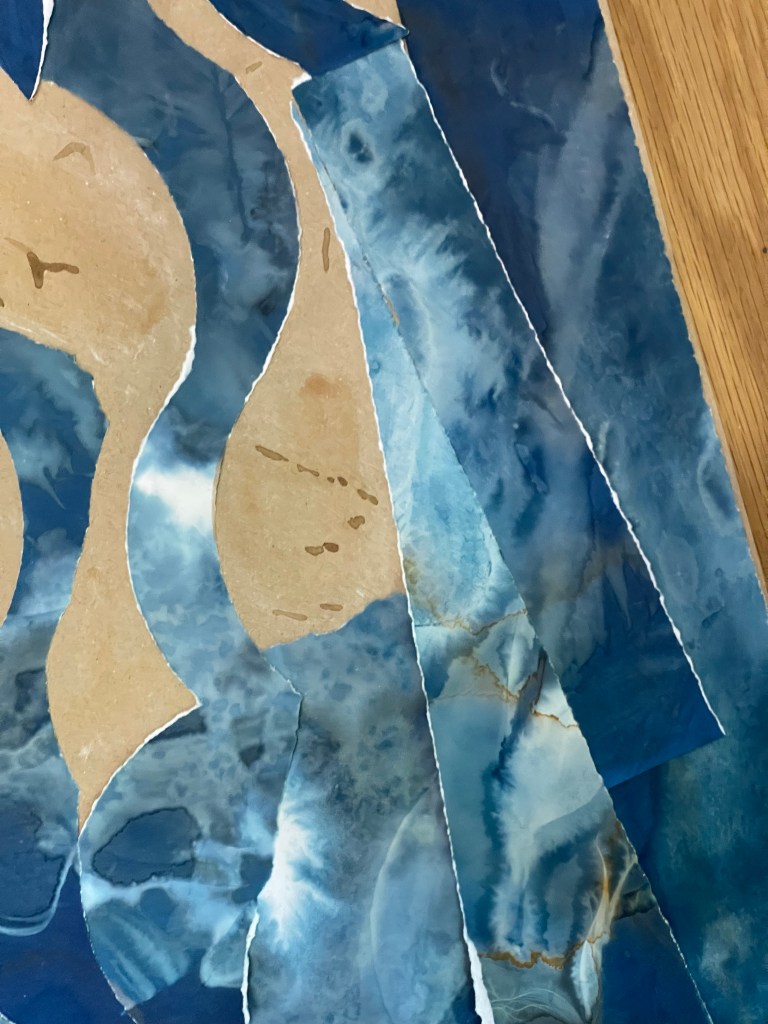
Close up of the cyanotype curves and meanders.
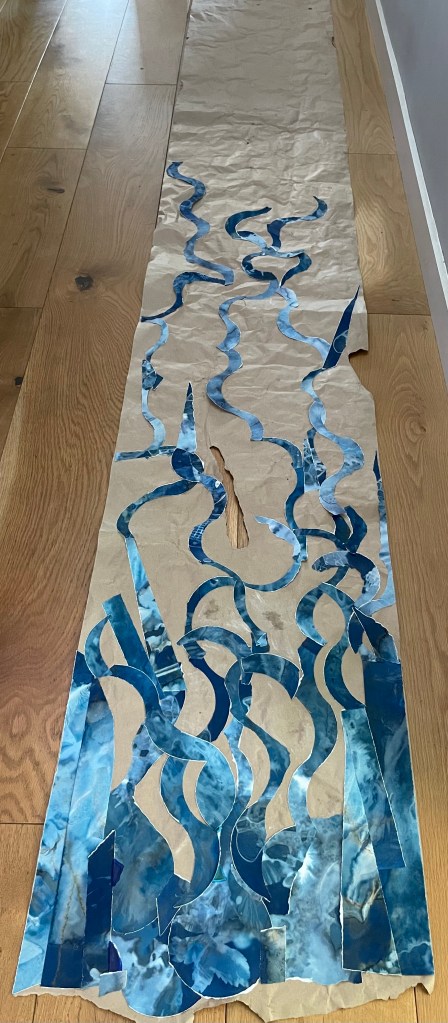
Part of the way through.
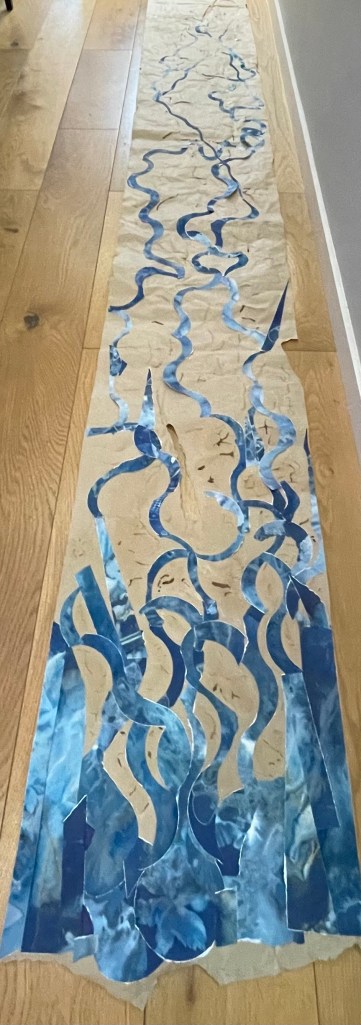
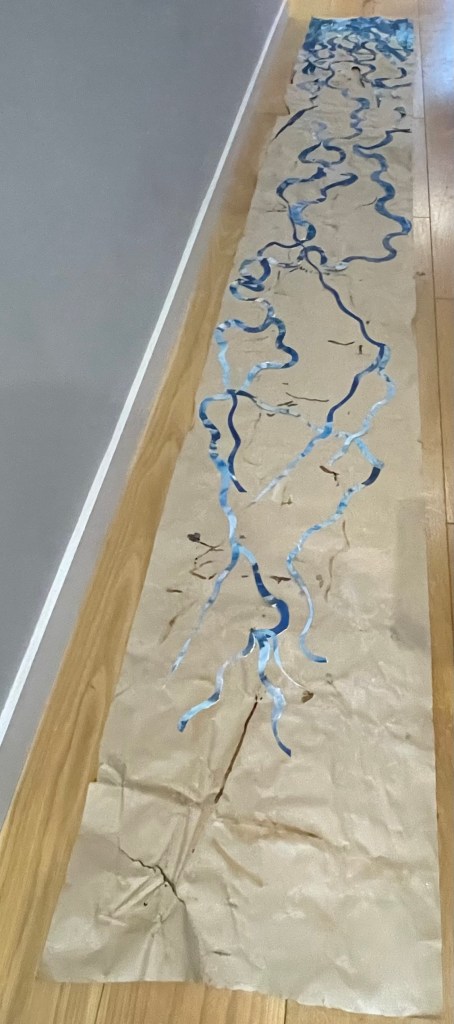
The piece is 4000 mm x 500 mm photographed from ends.
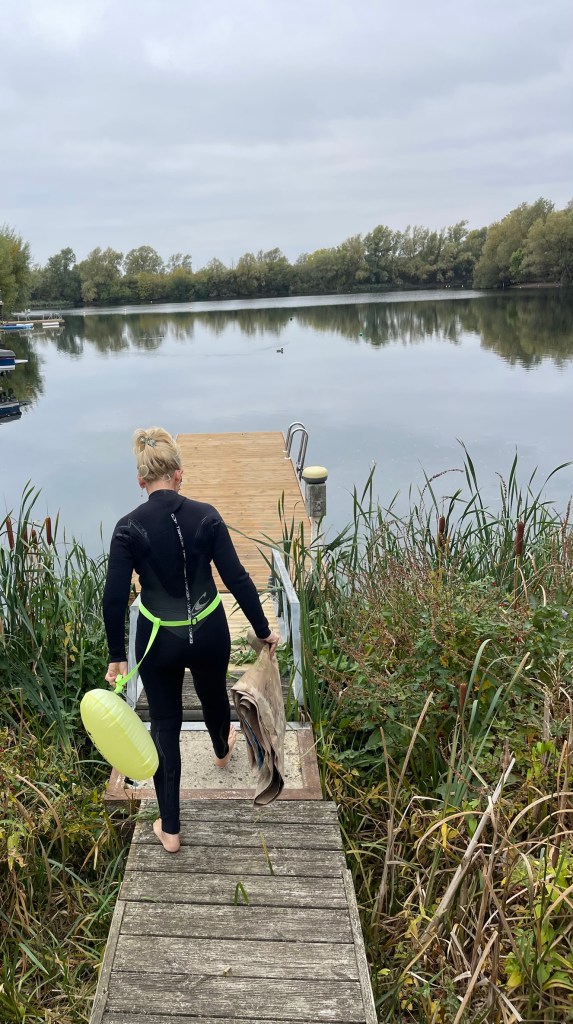
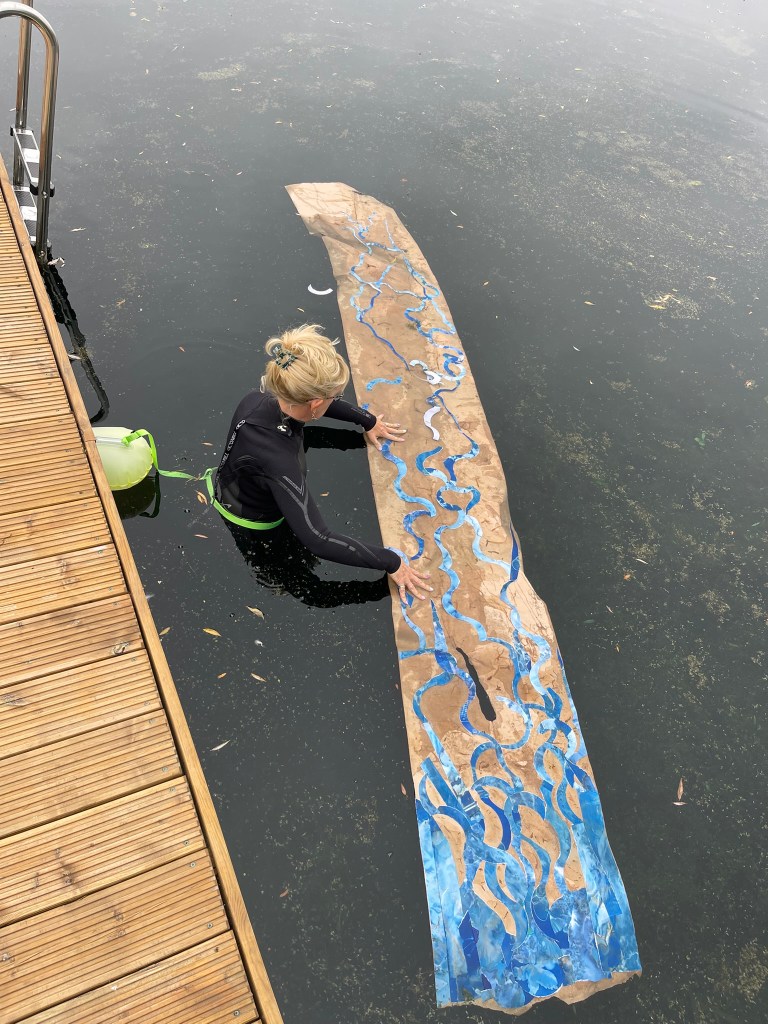
I felt as though this piece wasn’t yet complete, or perhaps that completion was never really the point. I wanted to push it further, to take it out into the open water with me. It is mid-October, and the lake is still holding its warmth.
I wanted the ‘river’ to be submerged, to let it breathe in the same space as the water, to free some of the emotion I so often feel the water carries.
There’s something about this time of year that always unsettles me. The edges of the season start to fray, the light fades differently, the air grows sharper, and yet we hope the water remains calm. Heading into another winter with the threat of another flood sits heavy on my mind. The worrying thoughts of rising water, of it undoing what has been built, repaired and erasing the boundaries, to reclaiming that space again.
To submerge the piece feels like both an offering and an act of destruction. Perhaps it’s a way of surrendering control, of letting nature take part in the work’s evolution. The water will alter it, soften it, distort it and probably destroy and consume it entirely. That feels honest. So much of what I’ve been trying to articulate sits in that tension between care and loss, between the desire to protect and the inevitability of letting go.
As the piece slips beneath the surface, I am struck by the stillness and listen to the quiet acceptance of change. The work no longer belongs to me, it has become part of something larger, something cyclical. In that moment, destruction too can be a form of creation.
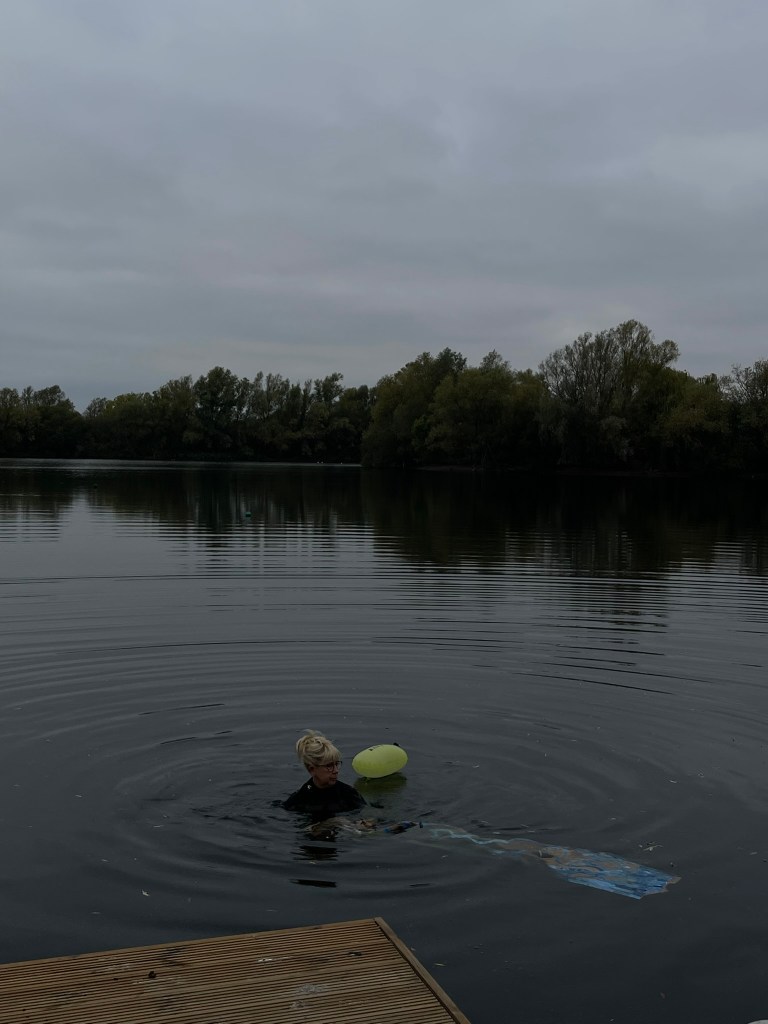

Reflection
The materials Kiefer uses are built up in layers, creating geographical formations that look weathered with layers of time pressed into the textures.
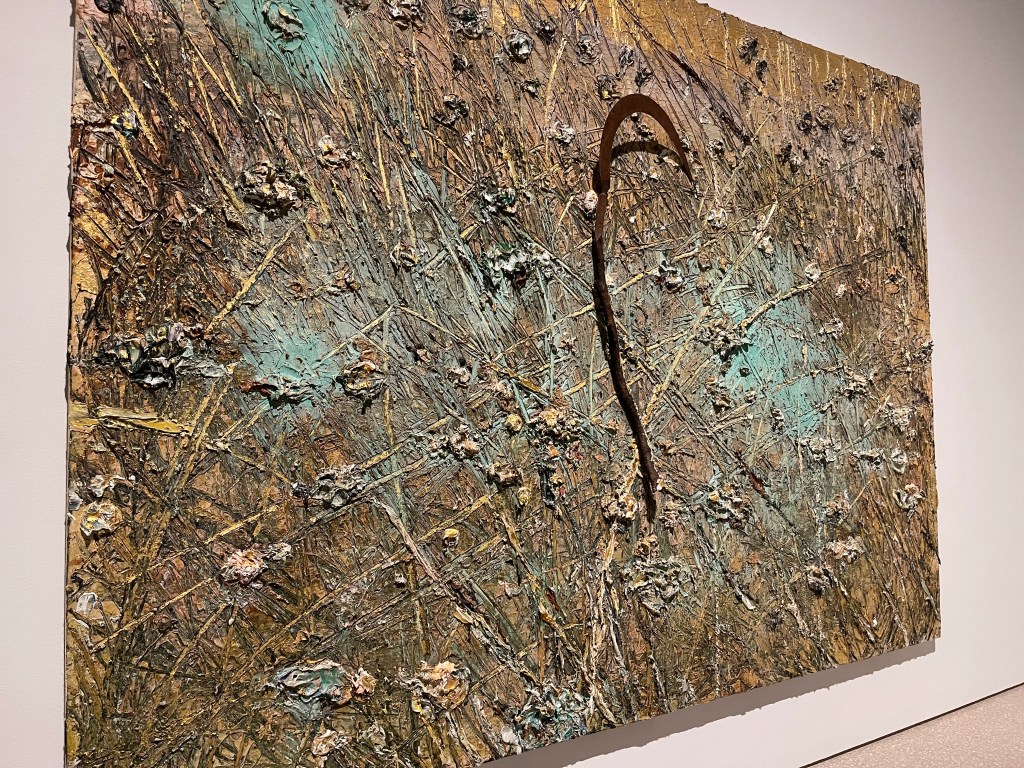
Anselm Kiefer – Eros and Thantos 2013-19 – Emulsion, oil, acrylic, shellac, gold leaf, sediment of electrolysis, metal wire and burnt wood on canvas.
Even though they are smaller, the flashes of pale blue and/or gold leaf, still can leave the mood quite heavy, taking on the seriousness of the subject matter.
Despite the destruction, burning and charring the results are transformed into something luminous and enduring.
Like Kiefer, I allow the process of chance, the bleeding inks, the tearing of paper and using the absorbency to soak up both.
Particularly his decay and renewal, straw, ash, lead and clay, plants the pieces that symbolise destruction, are also the cycles of transformation and perhaps suggest that from ruin something new may emerge. Destruction and renewal. Beauty and unease.
Kiefer’s monumental works are quite something to see in real life. The space they engage with don’t just hang on a wall, they dominate the room, engulfing you into walking his landscapes. His art for me feels like an immersive environment that you physically enter into.
By producing this large scale cyanotype and using Kiefer’s influences through sheer physical scale and material presence, my own work becomes lighter in tone and palette, but I still hope to some extent is immersive to the viewer. Unlike my previous collage, this piece does work better from a distance as I feel the flow and meandering curves of the river are more visible.
The length of the cyanotype invites the viewer to experience the movement, not only as an image but also a physical encounter working towards ephemerality and fluidity rather than weight or ruin.
The piece has worked well in length however the width could have been doubled to allow for more expansion outwards of the river flow. I like the way it looks from a distance, it does look fluid. The meanders and thinning of the water work well. By keeping the background simple with only the marks that were picked up outside makes the viewer hone in on the river, rather than being distracted with the background.
I feel there’s a real sense of tension between creation and destruction within this piece and submerging it in the open water makes a powerful gesture, almost like a ritual, surrendering it to the same forces I constantly respond to. The warmth of the lake despite the season (mid October 2025) adds to that poignancy, Mother nature is holding on before the winter comes, just as we hold on before another flood.
Note* This process left no litter or debris.

 Viv King. Level 3. BA Fine Art