”The greatest threat to our planet is the belief that someone else will save it” Robert Swan – Explorer.
Each year that passes unfolds itself into fragments. Some years pass without to much drama, those are the ones we hope for.
At my last tutorial we talked about how I would curate all this work, we talked about a book, which I think maybe something for project 8, and we talked about Mark Dion’s The Thames Dig 1999, and how this work was displayed. The more I think about it, the more this is something I would like to try, not on such a grand scale but mixing these pieces up. The found objects, along with the collagraphs, cyanotypes and the sketches.
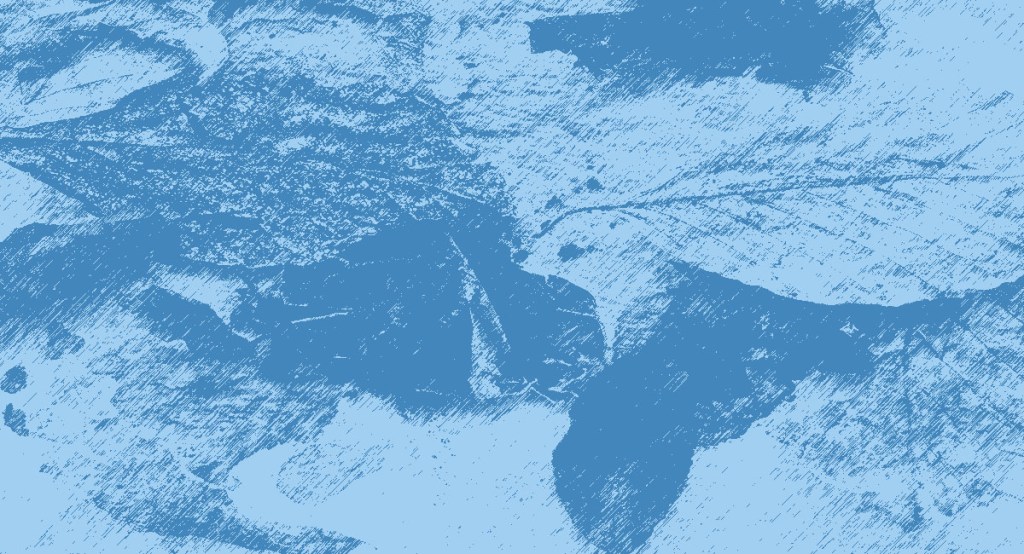
My practice is illustrated with the layering of organic and found materials from the river and the rivers edge, evoking the natural ebb and flow of the water to illustrate the river’s unpredictability and the emotional weight it is carrying. Through marks and silhouettes, I try and tell my story, one that is made up of beauty and unease, revealing the hidden depths of what the river holds beneath its surface. These traces speak of personal memory as well as the larger ecological narrative.
The work becomes a reflection on the fragility of our ecosystems and on a wider scale, the whole of our environmental and global climate crisis. Our rivers and water ways are vulnerable to pollution, drought and flooding, all of which continue to accelerate the impact of climate change.
More thoughts.
My own Thames Dig – Beneath the surface, tracing fragility in a time of ecological crisis. – Instead of using artifacts, use memory, traces, ecological tension and emotional and physical residue.
Where the river mends
Art in collaboration with the river
The river as a medium, collaborator and messenger.
What did the river take?

Open water swimming
Although I am continually making notes I really need to hone this in with a firm outline to move forward.

 Viv King. Level 3. BA Fine Art