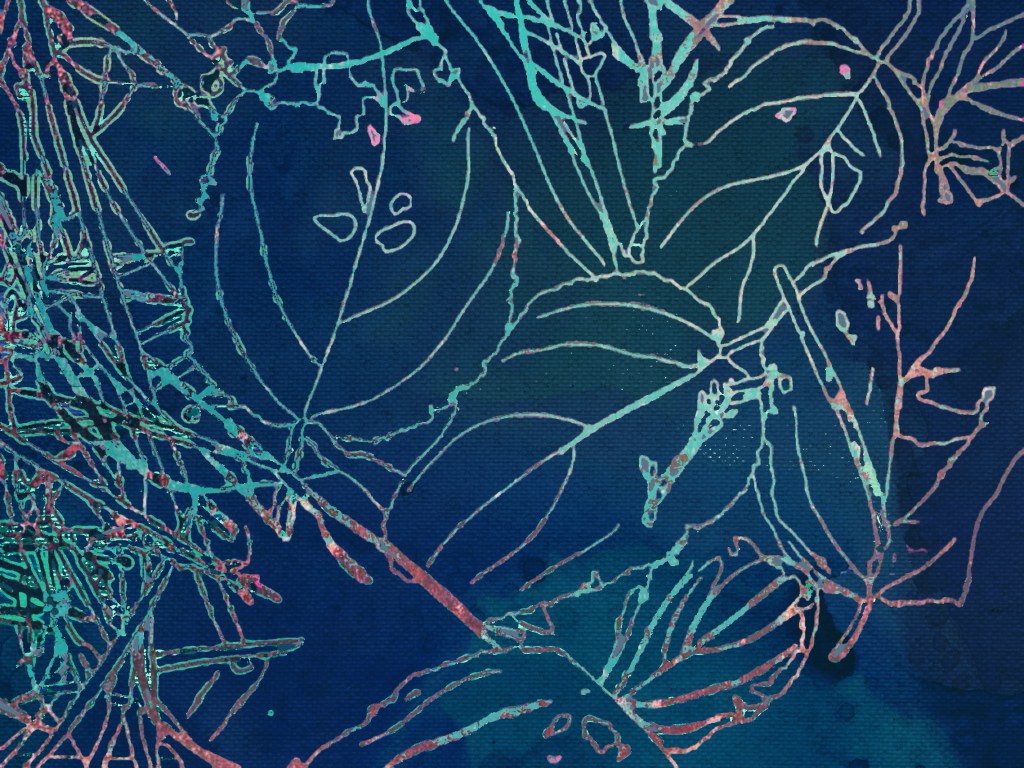
I have developed two different sets of work for this assignment, which I will probably extend further throughout this course.
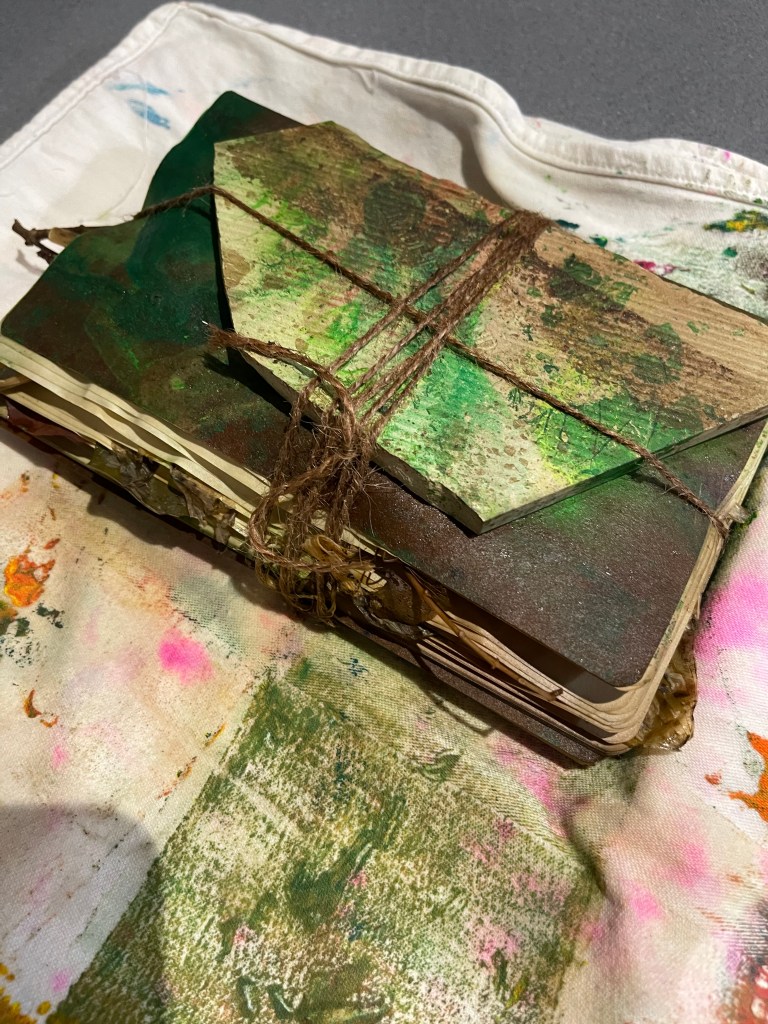
Using found objects from the river’s edge, I have filled another sketchbook with debris, bound it tightly with string, and used a broken tile to press the pages together.
The river is high again, we have been on alert twice this month, December 2024. The water has breached the banks, however we are due at least a dry week so hopefully the flow will subside. I have placed the book safely, without any littering and will leave for a day or so. I used a mixture of mouldy leaves and dried flower heads, some twigs and wet soil to fill the book.
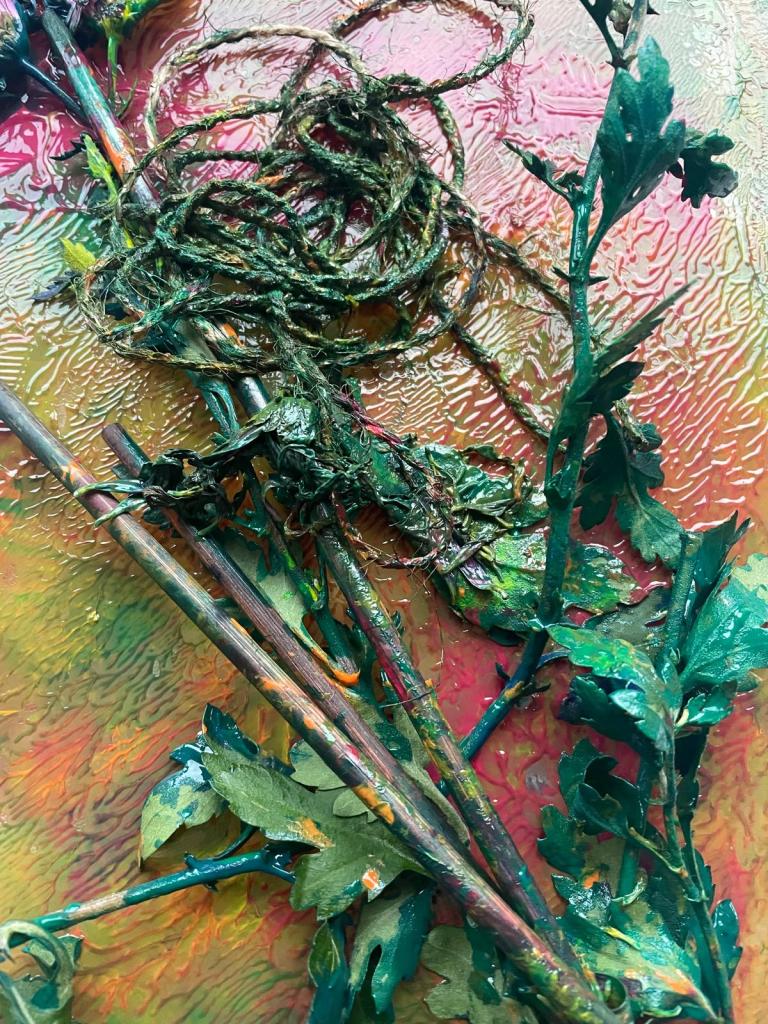
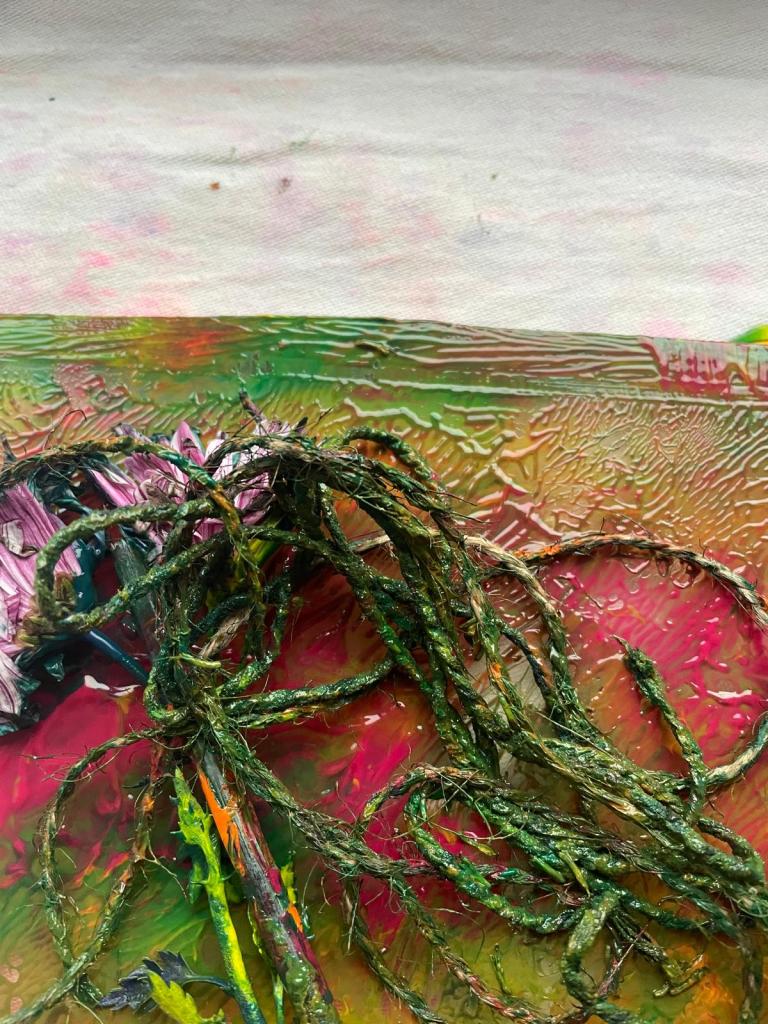
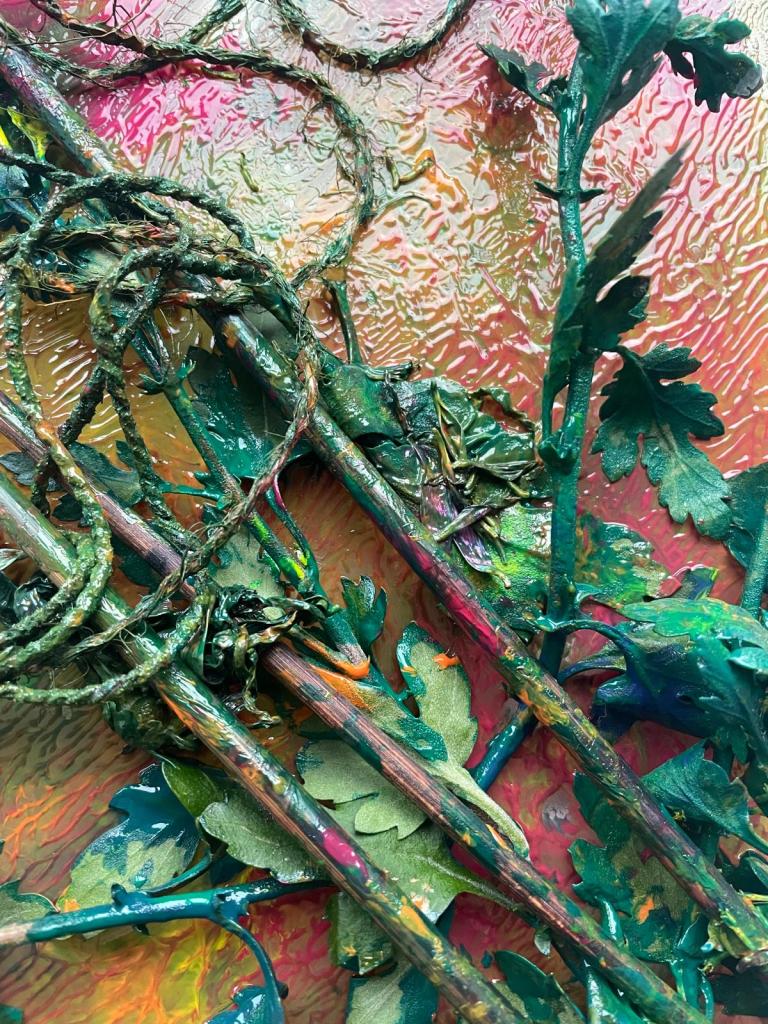
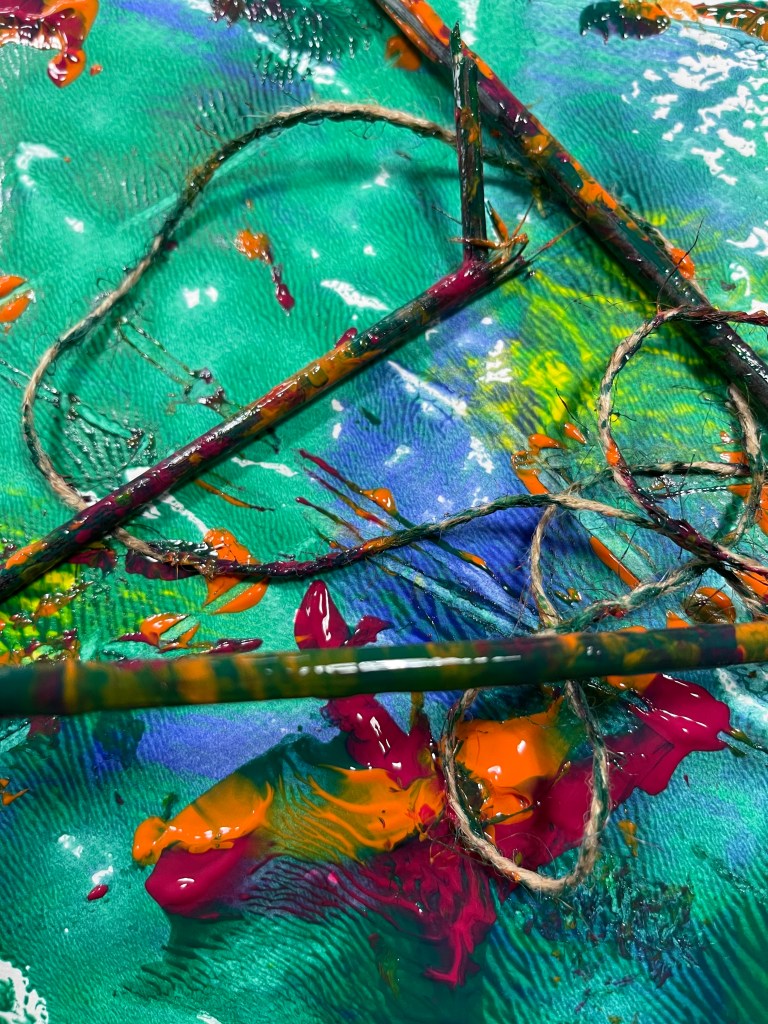
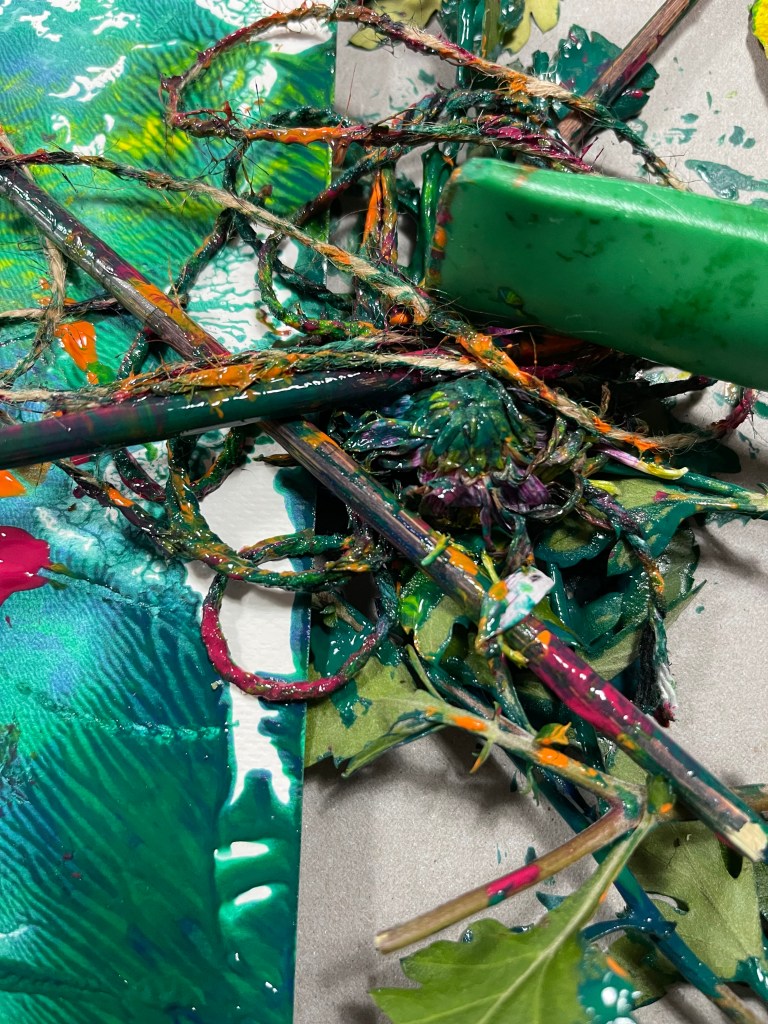
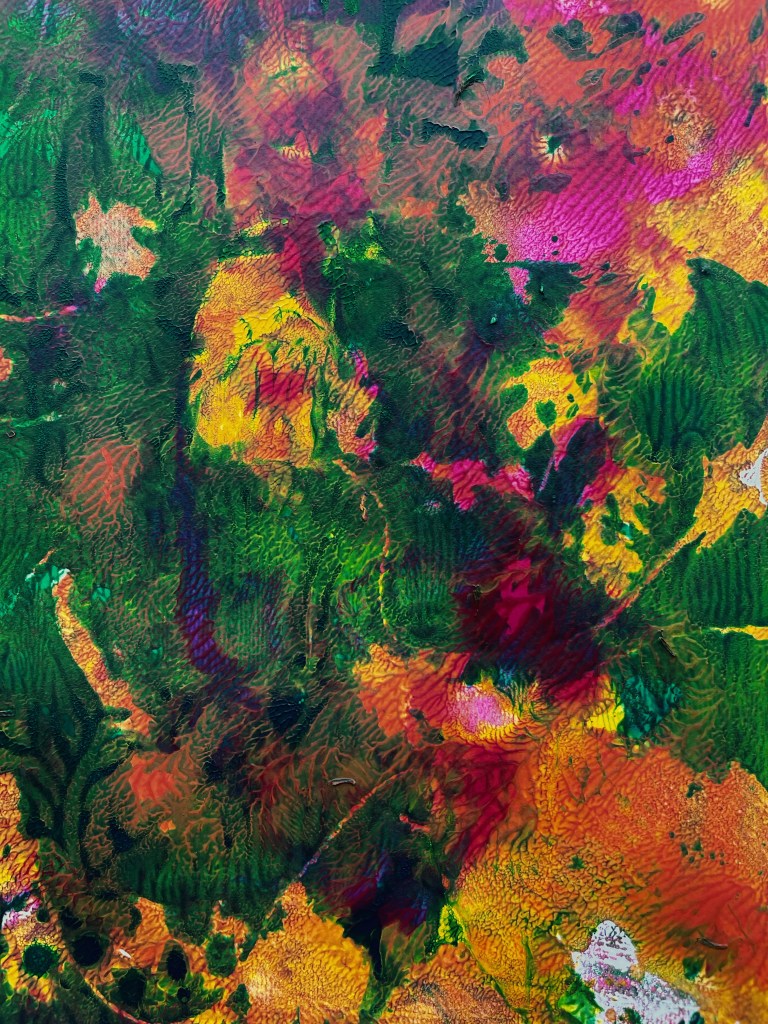
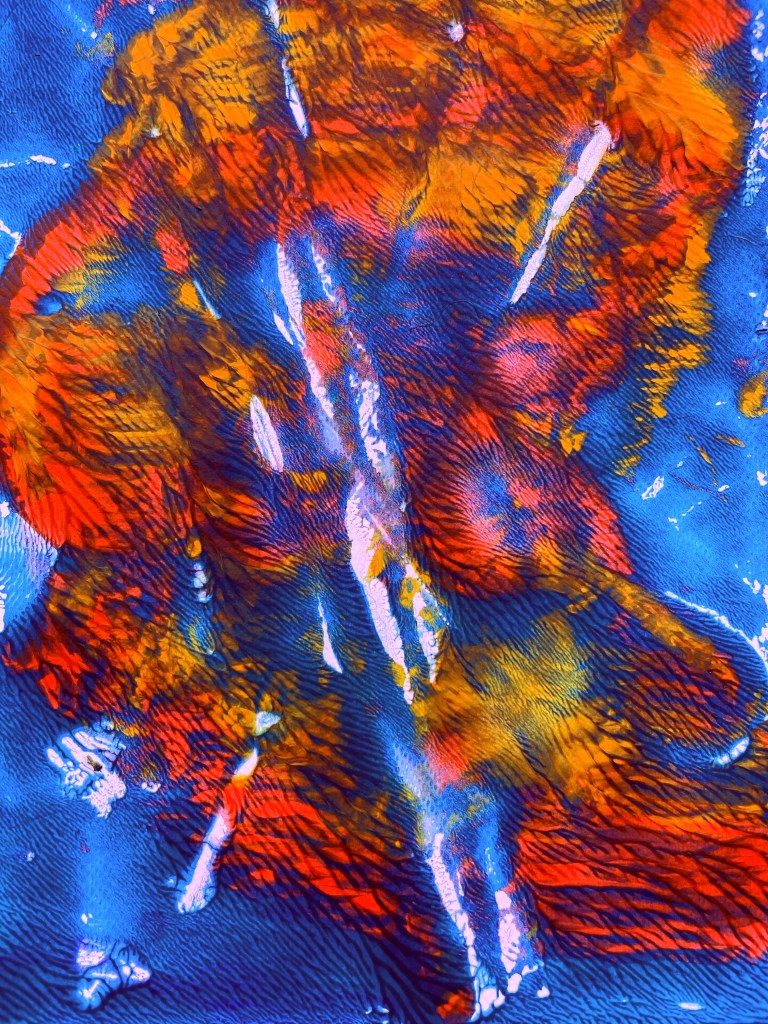
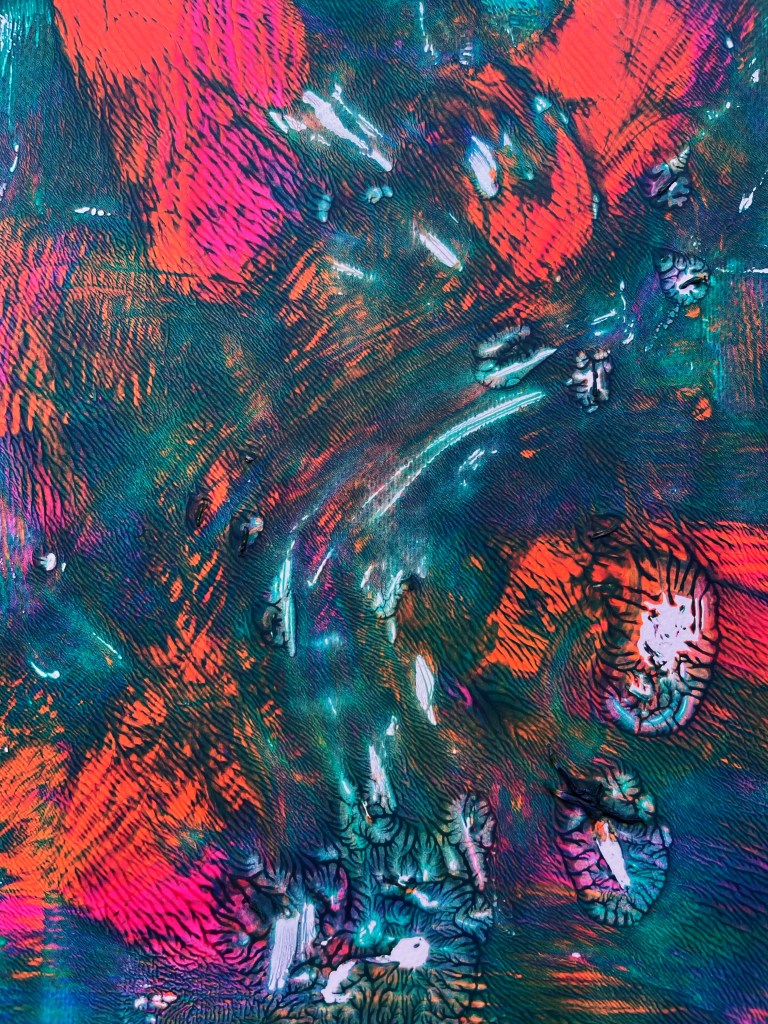
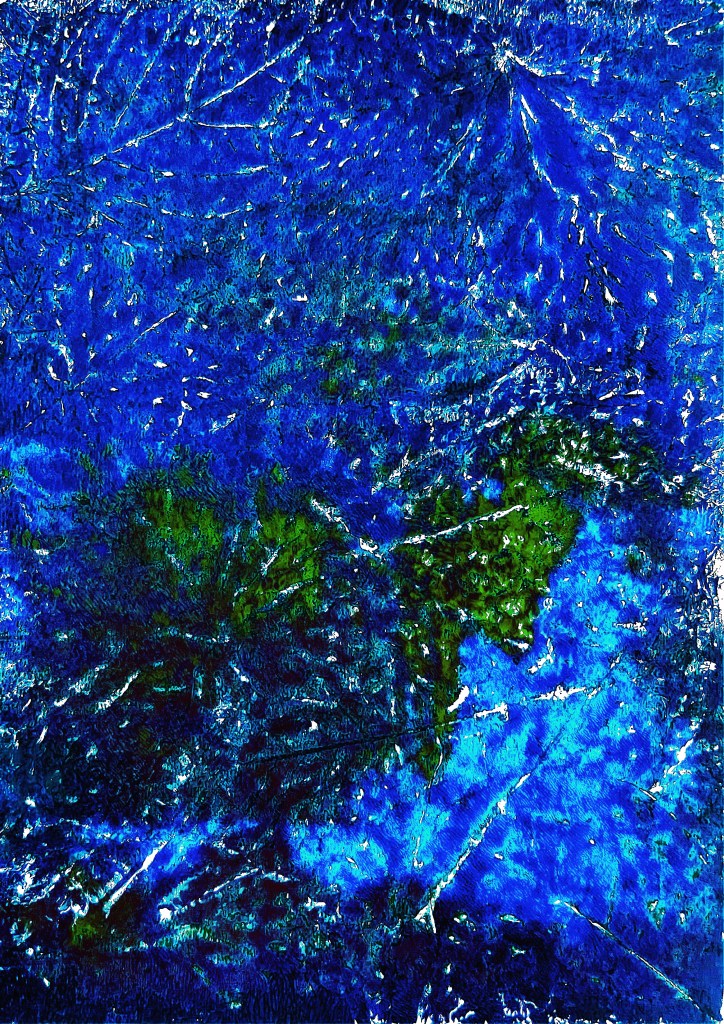
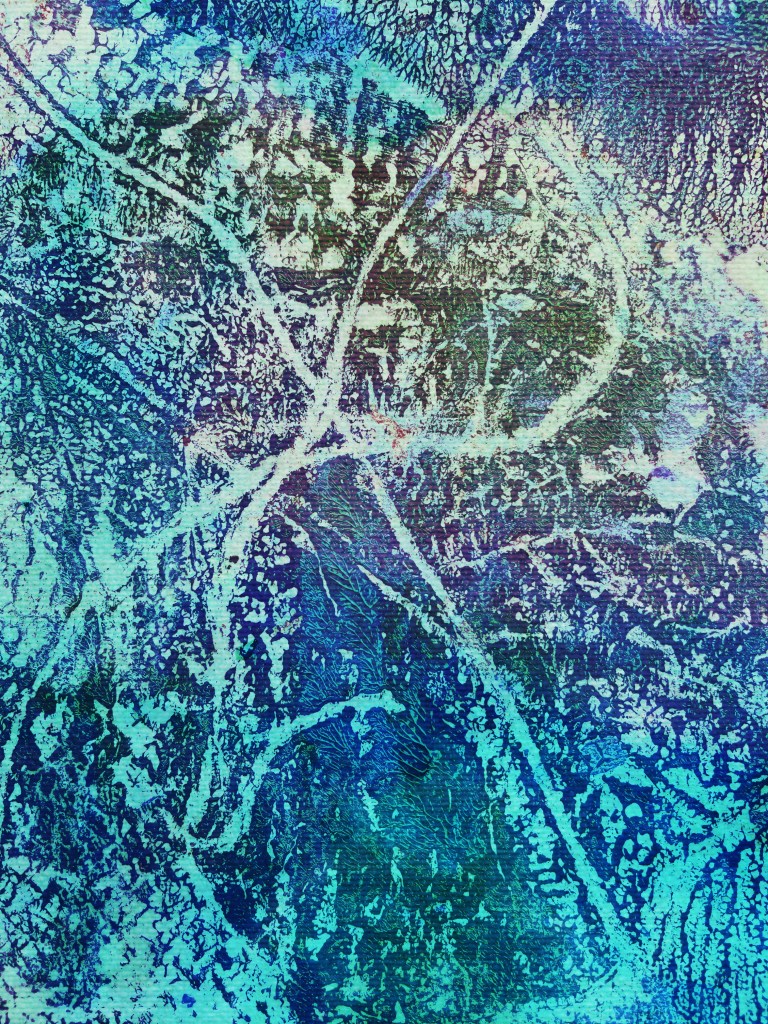
The rubbish I have collated, I used on the second part of this assignment and have mark made directly from this. String, cord, sticks and wet paper were used to make a series of prints.
The thoughts and ideas behind my practice are my connections and emotions with the water. I have this huge love-hate relationship with it. In the warmer months, I open water swim, enjoying being in it and beside it. During the winter months I am filled with dread when the rain comes. It doesn’t take a huge amount to tip the balance of Mother Nature. A storm, continuous rainfall for a month and a warm winter, all of which could feasible happen. As the water rises, the land underneath becomes insignificant. The water doesn’t stop, it flows over the land with no boundaries. As the flood plain becomes saturated, it will rise up through the ground, like a bath filling with water. There is no way to stop it.
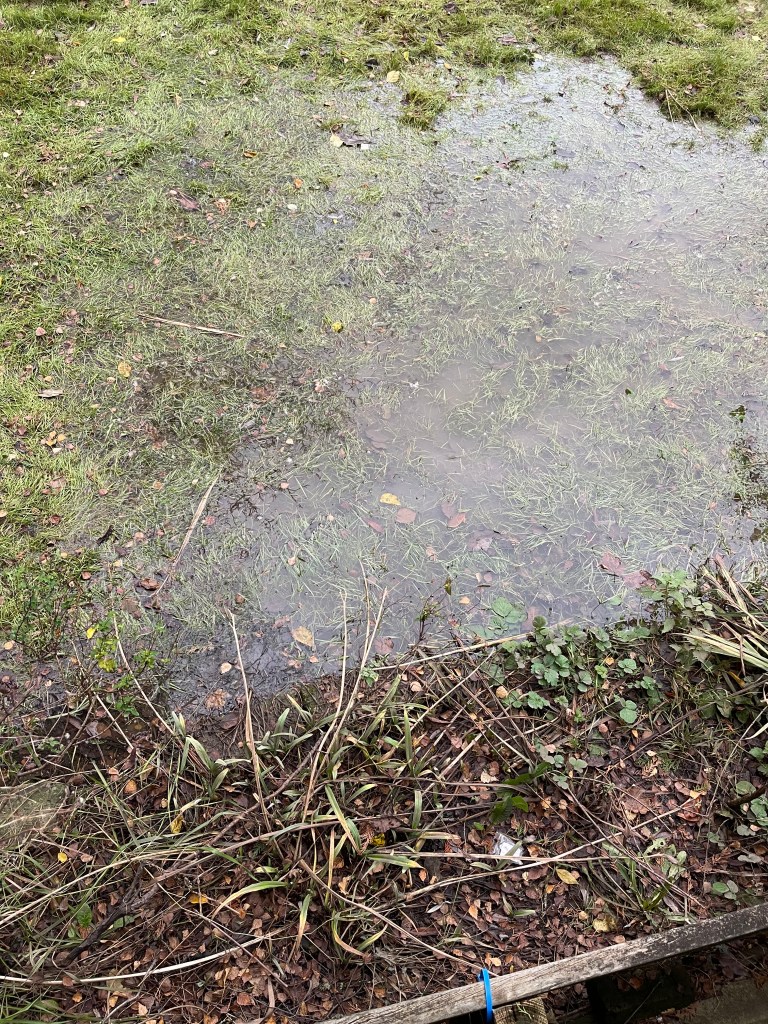
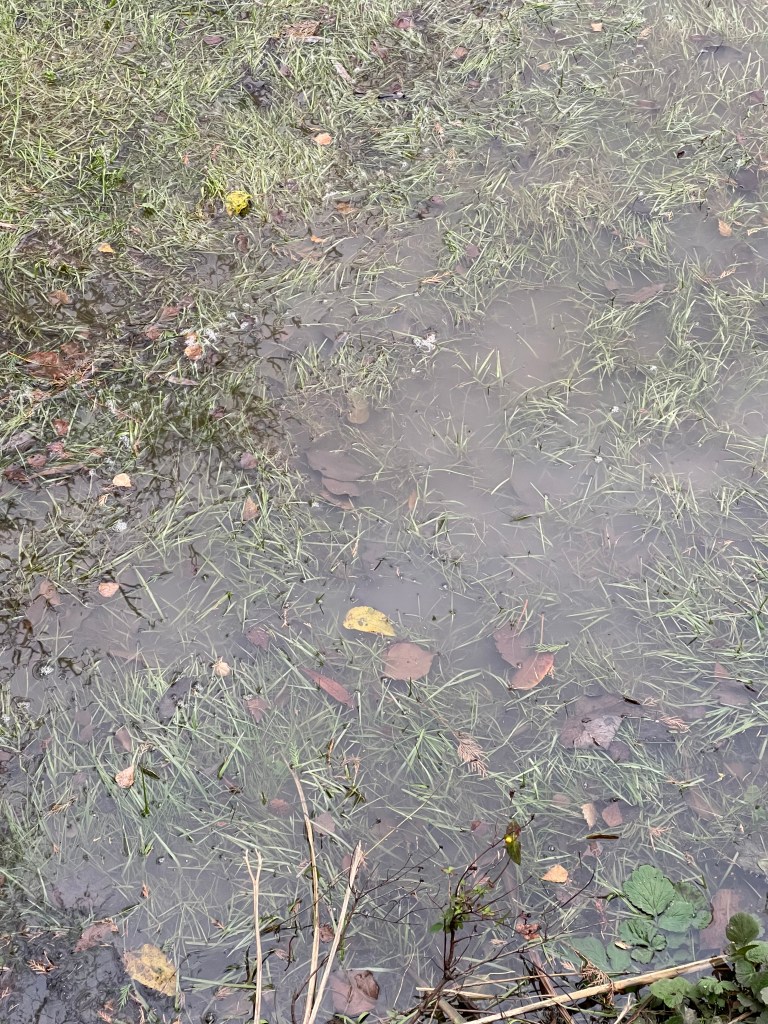
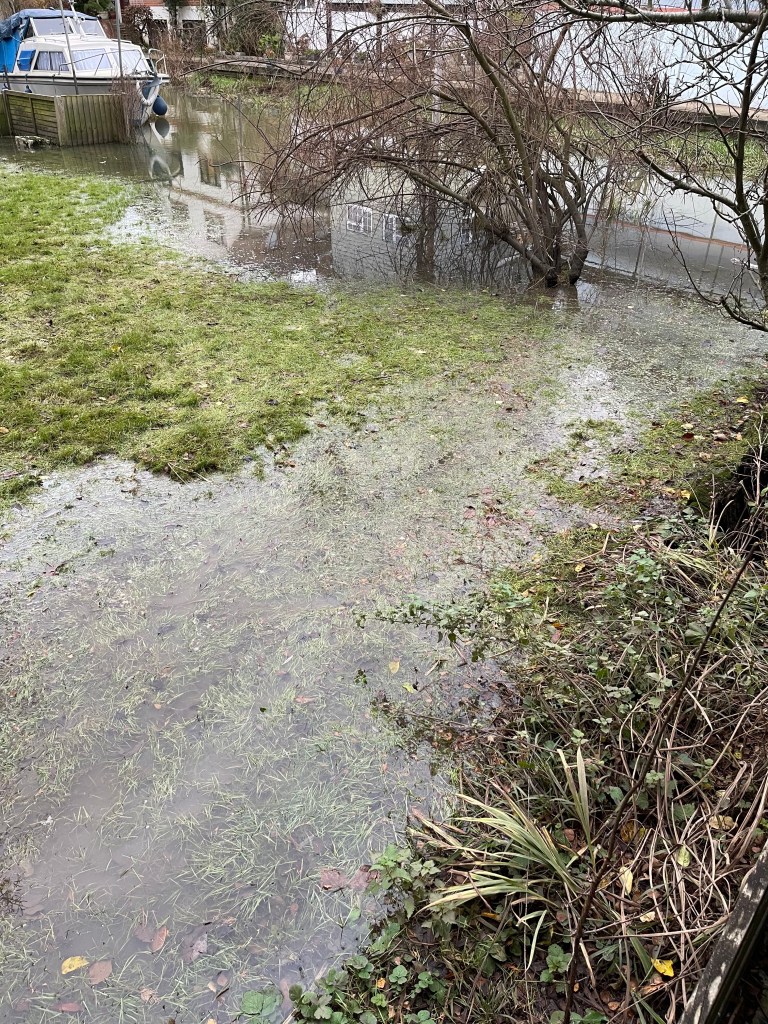
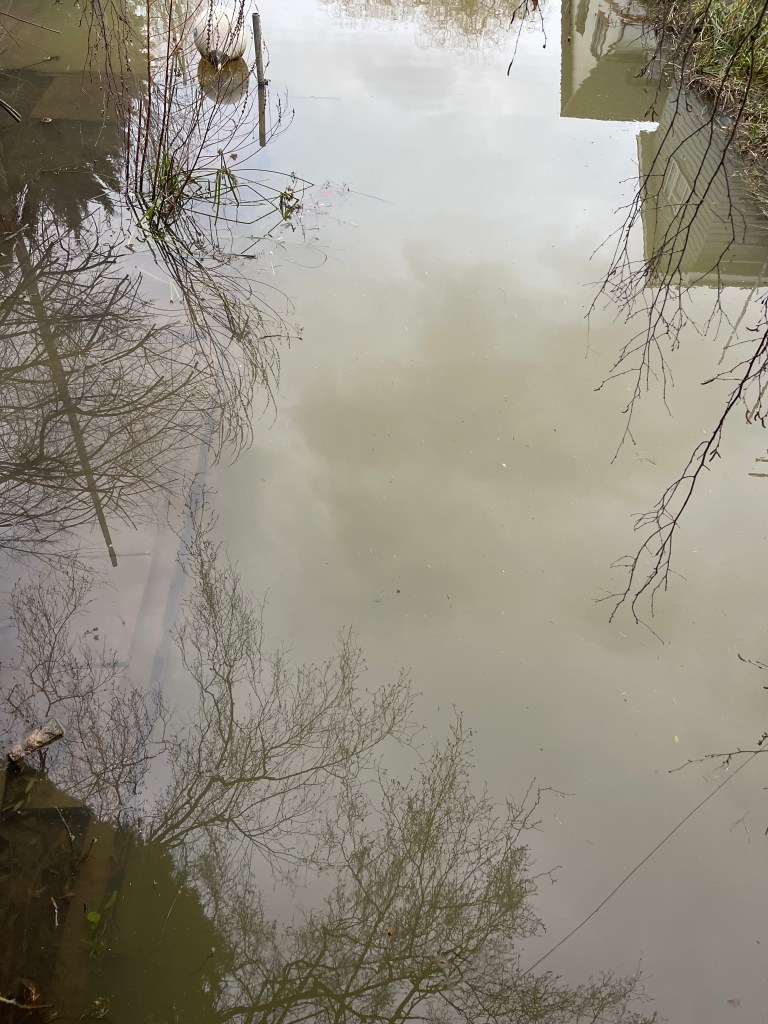
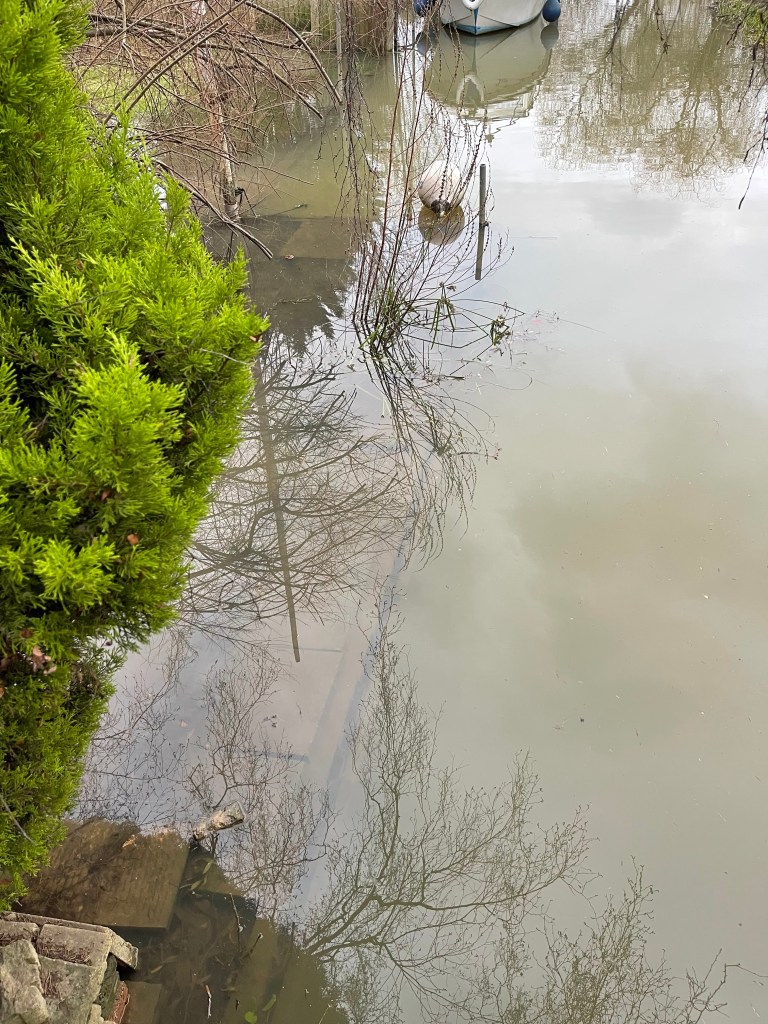
These photos were taken showing the burst banks and the water over the ends of the gardens on the river edge.
Some of the found objects were used in the printing process, they were wet, dirty and some were mouldy. The black spots are showing through where the leaves haven’t had time to dry. They smell not unpleasant but also not fragrant. Musty and damp.
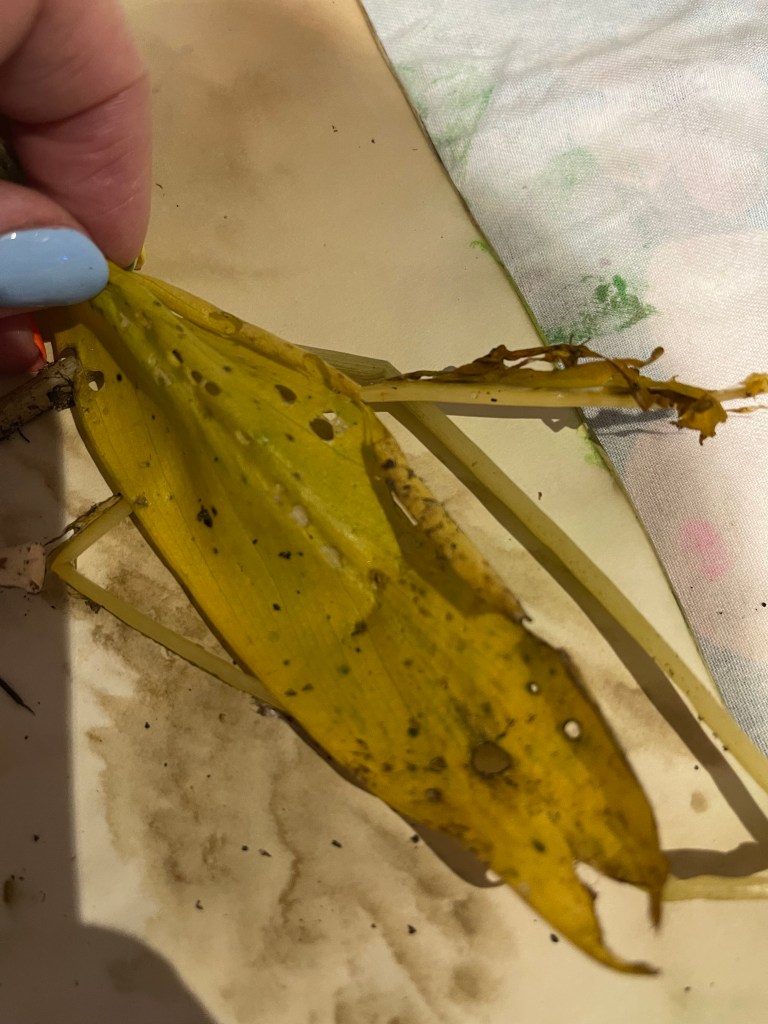
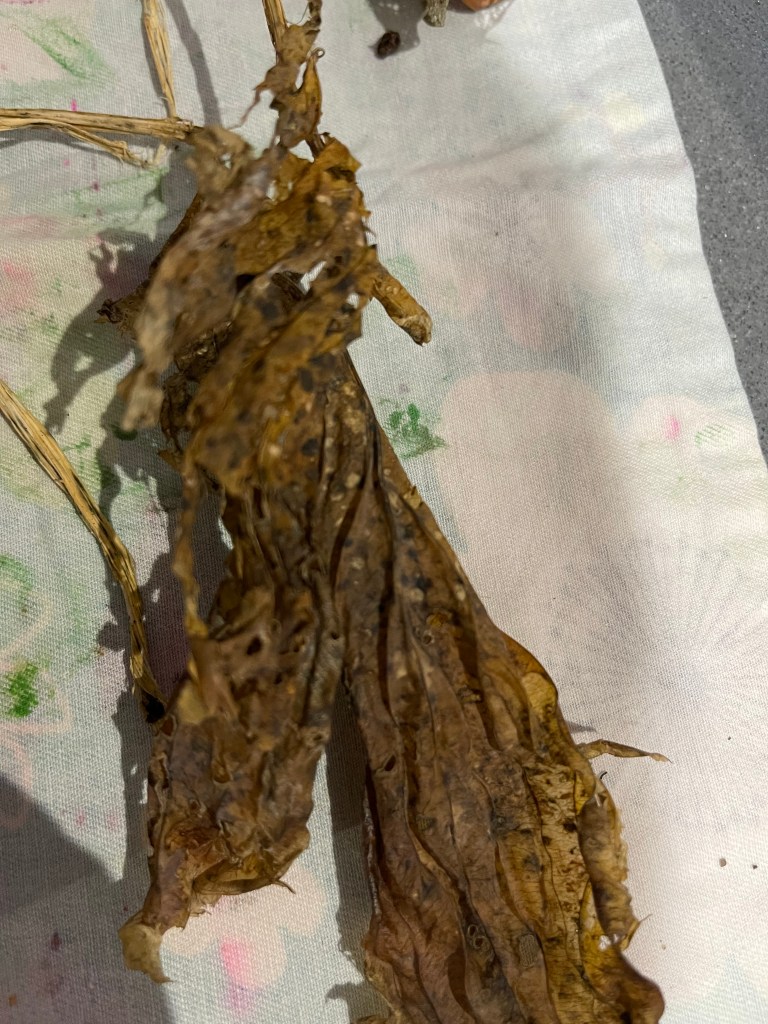
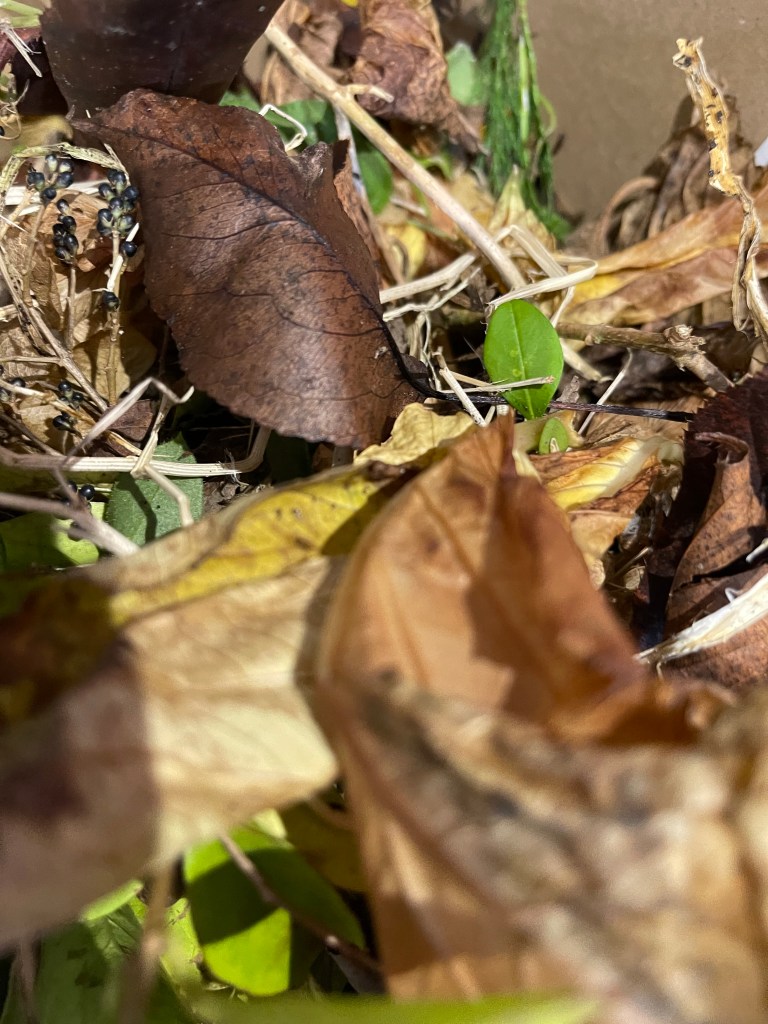
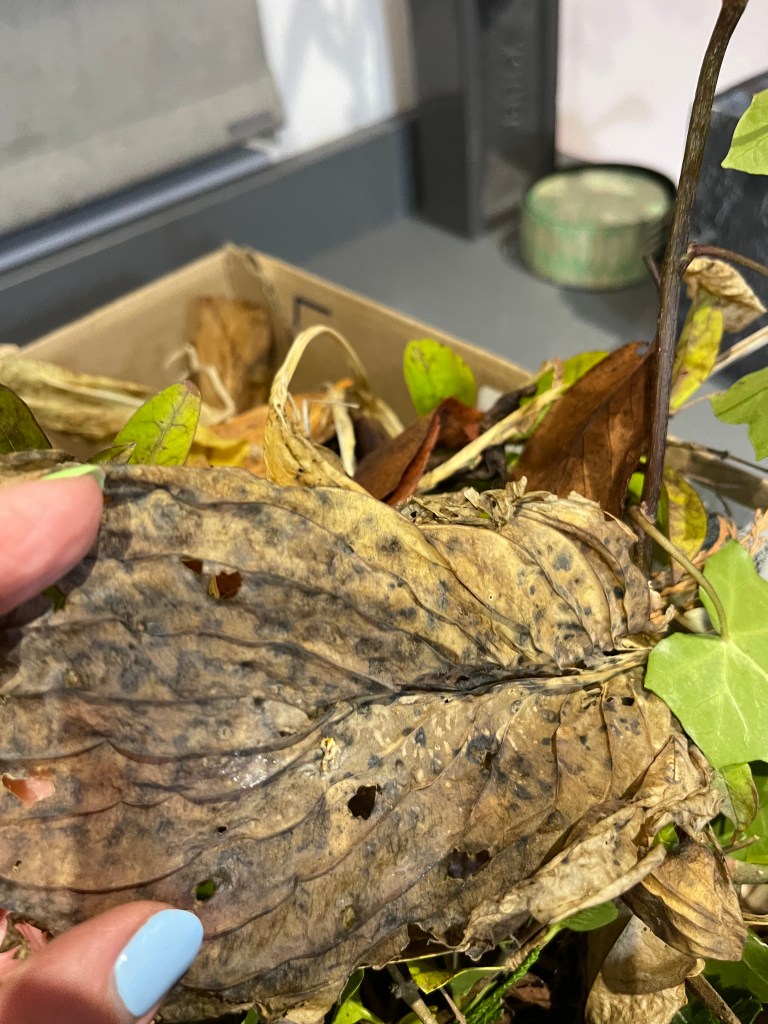

The River sketchbook.


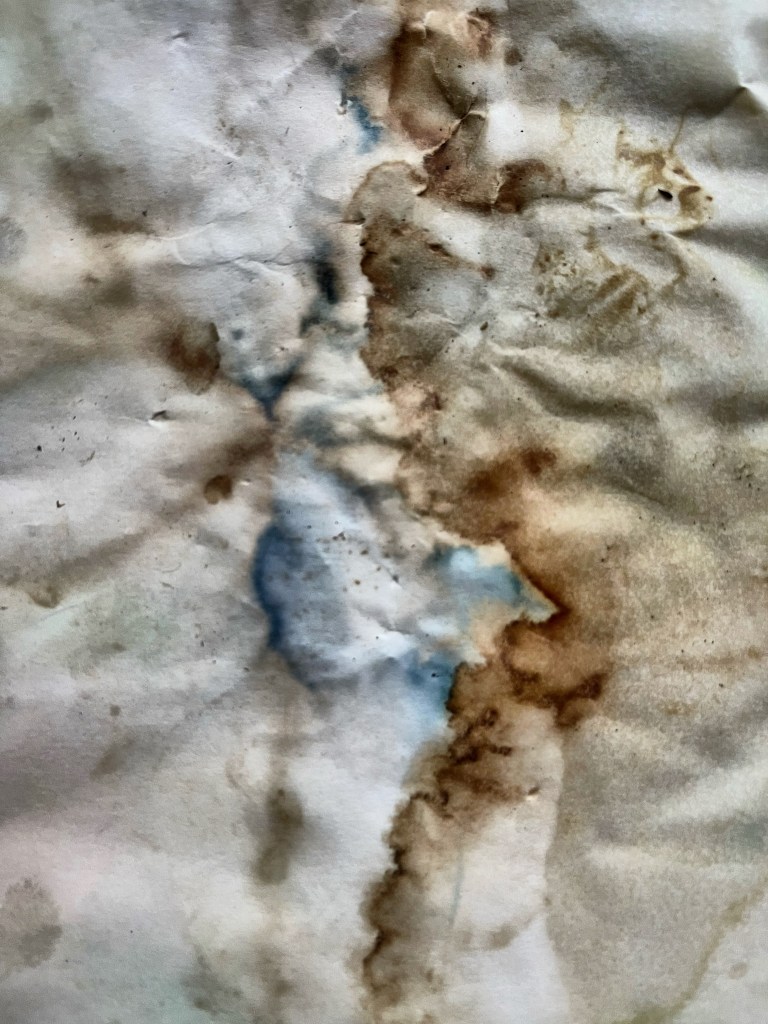
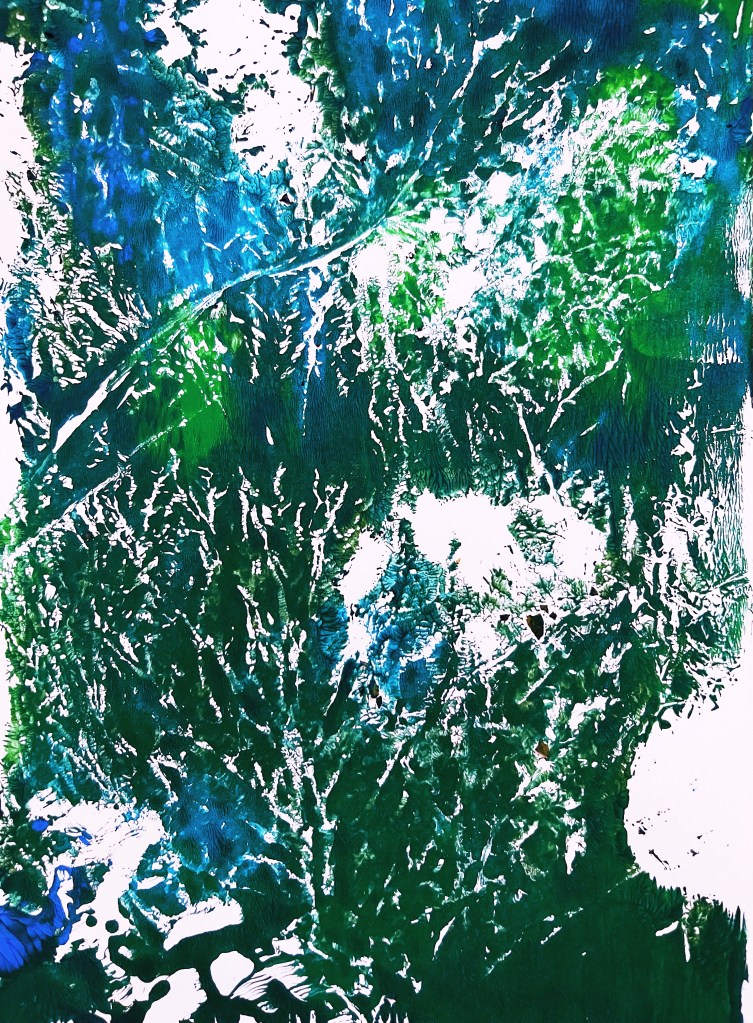
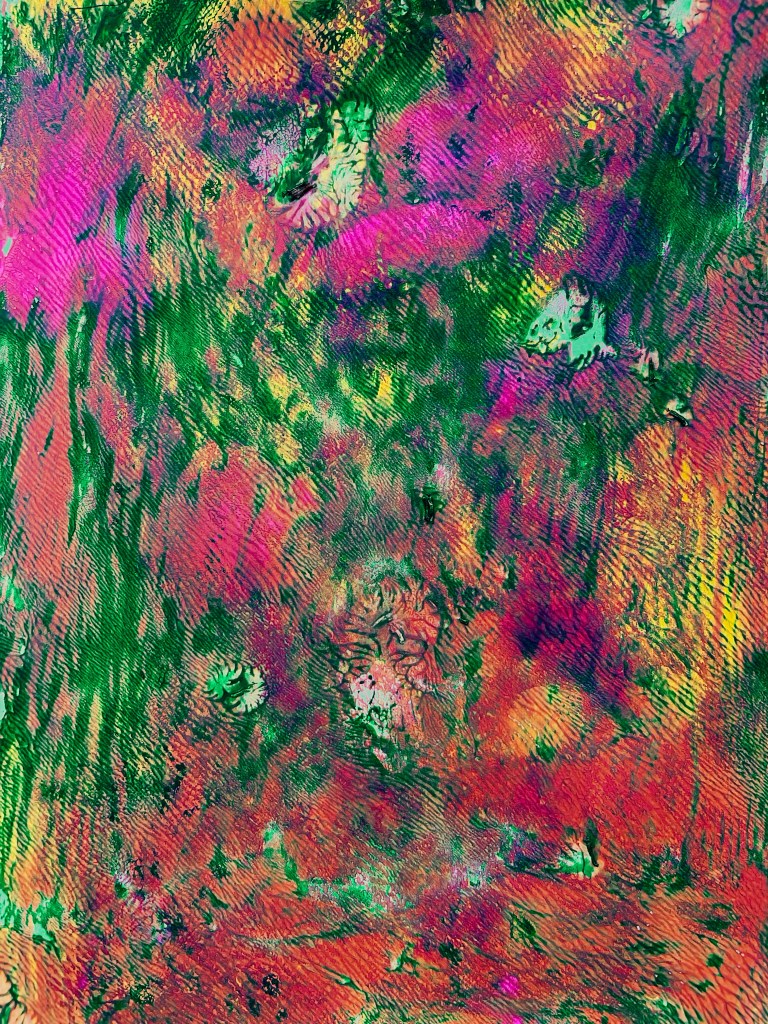
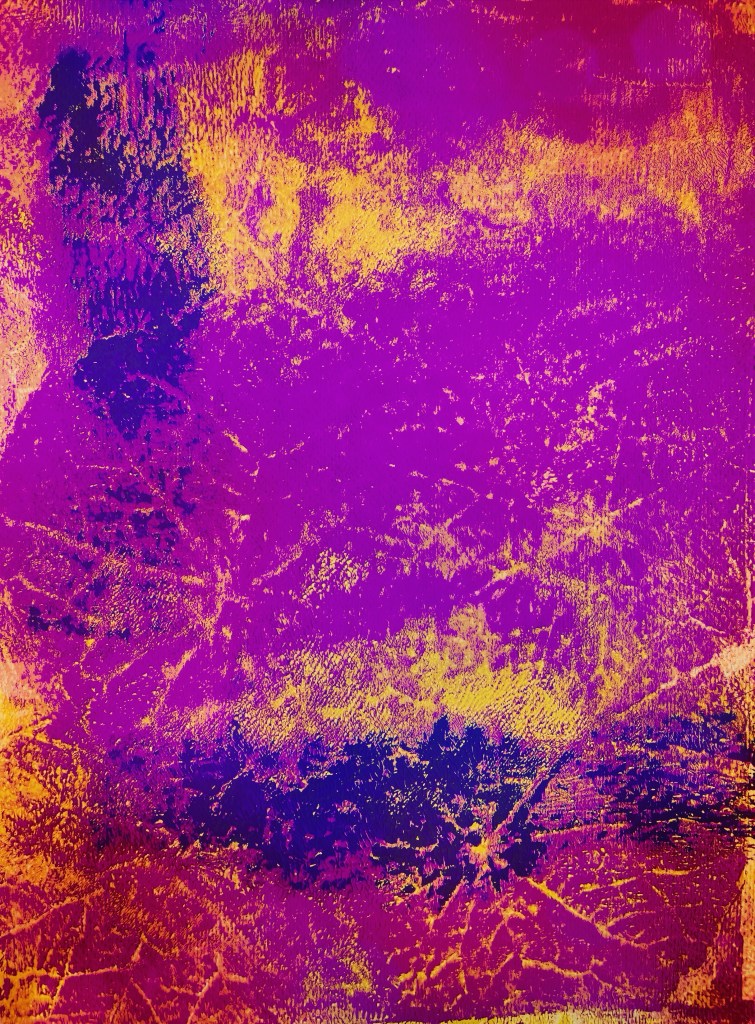
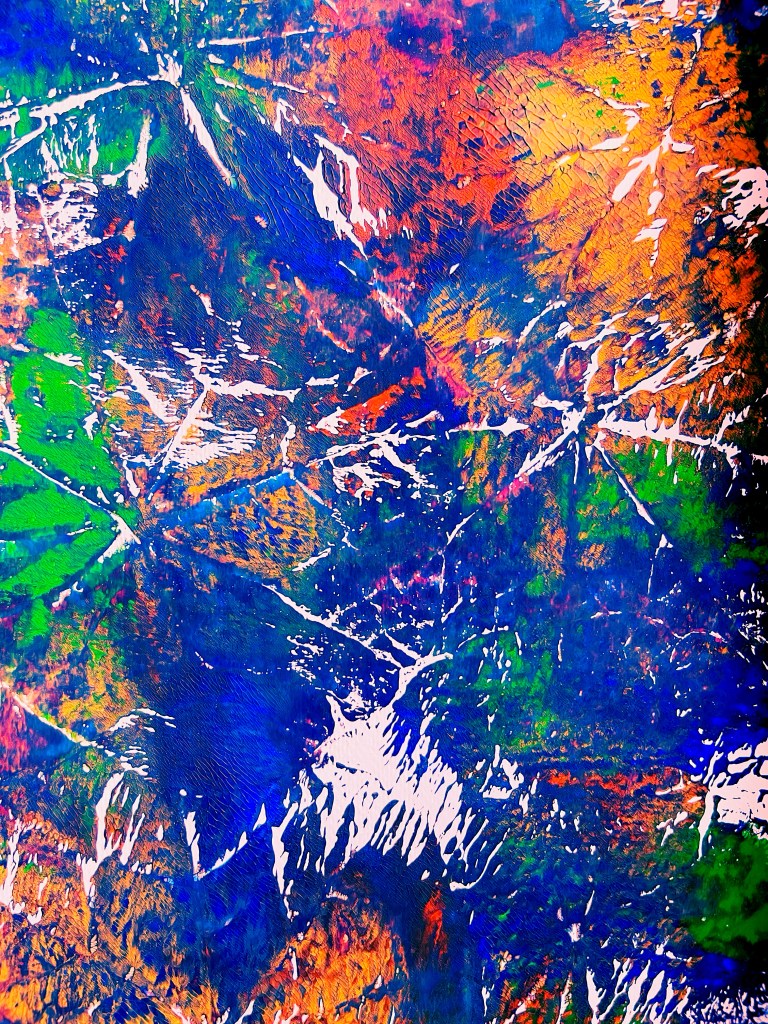
What I find so interesting is how different debris produces different marks. I must have put in some very small berries as some of the images have a blue hue. I have overlaid a filter to enhance the image and illustrate the ridges of the wet paper, as well as the leaves and plants. These explorations using the landscape to make work from, the diverse mediums that are usable and available, producing such definite marks are extraordinary.
Where the water has dried, edges have formed very distinctly on the page, they could be an ocean edge from a satellite view, or a wave on the shore. Where there is less colour and ridges have formed, a mountain range or dry desert can be imagined.
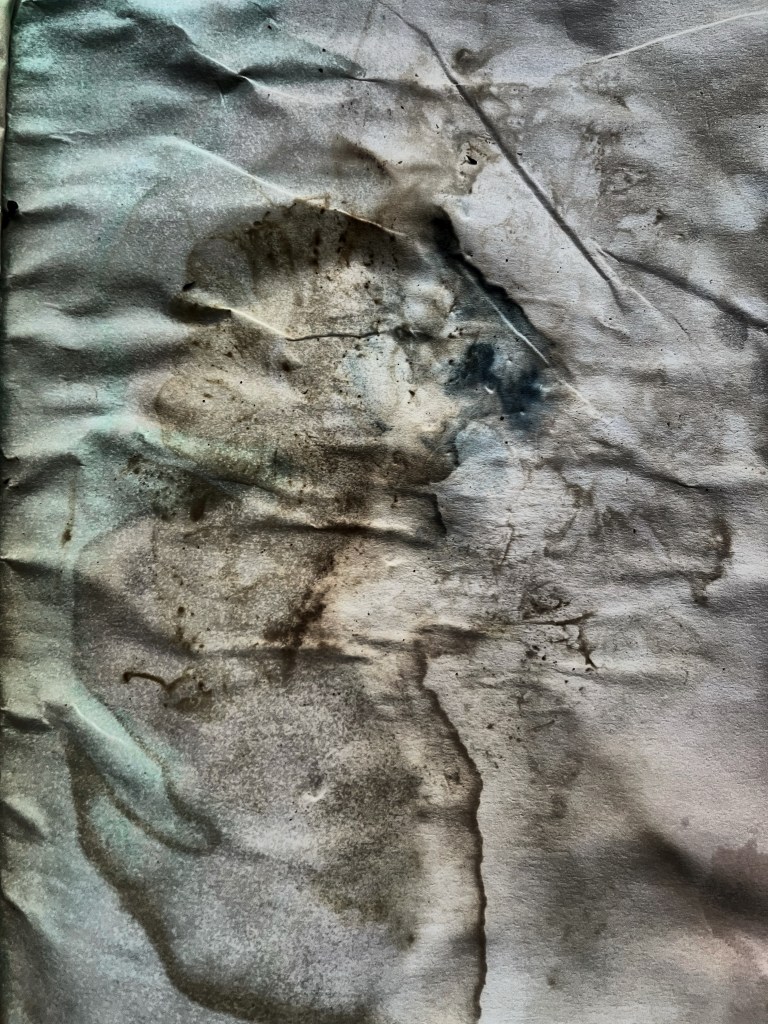

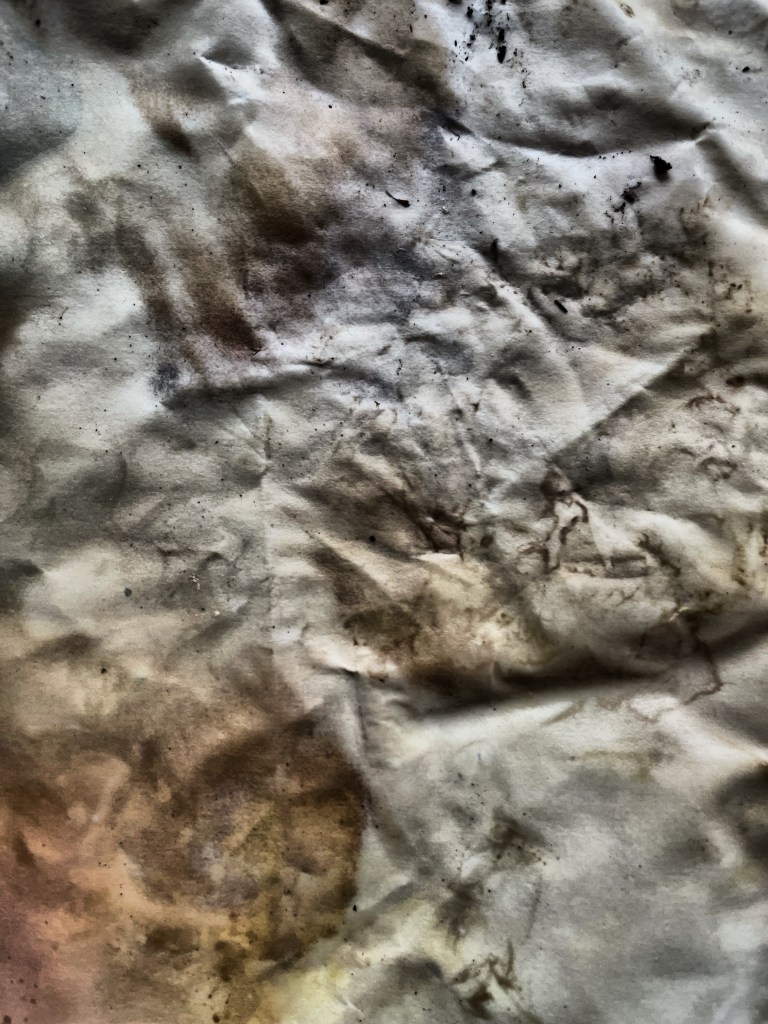
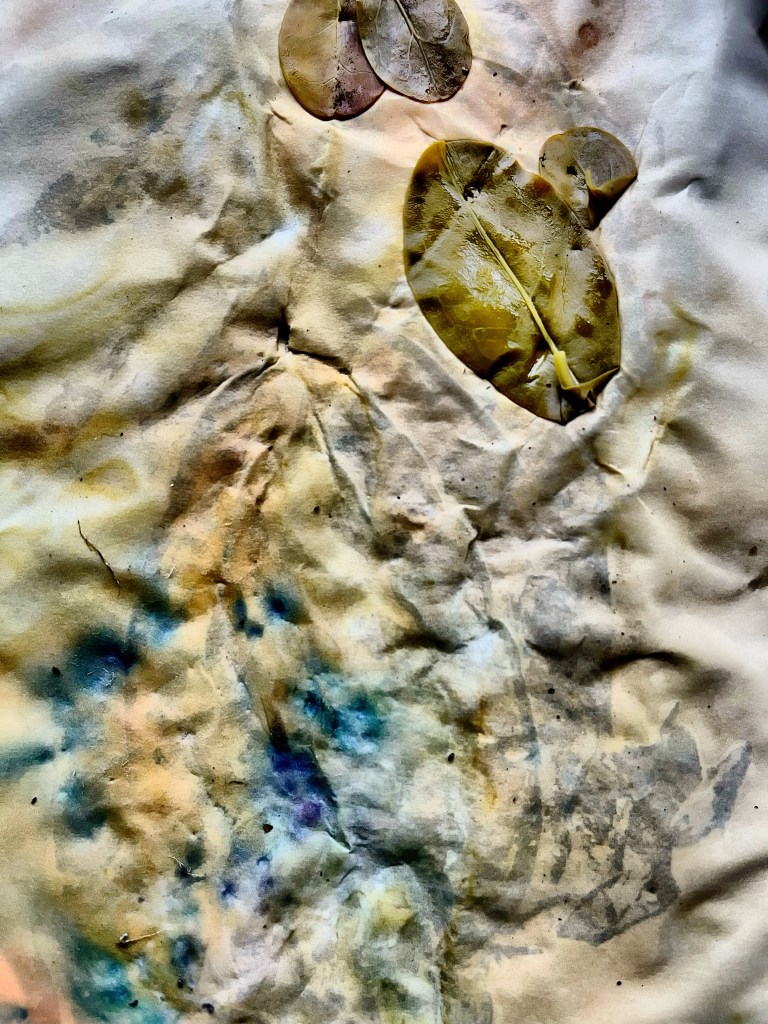
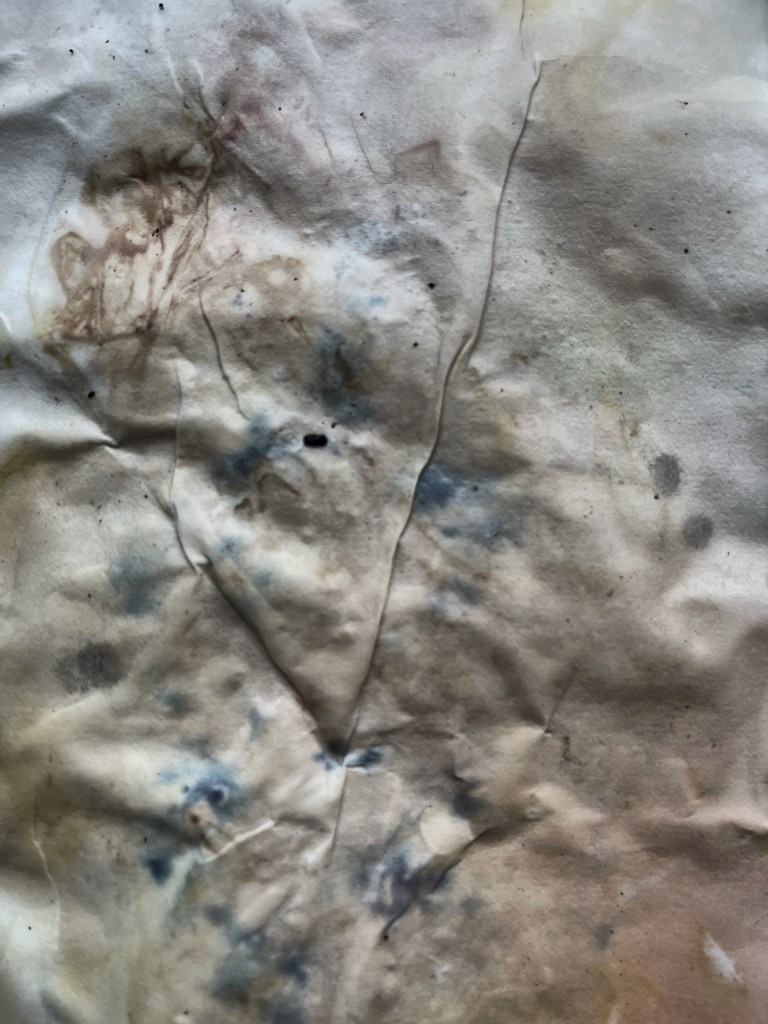


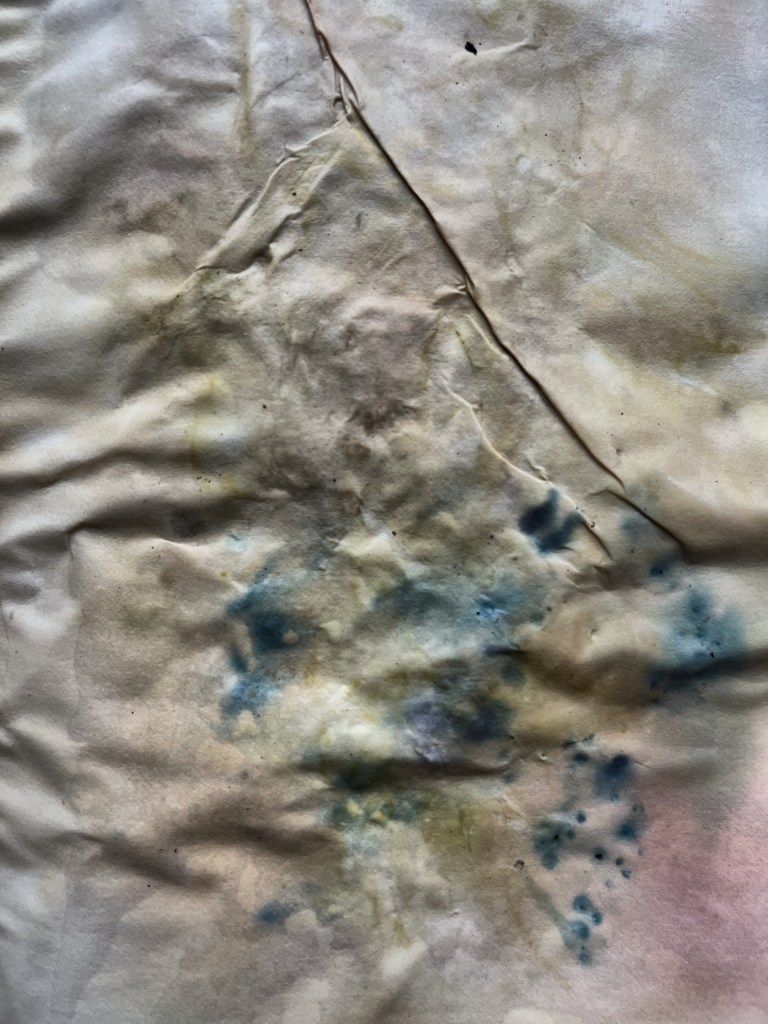
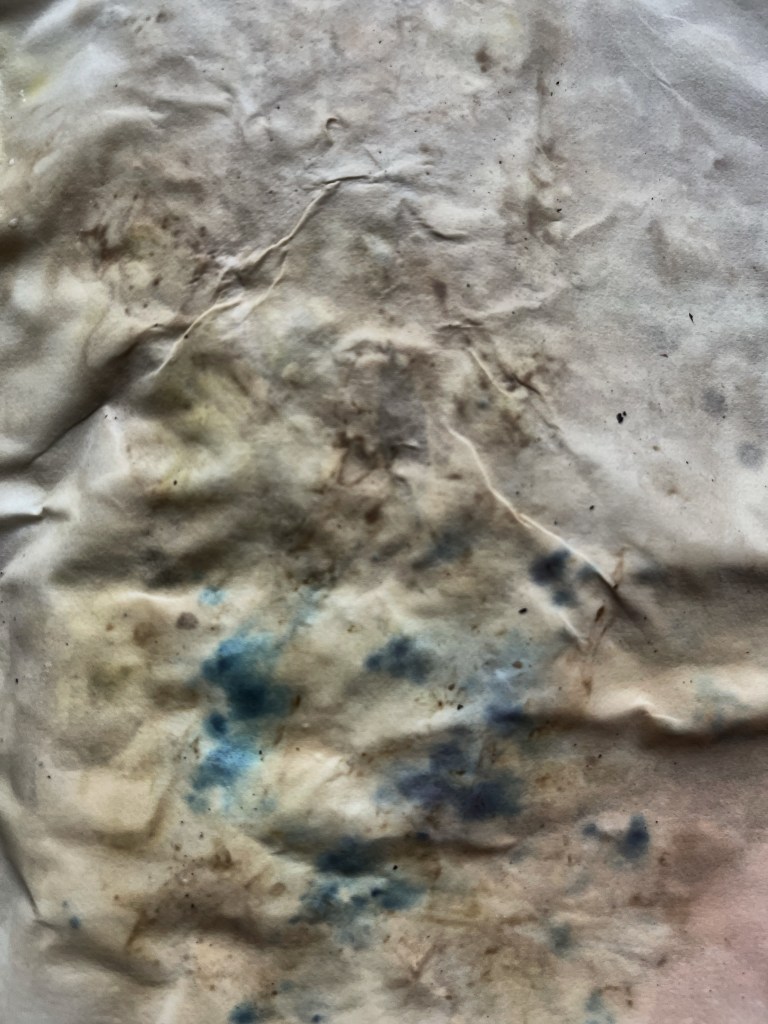
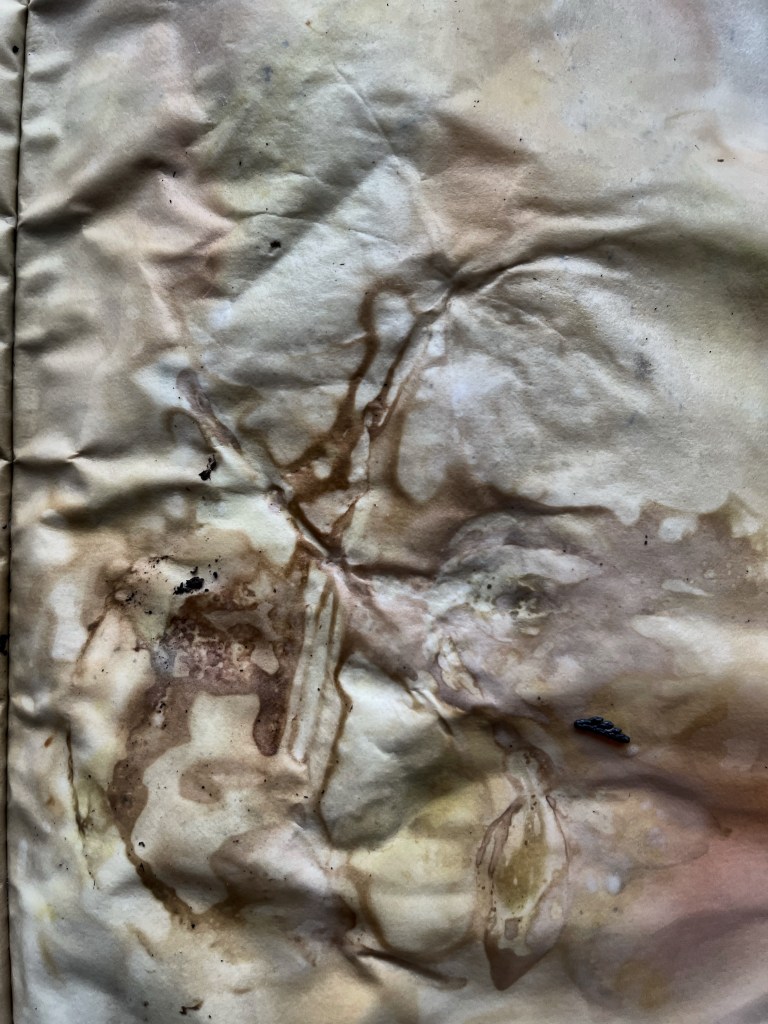
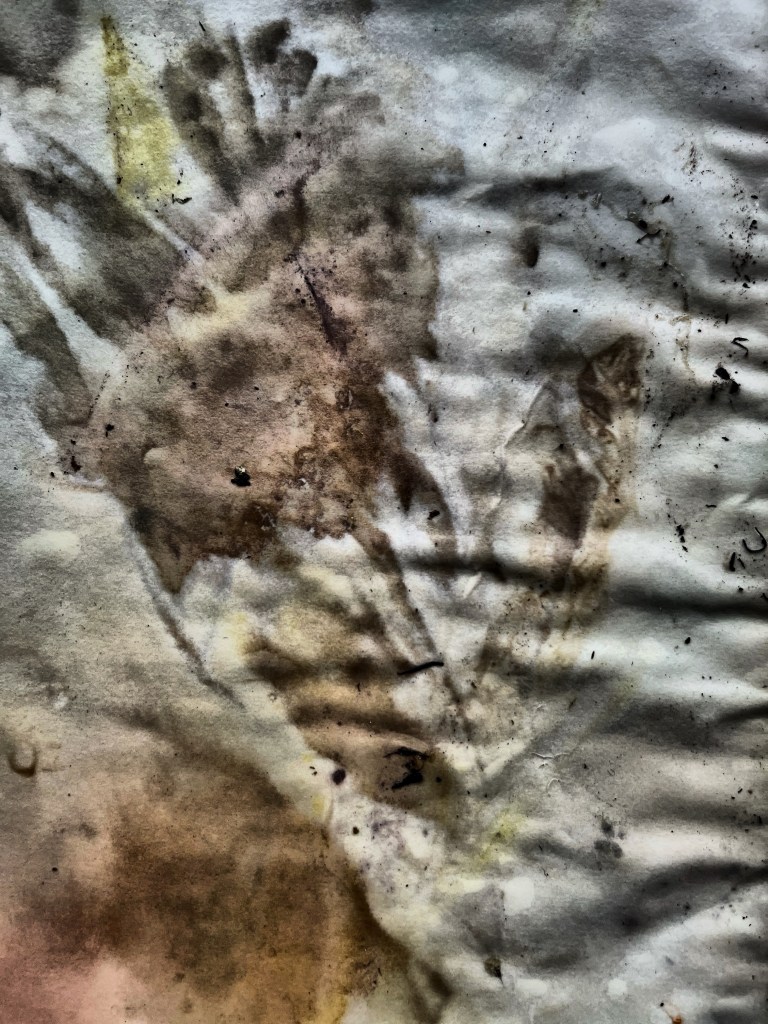
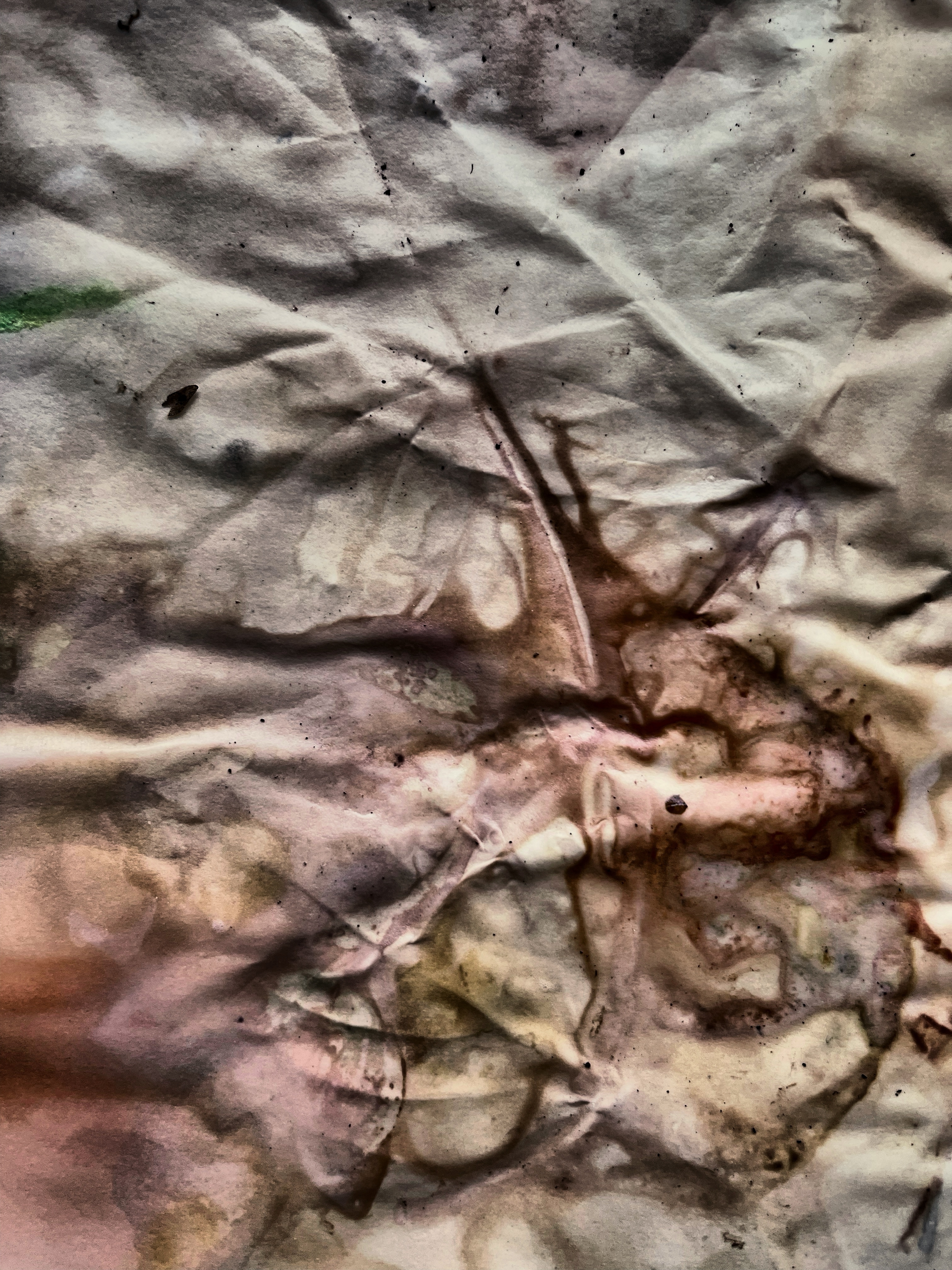
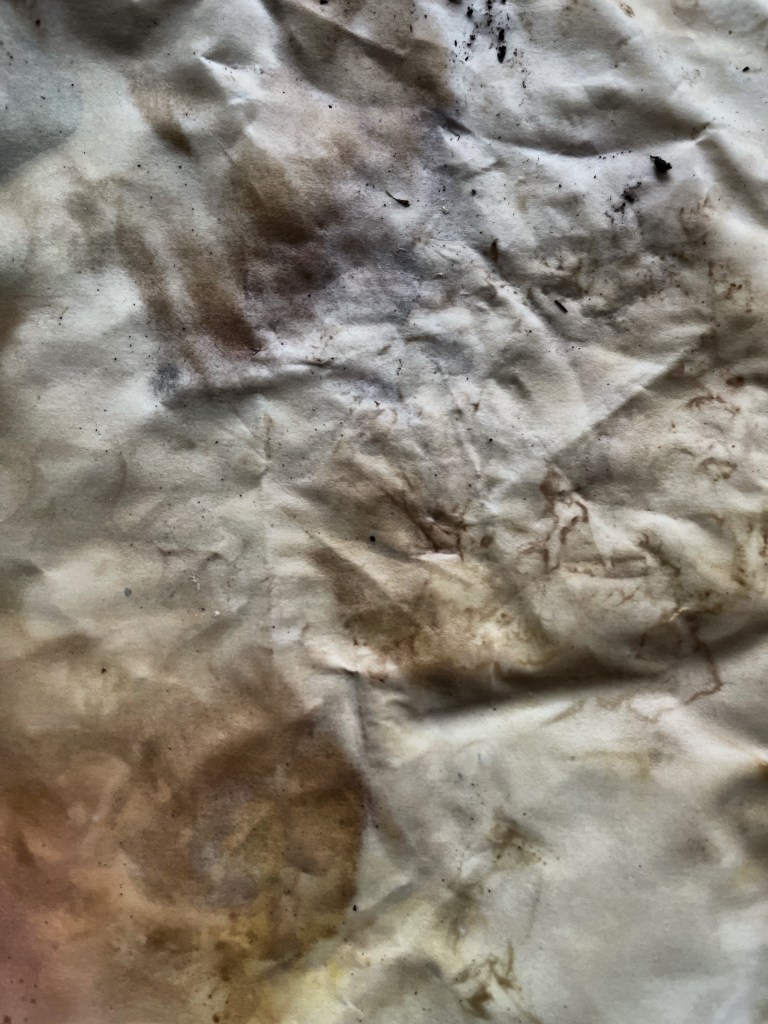
Printing from the detritus.
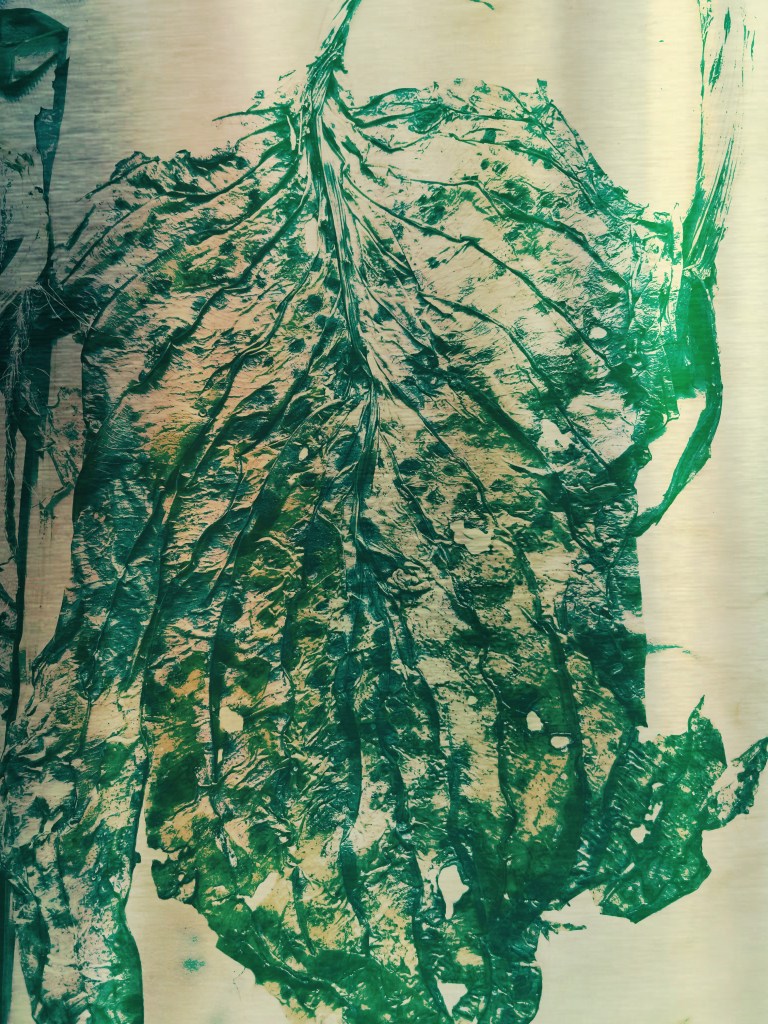
This was a large Hosta leaf, very wet and mouldy. It was extremely thin and delicate. I stretched it right out to print from it. The tones speak for themselves, so much depth and layering, where the creases have been stretched the fragility of the leaf shows throughout, however it was strong enough for me to use. This was printed using green acrylic.
Some of the rubbish I collected, I used to mark make. I also used some of the wet leaves and twigs. Using a mixture of colours, the acrylic paint and water worked the best, I was able to manipulate the paint for quite some time as I unintentionally mixed far too much.

The challenge of living in a flood zone wasn’t something we expected to deal with when we bought our house 23 years ago. Living near or on the River Thames is something thousands of people do, regularly experiencing burst banks when the rain is heavy.
To put it in perspective when we moved in 2002 our village had flooded once in 1947 as had much of the UK.
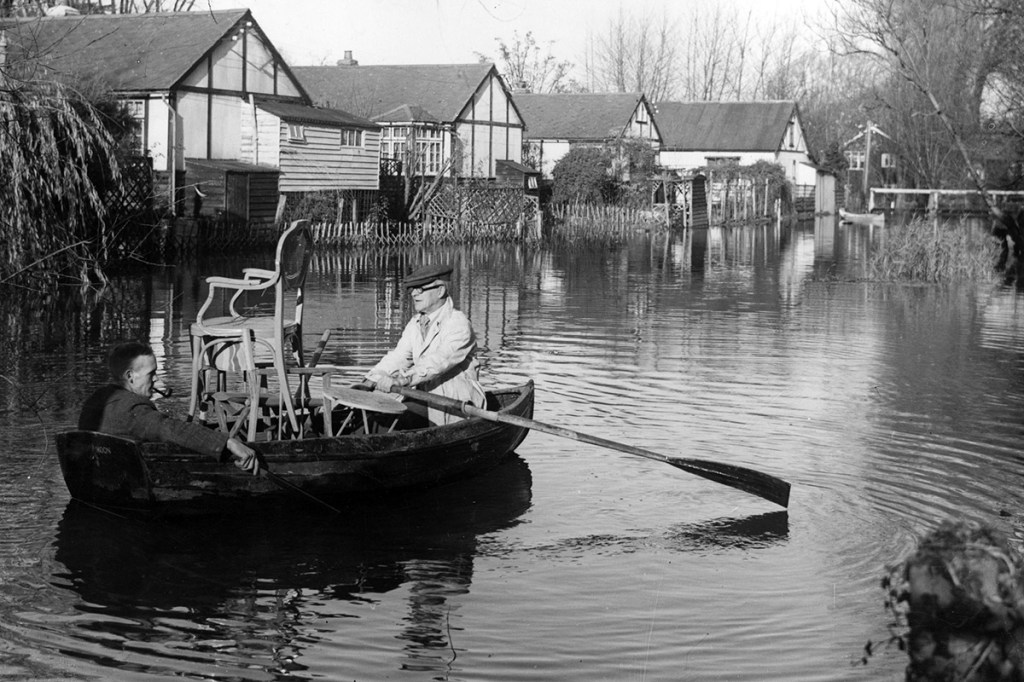
Built as a holiday village to escape London, where families could swim in the lakes, reservoirs and river, these wooden houses on stilts, continue to contribute to a mishmash of architecture in our village, some of which still exist today.
A once in ’55 year’ flood didn’t hold up any red flags. We had a lot more green space, local walks and the road was safe for the children to play.
Since living here we have now flooded four times. 2002, 2014, twice, and 2024. In 2014 we knocked our house down and re built it on stilts. This maybe a neat and tidy way to express a bungalow with the concrete slab split from the weight of the water and sewage so toxic several people were taken to hospital. Some of the houses were still using septic tanks and the waste material mixed with the ground water caused such harmful water we moved out for quite some time.
I am starting to think about the subjects for my critical review and wanted to start writing down my thoughts on how I feel, angry, how I feel emotionally, raw, and politically, is a can of worms. Of course most of this subject is about global warming and climate change. Our little flooding issue doesn’t touch anything going on in the world today. Hurricane’s, tsunami’s and extensive flooding as well as volcano eruptions and wild fires in some countries that have never even experienced any major issues previously.
It is a difficult emotion to try and explain. Probably one of the biggest is fear, mainly because of the unknown. Water has this immense power and is unstoppable, gathering this huge force as it merges with more water in its path. The second is speed, again the unknown time scale. In January 2024 we went to bed around 11 pm knowing from the Environmental Agency that the water was coming. Everything was dry. In the morning at 7 am we had 300 mm of water in the garden and across the road. The extent that these ‘bodies’ can predict, to me makes it enough to be able to stop it.
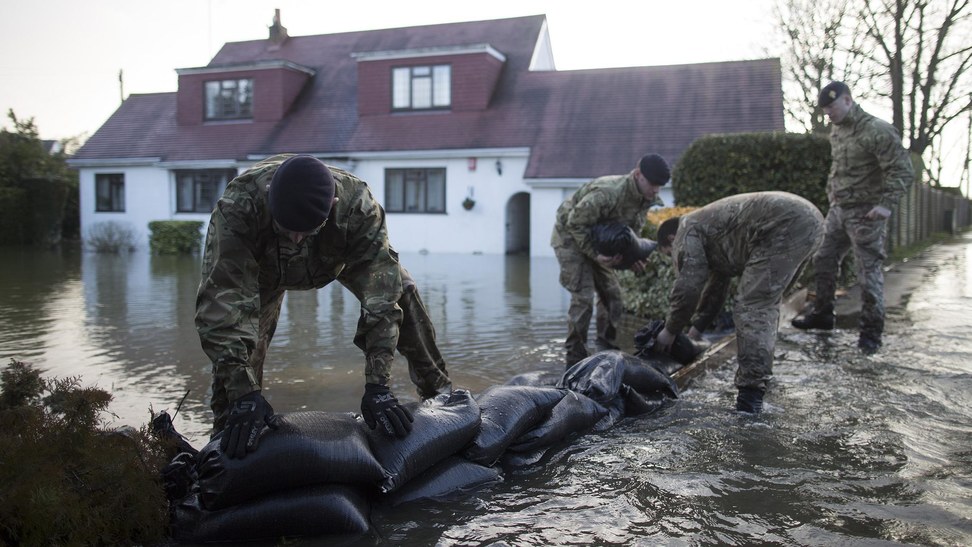
This photo was taken in 2014, at least 350 metres from the river. It shows the sheer force of the water and even with sand bags it can’t be stopped. This house was knocked down and rebuilt due to irreparable damage, along with 75 other houses in the village.
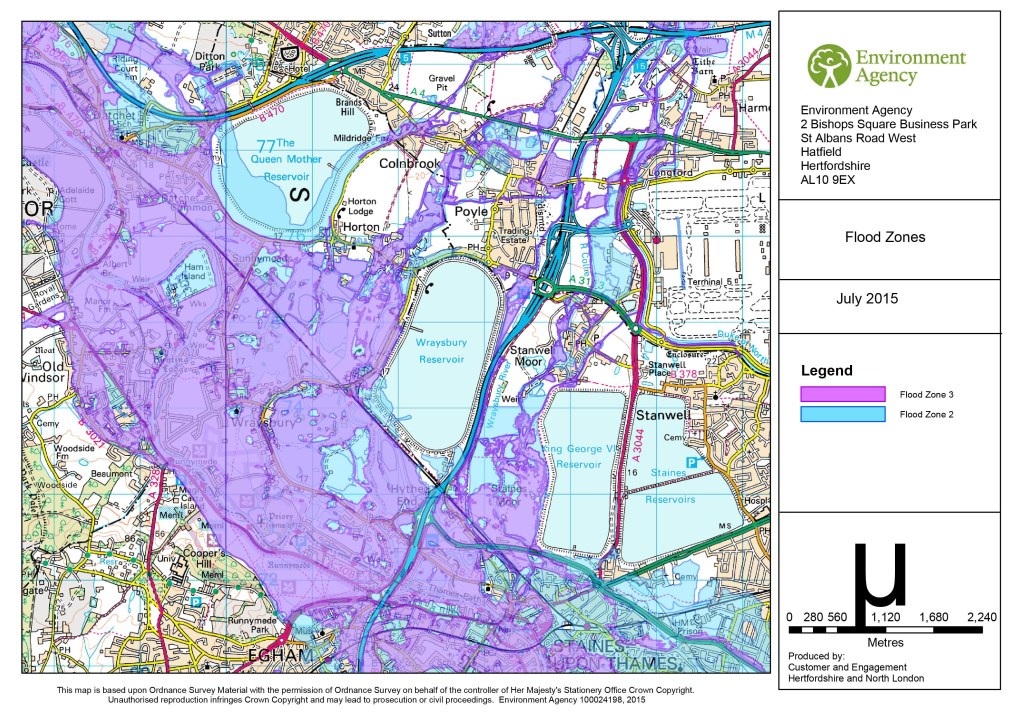
This gives an indication of the flood zone. These areas were met in 2014.
- Flood Zone 1: The lowest risk, with a less than 1 in 1,000 annual probability of flooding
- Flood Zone 2: A medium risk, with a 1% chance from rivers or 0.5% from the sea
- Flood Zone 3: The highest risk, with a 1% or higher chance from rivers or 0.5% from the sea
These thoughts are working towards my Critical Review.
Research.
Olafur Eliasson – Ice Watch
A visual reminder of the impacts of Climate Change.
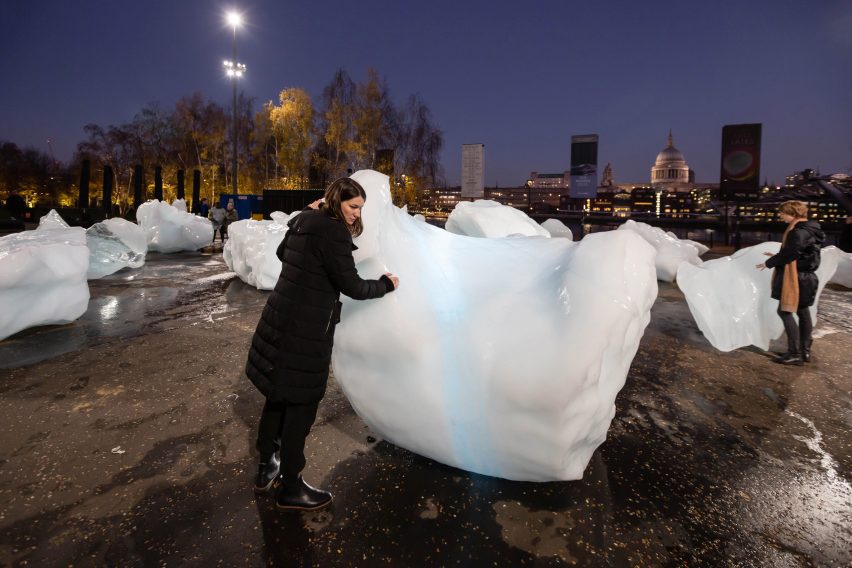
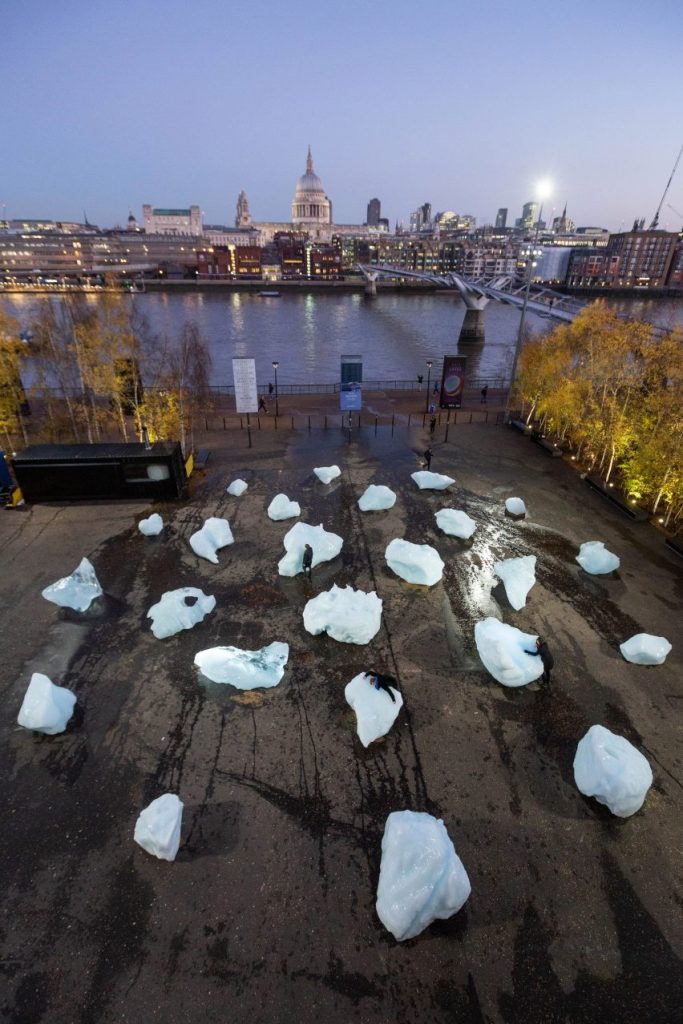
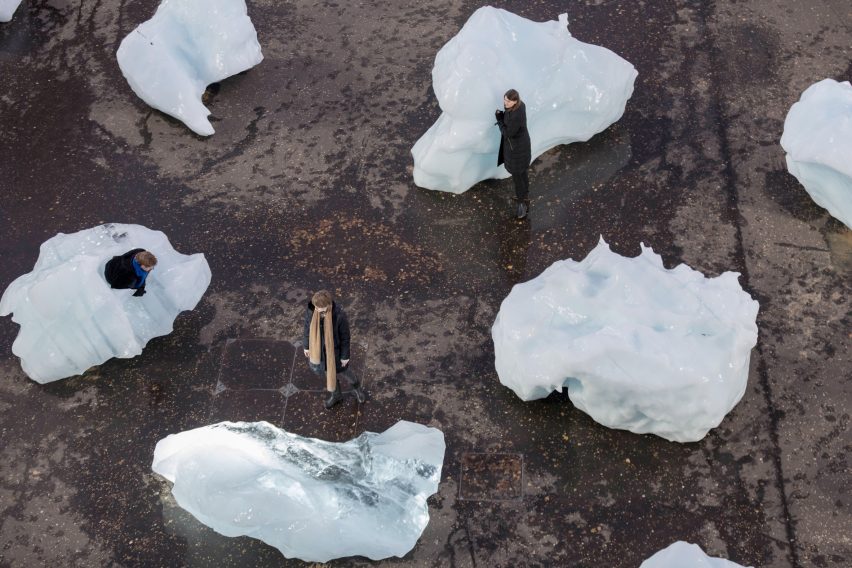
Outside the Tate Modern – London UK.
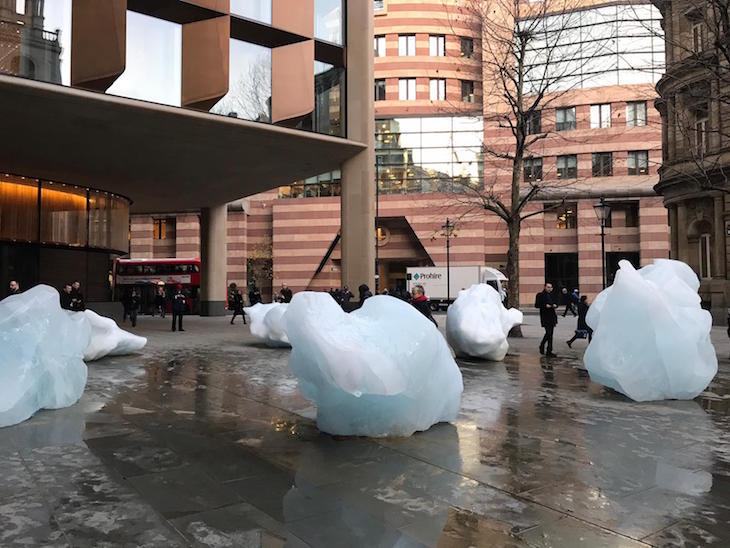
Outside the Bloomberg building – London UK.
Thirty blocks of glacial ice from the waters surrounding Greenland were placed in two locations in London, outside the Tate Modern and outside the Bloomberg building. At the time (2017) the Bloomberg building was the world’s most sustainable office block.
Eliasson hoped with such an interactive, physical installation, it would encourage not only the public, who were able to touch the ice and listen to it cracking and melting, but larger private sector companies to be inspired to act.
Greenland is so far away from our minds but by Eliasson bringing these broken off pieces of ice to London, it’s size and unexpectedness provokes discussion, thoughts and interaction with the installation, allowing the public to relate and become involved with this dialogue. It is such an inspiring way to educate people, by bringing them in to collaborate with these pieces.
The Earth is changing rapidly at an increasing speed. The time for making drastic changes will soon run out so that many aspects of damage will be irreversible.
The science and technology available today enables us to understand what we have done and what is continuing to happen. We have the ability to stop this and prevent it going any further. What I can not comprehend is why we are not doing more?
LO1 examine your emerging practice through a considered body of self-directed work.
Whilst I am still navigating my way through this new course, my practice is slowly becoming more defined. My connection with water on both a positive and negative plane is becoming clearer to me. For the next project my explorations will take me to emerging maps through the flood water and revisiting alcohol inks, oil, salt and water.
LO2 apply relevant research methods and subject knowledge to test, inform, and develop your work.
I have researched an extensive number of artists, some I feel very connected to and others not quite so yet, however that doesn’t mean I won’t revisit them further on. I have been thinking more about environmental artists, ones who are passionate about the environment and use their voice and experience to reach the public with their installations. Olafur Eliasson and Jason deCaires Taylor, both explore these connections and whilst climate change maybe something that doesn’t resonate with everyone for whatever reason, these visual artists make work that is thought provoking and memorable.
LO3 present informed connections between your research and practice interests.
Using both the physical elements to draw, print and paint from, as well as mark marking with found objects from the river banks, enables me to make informed connections with the environment around me. Collaborating with fragments of nature and being passionate about what I want to achieve, and the message I am trying to communicate with the viewer, I hope comes through in my practice and research of environmental artist.
LO4 articulate your creative ideas and critical thinking using suitable communication methods.
Being strongly influenced by water, climate change, our environment, nature, and what surrounds us, my emerging practice is a series of questions, thoughts and ideas that over the next few projects I will continue to explore.
Other
I organise two collaborative sketchbook swaps between two separate student groups, belong to one level 3 student meet, seeing each other once a month, and one fine arts group, also meeting once a month.
References. https://www.climaterealityproject.org/blog/11-visual-artists-taking-climate-crisis
Accessed 27th December 2024
Accessed 27th December 2024
https://olafureliasson.net/artwork/ice-watch-2014/
Accessed 1st January 2025.
Accessed 1st January 2025.


 Viv King. Level 3. BA Fine Art